The Natural Deodorant Problem
Everyone's tried a natural deodorant, realized it didn't work, and went back to their standard stick. Which makes sense. Most natural deodorants are TRASH. They smell fine for 2 hours, then you start to smell like a gym locker by afternoon. The reason: they're designed to mask odor, not stop the bacteria that cause odor.
But here's the thing — there ARE natural deodorants that work. Actually work. Like, you apply it in the morning and don't think about it all day work. It's just that they're mixed in with 500 other brands that don't do anything. We compared 8 options so you can skip the duds and get straight to the ones that actually function.
Natural vs. Antiperspirant (The Key Difference)
This is the thing most people get wrong. Deodorant and antiperspirant are not the same. Deodorant kills the bacteria that cause odor smell — your body still sweats, but you don't smell. Antiperspirant uses aluminum salts to actually prevent your body from sweating (plugs sweat ducts). Natural deodorants are by definition aluminum-free, so they're pure deodorant — no sweat blocking, just smell control.
This matters because if you sweat heavily or need 48-hour protection, natural deodorants might not cut it. If you just need to not smell during a normal day, they're perfect. Be honest about which category you are. If you're a heavy sweater, Mitchum (aluminum antiperspirant) might be better than Native (natural deodorant).
What Makes a Natural Deodorant Actually Work
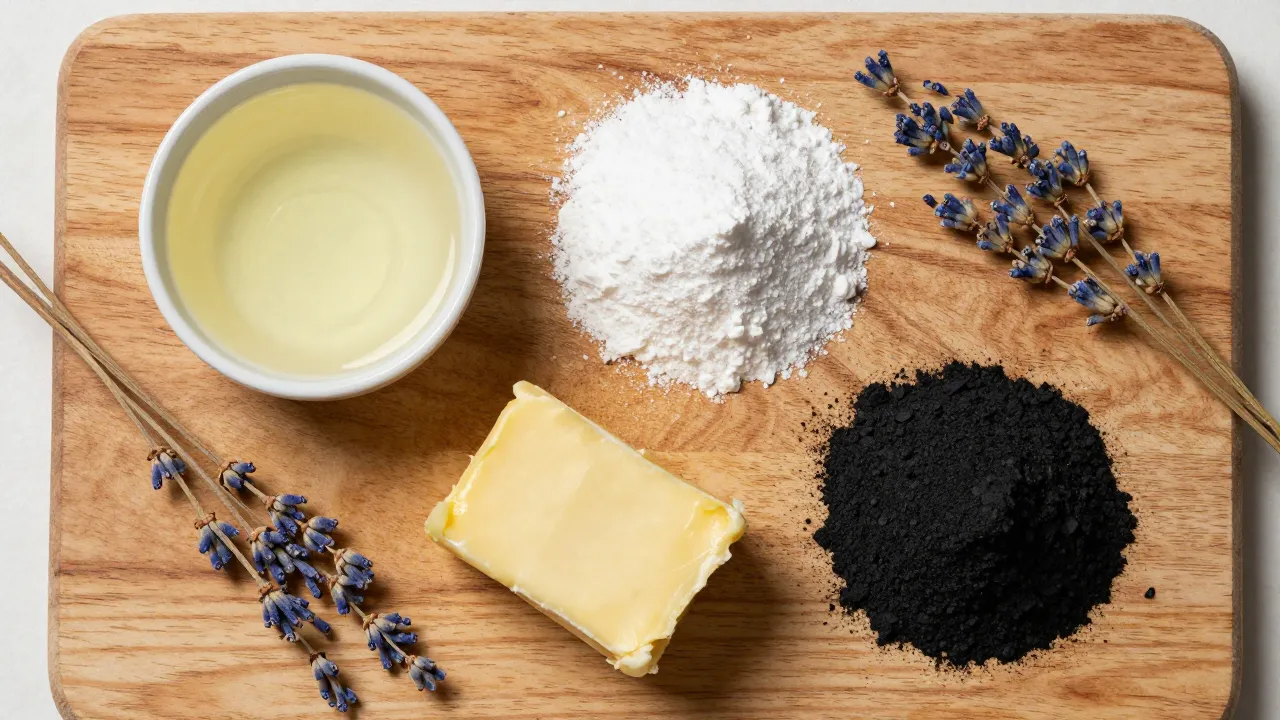
Odor comes from bacteria. Your sweat isn't the problem — it's bacteria breaking down your sweat that creates smell. So a natural deodorant needs to kill bacteria. The ingredients that do this: magnesium, tapioca starch, probiotics, coconut oil, turmeric, and tamanu oil all have antimicrobial properties. Good natural deodorants stack multiple antibacterial ingredients. Bad ones just have baking soda (which is irritating and doesn't actually kill bacteria well).
The other factor: moisture absorption. Tapioca starch and arrowroot powder absorb sweat so the bacteria have less moisture to thrive. This is why natural deodorants with tapioca work better than those without.
How Long Do They Actually Last?
Native claims 24 hours. Routine claims 48 hours. Schmidts is somewhere in between. Real-world reports: most natural deodorants last 24 hours with normal activity. If you're at a desk, they might last 30+ hours. If you hit the gym, 24 hours is more realistic. The brands claiming 48 hours are overselling (but they do last longer than most).
This is why rotation is smart: use one brand for a few weeks, then switch. Your body adapts to deodorants (bacteria become resistant), so rotating prevents effectiveness drop-off.
The Natural Deodorant Detox Myth
You'll see people talking about "armpit detoxes" when switching to natural deodorant. This is not real. What IS real: your body adjusts. Standard deodorants contain aluminum (antiperspirant) which plugs sweat ducts. When you switch to natural deodorant, your body might sweat slightly more for the first week or two as it re-adjusts. This is normal and temporary. It's not a "toxin release" — it's your body going back to normal sweating patterns.
Give it 2 weeks. After that, natural deodorant should work fine.
Scent vs. Unscented
Most natural deodorants have scent (coconut & vanilla, lavender, etc.). This is good if you want your deodorant to smell like something. If you wear cologne or just want deodorant to be invisible, go unscented (Routine, Lume). Unscented deodorants are less popular so they're harder to find, but they exist and they work great.
The Bottom Line
Natural deodorants work. You just need to pick the right one. Native and Schmidts are your safest bets (highest reviews, proven effectiveness, competitively priced). If you sweat heavily or need 48+ hour protection, go with Routine or just use an antiperspirant (Mitchum, Dove). If you want a luxury option, Kosas is legitimately good. The key: don't give up on natural deodorant after one bad experience. You probably just tried the wrong brand.