Editorial disclosure: We earn from qualifying Amazon purchases at no extra cost to you. Picks are independently researched. Full disclosure →
THE WELLNESS DESK·VOL. PREGNANCY·2026
Is Collagen Safe During Pregnancy?
The honest evidence review. No pregnancy-specific RCTs exist, but hydrolyzed collagen has FDA GRAS status and a reassuring mechanistic profile (it's digested protein). What we know, what we don't, and the questions to ask your OB.
The short answer: probably safe, but no pregnancy-specific RCTs exist
Quick answer
No randomized controlled trials have tested collagen peptide supplementation specifically in pregnant women, so any claim of 'proven safe in pregnancy' would be overstating the evidence. That said, the mechanistic safety profile is reassuring: hydrolyzed collagen is essentially short protein chains (peptides) that get digested into amino acids like any other dietary protein. It has FDA Generally Recognized as Safe (GRAS) status as a food ingredient. The amino acid profile (glycine + proline-heavy) overlaps with normal pregnancy protein needs. Most OB-GYNs do not contraindicate collagen, but individual cases vary — talk to yours.
The honest framing for any "is X safe during pregnancy" question is: most supplements lack pregnancy-specific RCT data because doing supplement trials in pregnant women is ethically and logistically constrained. The default approach in clinical nutrition is mechanistic + epidemiological reasoning: does the substance have a plausible harm pathway, and is there real-world signal of adverse outcomes?
For hydrolyzed collagen, both checks are reassuring. The substance is digested protein with an unusual amino acid profile (rich in glycine, proline, hydroxyproline) but nothing approaching a teratogenic structural concern. Epidemiologically, collagen peptides have been widely consumed for decades with no documented adverse pregnancy signal in published surveillance. That's not proof of safety in the RCT sense — but it's the same evidentiary standard most dietary supplements meet during pregnancy.
What hydrolyzed collagen actually is (for the safety analysis)
Quick answer
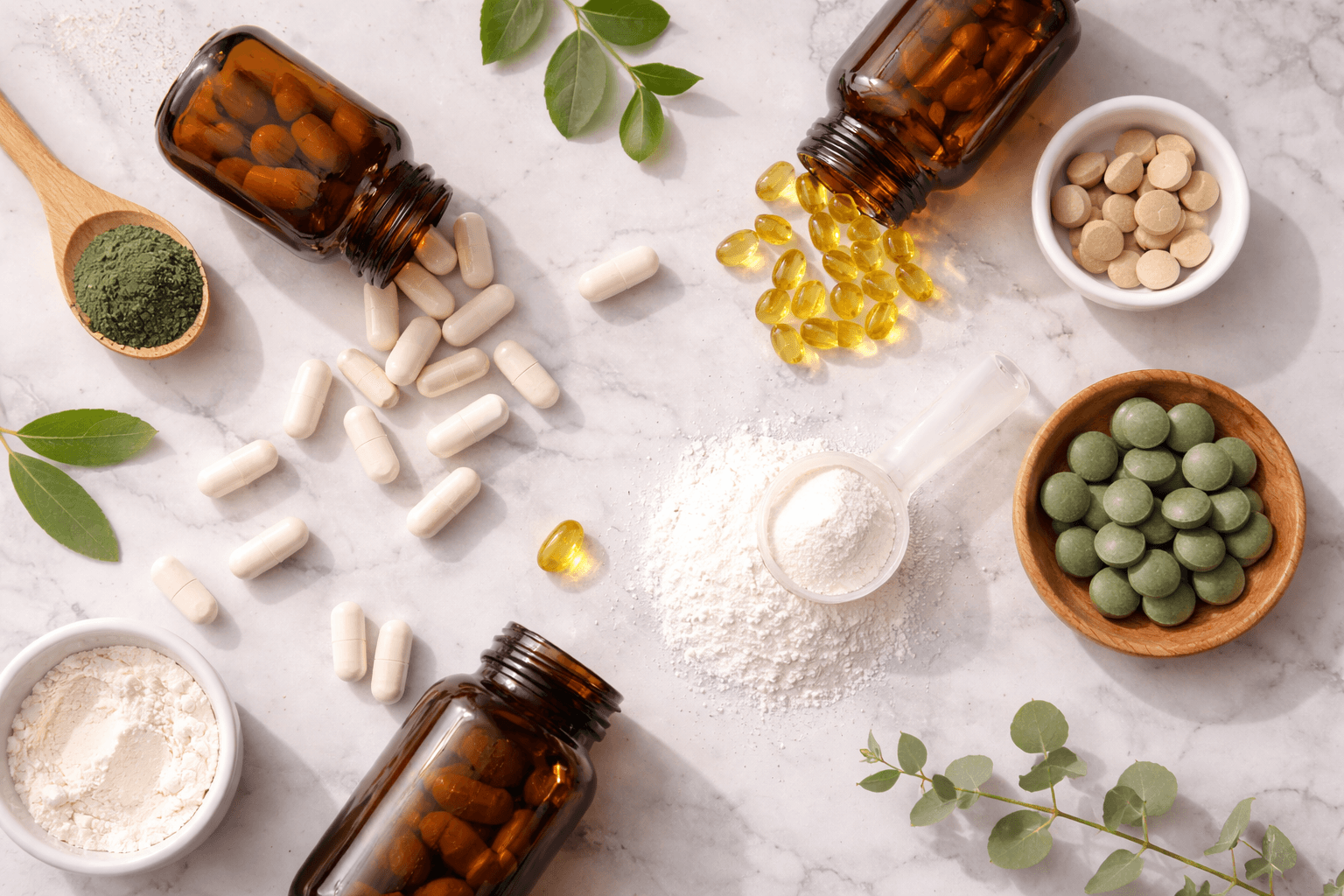
Hydrolyzed collagen (also called collagen peptides) is bovine or marine collagen that has been broken down into short peptide chains of 2-10 amino acids. After ingestion, it's digested in the stomach and small intestine like any other dietary protein — broken down into individual amino acids and small di/tripeptides that are absorbed into the bloodstream. The amino acid pool then feeds normal protein synthesis throughout the body. The 'specific delivery to skin/joints' claim in marketing is largely overstated; what's true is that you're adding glycine + proline-heavy amino acids to the body's general amino acid pool.
Understanding what collagen actually is helps the safety analysis. It's not a botanical extract, a synthesized molecule, or a vitamin/mineral. It's protein — specifically, the most abundant protein in mammalian bodies, comprising about 30% of total protein mass. When you supplement collagen peptides, you're ingesting hydrolyzed protein that gets digested into the same amino acids you'd get from bone broth, gelatin, slow-cooked meats, or any other collagen-rich food.
The marketing claim that collagen peptides are "specifically delivered to skin and joints" is overstated. After digestion, your body uses the amino acids wherever they're needed — including ramping up overall protein synthesis, which is something pregnancy increases demand for anyway. The American College of Obstetricians and Gynecologists recommends approximately 1.1 g protein/kg body weight per day during pregnancy, which is about 25% higher than baseline. Adding collagen peptides to total daily protein intake is mechanistically similar to adding any other dietary protein source.
For the comparison of forms (bovine vs marine), see our marine vs bovine collagen comparison. Both digest similarly; the practical differences are cost, allergen profile, and amino-acid emphasis.
Pregnancy-specific safety considerations to discuss with your OB
Quick answer
Useful discussion points: (1) Heavy metals — collagen is generally tested for lead, cadmium, mercury but third-party testing varies; pregnancy is more sensitive to heavy metal exposure, so ask for third-party-tested brands. (2) Source allergens — marine collagen can trigger fish allergies; bovine has theoretical (very low) BSE concern from non-grass-fed sources. (3) Added ingredients — many collagen products include herbs (ashwagandha, turmeric, hyaluronic acid) that may have pregnancy-specific guidance. (4) Total protein intake — adding 20g/day collagen on top of an adequate-protein diet is fine; adding to inadequate baseline may not be the right intervention. (5) First-trimester sensitivity — some OBs prefer minimizing non-essential supplements in T1 even if mechanistically safe.
The heavy-metals question is where pregnant users should be most careful. Collagen is sourced from animal connective tissue, which can bioaccumulate trace heavy metals. Reputable manufacturers test for lead, cadmium, mercury, and arsenic — but third-party testing standards vary. For pregnancy, the FDA's Closer to Zero initiative (which targets heavy metals in baby food and supplements consumed by pregnant women) is the relevant regulatory frame. Brands that publish third-party Certificate of Analysis (COA) data are preferable.
The added-ingredients question is often where the real pregnancy concern lies. Plain collagen peptides are essentially food. But many products bundle collagen with adaptogens (ashwagandha), botanicals (turmeric extract, biotin), or other ingredients that DO have pregnancy-specific guidance. Always read the full supplement facts panel, not just the "collagen peptides 20g" headline number.
The first-trimester sensitivity question is worth discussing with your provider. Some OBs follow a general principle of "minimize non-essential supplements during weeks 6-12" (the major organogenesis window) regardless of mechanistic safety. This isn't because collagen is harmful — it's general clinical conservatism during the most teratogen-sensitive window. Your OB's preference here is individual.
Is collagen safe while breastfeeding?
Quick answer
The mechanistic safety analysis for breastfeeding is similar to pregnancy: hydrolyzed collagen is digested into amino acids, which are then used by the body for normal protein synthesis. Lactation increases protein requirements by about 25g/day above baseline, so additional protein from collagen peptides fits within normal nutritional needs. As with pregnancy, the practical concerns are: third-party-tested heavy metals, attention to bundled herbs/botanicals, and individual discussion with your provider. The American College of Obstetricians and Gynecologists has no specific contraindication on hydrolyzed collagen during lactation.
The breastfeeding safety analysis is generally less conservative than pregnancy because the fetal-development window has passed. Anything that's well-digested into amino acids and recombined into normal proteins has little plausible pathway to harm the infant via breast milk. The breast milk amino acid profile is regulated by maternal metabolism, not by individual dietary protein sources.
That said, the same caveats apply: read the full ingredient panel of whatever collagen product you choose, prefer brands with third-party heavy metal testing, and discuss with your lactation consultant or OB if you have any specific concerns.
The bottom line
Quick answer
There's no universal yes/no answer. The mechanistic safety profile is reassuring, hydrolyzed collagen has FDA GRAS status, the amino acid profile overlaps with normal pregnancy protein needs, and there's no documented adverse pregnancy signal in surveillance data. But there are no pregnancy-specific RCTs proving safety either, so the right move is to discuss with your OB and consider: do you have a specific reason for supplementing (joint pain, skin changes, inadequate dietary protein)? If yes, plain hydrolyzed collagen from a third-party-tested brand without added botanicals is the conservative choice. If you're supplementing for general wellness, focus on whole-food protein sources during pregnancy and revisit collagen post-partum if you want.
The honest summary: most evidence suggests plain hydrolyzed collagen is mechanistically safe during pregnancy, but the absence of pregnancy-specific RCTs means we can't make a blanket "proven safe" claim. The decision is yours and your provider's — based on your specific situation, your priorities, and the product you're considering.
If you do decide to supplement, the conservative approach is: plain hydrolyzed collagen peptides (no added herbs/adaptogens), from a brand that publishes third-party heavy-metal testing, at a dose that brings your total daily protein intake into the ACOG-recommended range (~1.1 g/kg body weight) without exceeding it. See our collagen supplement guide for third-party-tested brands.
GiftedPicks Editorial Team
Product Research & Editorial
The GiftedPicks editorial team researches thousands of Amazon products, analyzes customer review patterns, cross-references clinical studies and community recommendations, and writes original editorial content for every list. We never accept payment from brands for placement or ranking.