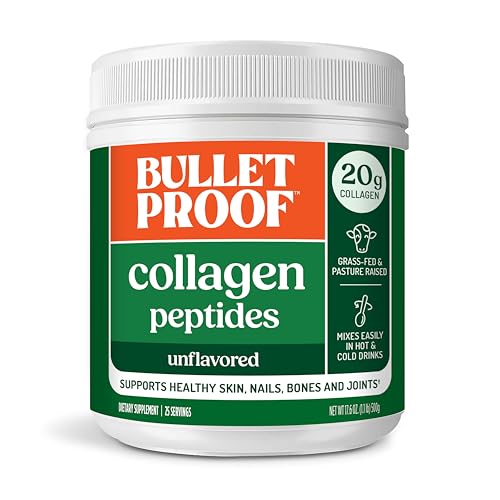


The complete collagen buyer's guide
Collagen supplementation is one of those categories where the marketing has gotten ahead of what the research actually supports — but the underlying science for the supported claims is genuinely solid. This guide explains what collagen does (and doesn't do), how to pick the right product for your situation, and which mistakes neutralize the benefit even with the best supplement.
Hydrolyzed peptides vs collagen protein vs gelatin — what's the difference?
Hydrolyzed collagen (also called collagen peptides) is collagen broken down into smaller peptide fragments via enzymatic hydrolysis. This processing makes the peptides small enough to absorb intact through the gut wall and signal to fibroblasts (Watanabe-Kamiyama 2010). Collagen protein (unprocessed) is much harder to absorb — most just gets broken into amino acids like any other protein. Gelatin is partially-hydrolyzed collagen and has some bioactivity but less than fully hydrolyzed peptides. For supplementation, you almost always want hydrolyzed peptides — that's the form used in nearly every positive RCT.
Type I, II, III, V, X — which collagen type matters for my goals?
Type I and III are the dominant collagens in skin, hair, nails, and tendons — these are what most "collagen for beauty" supplements deliver. Type II is the dominant collagen in cartilage and is what joint-focused supplements use. Type V is in cell membranes and certain hair follicles. Type X is in bone matrix. For skin/beauty goals, Type I/III is sufficient. For joint goals, you want Type II (often delivered as undenatured collagen or as part of a multi-collagen blend like Ancient Nutrition). The multi-collagen approach (5-type blend) covers all bases at once and is the right pick if you have multiple goals.
How much collagen do I need per day?
The Proksch 2014 trial showed effect at 2.5g daily for skin. Clark 2008 used 10g daily for joint pain in athletes. Most premium hydrolyzed peptide products provide 12-20g per scoop — well above the minimum effective dose. If you're primarily targeting skin, 5-10g is plenty. If you're targeting joints or recovery, 10-20g is appropriate. More isn't necessarily better — the body uses what it needs, and excess just gets metabolized as protein.
Does timing matter — morning, evening, with food, on an empty stomach?
Less than the marketing claims. Hydrolyzed peptides absorb well regardless of timing. Some studies suggest taking with vitamin C (at any time of day) improves utilization since vitamin C is required for collagen synthesis. Pre-workout and post-workout timing is sometimes claimed for joint benefits but the evidence for specific timing windows is weak. Pick a time you'll consistently remember — consistency matters far more than precise timing.
How long until I see results?
Skin elasticity improvements showed up at 4 weeks in the Proksch trial. Joint pain improvements showed up at 12-24 weeks in the Clark trial. Hair and nail effects are typically reported at 12+ weeks. Don't judge collagen supplementation in less than 4 weeks of consistent daily use, and don't expect joint changes inside of 3 months. Set the right expectations and stick with it.
Vegan alternatives — what works?
True collagen is animal-derived (it's a protein found only in animals). "Vegan collagen" supplements provide the precursor amino acids and cofactors (glycine, proline, vitamin C, copper, zinc) the body needs to synthesize its own collagen — they don't deliver collagen directly. The evidence for this approach is weaker than for actual hydrolyzed collagen, but it's the only option for vegans and the precursor approach does provide some support for endogenous collagen production.