Dry Scooping Pre-Workout Sent People to the ER — Here Are Safer Alternatives That Actually Hit Harder
The dry-scooping trend on TikTok is a textbook case of "this looks cool on video but is actually a great way to end up in the emergency room." We're not exaggerating—people have had cardiac events from dry-scooping pre-workout powder. Some have aspirated it into their lungs. And the wildest part? Dry-scooping doesn't even work better than mixing it normally. It just looks more intense on TikTok.
What Exactly Is Dry Scooping and Why Is It Dangerous?
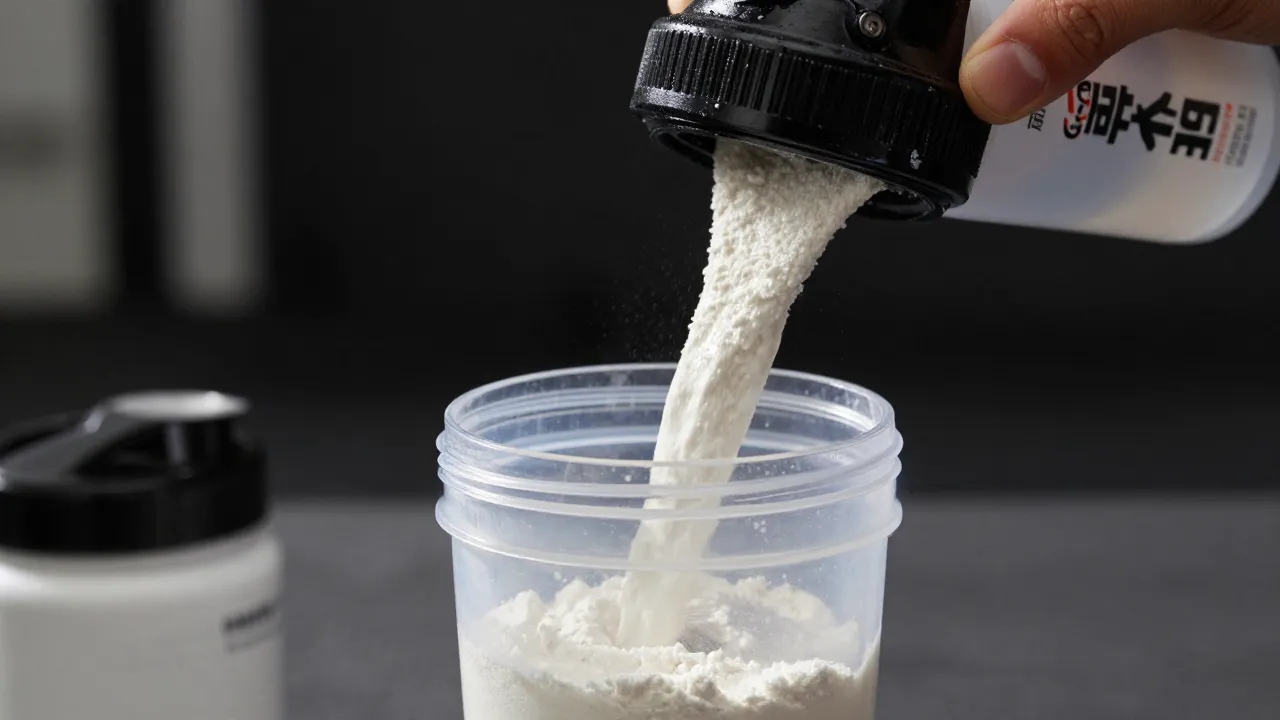
Dry-scooping is exactly what it sounds like: dumping a scoop of pre-workout powder directly into your mouth (dry, no water) and then either swallowing it or chasing it with water. The idea is that you absorb it faster, get a quicker buzz, and look cooler doing it.
None of those things are true. Here's what actually happens:
1. Caffeine Shock to Your Cardiovascular System
A typical pre-workout scoop has 150–300mg of caffeine, sometimes more. When you dry-scoop it, your mouth and esophagus don't dilute it. All of that caffeine hits your stomach and bloodstream in a concentrated bolus instead of being dispersed over 5–10 minutes like a normal drink would.
Your heart responds immediately with arrhythmia (irregular heartbeat), palpitations, and sometimes full cardiac events. Documented cases exist of young, healthy people getting tachycardia (heart rate 150+) and ending up in the ER from a single dry-scoop. Some cases have gone worse.
2. Aspiration Pneumonia (Breathing It In)
Pre-workout powder is fine powder. If you breathe in while you have it in your mouth (which is easy to do by accident), it gets aspirated into your lungs instead of your esophagus. Your lungs are not designed to process powders. This causes inflammation, coughing fits, and in severe cases, aspiration pneumonia—an infection that can require hospitalization.
3. Choking Risk (Obvious but Real)
A scoop of powder is a lot of material. Even if you swallow it, the dry powder can form a bolus (a ball) in your esophagus that's hard to swallow. People have choked. It's not common but it happens.
4. You Get No Performance Benefit
This is the worst part: the "faster absorption" claim is completely false. Pre-workout ingredients (caffeine, beta-alanine, citrulline) don't absorb faster when you dry-scoop them. In fact, they might absorb slower because your GI tract is irritated. The subjective "feel" of a faster buzz is pure placebo—you feel something because you're stressed about what you just did, not because it's working better.
A properly mixed pre-workout drink taken 30 minutes before your workout will hit exactly the same and hit consistently. You don't get any gain from dry-scooping. You just get risk.
Documented Cases: Why This Isn't Theoretical
In 2020–2021, dry-scooping exploded on TikTok as a trend. Poison control and emergency departments started seeing spikes in pre-workout-related incidents. People reported:
- Heart palpitations and arrhythmia requiring EKG monitoring
- Severe coughing and respiratory distress from powder aspiration
- Anxiety and panic attacks from the extreme caffeine spike
- Seizures in a small number of cases (likely from combination of caffeine + pre-existing conditions)
The common thread: all of these people were healthy before dry-scooping. The powder caused the problems.
Why This Became a Trend (And Why It's Stupid)
TikTok loves extreme behavior. Dry-scooping looks hard, looks intense, and generates engagement (especially comments from people saying "that's dangerous"). So creators kept doing it, other people copied it, and suddenly it's normalized.
The psychology is interesting: people think doing something extreme = getting extreme results. But that's not how pharmacology works. Caffeine absorption is governed by your GI tract's physiology, not by how tough you look doing it.
You're not getting extra gains. You're just risking your health for clout.
The Better Way: Smart Pre-Workout Protocol
Here's what actually works:
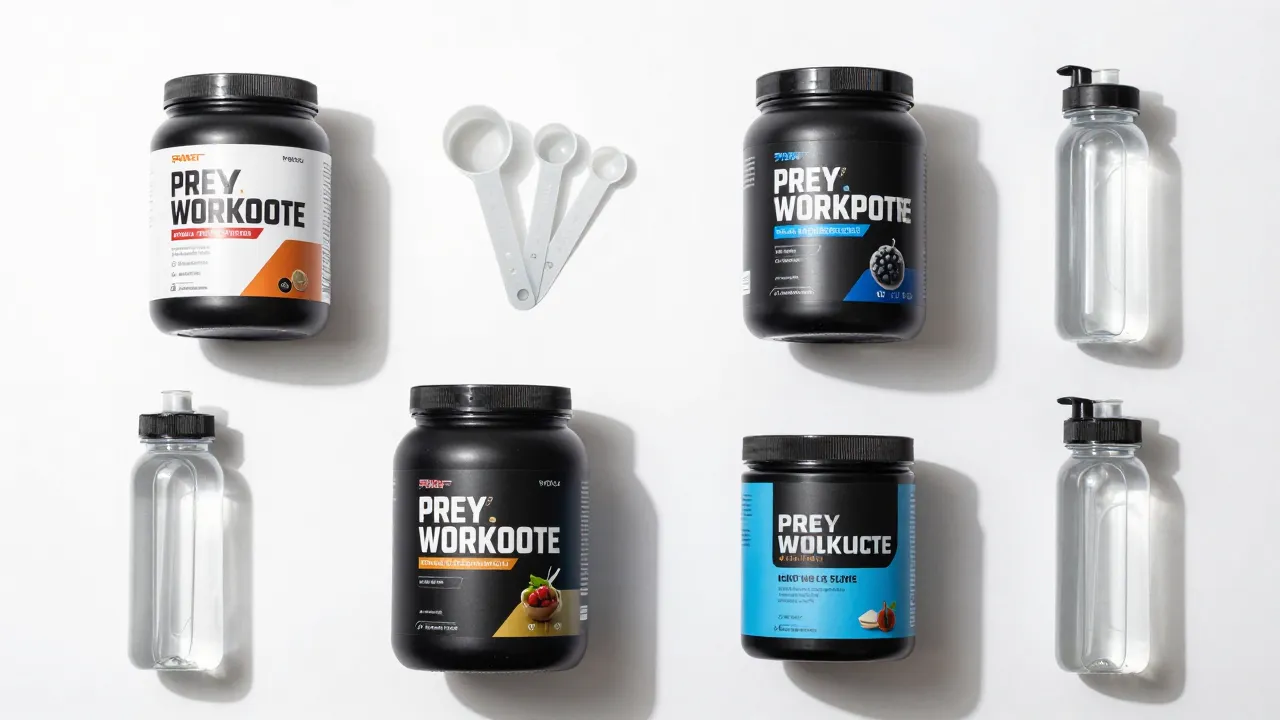
Proper mixing (30 minutes before training): Mix your pre-workout with 8–12oz of water and drink it slowly over 5 minutes. The water dilutes the caffeine so it enters your bloodstream gradually. You get consistent energy without the shock.
Know your dose: Read the label. Most pre-workouts are dosed for 150–200mg caffeine per scoop. If you're new to stimulants, take half a scoop. Your tolerance will adjust.
Use RTD drinks (ready-to-drink): If you want to remove all temptation and risk, just buy pre-workout in liquid form. Grab a can, drink it, no mixing, no dry-scooping possibility.
Timing matters more than intensity: The pre-workout should hit 20–30 minutes before your workout starts. This is when caffeine and other compounds are in your bloodstream and peak blood flow occurs. Taking it 5 minutes before your set doesn't work as well.
The Safest Option: Ready-to-Drink Pre-Workouts
If you're concerned about doing anything risky, just buy RTD (ready-to-drink) pre-workout. It's premixed, the dose is controlled, and you literally cannot dry-scoop a liquid. Cost-per-dose is higher than powder, but you remove the behavioral risk entirely.
For a lot of people, this is worth the extra money. You get consistency, convenience, and zero risk of poor mixing or bad decisions.
The Formula That Actually Matters
If you're choosing a pre-workout, forget the marketing claims and look for these ingredients at research-backed doses:
- Caffeine: 150–250mg (proven performance enhancer, safe at this dose if mixed properly)
- Citrulline malate: 6–8g (increases blood flow and endurance)
- Beta-alanine: 3–5g (buffers lactic acid, improves high-rep performance)
- Creatine monohydrate: 3–5g (proven strength and muscle-building aid)
- Betaine: 2–3g (synergizes with creatine, improves strength)
If your pre-workout has these at these doses, it will work. If it's missing some or under-dosed, the brand is cutting corners to lower cost.
The Real Talk: Safety Is Not Boring
Taking pre-workout the normal way (mixed with water, timed 30 minutes before your workout) is not less intense or effective. It's just less photogenic on TikTok. You'll get the exact same performance boost, the exact same energy, and you won't risk your health.
Gains come from training consistently, eating properly, and sleeping enough. Pre-workout is just a supplement to help you do that training better. It's not where the magic happens. Don't compromise your safety for something that doesn't even improve the benefit.
Buy a quality pre-workout, mix it properly, and get to work. That's the actual flex.