



The complete indie sleaze + Y2K aesthetic guide
Indie sleaze and Y2K aren't just Pinterest aesthetic tags — they're documented cultural moments with specific visual conventions, music adjacencies, and product signifiers. The current revival is real (Vox 2022, The Cut 2022, NYT 2023 all covered it as a documented trend) and the aesthetic-board buyer intent on Pinterest in 2024-2026 is genuinely high-value if you're building toward it.
What camera should I start with for the indie sleaze look?
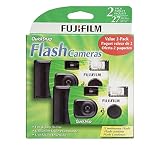
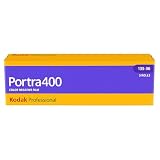
For pure indie-sleaze-circa-2008 authenticity: a Fujifilm QuickSnap or Kodak FunSaver disposable. The format constraints (fixed flash, fixed focus, single-use, hard-coded ISO 400 film) mechanically force you into the right shooting habits. For ongoing use without going broke: the Kodak Ektar H35 half-frame 35mm. Same film type and aesthetic, but reusable, and the half-frame format gives you 72 exposures per roll instead of 36 — which is the practical answer to "film is too expensive to shoot casually." The H35N is the H35's upgraded sibling with a star filter (for the streaky-light effect around bare bulbs and concert lights) and a bulb function for longer exposures — worth the extra $30 if you'll shoot at events with low-light conditions.
What's the difference between indie sleaze and Y2K aesthetic?
Indie sleaze refers to a specific 2006-2012 downtown party scene documented by photographers like the Cobrasnake — gritty flash photography, music adjacencies (The Strokes, MGMT, Sky Ferreira), and a specific visual signature (harsh on-camera flash, grain, motion blur, subjects unposed and intoxicated). Y2K aesthetic is broader and earlier (1999-2004) — it's the visual culture surrounding the year-2000 transition (low-rise jeans, baby tees, butterfly clips, narrow tinted sunglasses, frosted lips, chrome and translucent plastic). The two overlap because both involve party photography and pre-smartphone documentation, but indie sleaze is more specifically a photography aesthetic while Y2K is more broadly a fashion + design aesthetic. Most Pinterest moodboards use them somewhat interchangeably; for accuracy, use indie sleaze for the photography style and Y2K for the wardrobe and design language.
Why is film grain back? Doesn't digital look better?
Film grain's revival is part of a larger reaction against the "over-perfect" quality of modern smartphone photography. Smartphones produce technically excellent images — high dynamic range, low noise, computational HDR — but those images often feel synthetic or flattened in a way that film, with its physical grain texture and slightly imperfect color science, doesn't. There's also a generational element: Gen Z grew up with digital and is rediscovering film as a novelty, while millennials remember disposable cameras at parties as their canonical photography format. The "digital looks better" assumption is technically true on most measurable axes, but the aesthetic value is in the imperfection — the grain, slight softness, occasional light leak, color shift, and unpredictability that digital can't convincingly fake even with film-emulation filters.
How do I style a complete Y2K outfit with these picks?
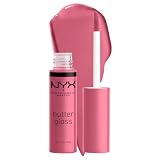
The canonical Y2K silhouette: low-rise jeans (or low-rise denim mini skirt) + the SOLY HUX baby tee (fitted, slightly cropped, slightly distressed graphic print) + JASVERLIN butterfly hair clips throughout the hair (the cluster look — 8-15 clips at once, not single-clip placement) + SOJOS narrow rectangular tinted sunglasses (either worn or pushed up on top of the head) + NYX Butter Gloss in Angel Food Cake on the lips (high shine, pinky-mauve, the wet-lip look). Optional finishing accessories: the Sony MDR-ZX110 wired headphones around the neck (the iPod-era touch), a Polaroid Now or Instax Mini 12 in hand (the camera as accessory). Outerwear options that complete the look: a light blue denim jacket, a baby-doll dress over jeans (mid-90s grunge crossover), or a velour zip-up hoodie (peak Juicy Couture-era McBling).
Common indie sleaze + Y2K aesthetic mistakes
Mistake 1: using digital filters that simulate film instead of actually shooting film. The mathematical perfection of digital + filter is recognizably different from real film grain. If you want the look, shoot the format. Mistake 2: single butterfly hair clip placement. The aesthetic is multiple clips in clusters of 8-15 — single-clip placement reads modern, not Y2K. Mistake 3: oversized baby tees. The Y2K silhouette is FITTED, slightly cropped — oversized graphic tees are a 2010s aesthetic. Mistake 4: matte lips. The 2000s lip is glossy, sticky-looking, pigmented — matte lips are a 2010s+ aesthetic. Mistake 5: confusing indie sleaze with grunge. Indie sleaze is mid-2000s downtown party photography; grunge is early-90s Pacific Northwest subculture. They overlap (Y2K grunge is a real hybrid) but they're distinct. Mistake 6: skipping the camera entirely. The aesthetic is photographic at its core — you can wear the wardrobe correctly, but without the right photo format (film or instant), the documented output won't read as the aesthetic.