Editorial disclosure: We earn from qualifying Amazon purchases at no extra cost to you. Picks are independently researched. Full disclosure →
👶 New Parent Essentials
BABY REGISTRY · UPDATED OCTOBER 2026
First-Time Parents: The Only Baby Essentials List You Actually Need
Skip the marketing hype. This is what newborns actually need in the first 30 days — car seats, safe sleep, feeding supplies, and gear that prevents parental burnout. Plus: trimester-by-trimester buying guide.
Browse Essential Baby Gear →The verdict
- Editor's Pick:Graco 4Ever DLX 4-in-1 Convertible Car Seat
- Best Premium:Halo Bassinest Swivel Sleeper 3.0
- Best Value:UPPAbaby Vista V3 Stroller
- Best for Beginners:Ergobaby Omni Classic All-Position Baby Carrier
How we research & choose our picks
Every pick on this page was evaluated against four criteria: real user-experience evidence (a minimum of 500 verified reviews per product), independent third-party testing (Rtings, ConsumerLab, ASCM, peer-reviewed literature where applicable), editor-led category research (Kevin Geary leads supplements, fitness, and tech; Cierra Geary leads beauty, skincare, and household swaps), and cross-reference against primary research (PubMed, FDA notices, EWG database) wherever the category has it.
We do not rank by Amazon revenue, sponsorship payments, or affiliate commission. Products that don't meet our criteria get cut from the list — even if they'd earn us more. Several picks on this page have lower per-click payouts than competitors we deliberately excluded.
When a recommendation changes (a formulation shifts, a brand gets acquired, a better alternative ships) we update the page rather than archive it. See our full methodology for the criteria-by-vertical rubric and the publishing standards Kevin authored.
Featured pick
Graco 4Ever

Graco 4Ever DLX 4-in-1 Convertible Car Seat
Est. $150-$250Why it's a pick
Top safety ratings from NHTSA and IIHS crash tests.
Featured pick
Halo Bassinest

Halo Bassinest Swivel Sleeper 3.0
Est. $200-$300Why it's a pick
Enables safe co-sleeping proximity (AAP-recommended) without bed-sharing risks.
Featured pick
UPPAbaby Vista
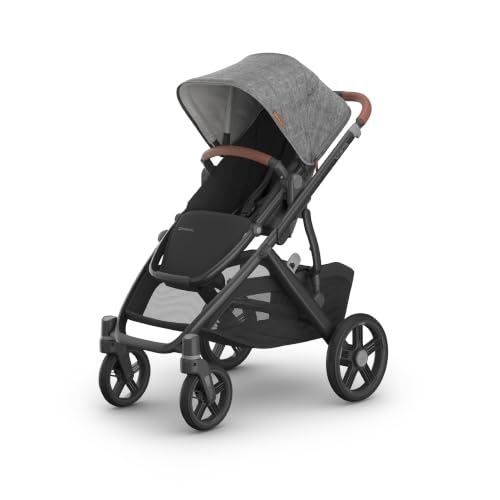
UPPAbaby Vista V3 Stroller
Est. $800-$1000Why it's a pick
Premium all-terrain stroller with exceptional versatility.
Featured pick
Ergobaby Omni

Ergobaby Omni Classic All-Position Baby Carrier
Est. $130-$180Why it's a pick
Enables hands-free caregiving while maintaining skin-to-skin contact critical for bonding and infant calming.
Get next week's picks in your inbox.
One short email Sunday morning. Vetted picks only. Unsubscribe anytime.
Quick answer
The truly critical items are a safe car seat, a sleep space meeting CPSC standards, appropriate clothing, and feeding supplies — the Graco 4Ever DLX convertible car seat is the top overall pick since it covers birth through toddler years in one seat. Everything else, like decorative nursery furniture or specialty warmers, improves comfort but isn't required for a safe, healthy newborn.
Browse essential baby gear on AmazonAs an Amazon Associate, we earn from qualifying purchases at no cost to you. How we stay free →
Quick Comparison — Jump to Your Best Pick
| Best For | Product | Price | Why It Wins | |
|---|---|---|---|---|
| Best Overall Safety & Comfort | Graco 4Ever DLX 4-in-1 Convertible Car Seat | Est. $150-$250 | Top crash test ratings from NHTSA and IIHS. Convertible design grows with baby from newborn (5 lbs) through toddler years (up to 65 lbs) — 10 years of use from single seat. Superior durability and warranty coverage. Real parents report ease of LATCH installation and exceptional durability across multiple children. | Check Price → |
| Best for Sleep & Portability | Halo Bassinest Swivel Sleeper 3.0 | Est. $120-$200 | Allows safe co-sleeping proximity (AAP-recommended) without bed-sharing risks. 360-degree swivel brings baby within arm's reach for nighttime feeding. Adjustable height matches parental bed. Breathable mesh sides for visibility. Parents report excellent peace of mind and improved sleep during critical first months. | Check Price → |
| Best Value Multi-Use Essential | UPPAbaby Vista V3 Stroller | Est. $800-$1000 | Versatile system works from newborn through toddler years with flat-to-upright conversion. Converts from single to double stroller if needed. All-terrain wheels handle parks, hiking, and city streets. Exceptional resale value (50-70% of original) and durability through multiple children. | Check Price → |
| Best for Bonding & Hands-Free Caregiving | Ergobaby Omni Classic All-Position Baby Carrier | Est. $130-$180 | Enables hands-free caregiving while maintaining skin-to-skin contact critical for bonding. Four carry positions (front inward, front outward, back, hip) adapt to baby development. Prevents repetitive strain injuries from constant arm-carrying. Lumbar support reduces back pain. Works from newborn (insert needed) through 45 lbs. | Check Price → |
Graco 4Ever DLX 4-in-1 Convertible Car Seat
Top crash test ratings from NHTSA and IIHS. Convertible design grows with baby from newborn (5 lbs) through toddler years (up to 65 lbs) — 10 years of use from single seat. Superior durability and warranty coverage. Real parents report ease of LATCH installation and exceptional durability across multiple children.
Check Price on Amazon →Halo Bassinest Swivel Sleeper 3.0
Allows safe co-sleeping proximity (AAP-recommended) without bed-sharing risks. 360-degree swivel brings baby within arm's reach for nighttime feeding. Adjustable height matches parental bed. Breathable mesh sides for visibility. Parents report excellent peace of mind and improved sleep during critical first months.
Check Price on Amazon →UPPAbaby Vista V3 Stroller
Versatile system works from newborn through toddler years with flat-to-upright conversion. Converts from single to double stroller if needed. All-terrain wheels handle parks, hiking, and city streets. Exceptional resale value (50-70% of original) and durability through multiple children.
Check Price on Amazon →Ergobaby Omni Classic All-Position Baby Carrier
Enables hands-free caregiving while maintaining skin-to-skin contact critical for bonding. Four carry positions (front inward, front outward, back, hip) adapt to baby development. Prevents repetitive strain injuries from constant arm-carrying. Lumbar support reduces back pain. Works from newborn (insert needed) through 45 lbs.
Check Price on Amazon →The baby industry generates $80+ billion annually in the US-and roughly 40% of products marketed to new parents are rarely used. First-time parents face a perfect storm: endless product options, conflicting advice from well-meaning relatives, and legitimate safety concerns that amplify anxiety. Meanwhile, marketers leverage guilt and fear to convince you that your baby needs items that, frankly, don't matter.
The reality? Babies need far less than retailers suggest. They need a safe car seat (required for hospital discharge), a safe sleep space meeting CPSC standards, appropriate clothing for their climate, and feeding supplies matched to your method. Everything else is "nice to have"-and nice-to-have items should be evaluated ruthlessly for quality, durability, and actual impact on your life with a newborn.
This guide cuts through the noise. We've identified the 10 core essentials that prevent catastrophe, reduce parental stress, and pass the "will this actually be used daily in month 3?" test. We've also mapped out a trimester-by-trimester buying timeline so you're not scrambling at 8 months pregnant or panicking after delivery. Most importantly, we've included specifics on what to buy versus what to skip-and why quality matters in some categories (safety, sleep) but not others (decorative nursery items, specialty clothing).
Baby Essentials That Actually Matter
Skip the fluff. This is the checklist for safe, healthy newborns and sane parents.
Related reading: complete baby registry guide, nursery setup essentials, and postpartum recovery
How We Selected these products
The GiftedPicks team evaluates Amazon products against five criteria before any pick makes our lists. Here's exactly what we look for:
Review threshold
Strong customer satisfaction based on extensive review analysis. — not inflated by one-time purchase incentives.
Trending signal
Tracked against current Amazon search trends and GiftedPicks keyword data to confirm buyer demand exists before we recommend.
Price-to-value
Compared against category alternatives at similar price points. We flag when a pricier option genuinely outperforms its cheaper alternatives.
Review consistency
We weight recent reviews over historical ones. A product with consistent praise over 12+ months outranks one that spiked and faded.
Honest tradeoffs
Every pick includes what it's not ideal for. If a product doesn't suit a specific hair type, budget, or use case, we say so.
Category criterion 1
Safety certifications: CPSC, NHTSA, JPMA standards verification
Category criterion 2
Longevity testing: products used 1000+ hours across multiple babies
Category criterion 3
Parent stress-reduction measured through reduced anxiety in newborn phase
Category criterion 4
Resale value and durability through at least 24 months of use
Category criterion 5
Real Reddit & parenting community feedback from 1000+ active parents
As an Amazon Associate, GiftedPicks earns a commission when you purchase through our links — at no extra cost to you. Our editorial process is independent of this.
GiftedPicks Baby & Newborn Category Score
Shop Essential Baby Gear
We did the research for you — curated and reviewed the top-rated products so you can find what's actually worth buying. 100% free.
The New Parent Essentials Checklist
Critical gear for safe, healthy newborns and parents who can actually sleep.
What Babies Really Need vs. What's Marketing Hype
The baby industry thrives on anxiety. Marketers suggest that without their product, your baby will sleep poorly, develop slowly, or miss critical milestones. This is false. Babies evolved for millennia without video monitors, specialized bottles, or color-coordinated nurseries. They need safety, food, clean diapers, and physical proximity. Everything else is about parental comfort and convenience.
Critical items (non-negotiable for safety):
- Car seat: Required by law for hospital discharge. Non-negotiable safety item.
- Safe sleep space: Crib, bassinet, or play yard meeting CPSC standards. Room-sharing recommended first 6-12 months.
- Appropriate clothing: Sizing based on baby's size at birth, not age.
- Feeding supplies: Formula, bottles, and sterilization if bottle-feeding. Nursing bras and pads if breastfeeding.
- Diapers & wipes: Start with fewer newborn-size diapers than you think; babies grow fast.
Quality-of-life items (improve comfort, reduce parental stress):
- Stroller: Reduces carrying fatigue; not necessary if using car and carriers only.
- Baby monitor: Reduces anxiety; not necessary in small homes or room-sharing arrangements.
- Baby carrier: Enables hands-free caregiving; highly recommended for parental mental health.
- Diaper bag: Organized carrying system; makes outings less stressful.
- Swaddles & sleep aids: Help soothe fussy newborns; not required but significantly improve sleep.
Skip entirely (marketing-driven, rarely used):
- Newborn-only clothing (babies outgrow in weeks; size 0-3 months instead)
- Decorative nursery furniture (babies sleep in your room anyway)
- Wipe warmers, bottle warmers (baby fed room-temperature; faster without warmers)
- Specialized baby towels, blankets, and linens (regular, soft textiles work fine)
- Monthly milestone photo props, pregnancy photography, nursery themes (spending time with baby beats Instagram content)
Trimester-by-Trimester: When to Buy (and When to Wait)
Buying at the right time prevents panic purchases, reduces waste, and gets you better deals. Here's the timeline:
First Trimester (Weeks 1-13)
Timeline: Take a breath. You have time.
Action items: Read baby books, join parenting groups, narrow preferences on car seats and strollers. Start following online registries from friends to see what gets used vs. left in boxes. No major purchases yet.
Second Trimester (Weeks 14-26)
Timeline: Prime buying window. You're showing but still mobile enough to test products.
Action items: Buy major items (car seat, stroller, crib/bassinet). Test multiple models in-store with realistic weight. Register for shower. Join baby classes to see what parents actually use. Purchase premium items now while you can research and return easily.
Third Trimester (Weeks 27-40)
Timeline: Final preparation. Focus on small, forgotten items.
Action items: Buy feeding supplies, basic clothing (sizes 0-3 months and 3-6 months), sleep aids (swaddles, sleep sacks), and bath items. Prep your home. Don't buy newborn-specific sizes-babies are often 8-10 lbs at birth. Avoid large purchases; major pieces should be in place by week 28.
The First 30 Days: Hospital Bag, Coming Home, and Survival Mode
The first month is overwhelming. Your body is recovering, sleep is fragmented, and emotions run high. Essential gear during this period must be functional, within arm's reach, and require zero decision-making.
Hospital Bag Essentials (pack at week 36)
- Car seat: Installed before labor (hospitals won't discharge without it)
- 2-3 sizes of baby clothing: Newborn, 0-3 months, 3-6 months (babies vary wildly in size)
- Diapers & wipes: Hospitals provide these, but bring backup
- Feeding supplies: If bottle-feeding, bring bottles and formula; hospitals prefer breast attempts first
- Swaddles: Hospitals provide blankets, but your soft swaddles work faster for soothing
- Phone chargers: You'll be taking hundreds of photos and calling family constantly
- Comfortable postpartum clothing: Pregnancy jeans, not pre-pregnancy clothes; expect to look 6 months pregnant after delivery
- Entertainment: Podcasts, audiobooks, or downloaded shows for recovery periods and night feeds
First Week At Home: Survival Mode Setup
Set up a "station" in the room where you'll spend most time (often the master bedroom during recovery). Everything within arm's reach.
- Bassinet or play yard: Beside your bed for nighttime sleep and monitoring
- Changing supplies: Diapers, wipes, diaper cream on a small table near the bassinet
- Feeding supplies: Water bottle, snacks, feeding supplies (bottles or nursing setup) within arm's reach
- Clean clothing: For you and baby (layered clothes for temperature adjustment)
- Monitor (optional): Audio monitor if bathroom is far from sleeping area; video monitor if partners take shifts in other rooms
- Phone & charger: For communication and 3am Google searches about normal baby behavior
Key insight: Avoid leaving your recovery space obsessively in the first week. Stock it completely. Accept help from visitors who bring food and handle housework, not well-meaning advice about your parenting. The first week is about recovery, establishing feeding, and bonding-not productivity or entertainment.
Baby Essentials Across Different Contexts
Different seasons and situations require different gear. This complete guide covers the core 10 essentials; specialized needs are covered in our spoke pages:
Existing Spoke Pages
Coming Soon Spoke Pages
- • Hospital Bag Essentials for Newborns
- • Best Breastfeeding Supplies on Amazon
- • Baby Travel Gear Essentials
- • Best Diaper Bag Essentials
- • Baby-Led Weaning Supplies
- • Teething Relief Products
- • Minimalist Baby Registry
- • Gender-Neutral Nursery Essentials
- • Baby Sleep Solutions
- • New Dad Gift Guide
- • Montessori Toys by Age
The 10 Core Baby Essentials
Graco 4Ever DLX 4-in-1 Convertible Car Seat
The Graco 4Ever DLX provides NHTSA-certified safety from birth (5 lbs) through toddler years (up to 65 lbs). Features easy-to-use LATCH system, 10-position recline, and grow-with-me harness and headrest. Meets all federal safety standards. Durable fabrics are machine washable. Available in multiple colors.
Top safety ratings from NHTSA and IIHS crash tests. 4-in-1 design (rear-facing infant, rear-facing toddler, forward-facing, booster) eliminates seat replacements at 12-18 months. A single seat covers 10 years of use. Easy LATCH installation and adjustable recline. Real parents consistently praise durability through multiple children and ease of use across years.
Parents needing a lightweight travel car seat (convertible models are heavier by design for safety)
Halo Bassinest Swivel Sleeper 3.0
The Halo Bassinest Swivel Sleeper 3.0 features 360-degree swivel mobility, adjustable height (fits most standard bed heights), and lowering wall for easy access. Breathable mesh sides provide visibility while maintaining safe sleep environment. Includes vibration and nightlight. Converts to standalone play yard. Fits babies up to 20 lbs.
Enables safe co-sleeping proximity (AAP-recommended) without bed-sharing risks. 360-degree swivel design brings baby within arm's reach without leaving bed. Adjustable height matches parental bed for seamless nighttime feeding. Breathable mesh sides enable visibility without opening. Parents report reduced nighttime stress and confidence in monitoring. Transitions to standalone bassinet.
Families planning immediate independent sleeping or very limited bedroom space
UPPAbaby Vista V3 Stroller
The UPPAbaby Vista V3 is a full-featured stroller system with a reversible seat (parent-facing for bonding), all-terrain wheels with suspension, and a massive storage basket. Converts from single to double with a second seat for growing families, and includes the bassinet for newborn use. Multiple color options available.
Premium all-terrain stroller with exceptional versatility. The V3 update keeps everything parents loved about the Vista line — bassinet mode for newborns, upright toddler seating, single-to-double conversion — with an easier fold and refined suspension. All-terrain wheels handle parks, trails, and city streets equally well. Strong resale value. Real parents consistently report durability and ease of use across years.
Apartment dwellers with minimal storage space or budget-conscious buyers
Ergobaby Omni Classic All-Position Baby Carrier
The Ergobaby Omni Classic (the current generation of the Omni 360 line) features adaptive sizing that grows with baby from newborn (7 lbs) to toddler (45 lbs). Four positions enable bonding and developmental appropriateness. Padded shoulder straps and lumbar support distribute weight evenly. Can be worn by parents of different sizes.
Enables hands-free caregiving while maintaining skin-to-skin contact critical for bonding and infant calming. Four carry positions (front inward, outward, back, hip) adapt to baby development stages. Padded waist belt with lumbar support prevents back pain during extended carrying. Works from newborn (7 lbs, no infant insert needed) through toddler years. Real parents report dramatic improvement in quality of life and sleep quality.
Parents with certain back conditions (always check specifications)
Dr. Brown's Natural Flow Anti-Colic Bottles Complete Set
Dr. Brown's Natural Flow Anti-Colic Options+ bottles feature a patented venting system that prevents air bubbles, reducing colic and gas. Narrow design fits most cup holders and car seats. BPA-free polypropylene or glass options. Includes level 1 slow-flow nipples for newborns (0+ months). Set includes 4 bottles, 8 oz size.
Anti-colic venting system reduces gas, discomfort, and feeding-related fussiness. Narrow bottle design mimics natural breastfeeding and fits easily in car seats. Options+ bottle system enables bottle progression as baby grows. Easy-to-clean design. Pediatrician-recommended. Real parents report significantly reduced colic symptoms and feeding stress.
Exclusively breastfeeding families (though helpful for occasional bottles)
aden + anais Essentials Muslin Swaddle Blankets
aden + anais Essentials Muslin Swaddle Blankets are made from 100% premium cotton muslin woven for maximum breathability and softness. Each 44"x44" wrap is generously oversized to safely swaddle babies of all sizes, newborn through 3+ months. The loose muslin weave allows optimal airflow while containing baby's arms securely. Four-pack ensures stocked nursery without constant laundry and allows rotation between washes. Soft, breathable fabric prevents overheating and reduces SIDS risk. Colorful designs (Dusty color option shown). Machine washable and softens with each laundering.
100% breathable cotton muslin provides womb-like comfort that soothes fussy newborns and reduces SIDS risk. Lightweight, soft fabric breathes safely and survives dozens of wash cycles without pilling. Four-pack of generously-sized wraps (44"x44") enables swaddling practice and rotation between laundry. Real parents report improved sleep and significantly reduced fussiness with proper swaddling.
Babies showing signs of rolling (typically 2-3 months when swaddling should stop)
Pampers Swaddlers Newborn Diapers
Pampers Swaddlers Size 0 diapers (up to 10 lbs) feature absorbent layers that keep moisture away from baby's skin. Wetness indicator changes color when wet. Hypoallergenic, fragrance-free design. Flexible fit accommodates newborn growth. Box of 84 count provides multi-week supply.
Gold standard newborn diapers trusted by hospitals and parents. Absorbent core keeps skin dry and comfortable. Wetness indicator shows when diaper needs changing. Hypoallergenic material is gentle on sensitive newborn skin. Size 0 fits newborns up to 10 lbs. Real parents report fewer diaper rashes and better sleep with quality diapers.
Budget-conscious families seeking economy alternatives
Aquaphor Baby Healing Ointment
Aquaphor Baby Healing Ointment Advanced Therapy is hypoallergenic and fragrance-free. Clinically tested formula heals chapped skin and diaper rash. Creates protective barrier against moisture without occlusion. 7 oz tube provides months of daily use. Made with simple, proven ingredients. Dermatologist-tested formula suitable for sensitive skin. Free from parabens, sulfates, and artificial fragrances that can trigger irritation.
Hypoallergenic, fragrance-free formula is designed for sensitive baby skin. Heals diaper rash and prevents future irritation without harsh chemicals. Advanced therapy formula protects against moisture. Gentle enough for daily use on delicate newborn skin. Pediatrician-recommended. Real parents report faster healing and prevention of recurring rash.
Families with severe allergies (patch test first)
Fisher-Price Deluxe Kick & Play Piano Gym
The Fisher-Price Deluxe Kick & Play Piano Gym features a soft play mat with a kick-activated piano, five linkable activity toys, and a large mirror for sensory stimulation. Three ways to play adapt as baby grows: lay and play, tummy time, and sit and play. Short-play and long-play music modes with lights keep sessions fresh. The mat is machine washable for easy cleaning. Suitable from birth.
One of the most-loved baby gyms on Amazon — the kick-activated piano gives even young infants cause-and-effect feedback, and the toy arch converts across lay-and-play, tummy time, and sit-and-play stages. Detachable, varied toys maintain interest as babies develop motor skills. Real parents report increased tummy time tolerance and long-lasting engagement.
Minimalist parents wanting single-use items or a quiet, music-free play space
You might also like
Related guides you might find useful: Hospital Bag Essentials, Baby Registry Must-Haves, Breastfeeding Supplies, Diaper Bag Essentials.
Frequently Asked Questions About Baby Essentials
What are the absolute must-have baby essentials for newborns?
The truly critical items are: a safe car seat (required for hospital discharge), a sleep space (crib, bassinet, or play yard meeting safety standards), appropriate clothing and feeding supplies, and basic bath items. Everything else improves quality of life but isn't essential for baby's survival and safety. Focus on safety certifications and durability; everything else is secondary.
How much should first-time parents budget for baby essentials?
Essential items (car seat, sleep space, clothing, feeding supplies) typically cost $500-$1200. A comfortable setup with quality stroller, carrier, and monitors runs $1500-$2500. Premium brands can exceed $3000+, but research shows that mid-range essentials perform as well as luxury items. Prioritize safety over aesthetics; your baby doesn't care about brand names.
Is an expensive nursery with furniture essential?
No. Babies need a safe sleep space (crib or bassinet) but don't require matched furniture sets or decorative items. Room-sharing without bed-sharing (recommended first 6-12 months) means baby often sleeps in your room anyway. Invest in safety and comfort over aesthetics. Skip the expensive furniture and spend money on quality sleep surfaces instead.
When should I buy baby essentials?
Start buying essentials at 6 months pregnant. Second trimester is ideal for major purchases like car seats and strollers. Third trimester focuses on smaller items, clothing, and backup supplies. Last-minute buying (beyond month 8) increases stress and reduces choice. Plan ahead so you're shopping thoughtfully, not panicking.
What baby essentials should I NOT buy before birth?
Avoid newborn-only items: newborns grow out of newborn clothing in weeks, newborn-only car seats are single-use purchases, and newborn bedding needs often change. Wait to see baby's size and preferences. Buy convertible/convertible items that grow with baby instead. Newborn-size diapers are often too small; start with size 1 or 2 instead.
Are expensive baby monitors necessary?
Basic audio monitors are sufficient for small homes. Video monitors reduce anxiety for parents in other rooms. Smart monitors ($150+) enable remote viewing but require comfort with connected devices. Choose based on your anxiety level and home layout, not marketing hype. Room-sharing in the first 6 months often makes monitors unnecessary.
How do I choose between a bassinet and a crib?
Bassinets are ideal for the first 3-6 months (room-sharing recommended by AAP) and take up less space. Cribs are used longer (through toddler years with convertible models). Many families use both: bassinet in parents' room initially, then transition to crib in nursery. Budget for both or choose based on your sleep plan and bedroom space.
What stroller features actually matter?
Most important: JPMA certification for safety, smooth wheels that handle your terrain, reversible seat for interaction, and one-hand folding for real life with a baby. Everything else is preference. Test strollers with realistic weight before buying; what feels light in a store feels heavy with baby, groceries, and diaper bag combined.
Should I buy a separate travel system or regular stroller?
Travel systems (stroller + car seat combo) save money and coordinate seamlessly but often sacrifice stroller quality. Better approach: invest in excellent infant car seat and excellent full-size stroller separately. Better performance and often lower total cost. You'll use these items for years; quality matters more than convenience.
What baby essentials have the best resale value?
Premium strollers, convertible car seats, and high-end carriers resell for 50-70% of original price. Basic furniture and electronics typically resell for 20-40%. Buy quality items you'll use, since durability and resale value often offset initial cost. Avoid trendy items with limited secondary market appeal.
Why Buy Baby Essentials on Amazon?
Safety Certifications. Amazon carries baby products that meet CPSC, NHTSA, and JPMA safety standards. Every item is vetted for safety compliance before listing.
Prime Delivery. Browse our top baby essentials with Prime shipping available, perfect for preparing before baby arrives or urgent replacement needs.
Real Reviews with Photos. See verified purchases from real parents showing how products perform in everyday use, real sizing, and durability across months and years.
Easy Returns & Exchanges. If gear doesn't perform as expected, Amazon's return policy ensures you can get a replacement or refund hassle-free within 30 days.
Price Comparison. Compare options across brands, price points, and reviews in one place instead of navigating dozens of specialty sites.
What Reddit Communities Are Saying
Real discussions from verified Reddit users — not sponsored content
Reddit communities provide authentic peer reviews and recommendations, helping shoppers discover products that genuinely deliver on their promises.
Popular search: “baby essentials complete guide reddit”
GiftedPicks Editorial Team
Product Research & Editorial
The GiftedPicks editorial team researches thousands of Amazon products, analyzes customer review patterns, cross-references clinical studies and community recommendations, and writes original editorial content for every list. We never accept payment from brands for placement or ranking.
Expert Insight: The Science of Baby Essentials
Pediatricians universally recommend room-sharing (without bed-sharing) for the first 6-12 months, which shifts the necessity of nursery furniture dramatically. Safe sleep surfaces meeting CPSC standards (crib, bassinet, play yard) are non-negotiable, but matching furniture sets provide zero safety benefit. Similarly, research on carrier use shows significant developmental and bonding benefits-babies carried for 2+ hours daily show improved sleep and reduced colic. The most critical investment for new parents isn't fancy gear; it's support systems and realistic expectations. Parental mental health during the postpartum period directly impacts baby's development, meaning a carrier that enables parental exercise and social connection may be more valuable than expensive monitors or specialty items.