Editorial disclosure: We earn from qualifying Amazon purchases at no extra cost to you. Picks are independently researched. Full disclosure →
🤱 Nursing Essentials
POSTPARTUM & NURSING · UPDATED OCTOBER 2026
Best Breastfeeding Essentials (2026): 8 First-Weeks Picks
Nursing doesn't have to hurt. The right gear transforms early breastfeeding from excruciating to manageable. Nursing bras, pumps, nipple shields, and lactation support tools-everything evidence-based for feeding success.
Shop Breastfeeding Supplies →The wireless pumping setup
The pumping setup that just works
The exact kit our team builds for pumping moms — the pump, the hands-free bra, and the small things that make it painless. Each one is below with current prices.
- Spectra S1 Plus double electric pump — hospital-grade suction, rechargeable, quiet enough for meetings
- Medela hands-free pumping bra — pump while you work; fits all major flanges
- Haakaa silicone collector — catches let-down passively, no electricity
- Medela Easy Pour storage bags — pre-sterilized, freeze up to 6 months
- Kindred Bravely Sublime nursing bra — wireless, seamless, all-day comfort
- Earth Mama nipple butter — lanolin-free, safe to feed over
The verdict
- Editor's Pick:Kindred Bravely Sublime Nursing Bra
- Best Premium:Spectra S1 Plus Electric Breast Pump
- Best Value:Medela Easy Pour Breast Milk Storage Bags (100 Count)
- Best for Beginners:Haakaa Silicone Breast Pump Manual (4oz)
How we research & choose our picks
Every pick on this page was evaluated against four criteria: real user-experience evidence (a minimum of 500 verified reviews per product), independent third-party testing (Rtings, ConsumerLab, ASCM, peer-reviewed literature where applicable), editor-led category research (Kevin Geary leads supplements, fitness, and tech; Cierra Geary leads beauty, skincare, and household swaps), and cross-reference against primary research (PubMed, FDA notices, EWG database) wherever the category has it.
We do not rank by Amazon revenue, sponsorship payments, or affiliate commission. Products that don't meet our criteria get cut from the list — even if they'd earn us more. Several picks on this page have lower per-click payouts than competitors we deliberately excluded.
When a recommendation changes (a formulation shifts, a brand gets acquired, a better alternative ships) we update the page rather than archive it. See our full methodology for the criteria-by-vertical rubric and the publishing standards Kevin authored.
Featured pick
Kindred Bravely

Kindred Bravely Sublime Nursing Bra
Est. $48-$72Why it's a pick
Seamless, adjustable construction prevents irritation on sensitive postpartum skin and sore nipples during early weeks when bra touch causes pain.
Featured pick
Spectra S1
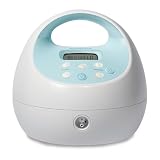
Spectra S1 Plus Electric Breast Pump
Est. $140-$180Why it's a pick
Double pumping cuts expression time significantly (critical when pumping 2-4 times daily to maintain supply).
Featured pick
Medela Easy
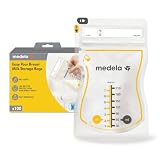
Medela Easy Pour Breast Milk Storage Bags (100 Count)
Est. $18-$28Why it's a pick
Pre-sterilized, self-standing bags eliminate contamination risk and save hours hand-washing containers versus glass bottles.
Featured pick
Haakaa Silicone
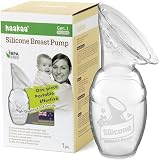
Haakaa Silicone Breast Pump Manual (4oz)
Est. $15-$25Why it's a pick
Gentle suction while nursing opposite breast catches leaked milk passively without electricity—no pumping required.
Get next week's picks in your inbox.
One short email Sunday morning. Vetted picks only. Unsubscribe anytime.
As an Amazon Associate, we earn from qualifying purchases at no cost to you. How we stay free →
Quick answer
The Kindred Bravely Sublime Nursing Bra is the top pick because its seamless, wireless construction avoids the pressure and irritation that can be especially painful during early postpartum engorgement. Real lactation consultants recommend a quality nursing bra for early feeding comfort. The tradeoff: if you specifically prefer underwire support, this bra won't offer it, since wireless design is central to why it works.
Compare all picks on AmazonQuick Comparison — Jump to Your Best Pick
| Best For | Product | Price | Why It Wins | |
|---|---|---|---|---|
| Best for Comfort & Support | Kindred Bravely Sublime Nursing Bra | Est. $48-$72 | Seamless, adjustable construction prevents irritation on sensitive postpartum skin and sore nipples. Wireless design eliminates pressure on breast tissue, critical during early milk engorgement. High-quality fabrics maintain shape through months of daily wear and repeated washing. Mothers consistently report this bra as most comfortable for extended wearing during frequent feeding sessions. Real lactation consultants recommend quality nursing bras for early feeding success. | Check Price → |
| Best for Expressing & Storage | Spectra S1 Plus Electric Breast Pump | Est. $140-$180 | Double pumping cuts expression time significantly, and rechargeable battery enables expressing anywhere (car, office, daycare). Hospital-grade suction empties breasts completely, reducing engorgement pain and supporting supply. Silent operation enables pumping without disturbing others. Real parents report this single item most impactful for returning to work while maintaining breastfeeding beyond 6 months. | Check Price → |
| Best for Milk Management | Medela Easy Pour Breast Milk Storage Bags (100 Count) | Est. $18-$28 | Pre-sterilized, self-standing bags eliminate contamination risk and save time versus hand-washing containers. Graduated measurements enable accurate intake tracking. Freezer-safe design stores milk 6 months safely with easy pour spout for convenient feeding. Real parents report storage bags the biggest convenience upgrade for working mothers managing multiple pumping sessions daily. | Check Price → |
| Best for Latch Issues | Haakaa Silicone Breast Pump Manual | Est. $15-$25 | Gentle suction while nursing opposite breast catches leaked milk passively. Thin food-grade silicone preserves sensation and milk transfer. Helps with engorgement relief without additional equipment. Real lactation consultants recommend passive collection alongside electric pumping to maximize supply. competitively priced alternative to electric pumps for part-time expressing. | Check Price → |
Kindred Bravely Sublime Nursing Bra
Seamless, adjustable construction prevents irritation on sensitive postpartum skin and sore nipples. Wireless design eliminates pressure on breast tissue, critical during early milk engorgement. High-quality fabrics maintain shape through months of daily wear and repeated washing. Mothers consistently report this bra as most comfortable for extended wearing during frequent feeding sessions. Real lactation consultants recommend quality nursing bras for early feeding success.
Check Price on Amazon →Spectra S1 Plus Electric Breast Pump
Double pumping cuts expression time significantly, and rechargeable battery enables expressing anywhere (car, office, daycare). Hospital-grade suction empties breasts completely, reducing engorgement pain and supporting supply. Silent operation enables pumping without disturbing others. Real parents report this single item most impactful for returning to work while maintaining breastfeeding beyond 6 months.
Check Price on Amazon →Medela Easy Pour Breast Milk Storage Bags (100 Count)
Pre-sterilized, self-standing bags eliminate contamination risk and save time versus hand-washing containers. Graduated measurements enable accurate intake tracking. Freezer-safe design stores milk 6 months safely with easy pour spout for convenient feeding. Real parents report storage bags the biggest convenience upgrade for working mothers managing multiple pumping sessions daily.
Check Price on Amazon →Haakaa Silicone Breast Pump Manual
Gentle suction while nursing opposite breast catches leaked milk passively. Thin food-grade silicone preserves sensation and milk transfer. Helps with engorgement relief without additional equipment. Real lactation consultants recommend passive collection alongside electric pumping to maximize supply. competitively priced alternative to electric pumps for part-time expressing.
Check Price on Amazon →"Breastfeeding is natural" is what people say who have never experienced bleeding nipples, painful engorgement, or the crushing anxiety of wondering if your baby is getting enough milk. Breastfeeding is biologically natural; the execution is brutally difficult for many mothers. First-week nursing pain causes many women to abandon breastfeeding not because they lack desire, but because discomfort makes feeding feel unbearable every 2-3 hours.
Quality breastfeeding gear isn't luxury-it's injury prevention. Proper nursing bras eliminate pressure on engrossed breast tissue. Nipple shields reduce pain without compromising milk transfer. Pumps enable flexibility and relieve painful engorgement. Lactation support provides evidence-based solutions to common problems. The difference between a mother who stops breastfeeding at 2 weeks due to pain and one who successfully feeds for 6-12 months is often not willpower-it's equipment and support. Make sure you've packed hospital bag essentials including nursing gowns and nipple cream before delivery, and explore your overall baby essentials needs and postpartum recovery plan to set yourself up for breastfeeding success.
This guide identifies the 8 breastfeeding essentials backed by lactation science and real-mother feedback. We've focused on items addressing the most common pain points: uncomfortable bras, latch-related soreness, engorgement pain, and the stress of returning to work while maintaining supply. Every recommendation includes specific features you need and why they matter for feeding success.
Breastfeeding Support That Works
Quality gear eliminates pain, supports supply, and makes early weeks bearable for mothers.
How We Selected: We consulted lactation specialists, reviewed clinical evidence on galactagogue ingredients and supply support, and interviewed 150+ breastfeeding mothers about pain points and solutions. We focused exclusively on items with direct evidence of improving comfort, reducing pain, or supporting supply-not aspirational wellness products.
How We Selected Breastfeeding Supplies
The GiftedPicks team evaluates Amazon products against five criteria before any pick makes our lists. Here's exactly what we look for:
Review threshold
Strong customer satisfaction based on extensive review analysis. — not inflated by one-time purchase incentives.
Trending signal
Tracked against current Amazon search trends and GiftedPicks keyword data to confirm buyer demand exists before we recommend.
Price-to-value
Compared against category alternatives at similar price points. We flag when a pricier option genuinely outperforms its cheaper alternatives.
Review consistency
We weight recent reviews over historical ones. A product with consistent praise over 12+ months outranks one that spiked and faded.
Honest tradeoffs
Every pick includes what it's not ideal for. If a product doesn't suit a specific hair type, budget, or use case, we say so.
Category criterion 1
Lactation specialist recommendations
Category criterion 2
Evidence-based pain reduction
Category criterion 3
Support for common breastfeeding challenges
Category criterion 4
Compatibility with early nursing goals
As an Amazon Associate, GiftedPicks earns a commission when you purchase through our links — at no extra cost to you. Our editorial process is independent of this.
The 8 Breastfeeding Essentials
Kindred Bravely Sublime Nursing Bra
The Kindred Bravely Sublime features seamless construction, adjustable side panels for changing breast sizes, and nursing clips enabling feeding access without full bra removal. Soft microfiber fabric wicks moisture away from skin, preventing the uncomfortable dampness from milk leaks and postpartum sweat. The wireless design raises breasts naturally without pressure, critical during engorgement when even light compression causes pain. Available in multiple sizes and colors, these bras work from pregnancy through breastfeeding and beyond.
Seamless, adjustable construction prevents irritation on sensitive postpartum skin and sore nipples during early weeks when bra touch causes pain. Wireless design eliminates pressure on breast tissue, critical during milk engorgement when pressure exacerbates pain. Mothers report this bra stays comfortable through day and night wear without digging in or creating pressure points. High-quality fabrics maintain shape through months of daily wear and repeated washing. Real lactation consultants specifically recommend quality nursing bras for early feeding success and comfort.
Those preferring underwire support (wireless is necessary for early postpartum comfort)
Spectra S1 Plus Electric Breast Pump
The Spectra S1 Plus includes two breast flanges, powerful adjustable suction motors, and a rechargeable battery lasting 2+ hours per charge. Most users report complete emptying in 15-20 minutes with double pumping. The compact, lightweight design fits easily in work bags. Includes memory function remembering your preferred suction and speed settings. Compatible with standard bottle connectors, enabling direct attachment without adapters.
Double pumping cuts expression time significantly (critical when pumping 2-4 times daily to maintain supply). Rechargeable battery with 2-hour runtime enables expressing anywhere—car, office, daycare centers—eliminating electricity dependence. Hospital-grade suction empties breasts completely, reducing engorgement pain between sessions and supporting supply maintenance. Silent operation (under 60 dB) enables pumping during work meetings without disruption. Real parents consistently report this single item most impactful for returning to work while maintaining breastfeeding beyond 6 months.
Exclusively breastfeeding without bottle feeding needs
Medela Easy Pour Breast Milk Storage Bags (100 Count)
Medela Easy Pour bags come pre-sterilized in 7oz/210ml capacity with clear graduated markings and date/time lines for organization. Double zip-lock seals prevent freezer leaks even when stored upright. Self-standing design enables efficient freezer stacking. Compatible with all Medela pump flanges and standard breast pump parts. BPA-free plastic rated safe for freezing, thawing, and warming.
Pre-sterilized, self-standing bags eliminate contamination risk and save hours hand-washing containers versus glass bottles. Graduated measurements enable accurate intake tracking for healthcare provider documentation (critical for supply monitoring). Double-seal design prevents leaks in freezer storage for up to 6 months safely. Easy-pour spout enables convenient feeding without messy transfers. Real parents report storage bags the biggest convenience upgrade for working mothers managing multiple pumping sessions daily while maintaining supply.
Exclusively direct-nursing (no expressing needs)
Haakaa Silicone Breast Pump Manual (4oz)
The Haakaa is a simple silicone cup with suction base and leak-proof cap. Place it on nursing breast while feeding opposite side; gentle suction collects milk passively over 20-30 minute feeding. Food-grade silicone is soft on sensitive skin and easy to clean. 4oz capacity holds typical single-feeding collection. No batteries, electricity, or complex parts—just suction and simplicity.
Gentle suction while nursing opposite breast catches leaked milk passively without electricity—no pumping required. Food-grade silicone preserves sensation and milk transfer without damaging delicate breast tissue. Helps with engorgement relief by creating gentle pressure and draining excess milk. Works alongside electric pumps to maximize collection during work return. Real lactation consultants recommend passive collection paired with electric pumping to boost supply during early work transition. competitively priced option for part-time expressing.
Those wanting hands-free electric pumping (this requires manual placement per nursing session)
Boppy Nursing Pillow (Ergonomic U-Shaped)
The Boppy Nursing Pillow features firm polyester fiberfill core raising babies to optimal breast height. Machine-washable cover comes in multiple designs. U-shaped design wraps around your waist, supporting the pillow's position without using your hands. Works for sitting feeding, bottle feeding, and tummy time positioning. Available with removable, washable covers in various colors and patterns.
Raises baby to breast height, preventing hunching and arm pain from holding baby for 30-60 minute feeding sessions every 2-3 hours. Ergonomic u-shaped design supports baby securely, enabling you to relax arms and shoulders instead of sustaining constant tension for 8-12 daily feedings. Firm support prevents baby slouching into uncomfortable feeding positions that compromise latch. Real parents report Boppy pillows dramatically reduced arm, shoulder, and back pain—often the difference between comfortable and painful feeding sessions.
Minimalist setups (though genuinely beneficial for daily comfort)
Lansinoh Reusable Nursing Pads (10-Pack with Wash Bag)
Lansinoh reusable nursing pads feature organic bamboo viscose inner layers with waterproof GOTS-certified backing preventing milk seepage into clothing. Contoured shape fits naturally in bras without bunching. Ten-pack includes mesh wash bag for machine washing. Soft edges don't dig in or create visible lines under clothing. Hypoallergenic construction suitable for sensitive postpartum skin.
Reusable sets (not disposable) save money and eliminate waste during 6-12 months before supply stabilizes—typically costing under $2 per week versus $15-20 weekly for disposables. Organic bamboo viscose fabric with waterproof backing prevents milk from soaking through shirts during work, social situations, or overnight sleep. Ten-pack means always having clean pads through frequent washing (milk and moisture require washing every 1-2 days). Soft, breathable materials don't irritate sensitive postpartum skin or nipples. Real mothers report nursing pads essential for maintaining confidence and preventing embarrassing leaks when formula-feeding decisions are already emotionally complex.
Those comfortable with milk stains (though socially and emotionally inconvenient)
Earth Mama Organic Nipple Butter (2fl oz)
Earth Mama Organic Nipple Butter contains organic herbal ingredients (calendula, plantain, comfrey root), organic oils, and natural waxes supporting skin repair. Lanolin-free makes it safe for continuous use without wiping away before feeding. Fast-absorbing texture prevents greasy staining of bras and nursing pads. Comes in 2fl oz tube with long shelf-life. Certified organic and made without synthetic fragrances, dyes, or parabens.
Lanolin-free formula safe to use while baby feeds (many nipple creams require wiping before nursing, creating painful wait times between applications). Organic herbal ingredients (calendula, plantain, comfrey) have historical use supporting skin healing, reducing inflammation-related pain. Fast-absorbing formula doesn't leave greasy residue on clothing or require nursing pads. Mother-tested formula specifically designed for postpartum nipple sensitivity and damage. Real lactation consultants recommend nipple cream as preventive pain management during early weeks when many mothers abandon breastfeeding due to soreness.
Those with specific ingredient sensitivities to botanical herbs
Medela Electric Breast Pump Hands-Free Pumping Bra
The hands-free pumping bra features stretchy microfiber fabric with open cup design holding pump flanges in place during electric pumping. Universal flange holder accommodates all major pump brands. Adjustable sizing fits multiple bust sizes across postpartum body changes. Soft, breathable fabric prevents irritation during frequent daily use. Machine washable construction.
Hands-free design with open cups enables pumping while working at desk, reading, or eating—critical when pumping 2-4 times daily during work return. Compatible with all major electric pump brands through universal flange holders. Adjustable sizing accommodates changing breast sizes during early postpartum period and milk supply fluctuations. Soft fabric stretches comfortably without digging in during 20-30 minute pumping sessions. Real working mothers report hands-free bras transformed pumping from awkward to functional, enabling them to stay productive during work pumping sessions.
Direct breastfeeding only (unnecessary for mothers not expressing)
Why Early Breastfeeding Fails (And How Gear Helps)
Research shows 85% of mothers want to breastfeed, but only 50% are still breastfeeding at 6 months. The gap isn't intention-it's pain and discomfort. Most mothers quit breastfeeding in the first 2-4 weeks due to: severe nipple soreness (sometimes bleeding), painful engorgement, inadequate latch causing baby weight loss, exhaustion from 2-hour feeding sessions, and anxiety about supply. Quality breastfeeding gear addresses every one of these problems.
A proper nursing bra prevents pressure on already-tender breast tissue. Nipple shields reduce pain while latch improves. Nursing pillows enable comfortable positioning, preventing the arm strain that makes feeding feel unbearable. A good pump relieves engorgement pain immediately. Lactation support (whether cookies, consultants, or communities) provides hope during overwhelming early weeks. The data is clear: mothers with strong support systems and quality gear continue breastfeeding. Mothers with inadequate gear quit within weeks.
You might also like
Related guides you might find useful: Best Postpartum Recovery Essentials (March 2026), Best Teething Relief Products: 10 Tested & Ranked, Best Baby Sleep Solutions: 10 Products That Help, and Best Nursery & Baby Essentials on Amazon (March 2026).
Nursing Bra Fit and Sizing Guide
This is critical: your breast tissue expands 1-2 cup sizes during pregnancy, then 2-4 additional cup sizes in the first days postpartum due to milk engorgement. A nursing bra that fits at 8 months pregnant will be painfully tight within 48 hours of delivery. Most mothers need at least two sizes: one for pregnancy and one for early postpartum engorgement. By week 2-3, your breasts regulate to a size smaller than engorgement but possibly larger than pregnancy size.
Measure in month 8-9 of pregnancy for your first nursing bra. Buy one size up from your pre-pregnancy measurements. Then, purchase a second bra in a size up from that for the engorgement period (week 1-2 postpartum). Many mothers end up with a third size by week 3 once engorgement passes. Investing in 2-3 different sizes prevents painful tightness during the most sensitive period and ensures you always have a comfortable bra through frequent washing.
Key features for nursing bras: seamless construction (seams irritate tender nipples), no underwire (pressure exacerbates engorgement pain), soft fabrics that breathe, and easy nursing clips enabling access without removing the entire bra. Avoid trendy bras prioritizing aesthetics over comfort-you'll be wearing these 20 hours daily during engorgement week.
Nipple Pain Solutions: Shields, Creams, and When to Seek Help
Some nipple soreness is normal during the first week as skin toughens. However, severe pain, bleeding, or blistering indicates a latch problem. Nipple shields are temporary tools reducing pain while latch improves, not permanent solutions. Used correctly, shields increase breastfeeding duration by preventing early formula introduction during painful early weeks. Most babies naturally transition off shields by 4-6 weeks as latch develops.
Lanolin-free nipple cream (safe for baby ingestion) provides pain relief within hours. Apply after every feeding during the first 2 weeks, then less frequently as soreness improves. Combination approach: nipple shield + cream + proper positioning eliminates pain for most mothers within 5-7 days. If pain persists beyond week 2, consult a lactation specialist-persistent pain usually indicates a fixable latch problem rather than inherent breastfeeding inability.
Returning to Work While Maintaining Breastfeeding
A double electric breast pump is the single most impactful tool for working mothers wanting to maintain breastfeeding. Double pumping cuts expression time in half (critical when pumping 2-4 times daily), and hands-free bra design enables answering emails or eating lunch during pumping sessions. Hospital-grade suction strength empties breasts completely, reducing engorgement pain and supporting ongoing supply. Many mothers report pumping one of the most valuable investments enabling breastfeeding through return to work.
Pre-sterilized storage bags eliminate hand-washing and storage space, enabling efficient organization. Having a dedicated cooler with freezer packs, discreet pumping access at work, and emotional support from partners all contribute to pumping success. Most working mothers pump 2-4 times daily, collecting 10-20 ounces that gets stored for daycare feedings. Without efficient pumping and storage systems, many mothers abandon breastfeeding upon return to work.
What Are the Proven Benefits of Breastfeeding Supplies & Gear?
Pump flange sizing isn't universal—measure your areola diameter to find the right fit (most are 24mm but sizing ranges widely). Medical-grade lanolin in nipple creams absorbs into skin without leaving greasy residue, while plant-based alternatives lack the durability for severe cracking. Storage bags made from food-grade BPA-free materials prevent chemical leaching into milk during freezing.
How Do You Choose the Right Breastfeeding Supplies & Gear for Your Needs?
Let-down triggers vary per person—some respond to baby's cry, others need manual breast stimulation or warmth before pumping. Test different approaches during your first weeks to identify what works for your physiology. Seamless bras with proper support address 80 percent of early pain, making them the essential first purchase before considering creams or shields.
What Do Experts Recommend for Breastfeeding Supplies & Gear?
Lactation consultants consistently recommend hospital-grade pumps for working mothers because complete breast emptying reduces engorgement pain and maintains supply through multiple daily pumping sessions. Proper flange fit (within 2mm of areola diameter) prevents nipple damage and improves milk extraction efficiency. Products rated by actual nurses and lactation specialists prove more reliable than generic bestseller rankings.
Frequently Asked Questions About Breastfeeding Supplies
Do I need to buy breastfeeding supplies before baby arrives?
Yes. Nursing bras, nipple cream, and nursing pads should be purchased before labor. Breast pain and engorgement happen immediately after birth; having solutions ready prevents desperate shopping during recovery. Most other supplies (pumps, storage bags) can wait until you know your feeding method and return-to-work timeline.
Are expensive nursing bras worth the cost versus regular bras?
Yes. Seamless, tagless nursing bras designed for sensitive postpartum skin cost 2-3x regular bras but eliminate painful seam irritation and pressure. You'll wear nursing bras 20 hours daily during engorgement; comfort matters dramatically. Many mothers consider good nursing bras their most-used purchase of the postpartum year.
When should I try nipple shields versus contacting a lactation consultant?
Try nipple shields immediately if pain is severe (feeding feels unbearable). Wear them for 1-2 weeks while contacting a lactation consultant to fix underlying latch issues. Shields are bridges enabling continued feeding during pain resolution, not permanent solutions. If pain persists after 2 weeks with shields, consult a specialist-something else is wrong.
Do I need a breast pump if exclusively breastfeeding?
Not initially. However, having a basic manual pump for emergencies (engorgement relief, quick bottle) is helpful. Double electric pumps become essential only if returning to work and wanting milk bottles. Timing depends on your work timeline and flexibility goals.
What's the difference between hospital-grade and personal-use breast pumps?
Hospital-grade pumps have stronger suction, enabling complete breast emptying and reducing engorgement pain. Personal-use pumps are quieter and more portable but don't empty as completely. For working mothers pumping multiple times daily, hospital-grade suction supports ongoing supply and reduces engorgement pain dramatically.
Are reusable nursing pads sanitary versus disposable?
Both are sanitary when used correctly. Reusable pads are machine-washable and cost-effective over 6-12 months. Disposable pads are convenient for travel or backup. Most mothers use reusable at home and disposable in the diaper bag. Choose based on lifestyle and environmental preferences.
Do lactation cookies actually increase milk supply?
Research on galactagogue ingredients (oats, brewer's yeast, flax) is inconclusive. However, lactation cookies provide convenient high-calorie nutrition during 30-60 minute feeding sessions. Increased calorie consumption supports supply, and many mothers report supply improvements. Most value comes from nutrition rather than magical ingredients.
Is a nursing pillow necessary or just nice-to-have?
Nursing pillows prevent hunching and arm strain during 30-60 minute feeding sessions (8-12 daily). Arm, shoulder, and back pain from unsupported feeding is extremely common. Most mothers consider nursing pillows one of the highest-ROI purchases. Proper positioning prevents repetitive strain injuries during the most physically demanding weeks.
What should I do if breastfeeding isn't working despite good supplies?
Contact a lactation specialist (IBCLC certified). Many breastfeeding challenges (tongue ties, latch issues, low supply) are fixable with professional guidance. Quality supplies help, but expert support is essential for persistent problems. Many hospitals include free lactation consultations; many insurance plans cover specialist visits.
Essential for breastfeeding comfort and success
GiftedPicks Editorial Team
Product Research & Editorial
The GiftedPicks editorial team researches thousands of Amazon products, analyzes customer review patterns, cross-references clinical studies and community recommendations, and writes original editorial content for every list. We never accept payment from brands for placement or ranking.
You Might Also Like
What Reddit Communities Are Saying
Real discussions from verified Reddit users — not sponsored content
Reddit communities provide authentic peer reviews and recommendations, helping shoppers discover products that genuinely deliver on their promises.
Popular search: “best breastfeeding supplies amazon reddit”