

The complete Amazon fashion finds buyer's guide
Most Amazon fashion content online is a wall of 30-item roundups where the writer has obviously never touched any of the items. The four picks above are intentionally short — these are the items where the review math, the TikTok traction, and the absence of a Frequently Returned flag all line up. Below, the questions that actually come up when shoppers are deciding between Amazon and the original brand.
Are THE GYM PEOPLE leggings really comparable to Lululemon Align?
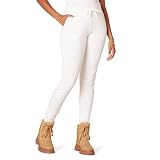
For most casual use, yes. The Align is buttery, lightweight, and built for low-impact movement. THE GYM PEOPLE leggings are noticeably thicker — closer to Lululemon Wunder Train weight than Align — which makes them more squat-proof and durable but warmer to wear. Reviewers who own both pairs typically say they reach for THE GYM PEOPLE for everyday wear, errands, and lifting, and reserve Align for hot yoga or warm-weather use where the lightweight fabric matters. If you specifically want the Align's ultra-light feel, this isn't a 1:1 dupe — but if you want the look and a more durable everyday legging, it's the better pick.
How do I size Amazon clothing without trying it on first?
Three tactics that actually work. First, ignore the size chart and the "True to Size" consensus badge — both lie often. Instead, search reviews for height and weight data points ("I'm 5'7" 160lb and ordered large" is gold). Second, for fitted items always check the negative reviews specifically for fit complaints — people who hated how something fit are the most specific reviewers in the data set. Third, when in doubt, order two sizes. Amazon's 30-day return window plus free Prime returns make this functionally free; it's how most experienced Amazon fashion shoppers approach anything they're uncertain about.
What does the “Frequently Returned Item” badge actually mean?
Amazon adds the badge to listings whose return rate runs significantly above the category average for that subcategory. For apparel, baseline return rates already run high (industry estimates put online apparel returns at 25-40%), so a flagged item is genuinely an outlier — typically driven by sizing inconsistencies, color accuracy problems, or fabric-quality complaints. Always check for this badge before buying any Amazon fashion item, and treat it as a hard no rather than a yellow flag. None of the four picks above carry the badge at the time of selection; if that changes, this list updates.
Is the oversized blazer trend going to age well?
The structured-shoulder oversized blazer has been continuously trending since roughly 2020 (Toteme, The Frankie Shop, then mass market) — that's already a longer run than most fashion microtrends. The aesthetic also overlaps heavily with the menswear-inspired tailoring that runs through fashion history in long cycles, so even when the specific oversized cut shifts, the silhouette tends to stay wearable rather than reading as dated. For under $50, the FSHAOES blazer is in "wear it for two seasons and feel fine about it" territory regardless. For comparison, a Toteme or Frankie Shop blazer in the same silhouette runs $400-$600 — meaning the Amazon version pays for itself the first time you wear it.
Why a belt bag instead of a regular crossbody?
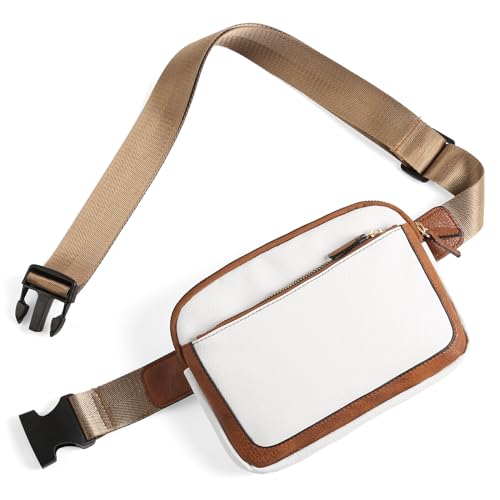
Convertibility. The bag in this list adjusts between waist-belt, crossbody, and shoulder-sling configurations — meaning it covers travel-day hands-free wear (waist-belt under a jacket through TSA), daily errand mode (crossbody at coffee runs), and casual-evening mode (shoulder-sling with a casual outfit) in one purchase. Single-mode crossbody bags are great if you only have one use case; the convertible cut is the better value when you want one accessory that handles multiple scenarios. The Lululemon Everywhere Belt Bag is the original of this silhouette but has had on-and-off availability and runs $38+; this version is consistently in stock at half the price and the strap durability holds up across the long-term review base.
Why only four picks instead of fifteen or twenty?
Because four are the items that actually clear all three filters. Padding the list to ten or twenty would mean adding items that fail at least one of: review volume, sustained TikTok traction, or the Frequently Returned check. The whole point of curation is to do the filtering for the reader rather than punt the work back to them. If we find a fifth item that legitimately clears every filter, this list updates to five. The day Amazon fashion produces twenty items that clear the bar, this becomes a top-twenty list.