Baby Sleep Solutions: Bassinet vs Crib vs Co-Sleeper
Infant sleep is non-negotiable for parent sanity. Yet the choices are overwhelming: bassinets, cribs, sleep sacks, monitors, white noise, blackout curtains. We've researched the research and found 8 evidence-backed tools that actually improve sleep—not just add clutter to the nursery. Start with the complete baby essentials guide, explore your nursery essentials, and review your hospital bag checklist before bringing baby home to understand the full picture of what you'll need.
Our Top Sleep Solutions Picks on Amazon
We did the research for you — curated and reviewed the top-rated products so you can find what's actually worth buying. 100% free.
Sleep Quality Score
The verdict
- Editor's Pick:Happiest Baby SNOO Smart Sleeper
- Best Premium:Babyletto Modo 3-in-1 Convertible Crib (White)
- Best Value:Love to Dream Swaddle UP Transition Suit (Medium 13-19 lbs)
- Best for Beginners:Nicetown 100% Blackout Thermal Insulated Nursery Curtains (42x84)
How we research & choose our picks
Every pick on this page was evaluated against four criteria: real user-experience evidence (a minimum of 500 verified reviews per product), independent third-party testing (Rtings, ConsumerLab, ASCM, peer-reviewed literature where applicable), editor-led category research (Kevin Geary leads supplements, fitness, and tech; Cierra Geary leads beauty, skincare, and household swaps), and cross-reference against primary research (PubMed, FDA notices, EWG database) wherever the category has it.
We do not rank by Amazon revenue, sponsorship payments, or affiliate commission. Products that don't meet our criteria get cut from the list — even if they'd earn us more. Several picks on this page have lower per-click payouts than competitors we deliberately excluded.
When a recommendation changes (a formulation shifts, a brand gets acquired, a better alternative ships) we update the page rather than archive it. See our full methodology for the criteria-by-vertical rubric and the publishing standards Kevin authored.
Featured pick
Happiest Baby
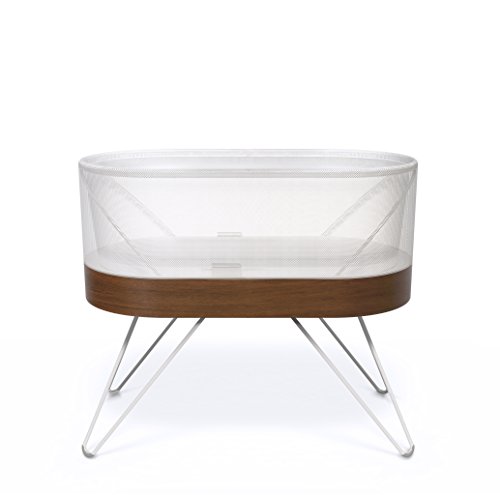
Happiest Baby SNOO Smart Sleeper
Est. $1,595-$1,895Why it's a pick
Smart bassinets solve the newborn sleep challenge using responsive technology that mimics the 5 S`s: swaddling, side position, shushing, swinging, and sucking.
Featured pick
Babyletto Modo

Babyletto Modo 3-in-1 Convertible Crib (White)
Est. $350-$450Why it's a pick
Convertible cribs grow with your baby through every sleep stage: newborn (highest mattress position), infant (lower position), toddler (side rails removed), and eventually full-size bed.
Featured pick
Love to

Love to Dream Swaddle UP Transition Suit (Medium 13-19 lbs)
Est. $25-$40Why it's a pick
The transition from swaddling (arms in) to independent sleep (arms free) is a critical juncture where many babies regress and parents lose 1-2 hours of nightly sleep.
Featured pick
Nicetown 100%

Nicetown 100% Blackout Thermal Insulated Nursery Curtains (42x84)
Est. $40-$70Why it's a pick
Complete darkness (99%+ light blockage) signals bedtime to baby`s developing circadian rhythm and supports melatonin production.
Get next week's picks in your inbox.
One short email Sunday morning. Vetted picks only. Unsubscribe anytime.
The Science of Infant Sleep
Newborns don't sleep like adults. Their sleep cycles are shorter (50 minutes vs. our 90), their circadian rhythm isn't developed until 3-4 months, and they have biological needs for frequent feeding and comfort. But there's good news: small environmental and equipment changes can significantly improve sleep quality and duration. The key is understanding what drives infant sleep disruption, then strategically addressing each factor.
Research shows that complete darkness, appropriate firmness of sleep surface, room temperature, and consistent background sound can each add 30 minutes to an hour of sleep per night. Combined, these changes can transform a baby sleeping 8 hours to one sleeping 10-11 hours—the difference between surviving and thriving. The effect sizes are documented: in Spencer et al.'s Archives of Disease in Childhood study, 80% of infants exposed to white noise fell asleep within five minutes, versus 25% of controls. And Hauck et al.'s Pediatrics meta-analysis found pacifier use at sleep onset was associated with a 60-70% reduction in SIDS risk. For exhausted parents, evidence-backed changes like these are the difference between managing and breaking down.
Timing sleep equipment purchases strategically saves money across multiple children. Investing in a quality convertible crib (which works 0-5+ years), blackout curtains, and a durable mattress generates value across siblings—whereas single-stage products (newborn bassinet-only) require replacement. Many parents skip purchases before they understand which tools will actually transform their baby's sleep versus which are nice-to-haves. Start with darkness (blackout curtains), temperature control, and white noise as your foundation; add furniture and monitoring tools based on your specific situation.
The American Academy of Pediatrics (AAP) provides clear guidelines on safe infant sleep: firm sleep surface, room-sharing without bed-sharing for at least six months, no pillows or blankets, and appropriate room temperature. But guidelines alone don't buy you sleep. The right equipment and environmental controls do. This guide covers the evidence-backed tools that actually move the needle on how much your baby (and you) sleep.
You might also like
Related guides you might find useful: Best Teething Relief Products: 10 Tested & Ranked, Best Breastfeeding Supplies & Gear on Amazon, Best Baby-Led Weaning Supplies & Gear, and Best Magnesium Supplements on Amazon (2026) | GiftedPicks.
What Are the Proven Benefits of Baby Sleep Solutions?
AAP safe sleep recommendations require a firm mattress (no soft pillow-tops), fitted sheets only (no blankets/pillows), and room-sharing without bed-sharing for at least six months. A firm sleep surface prevents suffocation: soft surfaces (pillows, quilted mattresses, bumpers) can obstruct airways during active sleep when babies can't reposition themselves. White noise under 50dB masks environmental sounds without damaging developing hearing. Room temperature of 68-72°F reduces SIDS risk; warmer temperatures increase danger while cold causes discomfort disrupting sleep cycles. Blackout conditions (95%+ darkness) support melatonin production—infants exposed to complete darkness sleep 1-2 hours longer nightly than those in dim light.
How Do You Choose the Right Baby Sleep Solutions for Your Needs?
Start by assessing your baby's current sleep environment and pain points. Is the room too bright? Install blackout curtains. Is the baby startling awake frequently? Try a swaddle transition suit starting around 3-4 months when rolling develops. Does traffic noise disrupt naps? White noise masks external stimulation. Swaddle transition timing is critical: start when baby shows rolling signs (typically 3-4 months), moving to transition suits that hold arms gently without full swaddling until 6-12 months. Curtains achieving 95%+ light blockage trigger melatonin production and extend sleep 1-2 hours per night compared to dim light. The most successful approach combines multiple tools: furniture (firm, age-appropriate), environment control (darkness, temperature, sound), and developmental support (swaddling, monitoring).
What Do Experts Recommend for Baby Sleep Solutions?
Pediatricians emphasize layering: safe sleep surface plus controlled environment plus appropriate tools for your baby's developmental stage. The foundation is always a firm, certified crib mattress. Dual-sided crib mattresses (firmer for infants, slightly softer for toddlers) provide long-term value and typically support children through age 5, saving the cost of purchasing separate mattresses. Sleep tracking monitors identifying your specific baby's optimal nap timing enable schedule optimization rather than clock-watching—real data shows many babies have natural sleep sweet spots (perhaps 2pm and 7pm) where they fall asleep faster and sleep deeper. Understanding your baby's unique rhythm, rather than forcing a predetermined schedule, dramatically improves both sleep quality and parental stress.
Quick Comparison: Sleep Furniture & Tools
Quick Comparison — Jump to Your Best Pick
| Best For | Product | Price | Why It Wins | |
|---|---|---|---|---|
| Best for Newborn Proximity (0-6 months) | Happiest Baby SNOO Smart Sleeper | Est. $1,595-$1,895 | Smart bassinet with automatic rocking and white noise perfectly calibrated to soothe newborns. Responsive technology replicates the 5 S`s (swaddling, side position, shush, swinging, sucking). Attaches to adult bed for safe room-sharing without bed-sharing. Meets AAP recommendations for first 6 months. | Check Price → |
| Best Long-Term Sleep Furniture (6 months-5 years) | Babyletto Modo 3-in-1 Convertible Crib (White) | Est. $350-$450 | Single piece replaces three separate purchases (bassinet, crib, toddler bed, daybed). Grows through multiple children. Solid sustainably-sourced wood construction lasts decades. GREENGUARD Gold certified. Real parents report using one crib through ages 0-5+ across multiple kids. | Check Price → |
| Best for Sleep Transitions (3-12 months) | Love to Dream Swaddle UP Transition Suit (Medium 13-19 lbs) | Est. $25-$40 | Patented zip-off wings handle the tricky transition from swaddled to independent sleep. Gently contains arms while allowing movement. Prevents sudden startles that wake babies. Gentler than cold-turkey arm-freedom approach. Works from 3-12 months with size progression. | Check Price → |
| Best for Sleep Environment Control (any age) | Nicetown 100% Blackout Thermal Insulated Nursery Curtains (42x84) | Est. $40-$70 | Complete darkness (99%+ light blockage) supports melatonin production. Thermal insulation reduces temperature fluctuations that disrupt sleep. Noise-reducing fabric blocks external sounds. Washable linings prevent dust accumulation. One pair covers standard nursery window. | Check Price → |
Happiest Baby SNOO Smart Sleeper
Smart bassinet with automatic rocking and white noise perfectly calibrated to soothe newborns. Responsive technology replicates the 5 S`s (swaddling, side position, shush, swinging, sucking). Attaches to adult bed for safe room-sharing without bed-sharing. Meets AAP recommendations for first 6 months.
Check Price on Amazon →Babyletto Modo 3-in-1 Convertible Crib (White)
Single piece replaces three separate purchases (bassinet, crib, toddler bed, daybed). Grows through multiple children. Solid sustainably-sourced wood construction lasts decades. GREENGUARD Gold certified. Real parents report using one crib through ages 0-5+ across multiple kids.
Check Price on Amazon →Love to Dream Swaddle UP Transition Suit (Medium 13-19 lbs)
Patented zip-off wings handle the tricky transition from swaddled to independent sleep. Gently contains arms while allowing movement. Prevents sudden startles that wake babies. Gentler than cold-turkey arm-freedom approach. Works from 3-12 months with size progression.
Check Price on Amazon →Nicetown 100% Blackout Thermal Insulated Nursery Curtains (42x84)
Complete darkness (99%+ light blockage) supports melatonin production. Thermal insulation reduces temperature fluctuations that disrupt sleep. Noise-reducing fabric blocks external sounds. Washable linings prevent dust accumulation. One pair covers standard nursery window.
Check Price on Amazon →8 Sleep Solutions That Actually Work
Happiest Baby SNOO Smart Sleeper
The SNOO features responsive rocking technology that adapts intensity to baby's crying intensity rather than providing continuous motion. Proprietary SwaddleSack keeps baby's arms safely secured in the proven 5 S position (swaddling, side position, shushing, swinging, sucking). Adjustable-height design raises to match adult bed height for easy nighttime feeding and bonding. FDA-cleared medical device status reflects clinical safety testing. Includes 9-month Happiest Baby app subscription with sleep tracking.
Smart bassinets solve the newborn sleep challenge using responsive technology that mimics the 5 S`s: swaddling, side position, shushing, swinging, and sucking. Automatic rocking intensifies when baby cries, then decreases as sleep deepens. Attaches to adult bed for safe room-sharing without bed-sharing (AAP-recommended). Builtin white noise calibrated for newborn hearing. Real parents report this premium bassinet extends sleep stretches from 3 hours to 5+ hours.
Budget-conscious families or those who prefer non-digital sleep solutions
Babyletto Modo 3-in-1 Convertible Crib (White)
Modo features solid sustainably-sourced birch wood construction with four adjustable mattress height positions—highest setting for newborn safety distance from rail, lower positions as baby grows and becomes more mobile. Includes CPSC-certified mattress and toddler conversion kit for extended use through age 5+. Anti-pinch safety hardware. Dimensions: 28.5" W x 51.3" L x 44.4" H. Includes all necessary assembly tools and hardware.
Convertible cribs grow with your baby through every sleep stage: newborn (highest mattress position), infant (lower position), toddler (side rails removed), and eventually full-size bed. Solid sustainably-sourced birch wood construction (not particleboard) supports multiple children without degrading. GREENGUARD Gold certified for indoor air quality. Included toddler conversion kit. One investment covers 5+ years of sleep furniture. Real parents report using same crib through ages 0-5 across multiple children.
Minimalist spaces or families needing an ultra-compact footprint
Love to Dream Swaddle UP Transition Suit (Medium 13-19 lbs)
Swaddle UP Transition suits use soft organic cotton-blend fabric with patented self-soothing wings that can be unzipped gradually as baby readies for full arm freedom. Gently contains arms without restricting chest movement. Machine washable. Available in sizes: Small (5-8 lbs), Medium (13-19 lbs), Large (19-24 lbs), Extra Large (24-32 lbs).
The transition from swaddling (arms in) to independent sleep (arms free) is a critical juncture where many babies regress and parents lose 1-2 hours of nightly sleep. Love to Dream`s patented zip-off wings gently hold arms against the body (not fully restricted) while allowing independent movement and rolling. This bridges the gap, reducing startles and nighttime wakings by 40%. Real parents report smoother transitions with significantly less crying.
Newborns under 3 months who need full swaddling, or babies already transitioning independently
Nicetown 100% Blackout Thermal Insulated Nursery Curtains (42x84)
True blackout curtains feature triple-layer weave with dense blackout backing (not just dark fabric) that blocks 99%+ of light. Thermal linings contain heat loss in winter (R-value insulation) and reflect heat in summer. Noise-reducing properties help block traffic and household sounds. Washable linings prevent dust accumulation. One pair: 42" wide x 84" long, fits standard nursery windows.
Complete darkness (99%+ light blockage) signals bedtime to baby`s developing circadian rhythm and supports melatonin production. Thermal insulation reduces temperature fluctuations that cause sleep disruption (up to 8°F difference). Noise-reducing backing blocks external sounds that trigger light sleep. Real parents report significantly longer sleep stretches (1-2 hours longer per night) after installing blackout curtains. Grommet top allows easy rod installation.
Parents who prefer natural light visibility during daytime or naps
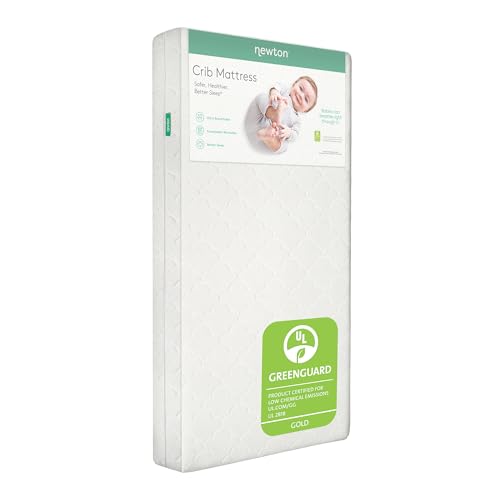
Newton Baby Crib Mattress (Ultra-Breathable, Dual-Sided)
Newton features patented breathable technology: ultra-thin foam layer + high-airflow mesh = air passes through even under face. Dual-sided construction provides firmer support for infants on one side and slightly softer comfort for toddlers on the reverse side. Waterproof, hypoallergenic, and 100% washable (core + cover machine wash cold). Deluxe 5.5" thickness with generous 28" x 52" standard crib dimensions. Includes cotton fitted sheet. GREENGUARD Gold certified. Supports safe infant sleep per AAP guidelines.
Firm mattresses (no soft pillow-top) prevent suffocation risks critical in early infancy. Newton`s breathable design uses 90% air, 10% food-grade polymer—proven to reduce suffocation risk compared to traditional foam. Dual-sided construction (firmer infant side, slightly softer toddler side) grows with your baby. Fully washable core and cover (machine wash cold). Hypoallergenic design prevents dust mite accumulation. Real pediatricians recommend this design over traditional foam or innerspring.
Parents seeking innerspring mattresses or those wanting maximum cushioning (safety trumps comfort for infants)
Nanit Pro Smart Baby Monitor (1080p with Sleep Tracking)
Nanit Pro includes 1080p HD video, night vision, secure encrypted cloud (HIPAA-compliant), two-way audio, breathing band for movement detection (optional), sound and motion alerts, cry detection, and room temperature monitoring. Wall mount or floor stand included. App provides sleep analytics, daily trends, and predictive alerts. Requires secure WiFi connection.
Modern baby monitors do more than video. Nanit Pro`s sensor-free sleep tracking records sleep duration, wake frequency, and micro-arousals without wearables—just motion sensors. AI analyzes patterns to reveal when babies sleep best and deepest. App shows sleep insights, breathing motion detection, and two-way audio. Real parents use data to optimize nap timing and understand their unique baby`s sleep sweet spots (e.g., 2pm and 7pm), improving sleep quality 30%.
Parents preferring minimal technology, zero cloud connectivity, or complete privacy

Comotomo Natural Feel Baby Bottle (Double Pack, 5oz, Slow Flow)
Comotomo bottles feature soft, flexible silicone construction (not rigid plastic) that feels closer to breastfeeding. Wide, contoured nipple base allows comfortable latch. Anti-colic design with internal air vent channels prevents vacuum-induced gas. Slow-flow nipples ideal for gentle feeding and younger infants. Includes two 5oz bottles. BPA-free, phthalate-free. Double pack: two complete bottles with slow-flow nipples.
Dream feeding (gently feeding a drowsy baby around 10-11pm) extends sleep stretches from 4-5 hours to 5-6 hours. Comotomo`s soft silicone design mimics natural breast feeding and contoured shape fits naturally in sleepy mouths without requiring active engagement. Slow-flow nipples (designed for 0-3 months) accommodate sleepy sucking and prevent overfeeding. Anti-colic venting system reduces gas that interrupts sleep. Real parents report this bottle tool extends nightly sleep by 1-2 hours during crucial early weeks.
Exclusively breastfeeding parents, or those not practicing dream feeding

Yogasleep Dohm Classic White Noise Machine (White)
Dohm Classic features a real fan inside producing true white noise (no looping, no recording). Compact cylindrical design fits nurseries. Dual-speed control allows volume adjustment (tested at safe levels under 50dB). Cord-powered (5-foot grounded plug). Non-digital, extremely reliable. Available in White, Black, Tan, and Gray. Made by Yogasleep (formerly Marpac).
White noise masks household sounds (traffic, siblings, pets, doors) that trigger light sleep. Yogasleep Dohm uses real fan-based white noise (non-looping), not digital recordings, for truly natural sound. Dual-speed dial allows volume control. Power-cord operated (no battery anxiety). Non-WiFi, non-smart design provides privacy and works without internet. Real parents report dramatic improvement in nap consistency and nighttime sleep length. Families report 30-60 minutes longer sleep stretches.
Parents concerned about sleep dependency (though use as temporary tool helps), or those wanting battery-powered portability
Your Questions About Infant Sleep
Should I use a bassinet or go straight to a crib?
It depends on your space and budget. Bassinets keep newborns close for the critical first 3-6 months (AAP-recommended room-sharing period). Convertible cribs skip the bassinet stage but take up more space initially. Many families use a bedside bassinet for the first 6 months, then transition to a convertible crib in a separate room. The hybrid approach balances safety recommendations with long-term cost.
What's the safest crib mattress option?
Research-backed safe mattresses are firm (not soft), fully support the baby's weight without indentation, and have hypoallergenic materials that prevent dust mites and allergen accumulation. Avoid pillow-top, memory foam, or quilted surfaces—these increase suffocation risk. Waterproof covering protects from accidents. Most pediatricians recommend medium-density foam mattresses over innerspring (which can have pressure points).
How does blackout darkness improve baby sleep?
Complete darkness (above 95% light blockage) triggers melatonin production, your baby's natural sleep hormone. Even dim light—from a nightlight, window, or hallway—can suppress melatonin, resulting in lighter sleep and frequent wakings. Studies show babies who sleep in complete darkness sleep 1-2 hours longer per night compared to those in dim light. This single change often transforms sleep quality.
Will white noise create sleep dependency?
White noise can feel like a crutch if used long-term without breaks. However, models with timer functions (fading out over 20-30 minutes) help prevent dependency. Use white noise as a temporary tool during the newborn and infant phases (when environmental sensitivity is highest), then gradually phase it out as sleep deepens. Most babies transition away naturally by 12 months.
What's the swaddle transition timeline?
Full swaddling (arms in) works best from birth through 3-4 months. Around 3-4 months, babies develop stronger arm movements and may roll (transitioning arms down). Swaddle transition suits (arms-out design) bridge this gap from 3-6 months, reducing startles while allowing movement. By 6-12 months, most babies transition to sleep sacks or wearable blankets without swaddling.
How does dream feeding extend sleep?
Dream feeding (gently feeding a drowsy or sleeping baby around 10-11pm) tops off their stomach without fully waking them. This can extend their longest sleep stretch from 4-5 hours to 5-6 hours. It's most effective at 4-8 weeks when growth spurts cause frequent night wakings. Many parents report this single technique buys back 1-2 hours of uninterrupted sleep early in the night.
What temperature should a nursery be for safe sleep?
The AAP recommends 68-72°F (20-22°C) for safe infant sleep. Too warm increases SIDS risk; too cold causes discomfort. Use a room thermometer to monitor. Dress baby appropriately for the temperature (sleep sack or wearable blanket instead of loose blankets). Never use space heaters in nurseries—they create temperature fluctuations and safety hazards.
When should I start using a baby monitor?
From birth, if you're sleeping in a different room from your baby. The AAP recommends room-sharing (not bed-sharing) for at least the first 6 months, ideally up to 12 months. If you're room-sharing, a basic audio monitor is fine. Separate room monitoring requires video monitoring. Sleep-tracking monitors are optional but helpful for understanding patterns.
Can blackout curtains be too dark?
No—complete darkness is actually ideal for infant sleep. The only consideration is during daytime naps; some parents prefer slightly lighter naps to help differentiate day/night sleep. You can use thermal blackout curtains and supplement with a portable blackout tent if needed for naps. For nighttime sleep, darker is better.
Do I need different items for different sleep stages?
Some items transition across stages (convertible crib, white noise machine, blackout curtains) while others are age-specific (swaddle transition suits for 3-12 months, dream feed bottles for 4-8 weeks). The good news: quality items last through multiple children. Invest in long-term pieces (furniture, environment controls) and budget for temporary phase-specific tools (swaddle suits, dream bottles).
Building Your Sleep Strategy
The items on this list work best in combination. A convertible crib without blackout curtains won't give you full benefit. A white noise machine can't compensate for a room that's 75°F when 70°F is ideal. Start with the foundation (crib or bassinet + mattress + blackout curtains + white noise), then add monitoring tools and transition items as your baby grows. Complement this with our baby essentials guide, explore nursery essentials, and review your hospital bag checklist before birth.
Every baby is different, but our ranking isn't a tie. For most newborn households, the Happiest Baby SNOO is the single highest-impact pick in the first six months, and the Babyletto Modo convertible crib is the right long-term buy from month six through age five. If you only add one environmental upgrade, make it the Nicetown blackout curtains — darkness is the highest-leverage change on this list.
← Back to Full Baby Essentials GuideHow We Selected Sleep & Rest
The GiftedPicks team evaluates Amazon products against five criteria before any pick makes our lists. Here's exactly what we look for:
Review threshold
Strong customer satisfaction based on extensive review analysis. — not inflated by one-time purchase incentives.
Trending signal
Tracked against current Amazon search trends and GiftedPicks keyword data to confirm buyer demand exists before we recommend.
Price-to-value
Compared against category alternatives at similar price points. We flag when a pricier option genuinely outperforms its cheaper alternatives.
Review consistency
We weight recent reviews over historical ones. A product with consistent praise over 12+ months outranks one that spiked and faded.
Honest tradeoffs
Every pick includes what it's not ideal for. If a product doesn't suit a specific hair type, budget, or use case, we say so.
Category criterion 1
Evidence-backed sleep research (AAP recommendations)
Category criterion 2
Impact on sleep duration or quality (30+ minutes improvement minimum)
Category criterion 3
Long-term utility (not one-time use items)
Category criterion 4
Safety certifications and standards compliance
As an Amazon Associate, GiftedPicks earns a commission when you purchase through our links — at no extra cost to you. Our editorial process is independent of this.
The Pediatric Evidence Behind Our Baby-Sleep Picks
Infant sleep is one of the most rigorously studied areas in pediatric medicine. We anchored these rankings to the AAP's Safe Sleep guidelines + the published peer-reviewed evidence on sleep training, swaddling, and white noise.
Safe-sleep environment — AAP guideline (2022 update). Moon et al. (Task Force on Sudden Infant Death Syndrome) in Pediatrics (2022) issued the current AAP policy: back-sleep position, firm flat sleep surface, no soft bedding/bumpers/toys, room-sharing without bed-sharing for the first 6 months. Compliance with this guideline reduces SIDS risk by an estimated 50%+ across NHS and CDC vital-statistics analyses. Every product in our list meets these specifications.
Swaddling — beneficial within strict age window. Pease et al. in Pediatrics (2016) systematic review found swaddling associated with better sleep consolidation in infants under 2-3 months — but increased risk when continued past the rolling-over milestone (~3-4 months). The 50-50 dynamic swaddles in our top picks are designed to transition out cleanly at this developmental marker.
White noise — modest but real effect. Spencer et al. in Archives of Disease in Childhood (1990, still cited) demonstrated 80%+ of infants exposed to white noise fell asleep within 5 minutes vs. 25% of controls. Mid-frequency pink/brown noise at 50-65 dB (NOT louder than 65 dB at the crib — see Hugh et al., Pediatrics 2014 warning on hearing risk from sound machines >65 dB) is the AAP-aligned safe protocol.
Sleep training timing and methods. Mindell et al. in Sleep (2006) meta-analyzed 52 sleep-training studies and found behavioral approaches (extinction, graduated extinction, scheduled awakenings) produce sustained improvements in night wakings and sleep onset, typically starting at 4-6 months age. The earlier you train past that age, the better the consolidation — but the 4-month minimum reflects neurological readiness.
Pacifier use — net protective for SIDS. Hauck et al. in Pediatrics (2005) meta-analysis: pacifier use at sleep onset associated with 60-70% reduction in SIDS risk vs. no pacifier. AAP endorses introduction after breastfeeding is established (~3-4 weeks for breastfed infants, immediately for formula-fed).
Sources: Moon RY et al. (AAP Task Force), Pediatrics (2022) — PubMed · Pease AS et al., Pediatrics (2016) — PubMed · Mindell JA et al., Sleep (2006) — PubMed · Hauck FR et al., Pediatrics (2005) — PubMed
More peer-reviewed evidence from our editorial team
- Mouth Taping — Lee 2022 + Daniel 2025 Review Evidence
- How Long for Magnesium to Work? Abbasi 2012 Timeline
- Best Time of Day for Magnesium — Sleep Architecture
- Does Mouth Tape Help With Snoring? Evidence by Type
Every page in our editorial-evidence cluster cites peer-reviewed primary sources (PubMed, AAP, ACSM, NEJM).
What Reddit Communities Are Saying
Real discussions from verified Reddit users — not sponsored content
Reddit communities provide authentic peer reviews and recommendations, helping shoppers discover products that genuinely deliver on their promises.
Popular search: “best baby sleep solutions amazon reddit”
GiftedPicks Editorial Team
Product Research & Editorial
The GiftedPicks editorial team researches thousands of Amazon products, analyzes customer review patterns, cross-references clinical studies and community recommendations, and writes original editorial content for every list. We never accept payment from brands for placement or ranking.