
The complete fibermaxxing guide
Fibermaxxing is the TikTok shorthand for hitting the 25-30g+ daily fiber target that the Reynolds 2019 Lancet meta-analysis identified as the dose-response sweet spot for reduced all-cause mortality. The American adult averages ~16g/day, which means most fibermaxxers need to roughly double their fiber intake. Here's how to think about the supplement strategy.
What does "fibermaxxing" actually mean and where did it come from?
The term spread through fitness and gut-health TikTok in 2024-2025 as creators noticed that the standard high-protein recommendations were drowning out fiber recommendations. Fibermaxxing reframes daily nutrition around hitting the 30g fiber target as a primary goal, rather than treating fiber as an afterthought. The underlying nutrition science is well-established — Reynolds 2019 found 15-30% reductions in mortality, cardiovascular disease, type 2 diabetes, colorectal cancer, and stroke at the 25-29g/day dose. The trend is unusual in that it's a case where social-media advice closely matches the academic-nutrition consensus rather than diverging from it.
How much fiber do I actually need to hit and from which sources?
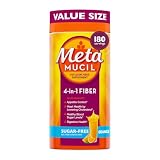
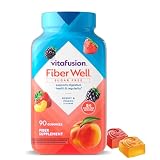
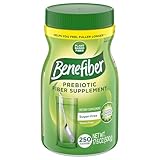
The Reynolds 2019 dose-response curve identifies 25-30g/day as the threshold where the largest mortality benefit is captured, with diminishing returns above ~30g/day. Food sources should be the foundation — vegetables, whole grains, legumes, fruits, nuts, seeds. Supplements close the gap when food intake falls short, which is most days for most people. Stacking 2-3 supplement sources is mechanistically better than maxing one — psyllium provides the cholesterol/cardiovascular benefit (Metamucil or NOW Foods capsules), prebiotic fibers like inulin and acacia feed gut bacteria distinct from what psyllium feeds (Vitafusion gummies, BelliWelli bars), and tasteless mix-ins like wheat dextrin (Benefiber) close the gap without changing eating habits.
Why is psyllium husk the most evidence-supported fiber supplement?
Psyllium is one of the very few single ingredients with an FDA-authorized health claim (cholesterol reduction at 7g daily soluble fiber from psyllium husk). The clinical-trial base on psyllium spans cholesterol management, blood-sugar attenuation, blood-pressure modulation, and gastrointestinal regularity. Reynolds 2019 used soluble fiber as the most validated category in their meta-analysis and psyllium is the canonical soluble fiber. Mechanism: psyllium is a viscous fiber that gels in water and slows gastric emptying, attenuates post-meal glucose spikes, and binds bile acids in the gut (which is why cholesterol drops — the body uses serum cholesterol to make replacement bile acids). This is why Metamucil is the "Editor's Pick" in this list and why NOW Foods psyllium capsules are an alternative format for the same active ingredient.
What if standard fiber supplements (psyllium, inulin) make my IBS worse?
This affects approximately 15% of adults and is the single most important caveat to fibermaxxing advice. Inulin (the active in Vitafusion gummies and many fiber bars) is a high-FODMAP prebiotic that ferments rapidly and can worsen bloating, gas, and discomfort in IBS-C, IBS-M, and IBS-D populations. Psyllium is generally better tolerated but still triggers some IBS sufferers. The low-FODMAP alternatives are acacia fiber and partially hydrolyzed guar gum, both validated by Monash University's certification program. BelliWelli is included in this list specifically because it's the only major shelf-stable fiber brand with Monash low-FODMAP certification — it's not the cheapest pick by any measure, but it's the right pick for the 15% of adults who get worse, not better, on standard fibermaxxing advice. If you don't know whether you're FODMAP-sensitive, the cleanest test is to try acacia (BelliWelli) first; if you tolerate it well and want to try inulin, go to Vitafusion. If acacia bothers you too, fiber supplementation may not be the right path and dietary fiber from low-FODMAP foods should be the focus.
How do I ramp up fiber intake without GI side effects?
Increase by ~5g per week, not all at once. Going from 16g/day to 30g/day in a single day will produce significant gas, bloating, and discomfort — the gut microbiome needs 1-2 weeks to adapt to each step up. Hydration matters: psyllium and other soluble fibers absorb water and need 8oz of fluid per supplement dose minimum. Take fiber supplements at consistent times each day (the gut microbiome responds to consistent timing). Don't take fiber supplements within 1 hour of medications — soluble fiber can reduce drug absorption. Most importantly: if symptoms persist after 2-3 weeks of ramping, the source is the problem (likely FODMAP sensitivity), not the dose — switch to acacia fiber and re-test.
Can I just hit 30g of fiber from food alone?
Yes, and that's the gold standard. 1 cup of cooked black beans = 15g, 1 cup of raspberries = 8g, 1 medium avocado = 10g, 1/2 cup of oats = 4g, 1 medium pear = 6g, 1 oz chia seeds = 10g. The challenge isn't the math — it's the consistency. Most American food environments make 30g/day from food alone genuinely difficult on travel days, busy weeks, or restaurant-heavy lifestyles. The supplement strategy is best understood as a safety net: hit what you can from food, then close the gap with one or two of the picks above. The Reynolds 2019 evidence on the 25-30g/day target is agnostic about food vs supplement source — both contribute to the documented mortality benefit.
Common fibermaxxing mistakes
Mistake 1: Going from 16g to 35g overnight. Always ramp by ~5g/week. Mistake 2: Picking a high-FODMAP source without knowing if you tolerate it (Vitafusion inulin gummies will make 15% of adults feel worse). Mistake 3: Treating fiber supplements as a replacement for fiber-rich foods rather than a supplement to them. Mistake 4: Drinking psyllium without enough water — it gels in the throat or esophagus if hydration is insufficient. Mistake 5: Stacking multiple high-FODMAP sources at once (Vitafusion + a fiber bar with chicory root + a prebiotic powder = guaranteed bloating). Mistake 6: Taking fiber within 1 hour of medications, especially thyroid medications, antibiotics, and statins — fiber binds and reduces absorption. Mistake 7: Expecting overnight digestive changes — the microbiome adaptation that drives the bigger gut-health benefits takes 4-12 weeks.