

The complete fragrance layering buyer's guide
Quick answer
Fragrance layering stacks two or more scents to create a custom blend deeper than any single perfume. The technique works best with concentrated perfume oils — they don't contain the alcohol that interferes with layering, and they last 8-12 hours skin-down. Start with one base note (sandalwood, vanilla, musk) plus one top note (citrus, fresh florals); avoid layering two heavy florals which clash.
Fragrance layering is the rare beauty trend where the TikTok hype is actually correct — a thoughtfully composed 2-3 oil blend creates a signature scent that's distinctively yours, lasts longer than alcohol-based perfume, and costs a fraction of designer fragrance. The picks above are the 4 oils we'd hand someone starting a layering wardrobe.
Where do I apply fragrance oils for layering?
Pulse points — where skin runs warmest and projects fragrance efficiently. The classic six: inside wrists, behind both ears, base of throat (suprasternal notch), and inside both elbows. For oils specifically, also try a small dab on the back of the neck under the hairline (heat from hair holds the scent) and at the inside ankle for skirt/dress wearers (the scent rises through the fabric over the day). Avoid: applying directly to clothing (oils stain and the fragrance loses its skin-chemistry interaction), spraying on hair (alcohol dries hair — but a small amount of oil on the ends is fine), or rubbing wrists together after application (the friction breaks down the fragrance molecules and accelerates fade).
Which oils pair well together for beginners?
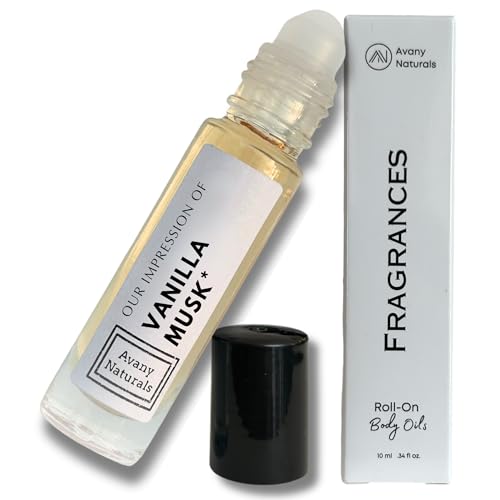
Proven pairings using the picks above: Vanilla Musk + Layton dupe = warm gourmand sophistication. Vanilla Musk + Oud = cozy with smoky depth (classic Middle Eastern profile). Sandalwood + Oud = full niche-fragrance Middle Eastern character. Sandalwood + Layton = warm-amber-floral elegance. Vanilla Musk + Sandalwood = AVOID — both are bases competing in the same role. Start with two-oil combinations before introducing a third, and always wear the combination for at least three days before judging — your nose adapts, and the compounds bond with your skin chemistry over time.
How do oils differ from alcohol-based perfumes for layering?
Oils are 100% fragrance concentrate. Alcohol-based perfumes (eau de parfum at 15-20% concentration, eau de toilette at 5-15%) carry the fragrance in alcohol, which evaporates fast and projects scent further. For layering specifically, oils are the right tool because: (a) they last 8-12 hours vs 4-6 for alcohol-based, giving each layer time to develop, (b) they project softly, so the layers don't over-mix into mud, (c) they don't carry the alcohol "sharp" that competes with subtle layering notes, and (d) the oil base bonds with your skin chemistry over consistent wear. You CAN combine oils with alcohol-based perfumes — apply oils first as your base/middle, finish with a light spray of alcohol-based perfume as a projecting top note.
How long does it take to develop a true signature scent?
2-4 weeks of consistent daily wear. The first week, you'll notice the scent strongly on yourself. Week 2-3, your nose adapts (olfactory fatigue) — you stop noticing it, but other people start noticing it more, and the compounds bond more deeply with your skin oils. Week 3-4, the combination becomes "your scent" — recognizable to people who know you, distinct from anyone else wearing the same individual fragrances because YOUR skin chemistry shifts the final profile. Don't judge a layering combination on day one. The pleasant surprise is that combinations that smell "fine" on day 1 often become "genuinely yours" by day 14.
How should I store fragrance oils?
Cool, dark, dry — direct sunlight and heat are the two biggest enemies of fragrance longevity. Store roll-ons standing upright in a drawer or cabinet (not on a sunny bathroom shelf), keep caps sealed tightly between uses, and avoid extreme temperature swings (a hot car interior in summer can degrade the formula in days). Properly stored, high-quality fragrance oils last 1-2 years before noticeable degradation. Some collectors refrigerate oils to extend lifespan further — overkill for daily wearers, useful if you're building a 10+ oil wardrobe and rotating slowly.
Are designer dupes (like the Layton in this list) actually close to the original?
The good ones are 75-90% accurate to the original profile, with the gap mostly in longevity, sillage (projection radius), and the very-final dry-down rather than the recognizable DNA of the scent. CA Perfume's Layton dupe falls in the 80-85% range — it captures the apple/lavender/cardamom/vanilla/sandalwood DNA that makes Parfums de Marly Layton famous, without the $300+ retail. The honest trade-off: you give up some long-tail complexity and the brand cachet, you save 90% on price, and most casual observers can't tell the difference. Fragrance purists will spot the gaps; everyone else won't.