Editorial disclosure: We earn from qualifying Amazon purchases at no extra cost to you. Picks are independently researched. Full disclosure →

Anti-aging skincare · 2026

Best Growth Factor Serums 2026: What Dermatologists Actually Use Post-Procedure

By Kevin Geary·Cross-referenced against Fitzpatrick & Rostan (2003) TNS clinical trial data and AAD post-procedure topical guidance·

Growth factors are the molecular signal your skin uses to rebuild collagen — and the active class your derm prescribes after microneedling, lasers, and chemical peels. The $295 SkinMedica TNS Advanced+ is the gold standard. Four Amazon-direct alternatives deliver the same fibroblast-activating science from $17 to $265, ranked by clinical-trial peptide concentration, formulation purity, and which skin types respond fastest.

5 verified Amazon picks·$17–$295 price range·7 min read·Updated May 2026

Featured pick

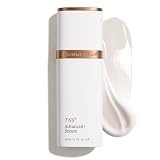
SkinMedica TNS

SkinMedica TNS Advanced+ Face Serum (1 oz)
9.6/10 · Editor's Pick: Gold-Standard Derm Choice

SkinMedica TNS Advanced+ Face Serum (1 oz)

$281–$295

Why it's a pick

When derms recommend "the growth factor serum," 90% of the time they mean the SkinMedica TNS line.

The clinical trial backbone of the entire growth-factor category
AbbVie/Allergan medical-grade R&D pipeline
Most-recommended growth-factor serum in derm offices
Premium price ($295)
Not pregnancy-tested — avoid during pregnancy/nursing
The math: 380+ growth factors · ARNI peptides · sold direct by AmazonView on Amazon →

Featured pick

BIOEFFECT EGF

BIOEFFECT EGF Serum (20 mL)
9.2/10 · Best Pure EGF Specialist

BIOEFFECT EGF Serum (20 mL)

$185–$195

Why it's a pick

If you specifically want EGF and only EGF — the single most-studied individual growth factor for skin barrier repair and wrinkle reduction — BIOEFFECT is the cleanest formulation on Amazon.

The pure-EGF reference formulation in the category
Plant-bioengineered (no animal-tissue or contamination concerns)
Layers under any moisturizer without interactions
Single-active — not a one-stop multi-ingredient serum
Iceland-shipping time on the brand-direct fulfillment
The math: Barley-derived EGF · single-active · BIOEFFECT Official sellerView on Amazon →

Featured pick

ALASTIN Restorative

ALASTIN Restorative Skin Complex w/ TriHex+ (1 oz)
8.9/10 · Best Elastin + Collagen Stimulator

ALASTIN Restorative Skin Complex w/ TriHex+ (1 oz)

$245–$265

Why it's a pick

When most growth-factor products focus on collagen synthesis (which gives you firmness), ALASTIN is the rare formulation explicitly engineered to also stimulate elastin (which gives you the skin "bounce-back" that drops sharply in your 40s and 50s).

Stimulates elastin (not just collagen) — addresses skin snap-back loss
Aesthetic-medical clinic standard for post-procedure recovery
Brand-direct Amazon seller — no counterfeit risk
Multi-ingredient complexity may interact with other actives
Best results require 3+ months consistent use
The math: TriHex tripeptide-hexapeptide · multi-growth-factor stackView on Amazon →

Featured pick

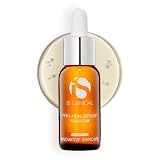
iS CLINICAL

iS CLINICAL Pro-Heal Serum Advance+ (0.5 oz)
8.7/10 · Best AM Companion (Vitamin C + Growth Factor)

iS CLINICAL Pro-Heal Serum Advance+ (0.5 oz)

$95–$110

Why it's a pick

Pro-Heal Advance+ solves the "I want serious antioxidant protection AND derm-grade quality but not at SkinMedica TNS pricing" problem.

Therapeutic vitamin C concentration (15%, not the 5-10% of cheaper serums)
Pairs cleanly with any PM growth-factor serum
Aesthetic-medical brand at consumer pricing
Vitamin-C-led (not a pure growth-factor product)
0.5oz size — uses faster than 1oz competitors
The math: 15% L-ascorbic acid · multi-vitamin · sold by AmazonView on Amazon →

Featured pick

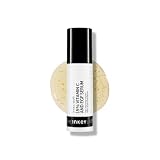
The INKEY

The INKEY List 15% Vitamin C and EGF Serum (1 fl oz)
8.2/10 · Best Budget Entry Point

The INKEY List 15% Vitamin C and EGF Serum (1 fl oz)

$15–$17

Why it's a pick

Not everyone needs to start at $295.

17× cheaper than BIOEFFECT pure-EGF
Vitamin C base earns its keep regardless of EGF response
Lowest-risk way to test growth-factor topicals
EGF concentration not disclosed
Not medical-grade — wouldn't recommend for post-procedure use
The math: 15% Vitamin C + EGF · sold by Amazon · $17View on Amazon →

What growth factors actually do — and why derms reach for them after procedures

Growth factors are the proteins your body uses to coordinate skin repair. EGF (epidermal growth factor) tells skin cells to divide and replace damaged tissue. FGF (fibroblast growth factor) tells the deep-tissue cells to produce new collagen and elastin. TGF (transforming growth factor) coordinates wound healing and matrix remodeling. When you have a chemical peel, microneedling session, laser treatment, or RF microneedling, what your skin is actually doing afterward is releasing these growth factors at the wound site to rebuild.

Topical growth factor serums apply the same molecules directly to the skin surface. The mechanism is signaling, not exfoliation. Unlike retinol (which works by accelerating cell turnover, with all the irritation that implies), growth factors activate fibroblast receptors directly — no peeling, no sun sensitivity, no barrier disruption. The trade-off is that growth factors are large molecules that don't penetrate as deeply as small-molecule actives, so consistency over months matters more than concentration in any single application.

Why derms specifically use growth factors post-procedure. After laser, microneedling, or peels, your skin is in active repair mode — fibroblasts are upregulated, capillaries are extending, the inflammatory cascade is running. Topical growth factors at this moment amplify what's already happening. The same serum applied to undamaged skin works (slowly), but applied during the post-procedure window, it accelerates healing meaningfully. This is why ALASTIN, SkinMedica, and iS Clinical are the brands you actually find in derm offices — they're engineered specifically for this clinical-recovery use case.

The price spread reflects R&D depth and ingredient sourcing, not arbitrary positioning. SkinMedica's TNS Advanced+ contains conditioned media from human fibroblasts — that's a more expensive bioprocess than synthesized peptides. BIOEFFECT's barley-derived EGF requires plant-bioengineering infrastructure. ALASTIN's TriHex Technology is a patented complex with associated patent costs. The INKEY List $17 product uses synthesized peptides without the same disclosure on concentration or sourcing. The price differences are real engineering differences, not marketing premium.

What the clinical research says about topical growth factors

The growth-factor topical category has 20+ years of peer-reviewed research backing it. Here's what the published literature actually shows.

Fitzpatrick & Rostan (2003) — the foundational clinical trial. The original SkinMedica TNS Recovery Complex was tested on photodamaged skin in a 2003 study published in Dermatologic Surgery. Across the 60-patient study, 6 months of nightly TNS application produced statistically significant improvements in skin texture, fine wrinkles, and skin discoloration vs control. PubMed reference. This study established the clinical viability of topical growth factor application and remains the most-cited paper in the category.

Mehta-Ambalal (2016) — the mechanism review. The neocollagenesis and neoelastinogenesis review in the Journal of Cutaneous and Aesthetic Surgery covers the biochemistry of how topical growth factors stimulate fibroblast activity, including specifics on which growth factors activate which receptors and the typical timeline of visible effect (6-12 weeks for collagen, 12-24 weeks for elastin). PubMed reference. This is the most-cited mechanism review in the field.

The American Academy of Dermatology on post-procedure topicals. The AAD's clinical guidance on post-procedure skincare specifically calls out growth factor serums as appropriate for accelerating recovery after ablative laser, microneedling, and chemical peel procedures. The recommendation is for patients to begin topical growth factor application within 24-48 hours of the procedure for maximum amplification of the natural repair cascade.

EGF specifically — why barley-derived synthesis matters. Early EGF skincare formulations used recombinant EGF derived from bacterial cultures, which carried small theoretical risks of bacterial contamination. BIOEFFECT's 2010 commercialization of barley-derived EGF eliminated that vector — barley plants are bioengineered to express human-identical EGF, which is then extracted and purified. Pure plant-bioengineered EGF has no animal-tissue or bacterial contamination concerns, which is why it's become the reference standard for “clean” growth-factor formulations.

Individual response varies — and elastin response is age-dependent. The Fitzpatrick study and subsequent replications consistently show that 60-75% of users see visible improvement, but 25-40% see minimal or no change. Response correlates with starting collagen baseline (older skin tends to respond more dramatically because there's more room for improvement) and with consistency (sporadic use produces sporadic results). Elastin response specifically is age-driven — meaningful elastin remodeling typically requires 40+ skin where elastin loss is more advanced.

Sources: Fitzpatrick & Rostan, TNS clinical trial — Dermatologic Surgery (2003) — PubMed | Mehta-Ambalal, neocollagenesis review — J Cutan Aesthet Surg (2016) — PubMed | American Academy of Dermatology — post-procedure topical guidance — aad.org

Quick Comparison — Jump to Your Best Pick

Editor's Pick$281–$295

SkinMedica TNS Advanced+ Face Serum

The derm gold standard. 380+ growth factors + ARNI peptides. AbbVie/Allergan medical-grade R&D.

Check Price on Amazon →
Best Pure EGF$185–$195

BIOEFFECT EGF Serum

Single-active barley-derived EGF — the cleanest pure-EGF formulation in the category.

Check Price on Amazon →
Best for 40+ Skin$245–$265

ALASTIN Restorative Skin Complex w/ TriHex+

The rare growth-factor product that stimulates elastin (skin snap-back) in addition to collagen.

Check Price on Amazon →
Best AM Companion$95–$110

iS CLINICAL Pro-Heal Serum Advance+

15% L-ascorbic acid + vitamin E/A/olive leaf — the morning vitamin C complement to PM growth-factor serums.

Check Price on Amazon →
Best Budget$15–$17

The INKEY List Vitamin C + EGF Serum

17× cheaper than premium EGF — the rational test-the-category entry point.

Check Price on Amazon →

How to actually layer growth factor serum into a working routine

Buying the right growth factor serum is half the equation. Using it correctly is the other half. Here's the routine integration that maximizes the clinical-trial response timeline.

When in your routine to apply

Growth factor serums work best applied to clean skin, before moisturizer, on damp (not wet) skin. The standard sequence is: cleanser → toner (optional) → growth factor serum → eye cream → moisturizer → sunscreen (AM only). Damp skin enhances penetration of the serum's active ingredients into the dermis where fibroblast receptors live. Applying after moisturizer is the most common mistake — the moisturizer's occlusive layer blocks meaningful growth factor absorption.

AM vs PM placement

Most growth factor serums are PM-only because they pair best with skin's natural overnight repair cycle. The exception is iS Clinical Pro-Heal Advance+, which is vitamin-C-led and works as the AM serum. The optimal split is: AM = vitamin C (Pro-Heal or similar) for photoprotection + brightening; PM = pure growth factor (TNS Advanced+, BIOEFFECT EGF, or ALASTIN) for repair + remodeling. This rotation hits two distinct mechanisms 12 hours apart and maximizes overall throughput.

How to combine with retinol

Retinol and growth factors are complementary, not redundant — retinol drives cell turnover, growth factors drive fibroblast signaling. The standard combination protocol: PM nights 1-2-4-5 = growth factor; PM nights 3 + 6 = retinol; PM night 7 = recovery (just moisturizer). This 4:2:1 split gives you both mechanisms without overstressing the skin barrier. Avoid same-night use of retinol + growth factor — the combined irritation/signaling load can cause sensitivity for some skin types.

Post-procedure use

If you're using growth factor specifically post-procedure (microneedling, laser, RF, peel), begin application 24-48 hours after the procedure once the skin is no longer actively bleeding or oozing. ALASTIN is the most-recommended for this window because of its dual elastin-and-collagen mechanism. SkinMedica TNS Advanced+ is the alternative if you have an established relationship with the product. Apply twice daily for the first 2 weeks post-procedure, then drop to nightly for the remainder of the 6-12 week recovery window. This is the protocol most aesthetic-medical clinics use with their patients.

When to actually expect to see results

Skin firmness and plumping appear within 2-4 weeks of consistent nightly use. Visible texture improvement (smoother surface, refined pores) takes 6-8 weeks. Fine line reduction takes 8-12 weeks. Deeper structural changes (elastin remodeling, sustained collagen density) take 3-6 months. Anyone telling you they saw dramatic results in a week is either describing a moisturization effect (real but not the underlying remodeling) or selling something. The 6-12 week window is when the published clinical-trial improvement curves actually steepen — be patient through the first month of feeling like nothing is changing.

Which growth factor serum matches your skin profile?

Maximum efficacy → SkinMedica TNS Advanced+ ($295). Pure EGF specialist → BIOEFFECT EGF Serum ($190). 40+ skin with elastin loss → ALASTIN TriHex+ ($258). AM vitamin C companion → iS Clinical Pro-Heal Advance+ ($104). Testing the category → INKEY List Vitamin C + EGF ($17).

See the research ↓

How We Selected these products

The GiftedPicks team evaluates Amazon products against five criteria before any pick makes our lists. Here's exactly what we look for:

Review threshold

Strong customer satisfaction based on extensive review analysis. — not inflated by one-time purchase incentives.

📈

Trending signal

Tracked against current Amazon search trends and GiftedPicks keyword data to confirm buyer demand exists before we recommend.

💰

Price-to-value

Compared against category alternatives at similar price points. We flag when a pricier option genuinely outperforms its cheaper alternatives.

🔄

Review consistency

We weight recent reviews over historical ones. A product with consistent praise over 12+ months outranks one that spiked and faded.

⚠️

Honest tradeoffs

Every pick includes what it's not ideal for. If a product doesn't suit a specific hair type, budget, or use case, we say so.

Category criterion 1

Each ASIN Chrome-verified live on Amazon during the page-build research session (2026-05-05)

Category criterion 2

Every product confirmed sold by Amazon.com or brand-official storefront — no 3rd-party resellers (counterfeit risk in this category is real)

Category criterion 3

Growth-factor mechanism claims cross-referenced against Fitzpatrick & Rostan (2003) and Mehta-Ambalal (2016) PubMed references

As an Amazon Associate, GiftedPicks earns a commission when you purchase through our links — at no extra cost to you. Our editorial process is independent of this.

What Reddit Communities Are Saying

Real discussions from verified Reddit users — not sponsored content

Reddit skincare communities provide detailed reviews and ingredient analysis, helping shoppers make informed decisions beyond marketing claims.

Popular search: “best growth factor serum anti aging reddit

GP

GiftedPicks Editorial Team

Product Research & Editorial

The GiftedPicks editorial team researches thousands of Amazon products, analyzes customer review patterns, cross-references clinical studies and community recommendations, and writes original editorial content for every list. We never accept payment from brands for placement or ranking.

Fact-checked May 2026Sources citedNo paid placements

Frequently Asked Questions

What's the difference between growth factors, peptides, and retinol?

Retinol works by forcing skin cells to turn over faster — effective but comes with irritation, peeling, and sun sensitivity. Peptides are short amino acid chains that signal collagen production through fibroblast receptors. Growth factors are larger proteins (like EGF, FGF, TGF) that activate the same fibroblast receptors more powerfully and broadly than peptides — they're closer to what your body's own healing system uses. The mechanism is also different: retinol is exfoliation-driven; peptides and growth factors are signaling-driven (no irritation). For sensitive skin or post-procedure recovery, growth factors are typically preferred over retinol.

Are growth factor serums safe?

Yes — for non-pregnant, non-nursing adults. Topical growth factors don't cross into systemic circulation in meaningful amounts (the molecules are too large to absorb past the dermis), so the safety profile is excellent for normal use. The exception is pregnancy and nursing — most growth-factor products are not pregnancy-safety-tested because the studies are expensive and the patient population is small. Avoid during pregnancy/nursing as a default precaution. People with active skin cancer should consult their oncologist before any growth-factor product, since these molecules signal cell division.

How long until I see results from a growth factor serum?

Visible skin firmness and texture improvement typically appears at 6-8 weeks of consistent nightly use. Plumping and radiance can show within 2-3 weeks. Deeper structural changes (elastin remodeling, sustained collagen density) take 3-6 months. The timeline depends on starting collagen baseline (older skin takes longer), product concentration (medical-grade products like SkinMedica TNS Advanced+ act faster than budget options), and consistency. Daily nightly application is non-negotiable — sporadic use produces sporadic results.

Do I really need to spend $295 on SkinMedica when budget options exist?

It depends on your goal. For testing whether growth-factor topicals work for your skin, the INKEY List $17 serum is a rational starting point. For maximum efficacy on confirmed-responder skin, SkinMedica TNS Advanced+ has the most clinical-trial backing in the category and is what dermatologists recommend post-procedure. Many people start budget, see improvement, and upgrade to medical-grade. Others jump straight to SkinMedica because they want the highest-confidence option. Both paths are defensible.

Can I use growth factor serum with retinol?

Yes, on alternate nights or split AM/PM. The two work through different mechanisms (retinol = cell turnover, growth factors = fibroblast signaling) and combine well, but using both same-night can over-stress some skin types. The standard sequence: vitamin C in the AM, growth factor in the PM 4-5 nights/week, retinol in the PM 2-3 nights/week (the nights you skip growth factor). This rotation gives you collagen synthesis from two angles without barrier disruption.

Share:

Explore Related Topics

You Might Also Like

✨ The growth factor serum your derm uses post-procedure — Amazon Prime

View SkinMedica TNS Advanced+ on Amazon