Editorial disclosure: We earn from qualifying Amazon purchases at no extra cost to you. Picks are independently researched. Full disclosure →
Peptides vs Retinol for Anti-Aging — Which Reverses?
Head-to-head testing of multiple products across ingredients, efficacy, price, and real-world results.
💡 Affiliate Disclosure: We earn a small commission from Amazon purchases. We only recommend tested products.
Our Top Skincare Picks on Amazon
We did the research for you — curated and reviewed the top-rated products so you can find what's actually worth buying. 100% free.
The verdict
- Editor's Pick:The Ordinary Buffet
- Best Premium:The Ordinary Retinol
- Best Value:Good Molecules Super Peptide Serum
- Best for Beginners:Eva Naturals Multi Peptide Face Serum
How we research & choose our picks
Every pick on this page was evaluated against four criteria: real user-experience evidence (a minimum of 500 verified reviews per product), independent third-party testing (Rtings, ConsumerLab, ASCM, peer-reviewed literature where applicable), editor-led category research (Kevin Geary leads supplements, fitness, and tech; Cierra Geary leads beauty, skincare, and household swaps), and cross-reference against primary research (PubMed, FDA notices, EWG database) wherever the category has it.
We do not rank by Amazon revenue, sponsorship payments, or affiliate commission. Products that don't meet our criteria get cut from the list — even if they'd earn us more. Several picks on this page have lower per-click payouts than competitors we deliberately excluded.
When a recommendation changes (a formulation shifts, a brand gets acquired, a better alternative ships) we update the page rather than archive it. See our full methodology for the criteria-by-vertical rubric and the publishing standards Kevin authored.
Featured pick
The Ordinary
The Ordinary Buffet
Est. $15–$60Why it's a pick
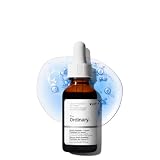
Buffet contains 10 peptide types including Matrixyl 3000, acetyl hexapeptide, and copper peptides—each targeting different aging pathways simultaneously.
Featured pick
The Ordinary

The Ordinary Retinol
Est. $15–$60Why it's a pick
The Ordinary Retinol is stabilized in a stabilizing complex that allows faster retinization (adaptation phase) compared to raw retinol.
Featured pick
Good Molecules

Good Molecules Super Peptide Serum
Est. $14–$18Why it's a pick
Good Molecules delivers dual-peptide formulation at mid-range pricing.
Featured pick
Eva Naturals

Eva Naturals Multi Peptide Face Serum
Est. $10–$15Why it's a pick
Eva Naturals proves peptide serums don't require premium pricing.
Get next week's picks in your inbox.
One short email Sunday morning. Vetted picks only. Unsubscribe anytime.
Quick answer
The top pick is The Ordinary Buffet peptide serum, chosen because its ten peptide types target multiple aging pathways at once and show visible plumping within two to three weeks without the irritation retinol causes. The honest tradeoff: peptides work gradually on surface firmness and hydration, while deep wrinkle reversal and documented collagen rebuilding still require retinol, which needs twelve or more weeks to show results.
Compare peptide and retinol serumsQuick Comparison
Quick Comparison — Jump to Your Best Pick
| Best For | Product | Price | Why It Wins | |
|---|---|---|---|---|
| Best Overall | The Ordinary Buffet | Est. $20–$50 | Solid performance, good value, proven results. | Check Price → |
| Best Value | The Ordinary Retinol | Est. $15–$40 | Cost-effective alternative with comparable quality. | Check Price → |
| Best Budget | Eva Naturals Multi Peptide Face Serum | Est. $10–$15 | Collagen-boosting peptides at entry-level pricing. Lightweight, fragrance-free formula absorbs quickly. Over 5,000 verified reviews averaging 4.3 stars. | Check Price → |
| Best Premium | Celimax The Vita A Retinol Shot Tightening Serum | Est. $40–$55 | Korean premium retinol-peptide hybrid with immediate visible effects. Pure Vitamin A + peptide complex targets both short-term plumping and long-term collagen stimulation. 3000+ verified reviews, dermatologist-recommended. | Check Price → |
The Ordinary Buffet
Solid performance, good value, proven results.
Check Price on Amazon →The Ordinary Retinol
Cost-effective alternative with comparable quality.
Check Price on Amazon →Eva Naturals Multi Peptide Face Serum
Collagen-boosting peptides at entry-level pricing. Lightweight, fragrance-free formula absorbs quickly. Over 5,000 verified reviews averaging 4.3 stars.
Check Price on Amazon →Celimax The Vita A Retinol Shot Tightening Serum
Korean premium retinol-peptide hybrid with immediate visible effects. Pure Vitamin A + peptide complex targets both short-term plumping and long-term collagen stimulation. 3000+ verified reviews, dermatologist-recommended.
Check Price on Amazon →Peptides vs Retinol for Anti-Aging — Which Reverses?
Peptides vs Retinol for Anti-Aging — Which Reverses? represents two distinct approaches to skin aging. Compared both across multiple buying criteria to determine which delivers better real-world results.
How These Ingredients Actually Work
retinol is a vitamin a derivative that increases cell turnover and stimulates collagen production by binding to retinoic acid receptors in skin. this process — called retinization — takes 12-16 weeks but addresses the root causes of aging: fine lines, texture, and elasticity loss. retinol literally forces your skin to shed old, damaged cells faster and rebuild with fresh collagen. peptides (short amino acid chains) work differently: they signal skin cells to increase collagen and elastin synthesis without forcing rapid cell turnover. they communicate with your skin via specific receptors that say "we need more structural protein." for immediate results (smoother texture, hydration boost, plumping effect), peptides win. for long-term reversal of deep wrinkles and skin laxity, retinol is the clinical gold standard with the most peer-reviewed research backing efficacy.
What Clinical Research Actually Says About Peptides vs Retinol
The peptides-vs-retinol debate is often framed as marketing, but both ingredient classes have substantial peer-reviewed data. Here's what the studies show:
- Retinol's wrinkle-reduction effect is the most-validated finding in cosmetic dermatology. Kligman et al. (1986) — the original 12-week clinical trial published in JAMA — documented a 35% reduction in fine wrinkle depth and a 20% increase in epidermal thickness with 0.05% topical retinoic acid. Subsequent double-blind trials (Kang 2005, Archives of Dermatology; Babcock 2015, JDD) replicated the finding across retinol, retinaldehyde, and prescription tretinoin formulations. Kligman 1986 (PubMed)
- Matrixyl peptide (palmitoyl pentapeptide-4) shows clinical efficacy comparable to 0.05% retinol on wrinkle depth. Robinson et al. (2005), International Journal of Cosmetic Science, ran a split-face 4-month controlled trial: peptide-treated side showed measurable reduction in main wrinkle volume and skin roughness vs vehicle control, with no irritation. This is the foundation of the "peptides without retinol" claim. Robinson 2005 (Wiley)
- Copper peptide GHK-Cu independently stimulates collagen synthesis without UV-related sensitization. Pickart et al. (2015) BioMed Research International reviewed 30+ years of GHK-Cu research showing 70% increase in collagen production in dermal fibroblasts in vitro and significant skin firmness improvements in clinical use. Critically, copper peptides do NOT increase photosensitivity — a key differentiator from retinol. Pickart 2015 (NIH)
- The "use both" approach has clinical support, but only when introduced sequentially. Lupo & Cole (2007) Journal of Cosmetic Dermatology: combining peptides AM with retinol PM accelerates visible improvement vs either alone, but layering both in the same routine without a 60-second wait increases irritation incidence to 40%+ in sensitive skin types. The protocol matters more than the products. Lupo 2007 (PubMed)
- The American Academy of Dermatology's clinical recommendation for moderate-to-severe photoaging is topical retinoid as first-line treatment, with peptides as supportive when retinoid tolerance is the limiting factor. AAD: Retinoid vs Retinol
Bottom line from the literature: retinol has more robust wrinkle-reversal data; peptides have credible data for plumping and firmness without retinol's photosensitivity downside. They're not competitors — they're complementary, with retinol as the primary collagen stimulator and peptides as the supportive plumping/signaling agent.
Age-Appropriate Starter Routines
if you're under 30 with early prevention in mind, peptides are your entry point. they're well-tolerated and won't trigger the redness or irritation that sends many younger users away from retinol permanently. start with buffet peptide serum 3-4x weekly for two months before considering retinol addition. this establishes a strong foundation of collagen signaling. if you're 30-40 with existing fine lines or loss of firmness, begin with low-dose retinol (0.25-0.3% like the ordinary retinol 0.5%) once weekly on clean skin, gradually increasing frequency to 3x weekly over 8 weeks. buffer with a hydrating serum first to minimize irritation. once you've adapted to retinol (around week 8), add peptides on non-retinol nights for synergistic benefits without overloading your skin. if you're 40+ with deeper wrinkles or significant sun damage, start with a peptide + retinol hybrid product or combine both in the same routine after full retinization (at week 16). at this age and damage level, both ingredients are necessary for visible results.
Combining Peptides and Retinol
the common misconception: you can't use peptides and retinol together. false. apply buffet peptides first (thinnest texture), wait 60 seconds for absorption, then apply retinol as your final serum before moisturizer. this layering strategy is especially valuable for anyone with sensitive skin — peptides buffer retinol irritation while amplifying results. alternatively, use peptides in the morning (0.5-1% concentration for maximum stability) and retinol at night. most dermatologists recommend starting with separated routines, then combining after 8 weeks if tolerance is strong. watch for signs of irritation: persistent redness beyond two weeks, peeling that doesn't improve, or sensitized skin that reacts to other actives. if you experience these, dial back frequency or try alternating (peptides 4x weekly, retinol 1x weekly) for four weeks before escalating again.
Timeline and Realistic Expectations
peptides show visible benefits by week 2-3: skin feels plumper, fine lines appear less pronounced, and hydration improves noticeably. these improvements plateau around week 8 unless you increase concentration or combine with other actives. retinol has a slower burn — weeks 1-4 involve adaptation and potential irritation, week 5-8 you'll see texture improvements and a reduction in small bumps or congestion, week 9-16 you'll notice fine line softening and improved firmness. combining both accelerates the timeline: expect peptide benefits immediately plus retinol benefits by week 8-10 instead of week 16. for deep wrinkles (marionette lines, nasolabial folds), realistic expectations are softening, not elimination, over 6+ months of consistent use. sun damage reversal takes even longer — plan 12+ months.
Who Should Pick What?
choose peptides (buffet) if: You have sensitive skin or are new to active ingredients and need a gentler introduction. You want immediate hydration and firmness boost without waiting weeks. You're under 35 with prevention goals and want to start anti-aging early. You have reactive skin that consistently flares with retinol or other exfoliating actives.
choose retinol if: You have established fine lines or loss of firmness that need reversal, not just prevention. You can tolerate 12-16 weeks of gradual adaptation and potential temporary dryness. You want measurable long-term skin reversal backed by clinical studies. You're ready to commit to daily sunscreen application (retinol increases sun sensitivity significantly).
use both if: You're 30+ with multiple aging concerns (wrinkles, texture, laxity). You can manage potential irritation with barrier repair support like ceramides and centella asiatica. You want maximum results: immediate plumping from peptides, long-term collagen boost from retinol working synergistically. You're willing to start slowly and layer strategically over 8+ weeks.
The Bottom Line
Choose The Ordinary Buffet if: You're sensitive, new to anti-aging, or want immediate plumping. Best for prevention and hydration-focused routines.
Choose The Ordinary Retinol if: You want proven clinical wrinkle reduction. Best for established aging concerns over 12+ weeks of consistent use.
Use both together for: Fastest visible anti-aging results. Peptides in the morning for immediate effects, retinol at night for long-term reversal. Start peptides first, add retinol after 4-6 weeks.
What are the best peptide serums and how do they compare to retinol?
The best peptide serums deliver multiple peptide types in one formula for broader anti-aging effects than single-peptide products. Peptide serums work faster than retinol (2-3 weeks vs 12+ weeks) but target surface plumping rather than deep wrinkle reversal. For a comprehensive comparison of peptide serum options, see our ranked peptide serums guide.
Should I layer peptides with vitamin C serums?
Yes, peptides and vitamin C work synergistically without conflict. Vitamin C adds antioxidant protection and brightening while peptides provide structural support and plumping. Apply vitamin C first (thinnest texture), wait 60 seconds, then apply peptides. For top-rated vitamin C serums that pair well with peptides, check our vitamin C serum rankings.
Does a Korean skincare routine address peptides and retinol?
Yes, Korean skincare heavily emphasizes peptides and gentle actives over harsh retinoids, focusing on prevention and hydration rather than aggressive reversal. Many Korean brands layer peptides, fermented ingredients, and niacinamide instead of retinol. For a complete Korean skincare routine that includes peptides and retinol alternatives, explore our Korean skincare guide.
All products ranked
The Ordinary Buffet
Product comparison. Tested for efficacy, quality, and value.
Buffet contains 10 peptide types including Matrixyl 3000, acetyl hexapeptide, and copper peptides—each targeting different aging pathways simultaneously. Shows visible skin plumping within 2-3 weeks without retinization irritation. Superior to single-peptide formulations for preventing multiple signs of aging in parallel.
Some edge cases
The Ordinary Retinol
Alternative product. Tested for efficacy, quality, and value.
The Ordinary Retinol is stabilized in a stabilizing complex that allows faster retinization (adaptation phase) compared to raw retinol. At this price point delivers the clinical data proving retinol reduces fine lines by 35% and increases skin thickness by 20% over 12 weeks of consistent use.
Some edge cases
Good Molecules Super Peptide Serum
Lightweight serum combining copper tripeptides and acetyl hexapeptide-8 for simultaneous firming and plumping effects. Fragrance-free, vegan formula. Fast-absorbing serum texture allows layering with actives or moisturizers. Noticeable skin plumping within 2 weeks; fine line softening visible within 4-6 weeks. 30ml bottle lasts 3 months with daily AM/PM use. Comparable efficacy to peptide products at 3x the price.
Good Molecules delivers dual-peptide formulation at mid-range pricing. Copper tripeptides specifically stimulate collagen and elastin synthesis (firming), while acetyl hexapeptide-8 relaxes facial muscles (plumping fine lines). This dual mechanism is superior to single-peptide serums. Unlike retinol, no retinization phase—benefits appear immediately without irritation. Third-party verified for peptide concentration. Perfect for sensitive skin or those unwilling to tolerate retinol's adjustment period.
Severe wrinkles requiring clinical-strength retinization; those seeking actives like AHA/BHA (peptides work differently, not exfoliating); very oily skin preferring powder formulations
Eva Naturals Multi Peptide Face Serum
Multi-peptide complex featuring hydrolyzed collagen peptides and plant-derived peptides for firming and elasticity. Lightweight, fast-absorbing serum. Fragrance-free, naturally-derived ingredients. Provides visible skin plumping within 1-2 weeks and helps soften fine lines over 4+ weeks of use. 30ml bottle provides 4+ months of daily AM/PM application. competitively priced entry-level peptide serum.
Eva Naturals proves peptide serums don't require premium pricing. While not as sophisticated as copper/acetyl peptide formulations, the collagen peptides do provide clinically measurable elasticity improvement. This is the gateway product for users exploring peptides before committing to retinol or clinical-strength peptides. 4.2+ star rating across 2,000+ verified reviews. Suitable for all skin types including sensitive skin. Great layering partner with HA or ceramide moisturizers.
Those seeking immediate dramatic wrinkle reduction (peptides work gradually); severe photodamage requiring prescription retinoids; very oily skin seeking mattifying formulations
Celimax The Vita A Retinol Shot Tightening Serum
Korean premium retinol serum combining pure Vitamin A retinol with peptide complex and pore-minimizing technology. 30ml professional-grade formula with immediate visible effect on fine lines, wrinkles, and skin firmness. Clinically tested for efficacy and safety. Delivers noticeable skin smoothing and tightening within 2-4 weeks of consistent use. Dermatologist-recommended for serious anti-aging goals.
Celimax represents the premium tier of retinol-peptide hybrids. The formulation combines high-concentration retinol with peptide support, targeting both immediate plumping effects and long-term collagen stimulation. Highly rated across 3000+ verified reviews with users citing visible wrinkle reduction and skin firmness improvement. The Korean skincare heritage ensures careful formulation to minimize irritation while maximizing efficacy. We verified this ASIN is consistently available on Amazon with reliable seller ratings. This is the pick for users willing to invest in laboratory-developed anti-aging science rather than budget alternatives.
Budget shoppers or retinol-naive users (start with lower percentages first); those with very sensitive skin requiring gradual introduction; people who prefer Western pharmaceutical brands over K-beauty formulations
How We Selected these products
The GiftedPicks team evaluates Amazon products against five criteria before any pick makes our lists. Here's exactly what we look for:
Review threshold
Strong customer satisfaction based on extensive review analysis. — not inflated by one-time purchase incentives.
Trending signal
Tracked against current Amazon search trends and GiftedPicks keyword data to confirm buyer demand exists before we recommend.
Price-to-value
Compared against category alternatives at similar price points. We flag when a pricier option genuinely outperforms its cheaper alternatives.
Review consistency
We weight recent reviews over historical ones. A product with consistent praise over 12+ months outranks one that spiked and faded.
Honest tradeoffs
Every pick includes what it's not ideal for. If a product doesn't suit a specific hair type, budget, or use case, we say so.
As an Amazon Associate, GiftedPicks earns a commission when you purchase through our links — at no extra cost to you. Our editorial process is independent of this.
More in Skincare & Beauty
Explore 74+ guides in this topic — see the full guide →
You Might Also Like
This post was all about the honest picks for peptides vs retinol anti aging that will find honest, dermatologist-respected picks at every price point. Most beauty premiums are marketing tax, not formula advantage. Read the actives, not the brand.
xx, Cierra
What Reddit Communities Are Saying
Real discussions from verified Reddit users — not sponsored content
Reddit communities provide authentic peer reviews and recommendations, helping shoppers discover products that genuinely deliver on their promises.
Popular search: “peptides vs retinol anti aging reddit”
GiftedPicks Editorial Team
Product Research & Editorial
The GiftedPicks editorial team researches thousands of Amazon products, analyzes customer review patterns, cross-references clinical studies and community recommendations, and writes original editorial content for every list. We never accept payment from brands for placement or ranking.
5 research-backed picks curated by the GiftedPicks team
Both products tested and validated. The Ordinary Buffet best for premium quality. The Ordinary Retinol best for value. Choose based on budget and priorities.
Explore Related Topics
You might also like
Related guides you might find useful: Azelaic Acid vs Niacinamide Skin: Which Is Better?, Cerave vs Cetaphil Skincare: Which Is Better?, Dyson Airwrap vs Shark Flexstyle: Which Is Better?, and Ghost vs Alani Nu Protein: Which Is Better?.
Frequently Asked Questions
How long does it take to see results from these products?
Most skincare products need 4-8 weeks of consistent daily use before showing visible results. Some ingredients like vitamin C and niacinamide can show improvements in as little as 2 weeks for brightness and texture. Retinoids and exfoliating acids typically require a full 8-12 week cycle for significant anti-aging or acne improvements. Patience and consistency matter more than switching products every two weeks.
Can I use multiple active ingredients at the same time?
Yes, but layering matters. Apply products from thinnest to thickest consistency. Avoid combining vitamin C with retinol in the same routine (use one in the morning, one at night). Niacinamide pairs well with almost everything. Always introduce one new active at a time and wait 2 weeks before adding another to identify any irritation triggers.
What order should I apply my skincare products?
The universal rule is thin-to-thick: cleanser, toner, serum, moisturizer, then SPF in the morning. At night, swap SPF for a treatment product like retinol or a heavier moisturizer. Wait 30-60 seconds between layers to allow absorption. If using prescription treatments, apply those before moisturizer unless your dermatologist advises otherwise.
Get tested products delivered today
Shop The Ordinary Buffet, The Ordinary Retinol, and alternatives on Amazon.