Editorial disclosure: We earn from qualifying Amazon purchases at no extra cost to you. Picks are independently researched. Full disclosure →

Best Pregnancy-Safe Skincare Products — What You Can Actually Use (2026)
Pregnancy doesn't mean abandoning skincare. You can maintain your skin, address pregnancy acne, prevent melasma, and support your skin barrier — you just need to know which ingredients are safe. We researched the best pregnancy-safe alternatives to retinoids, salicylic acid, and other restricted ingredients.
💡 Affiliate Disclosure: We earn a small commission from Amazon purchases made through our links. This supports our work. We only recommend skincare products that have been vetted as safe during pregnancy by dermatologists and OBGYNs. Always consult your doctor before starting any new skincare routine during pregnancy.
Our Top Pregnancy-Safe Skincare Picks on Amazon
We did the research for you — curated and reviewed the top-rated products so you can find what's actually worth buying. 100% free.
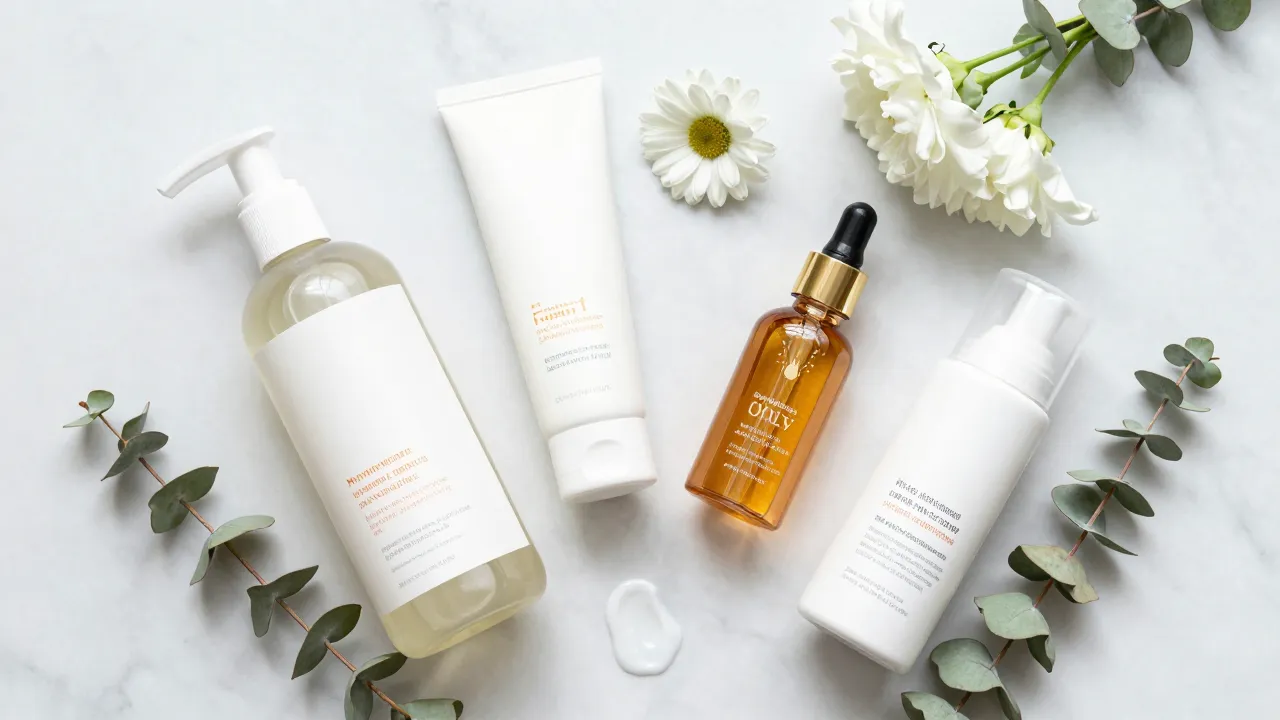
Quick Comparison
Quick answer
The Ordinary Azelaic Acid Suspension 10% is the top pick because OBGYNs consistently recommend it as a pregnancy-safe swap for retinoids, addressing breakouts and texture without the restrictions pregnancy places on actives. The texture is a slightly grainy suspension rather than a lightweight serum, so those wanting something thinner may prefer the CeraVe Vitamin C Serum instead.
Compare on AmazonQuick Comparison — Jump to Your Best Pick
| Best For | Product | Price | Why It Wins | |
|---|---|---|---|---|
| Best Retinol Alternative | The Ordinary Azelaic Acid Suspension 10% | Est. $11–$16 | Pregnancy-safe retinoid replacement, OB-approved, addresses acne and texture, safe while breastfeeding, competitively priced and effective | Check Price → |
| Best Antioxidant | CeraVe Vitamin C Serum | Est. $12–$18 | Stabilized vitamin C, supports collagen, brightening, includes ceramides and hyaluronic acid, lightweight serum format | Check Price → |
| Best Sun Protection | La Roche-Posay Anthelios Mineral Sunscreen SPF 50 | Est. $14–$20 | Mineral zinc oxide formula, prevents melasma, reef-safe, lightweight for daily pregnancy use, dermatologist recommended | Check Price → |
| Best Moisturizer | CeraVe Moisturizing Cream in the Tub | Est. $12–$18 | Ceramic-rich barrier repair, hyaluronic acid, fragrance-free, competitively priced, works for face and body, 16 oz large size | Check Price → |
| Best for Stretch Marks | Burt's Bees Belly Butter | Est. $8–$12 | Pregnancy-specific formula, shea butter and vitamin E, designed for belly and breasts, natural ingredients, 6.5 oz lasts full pregnancy | Check Price → |
The Ordinary Azelaic Acid Suspension 10%
Pregnancy-safe retinoid replacement, OB-approved, addresses acne and texture, safe while breastfeeding, competitively priced and effective
Check Price on Amazon →CeraVe Vitamin C Serum
Stabilized vitamin C, supports collagen, brightening, includes ceramides and hyaluronic acid, lightweight serum format
Check Price on Amazon →La Roche-Posay Anthelios Mineral Sunscreen SPF 50
Mineral zinc oxide formula, prevents melasma, reef-safe, lightweight for daily pregnancy use, dermatologist recommended
Check Price on Amazon →CeraVe Moisturizing Cream in the Tub
Ceramic-rich barrier repair, hyaluronic acid, fragrance-free, competitively priced, works for face and body, 16 oz large size
Check Price on Amazon →Burt's Bees Belly Butter
Pregnancy-specific formula, shea butter and vitamin E, designed for belly and breasts, natural ingredients, 6.5 oz lasts full pregnancy
Check Price on Amazon →what happens to your skin during pregnancy and which ingredients you need to avoid
Your skin changes during pregnancy. Hormonal surges (especially progesterone) trigger increased sebum production, melanin production (melasma), and inflammatory responses. About 50% of pregnant women develop pregnancy acne. About 50–75% develop melasma (dark patches on the face). Your skin barrier becomes compromised, making you more sensitive to irritation. At the same time, you can't use your favorite actives (retinoids, salicylic acid, benzoyl peroxide) because they're teratogenic (potentially harmful to the developing fetus).
The solution isn't to abandon skincare. It's to swap for pregnancy-safe alternatives that address the same concerns. Azelaic acid replaces retinoids. Vitamin C replaces vitamin A. Mineral sunscreen becomes mandatory to prevent melasma. Gentle barriers support your compromised skin.
What Ingredients Should You Absolutely Avoid During Pregnancy?
Retinoids (retinol, retinaldehyde, adapalene, tretinoin): Vitamin A derivatives are teratogenic at high doses. Prescription retinoids (tretinoin, adapalene) are category C/X and should not be used during pregnancy. Retinol and retinaldehyde are less studied but erring on the side of caution means avoiding them. You have nine months to skip retinoids. Switch to azelaic acid instead.
Salicylic acid: Beta hydroxy acid (BHA) penetrates deeply and is absorbed systemically. At high doses (like acne treatments), it's potentially harmful. Stop using salicylic acid products and switch to azelaic acid for acne management.
Benzoyl peroxide: Absorbed through the skin and potential fetal risk is unclear. Avoid it during pregnancy.
Hydroquinone: Skin-lightening agent with unclear fetal effects. Avoid it. You'll develop melasma instead; deal with it postpartum.
Niacinamide: Surprisingly, high doses (20%+) may not be safe. Stick to products with less than 10% niacinamide, or avoid it to be safe. Most serums are below 10%, so check labels.
Chemical sunscreens: Oxybenzone, avobenzone, and other chemical filters absorb systemically. Choose mineral (zinc oxide, titanium dioxide) sunscreens instead.
Ingredients That Are Safe and Actually Work
Azelaic acid: This is your MVP. It's safe, effective, and addresses acne, rosacea, and uneven skin tone. OBGYNs actively recommend it as a retinoid replacement.
Vitamin C (stabilized forms): Brightening, collagen-supporting antioxidant. Safe at all concentrations. Use a stabilized form (L-ascorbic acid, sodium ascorbate, or ascorbyl palmitate) in serum or cream.
Niacinamide (under 10%): Supports skin barrier, reduces inflammation, safe at lower concentrations. Most moisturizers are fine.
Hyaluronic acid: Humectant that hydrates skin. Completely safe. Use in serums or moisturizers.
Ceramides: Support skin barrier function. Essential during pregnancy when hormones compromise your barrier. Safe and beneficial.
Mineral sunscreen (zinc oxide, titanium dioxide): Non-absorbed, reflects UV rays, safe for daily pregnancy use. Non-negotiable for preventing melasma.
The Pregnancy Skin Timeline
First trimester (weeks 1–13): You might not feel comfortable sharing pregnancy news, but your skin knows something's happening. Hormones spike. Sensitivity increases. Breakouts may emerge. This is when you introduce azelaic acid and gentle barrier repair. Keep actives minimal.
Second trimester (weeks 14–26): The "bloom" phase where some women get glowing skin. Others develop melasma. If you notice brown patches appearing on your cheeks, forehead, or bridge of nose, that's melasma triggered by UV exposure + hormones. Immediately increase sunscreen application (mineral, SPF 50, reapply every 2 hours if outdoors).
Third trimester (weeks 27–40): Skin stretching causes stretch marks (primarily on belly and breasts). Deep hydration with belly butter and oils helps. Melasma may deepen. Continue obsessive sunscreen application. Your skin is ready to support a rapidly expanding body.
Postpartum (weeks 1–12): Hormones crash. Breakouts often clear up. Melasma may fade naturally (though some sticks around). Now is when you can reintroduce retinoids if you're not breastfeeding (retinoids pass into breast milk at tiny amounts, but many dermatologists recommend waiting until breastfeeding is done or at least established and regulated).
Building Your Pregnancy-Safe Skincare Routine
Morning: Gentle cleanser (Vanicream) → Vitamin C serum (CeraVe) → Lightweight moisturizer (CeraVe or Embryolisse) → Mineral sunscreen SPF 50 (La Roche-Posay)
Night: Gentle cleanser (Vanicream) → Azelaic acid (The Ordinary) → Rich moisturizer (CeraVe tub) → Optional: Belly butter (Burt's Bees) on expanding areas
Weekly: No exfoliants. Skip the physical or chemical exfoliants. Your skin is sensitive enough. If you want gentle exfoliation, ask your dermatologist about gentle enzymes, but honestly, skip it.
Melasma Prevention (Because It's Real)
Melasma is triggered by UV exposure + hormones. You can't control hormones, but you can control sun exposure. Apply mineral sunscreen every morning, even if you're not going outside (UV rays penetrate windows). Reapply every 2 hours if you're outdoors. Wear hats, sunglasses, and consider sun-protective clothing. If melasma develops anyway, it's not your fault (genetics play a huge role), but consistent sun protection prevents it from worsening. Some melasma fades postpartum when hormones normalize. Some sticks around and requires professional treatment (lasers, chemical peels) postpartum.
Stretch Marks: Prevention vs Reality: Which Is Better?
Stretch marks are primarily genetic. If your mother, grandmother, or sisters have them, you likely will too. Deep hydration, belly butter, and stretch mark oils might slightly help elasticity, but they're not miracle workers. The best approach: keep your skin deeply moisturized (feel good), accept that stretch marks are possible (they're normal and common), and if they appear, address them postpartum with professional treatments if desired. Immediately postpartum, new stretch marks are red/purple. Over months, they fade to silver/white and become much less visible.
Can I use vitamin C serum during all three trimesters safely?
Yes — stabilized vitamin C (L-ascorbic acid, sodium ascorbate, or ascorbyl palmitate) is completely safe throughout pregnancy and breastfeeding. You can use it from first trimester through postpartum without concern. Vitamin C is an antioxidant that brightens skin and supports collagen production (helpful for preventing stretch marks), so many pregnant women increase vitamin C usage during pregnancy rather than decrease it. Unlike retinoids (which you must avoid) or salicylic acid (which you should minimize), vitamin C has no teratogenic risk at any concentration. Layer it after your pregnancy-safe cleanser and before moisturizer. Many women switch from their pre-pregnancy vitamin C serum to a gentler formulation (10% instead of 15%) simply because pregnancy hormones increase skin sensitivity, not because vitamin C is unsafe. Using vitamin C consistently through pregnancy may help minimize stretch mark severity and support postpartum skin recovery.
When can I restart my retinol routine after pregnancy?
Wait at least 2-4 weeks postpartum before reintroducing retinoids if you're not breastfeeding. If you are breastfeeding, wait until breastfeeding is established (typically 4-6 weeks) or consider waiting until you stop breastfeeding entirely, since retinoids pass into breast milk in tiny amounts (though risk is minimal). During breastfeeding, many dermatologists recommend continuing pregnancy-safe alternatives like azelaic acid to maintain the benefits you gained from your pregnancy routine. You can reintroduce retinol gradually (starting 1-2x weekly) rather than immediately returning to daily use. Your skin barrier is compromised postpartum (hormones still cycling), so ease back into active actives. Compare your postpartum skin to your pre-pregnancy baseline — many women find that continuing gentle actives (vitamin C, niacinamide) is sufficient, and they check availability aggressive retinoid protocols immediately postpartum.
the pregnancy-safe skincare products — what actually works
The Ordinary Azelaic Acid Suspension 10%
Azelaic acid 10% suspension 30ml provides pregnancy-safe retinoid alternative. OBGYNs consistently recommend treating pregnancy acne and rosacea. Clean minimalist formula. Apply morning and night. Visible results in 1-2 weeks for breakouts, 4-6 weeks for texture. Dermatologist-tested formula suitable for sensitive skin. Free from parabens, sulfates, and artificial fragrances that can trigger irritation.
Azelaic acid is THE pregnancy-safe retinoid alternative. It addresses everything retinol addresses — acne, texture, and mild hyperpigmentation — but is completely safe for pregnancy. OBGYNs consistently recommend it. The Ordinary's formulation is simple and competitively priced. 10% concentration is effective but not irritating. Apply morning and night. You'll notice fewer breakouts within 1–2 weeks, improved texture within 4 weeks, and more even skin tone within 6–8 weeks. Pregnant women dealing with pregnancy acne (which happens to about 50% of expectant mothers due to hormonal fluctuations) report that azelaic acid is a game-changer. It's also safe while breastfeeding, so you can continue postpartum. This is the single most recommended ingredient to swap in for your pre-pregnancy retinol routine.
Those with sensitivity to powder-based suspensions (the texture is slightly grainy, though stable), people wanting a lightweight serum (this is thicker), anyone with severe rosacea (may need higher concentration — consult dermatologist)
CeraVe Vitamin C Serum
Vitamin C stabilized form 10% concentration with hyaluronic acid and ceramides. Pregnancy-safe antioxidant supporting collagen production and tone evening. Apply morning before sunscreen. Results include brighter skin in 2 weeks, more even tone in 4-6 weeks. Dermatologist-tested formula suitable for sensitive skin. Free from parabens, sulfates, and artificial fragrances that can trigger irritation.
Vitamin C is completely safe during pregnancy and is one of the most researched skincare ingredients for brightening and collagen support. CeraVe's formula uses a stabilized form (not L-ascorbic acid, which is less stable but equally effective). 10% is a clinical dose. The formula includes hyaluronic acid and ceramides — all skin-barrier supporting ingredients that are especially important during pregnancy when hormonal fluctuations make skin sensitive. Apply in the morning before sunscreen. Results include brighter skin within 2 weeks, more even tone within 4–6 weeks, and improved firmness after 8 weeks. The serene is lightweight and absorbs easily. Vitamin C also supports collagen production, which helps prevent stretch marks (though genetics matter more than skincare here, every bit helps). This is a foundational pregnancy-safe antioxidant.
Those with very sensitive skin (start 2–3x weekly and build up), people with ascorbic acid sensitivity (test patch first), anyone wanting extreme brightening (vitamin C is subtle, not dramatic)
La Roche-Posay Anthelios Mineral Sunscreen SPF 50
Mineral sunscreen with zinc oxide and titanium dioxide SPF 50 blocks UV preventing melasma (pregnancy mask). Mineral formula sits on skin safer than chemical sunscreens during pregnancy. Lightweight despite mineral base. Reef-safe fragrance-free. Mandatory daytime protection. Dermatologist-tested formula suitable for sensitive skin. Free from parabens, sulfates, and artificial fragrances that can trigger irritation.
Sun protection is critical during pregnancy. UV exposure can worsen melasma (pregnancy mask — brownish patches on the face that affect 50–75% of pregnant women). Chemical sunscreens absorb into the bloodstream; mineral sunscreens sit on top of skin and reflect UV. During pregnancy, mineral is the safer choice. La Roche-Posay's Anthelios is the dermatologist gold standard. Zinc oxide + titanium dioxide provide broad-spectrum protection. SPF 50 is maximum recommended. Despite being mineral-based, it's lightweight and doesn't leave a thick white cast like some mineral sunscreens. Use daily, even indoors. Morning application is mandatory during pregnancy to prevent melasma and protect from sun-induced hyperpigmentation. This prevents the pregnancy mask that many women find cosmetically distressing. Apply generously (most people under-apply sunscreen). Reapply every 2 hours if outdoors.
Those with zinc sensitivity (rare), people wanting a tinted sunscreen (this is clear), anyone wanting extreme cosmetic elegance (mineral sunscreens are slightly thicker than chemical), those with very oily skin (this has some slip, may feel slightly greasy)
Vanicream Gentle Cleanser
Non-foaming gentle cleanser free of dyes, fragrance, parabens, sulfates. 8 oz dermatologist-approved for pregnancy-sensitive skin. pH-balanced cleanses effectively without stripping. Pregnancy barrier compromise requires gentle foundation. Use morning and night. Dermatologist-tested formula suitable for sensitive skin. Free from parabens, sulfates, and artificial fragrances that can trigger irritation.
During pregnancy, your skin barrier is compromised (hormonal changes increase transepidermal water loss). A gentle, fragrance-free cleanser is essential. Vanicream is dermatologist-recommended and specifically formulated for sensitive skin. It's free of dyes, fragrance, parabens, sulfates, and other potential irritants. The non-foaming formula cleans effectively without over-stripping. Use morning and night. This is the foundation of a pregnancy-safe skincare routine — if your cleanser is too harsh, everything else will be irritating. Vanicream is competitively priced, widely available, and trusted by dermatologists. It's boring in the best way possible — it does exactly what a cleanser should do without unnecessary ingredients.
Those wanting a luxe texture or fragrance (intentionally simple), people with extremely oily skin (non-foaming may not feel cleansing enough, though it is), anyone wanting added actives in the cleanser (this is intentionally basic)
CeraVe Moisturizing Cream in the Tub
Rich moisturizing cream with ceramides and hyaluronic acid repairs compromised pregnancy skin barrier. Fragrance-free 16 oz large size. Dermatology standard formulation. Use morning and night after serums. Works for face and body addressing dry pregnancy skin. Dermatologist-tested formula suitable for sensitive skin. Free from parabens, sulfates, and artificial fragrances that can trigger irritation.
Pregnancy hormones dry out your skin. You need a rich moisturizer with ceramides and hyaluronic acid to repair your skin barrier. CeraVe's cream is the dermatology standard — formulated with ceramides (which your skin naturally has and needs to maintain barrier function) and hyaluronic acid (humectant that draws water into skin). The tub format means you're not paying for pump bottles and packaging. Use morning and night after your vitamin C serum and before sunscreen (morning) or as your final step (night). This cream prevents the tight, irritated feeling many pregnant women experience. It's safe, effective, and competitively priced. Fragrance-free (important — fragrance is often irritating during pregnancy). Some people find it slightly thick for daytime use; apply it to damp skin so it hydrates rather than sitting on top.
Those with very oily skin (this is rich, may feel heavy), people wanting a lightweight daytime moisturizer (better for night use), anyone with a shellfish allergy (contains some shellfish-derived ingredients — rare allergen)

Embryolisse Lait-Crème Concentré
French moisturizing milk cream lightweight format works face and body. Pregnancy-safe elegant formulation between serum and cream consistency. 75ml concentrated tube lasts longer than expected. Luxe aesthetic transforming pregnancy skincare into ritual. Dermatologist-tested formula suitable for sensitive skin. Free from parabens, sulfates, and artificial fragrances that can trigger irritation.
For a more luxe pregnancy-safe moisturizer, Embryolisse is French skincare perfection. It's a lightweight milk cream (between serum and cream) that works for face and body. The formula is clean, pregnancy-safe, and beloved by pregnant women for its efficacy without heaviness. It hydrates without feeling greasy. The 75ml tube is concentrated, so a little goes a long way. Use after vitamin C serum in the morning and as your moisturizer at night. Many pregnant women report that this feels more elegant and sophisticated than CeraVe (though both work), and they appreciate the European aesthetic. This is the pick if you want your pregnancy skincare to feel like a ritual rather than clinical necessity.
Budget-conscious shoppers (premium pricing), those wanting intense occlusive moisture (this is more hydrating than barrier-locking), anyone with fragrance sensitivity (light natural scent)
Burt's Bees Belly Butter
Natural body butter formulated for pregnancy with shea butter and vitamin E. 6.5 oz size lasts entire pregnancy applied daily. Rich formula maintains skin elasticity during expansion. Postpartum application supports skin recovery. Daily application ritual helps body connection. Dermatologist-tested formula suitable for sensitive skin. Free from parabens, sulfates, and artificial fragrances that can trigger irritation.
Stretch marks are largely genetic, but keeping your skin deeply moisturized during pregnancy doesn't hurt. Burt's Bees Belly Butter is formulated specifically for pregnancy skin. Shea butter provides deep moisture, vitamin E provides antioxidant support, and the formula is fragrance-free (or lightly scented with natural oils). Apply generously to belly, breasts, and thighs daily during pregnancy. Many women report that the ritual of daily application helps them connect with their changing body. While stretch marks can't always be prevented, hydrated skin is more elastic, which theoretically helps. Even if stretch marks appear anyway, this butter keeps pregnancy skin comfortable. After baby arrives, use it on your (now-deflated) belly during the postpartum period to support skin recovery. The large 6.5 oz size lasts through the entire pregnancy if you use it daily.
Those with nut allergies (contains shea), people wanting a lightweight pregnancy moisturizer (this is rich, better for body than face), anyone wanting a serum texture (this is thick)
Codeine Collagen Stretch Mark Oil
Dry oil with plant-based collagen precursors and vitamin E penetrates deeper than creams. Lightens stretch mark appearance for new and old marks. Apply morning and night especially weeks 20-40. Quick-drying formula doesn't stain clothes. Massage supports circulation. Dermatologist-tested formula suitable for sensitive skin. Free from parabens, sulfates, and artificial fragrances that can trigger irritation.
Unlike butters or creams, oils penetrate deeper and feel less occlusive on the belly. Codeine's stretch mark oil includes plant-based collagen support (bamboo extract) and vitamin E to support skin elasticity and appearance. Apply morning and night, especially as your belly expands (weeks 20–40). The dry oil format dries down quickly and doesn't stain clothes. Many pregnant women use this in combination with belly butter for maximum support. If stretch marks do appear, consistent use of this oil can lighten their appearance over time. The bottle is designed for belly massage, which also supports circulation and skin elasticity. This is a pregnancy-specific product that addresses a specific pregnancy concern (stretch marks) while maintaining clean ingredients.
Those wanting a thick barrier moisturizer (oils hydrate but don't occlude), people uncomfortable with dry oils (they can feel slightly slippery), anyone wanting zero fragrance (light natural scent)
How We Selected these products
The GiftedPicks team evaluates Amazon products against five criteria before any pick makes our lists. Here's exactly what we look for:
Review threshold
Strong customer satisfaction based on extensive review analysis. — not inflated by one-time purchase incentives.
Trending signal
Tracked against current Amazon search trends and GiftedPicks keyword data to confirm buyer demand exists before we recommend.
Price-to-value
Compared against category alternatives at similar price points. We flag when a pricier option genuinely outperforms its cheaper alternatives.
Review consistency
We weight recent reviews over historical ones. A product with consistent praise over 12+ months outranks one that spiked and faded.
Honest tradeoffs
Every pick includes what it's not ideal for. If a product doesn't suit a specific hair type, budget, or use case, we say so.
As an Amazon Associate, GiftedPicks earns a commission when you purchase through our links — at no extra cost to you. Our editorial process is independent of this.
More in Skincare & Beauty
Explore 74+ guides in this topic — see the full guide →
You Might Also Like
See also: our Korean Skincare Routine Products 2026: A Complete K-Beauty Lineup and Peptide Serums for Anti-Aging on Amazon (2026) guides for related coverage.
What Reddit Communities Are Saying
Real discussions from verified Reddit users — not sponsored content
Reddit skincare communities provide detailed reviews and ingredient analysis, helping shoppers make informed decisions beyond marketing claims.
Popular search: “best pregnancy safe skincare reddit”
You might also like
Related guides you might find useful: Beef Tallow Skincare Products on Amazon, Dark Circle & Eye Cream Products, Everything Shower Products 2026 — The Viral Self-Care Ritual, and Hair Oil Treatments for Every Hair Type.
Frequently Asked Questions
How long does it take to see results from these products?
Most skincare products need 4-8 weeks of consistent daily use before showing visible results. Some ingredients like vitamin C and niacinamide can show improvements in as little as 2 weeks for brightness and texture. Retinoids and exfoliating acids typically require a full 8-12 week cycle for significant anti-aging or acne improvements. Patience and consistency matter more than switching products every two weeks.
Can I use multiple active ingredients at the same time?
Yes, but layering matters. Apply products from thinnest to thickest consistency. Avoid combining vitamin C with retinol in the same routine (use one in the morning, one at night). Niacinamide pairs well with almost everything. Always introduce one new active at a time and wait 2 weeks before adding another to identify any irritation triggers.
What order should I apply my skincare products?
The universal rule is thin-to-thick: cleanser, toner, serum, moisturizer, then SPF in the morning. At night, swap SPF for a treatment product like retinol or a heavier moisturizer. Wait 30-60 seconds between layers to allow absorption. If using prescription treatments, apply those before moisturizer unless your dermatologist advises otherwise.
The Bottom Line on Pregnancy Safe Skincare
Pregnancy skincare is mostly about what to remove — retinoids, high-dose salicylic acid, hydroquinone — and then finding gentle actives that do a similar job safely. The good news is that a few well-studied ingredients cover most concerns without the worry.
The Ordinary's 10% Azelaic Acid Suspension is the anchor pick because azelaic acid is widely considered pregnancy-safe and tackles the two most common pregnancy complaints at once — hormonal breakouts and melasma-style dark spots — the way a retinoid would, minus the risk.
For most expecting parents, an azelaic acid like The Ordinary's is the smart core of a pared-back routine. Always run your specific products past your OB or midwife, since individual situations vary.
GiftedPicks Editorial Team
Product Research & Editorial
The GiftedPicks editorial team researches thousands of Amazon products, analyzes customer review patterns, cross-references clinical studies and community recommendations, and writes original editorial content for every list. We never accept payment from brands for placement or ranking.
8 research-backed picks curated by the GiftedPicks team
OB-approved pregnancy-safe skincare alternatives. Azelaic acid replaces retinoids. Mineral sunscreen prevents melasma. This routine works.
Explore Related Topics
Maintain your skin during pregnancy
Shop OB-approved pregnancy-safe skincare that prevents melasma, manages acne, and supports your changing skin.