The White Cast Problem: It is Real, It is Persistent, and It is Been Ignored
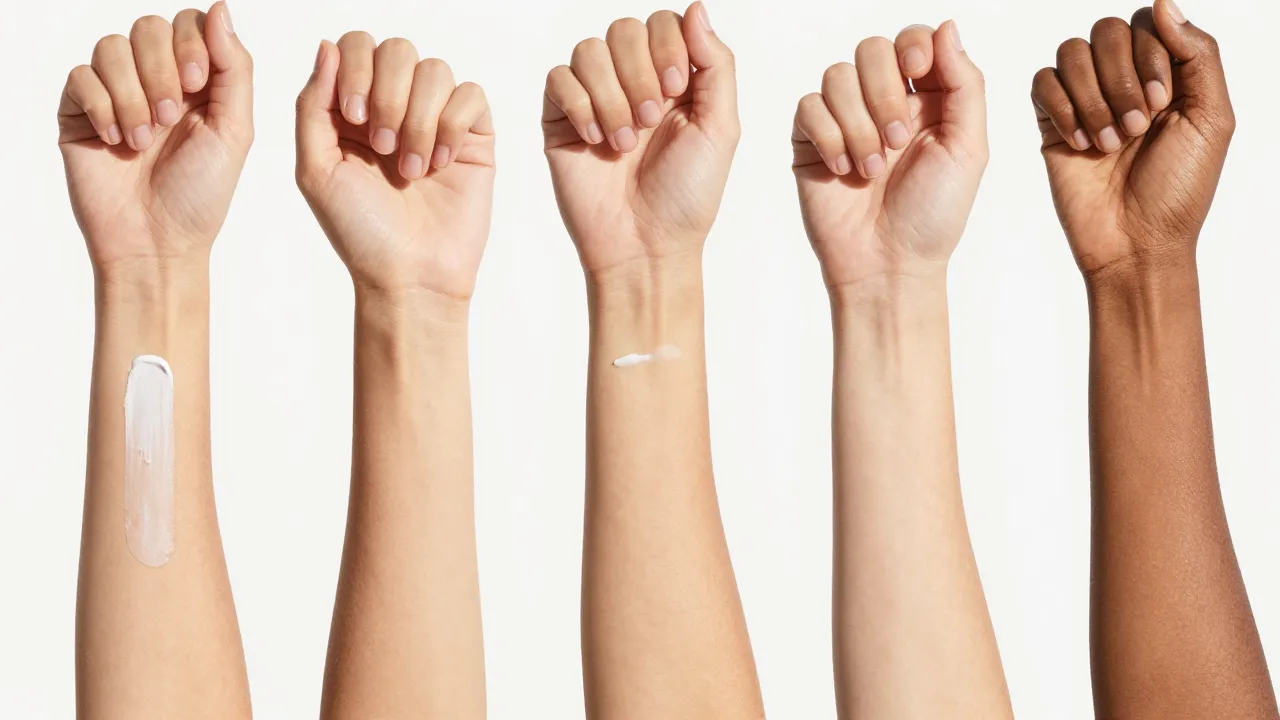
If you have darker skin, you know the problem: most sunscreens leave a white, ashy, or ghostly cast on your face. Dermatologists have been recommending sunscreen for years without acknowledging that many popular options literally do not work on all skin tones. That is a failure of the industry, not your skin.
Here is what is happening chemically: Most sunscreens use zinc oxide or titanium dioxide as physical blockers. On lighter skin, these ingredients blend seamlessly. On darker skin, they reflect light and look white or gray. It is not an exaggeration, it is physics. Many sunscreen brands have finally started addressing this, creating formulas that work invisibly on darker skin. This list is those formulas.
How to Judge Sunscreen on Dark Skin
White cast: Does it look chalky, gray, or white on your face? Bad. Move on.
Blending: Does it blend with your skin tone seamlessly within 30 seconds? Good.
Shine/finish: Does it leave you looking ashy or gray, or does it match your natural skin? Match equals good.
Layer-ability: Can you apply moisturizer underneath without the sunscreen becoming chalky? Yes equals good formulation.
Two Main Types of Sunscreen (and Which Works Better for Dark Skin)
Physical (mineral) sunscreens use zinc oxide or titanium dioxide. They sit on top of skin and reflect UV rays. Problem: on darker skin, they look white. Solution: newer formulations have found ways to make them blend better (see: Black Girl Sunscreen, EltaMD UV Clear).
Chemical sunscreens absorb into skin and convert UV rays into heat. They blend naturally on all skin tones, BUT they can cause irritation on sensitive skin and are not reef-safe. Most of the best options for dark skin are chemical or hybrid.
SPF and PA: What the Numbers Mean
SPF (Sun Protection Factor): Measures UVB protection (the rays that cause sunburn and skin cancer). SPF 30 blocks 97% of UVB rays, SPF 50 blocks 98%. The difference is minimal, so SPF 30 is enough if applied correctly.
PA (Protection Grade of UVA): The plus signs (PA+, PA++, PA+++, PA+++++) measure UVA protection (the rays that cause aging and darkening). Look for PA+++ or higher. PA++++ is the strongest.
The Real Cost of Not Using Sunscreen (Especially on Dark Skin)
Dark skin is more prone to uneven skin tone, dark spots, and hyperpigmentation from sun exposure. Melasma (dark patches on face) is more common in darker skin tones and is often triggered or worsened by sun exposure. One study found that consistent sunscreen use reduced melasma recurrence by 52%. That is huge. Using sunscreen is not just about preventing skin cancer, it is about maintaining even skin tone, preventing dark spots, and preventing premature aging.
Also, darker skin tones are statistically less likely to use sunscreen, partly because formulas have not worked well on darker skin. This is changing now, with brands finally creating formulas that work for everyone.
Application Tips for Best Results
Amount matters: Use a quarter-teaspoon (about 5 mL) for your face alone. Most people use half that, which reduces effectiveness by 50%. Sunscreen does not work if you do not use enough.
Timing: Apply 15 minutes before sun exposure. Most sunscreens need time to form a protective barrier.
Reapplication: Reapply every 2 hours, or immediately after swimming/sweating. One application does not last all day.
Layering: Apply moisturizer first, wait 1-2 minutes, then apply sunscreen. This prevents pilling and ensures even coverage.
Reef-Safe? Why It Matters
Oxybenzone and octinoxate (two common sunscreen chemicals) have been shown to damage coral reefs. If you are swimming in the ocean, use reef-safe sunscreen. Most newer sunscreens are reef-safe, but always check the label.