

why your phone matters more than the earbuds
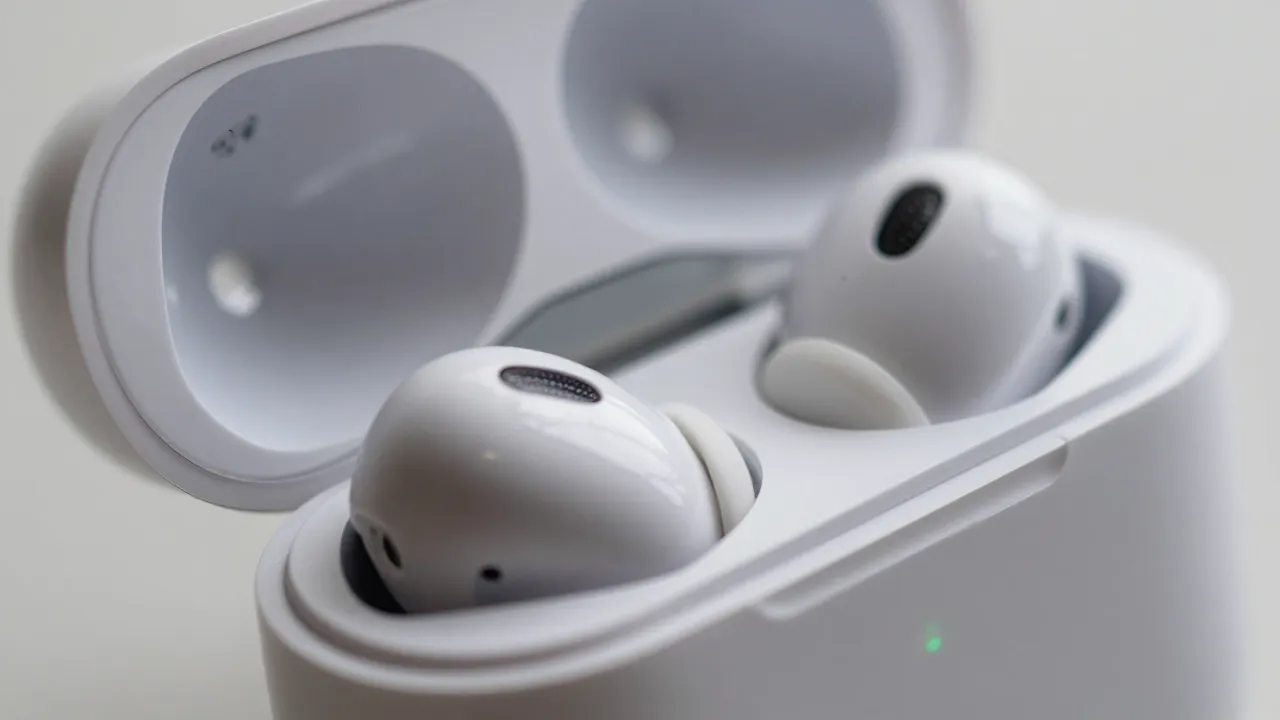
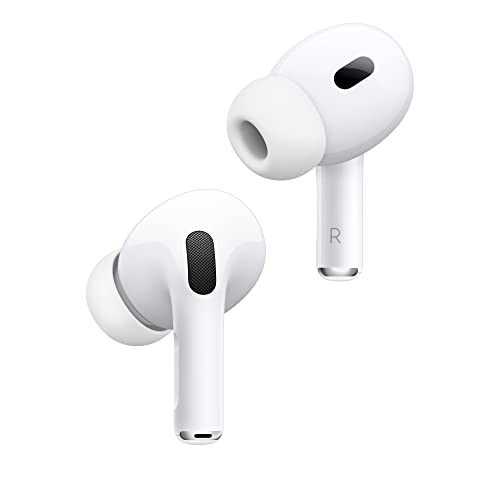
Here is the most important thing most earbud reviews ignore: the best wireless earbuds for you are determined primarily by which phone you use, not by which earbuds have the best specs on paper. AirPods Pro 2 on an Android phone lose more than half their features — no automatic switching, no Spatial Audio, no Find My, no hearing health features. Galaxy Buds 3 Pro on an iPhone lose AI translation, 360 Audio, and seamless switching. Pixel Buds Pro 2 lose Gemini AI and real-time translation outside the Google ecosystem. You are not just buying hardware — you are buying into a software ecosystem, and the ecosystem determines how good the earbuds actually feel to use daily.
This is why we organized this comparison by ecosystem first and specs second. If you use an iPhone, the AirPods Pro 2 are the right choice even though the Sony XM5 has better raw sound quality — because the integration advantage compounds over thousands of daily interactions. If you use a Samsung phone, the Galaxy Buds 3 Pro will feel smoother than technically superior alternatives. The only time to cross ecosystems is when you genuinely prioritize one specific trait (like audiophile sound quality or maximum ANC) above convenience. For a parallel example, our WFH accessories guide follows the same principle — the best gear is the gear that fits your specific workflow.
what actually matters in wireless earbuds
Active Noise Cancellation (ANC): ANC uses microphones to sample outside noise and generates inverse sound waves to cancel it. The quality of ANC depends on the processor speed, microphone quantity, and algorithm sophistication. Sony leads with the V2 processor, Apple is close behind with the H2 chip, and Google is surprisingly competitive with the Tensor A1. Budget options like the Soundcore Liberty 4 NC have caught up dramatically — their 98.5% measured noise reduction was premium-tier performance just two years ago. If you commute or work in noisy environments, ANC is the single most impactful feature.
Sound quality and codecs: Bluetooth audio quality depends on the codec your phone and earbuds both support. SBC is the baseline (all devices support it, lowest quality). AAC is Apple default (good quality). LDAC is Sony proprietary (best wireless quality at 990 kbps). aptX Lossless is Qualcomm proprietary (lossless transmission). Most Android phones support LDAC; iPhones only support SBC and AAC. This means an iPhone user will never hear the full sound quality of Sony XM5 earbuds — the iPhone bottlenecks the audio transmission regardless of how good the hardware is. Another reason ecosystem match matters.
Comfort and fit: The best-sounding earbuds are useless if they fall out or cause ear fatigue after an hour. Three fit styles dominate: silicone tips (deepest seal, best isolation, most secure — AirPods, Sony, Samsung), semi-open ear gels (most comfortable for extended wear, less isolation — Jabra), and twist stabilizers (balance of seal and comfort — Google). If you have had comfort issues with earbuds before, Jabra ComfortFit and Google twist stabilizer are worth trying before assuming all earbuds are uncomfortable.
Call quality: Microphone performance varies dramatically between earbuds. Jabra leads by a wide margin — their professional headset heritage translates directly to clearer voice calls with better wind noise reduction. Apple and Samsung are solid. Sony and Sennheiser lag behind — they prioritize listening quality over microphone quality. If you take a lot of calls or video conferences, Jabra Elite 10 Gen 2 is the clear winner. For those building a video call setup, our best tech accessories guide covers more gear picks.
Which wireless earbuds have the best noise cancellation?
Sony WF-1000XM5 delivers the most effective noise cancellation in any true wireless earbud, with lab measurements consistently ranking them above AirPods Pro 2 and Galaxy Buds 3 Pro for ANC performance. The V2 processor and QN2e chip work together to measure your ear canal and adapt cancellation in real-time, blocking out 99% of ambient noise. If maximum isolation matters more than sound quality, Sony is the only right choice—though if you're deep in the Apple ecosystem, the AirPods Pro 2's H2 chip offers nearly comparable ANC with the convenience advantage.
Do I need to match my earbuds to my phone ecosystem?
Yes—ecosystem lock-in is real and compounds over thousands of daily interactions. AirPods Pro 2 on an Android phone lose automatic switching, Spatial Audio, Find My, and hearing health features—losing 50%+ of their value. Galaxy Buds 3 Pro on an iPhone lose AI translation and 360 Audio. The best earbuds for you are determined primarily by which phone you use, not by which earbuds have the best specs on paper. Our WFH accessories guide follows the same principle—the best gear fits your specific workflow.
What's the difference between LDAC and standard Bluetooth codecs for sound quality?
LDAC codec transmits Hi-Res audio at up to 990 kbps (standard SBC is only 328 kbps), which is a measurable difference on high-quality streaming services like Tidal or Apple Music Lossless. Most Android phones support LDAC, but iPhones only support SBC and AAC—meaning an iPhone user will never hear the full sound quality of Sony XM5 earbuds regardless of hardware quality. aptX Lossless from Sennheiser Momentum True Wireless 4 enables genuinely lossless Bluetooth audio transmission, a first for true wireless earbuds. If you care about audio fidelity, your phone's codec support matters as much as the earbuds themselves.
Battery life: Most premium earbuds deliver 6-8 hours per charge with ANC on, and 24-36 hours with the charging case. The Soundcore Liberty 4 NC leads at 50 hours total. Jabra Elite 10 Gen 2 offers 36 hours. Google Pixel Buds Pro 2 provides 30 hours. For most people, any modern earbud provides more than enough battery for a full day — the differentiator is quick charging (how much listening time you get from a 5-10 minute charge).
the ecosystem decision tree
iPhone + iPad + Mac: AirPods Pro 2. The ecosystem integration is unmatched and the hearing health features add genuine utility beyond audio. If you want better sound quality and are willing to sacrifice seamless switching, the Sony XM5 is the audiophile alternative. For those optimizing their entire tech setup, check out our best desk setup guide and best car accessories to complete your ecosystem.
Samsung Galaxy phone: Galaxy Buds 3 Pro. The dual-driver sound quality is excellent, AI features like real-time translation are exclusive to Samsung, and the integration with One UI is seamless. The Jabra Elite 10 Gen 2 is the call-quality alternative if you prioritize voice calls.
Google Pixel phone: Pixel Buds Pro 2. The Tensor A1 chip enables AI features no other earbud can match, and the integration with Google Assistant and Gemini is the best on any platform. The Sony XM5 is the sound-quality alternative.
Other Android phones: Sony WF-1000XM5 for best sound and ANC. Soundcore Liberty 4 NC for best value. Nothing Ear (2) for design and mid-range value. All three work equally well on any Android phone since they do not depend on a specific ecosystem.
Budget priority regardless of phone: Soundcore Liberty 4 NC. There is nothing else under $80 that matches its feature set. The ANC, LDAC support, and 50-hour battery life at this price is genuinely remarkable.
how ANC actually works and why it varies
Active Noise Cancellation uses external microphones (feedforward) to sample incoming noise, an internal microphone (feedback) to sample what you hear, and a processor that generates an inverted sound wave in real time. The better the processor and the faster the calculation loop, the more effectively noise is cancelled. Low-frequency constant noise (airplane engines, train rumble, AC hum) is cancelled most effectively because the waveforms are predictable. High-frequency variable noise (voices, dogs barking, construction impacts) is harder to cancel because the waveforms are irregular. This is why ANC feels like magic on a plane but merely reduces office chatter — it is a physics limitation, not a product flaw.
The seal between the ear tip and your ear canal is equally important. If the seal is not airtight, low-frequency noise leaks in and the ANC cannot compensate. This is why fit matters so much for ANC performance — the same earbuds can perform dramatically differently in two people depending on ear canal shape. Most premium earbuds now include an ear tip fit test in their app that uses the internal microphone to verify seal quality. Always run this test.
Bottom line: Match your earbuds to your phone ecosystem first. AirPods Pro 2 for Apple, Galaxy Buds 3 Pro for Samsung, Pixel Buds Pro 2 for Google. If you prioritize sound above all else, the Sony XM5 wins regardless of phone. If budget is tight, the Soundcore Liberty 4 NC delivers 90% of the premium experience at a more accessible price point.