Does Hair Dye Cause Actual Hair Loss or Just Breakage?
Here's the important distinction: hair dye doesn't cause androgenetic alopecia (genetic pattern baldness) or trigger telogen effluvium (stress-induced shedding). But it absolutely can cause mechanical hair loss through breakage. This is crucial because people often conflate "more hair falling out" with "permanent hair loss," which causes unnecessary panic.
Hair is made of a protein called keratin. When you apply permanent or semi-permanent dye, it opens up the hair cuticle (the protective outer layer) and penetrates into the cortex (the inner structure) to deposit color molecules. This process is inherently damaging because you're literally breaking protein bonds to make room for new color. The cuticle doesn't seal back perfectly, the protein structure weakens, and the hair becomes brittle and prone to snapping. Under magnification, color-treated hair looks frayed and porous compared to virgin hair.
If you dye your hair and then notice more hair in the shower drain, that's breakage, not shedding. The hair is breaking off at random points along the shaft—you might see short fragments in your drain—not falling out from the root in one piece. This is the "hair loss" people associate with coloring. It's distressing because it feels like you're going bald, but it's actually just mechanical breakage. The follicles are fine. New hair is still growing. You're just losing the length you already have to breakage.
Permanent vs. Semi-Permanent vs. Temporary Dye: Which Damages Most?
Permanent dye is the most damaging because it uses the highest ammonia levels (to lift or open the natural color) and deposits oxidative dyes that create entirely new pigment molecules inside the hair cortex. The chemical process is aggressive and creates the most protein damage. Ammonia burns through the cuticle and weakens disulfide bonds. Oxidative dyes (the developer part) are what actually causes the color reaction, and this oxidation process is what weakens protein. This is why your hair feels different—it is different. The structure has been chemically altered.
Which type of hair dye causes the least damage?
Temporary and semi-permanent dyes cause minimal damage compared to permanent. Temporary dyes (like Manic Panic or similar) simply coat the hair cuticle without any chemical processing, making them the safest option. They physically sit on top of your hair and wash out over 1-2 weeks. Zero chemical damage. Semi-permanent dyes use lower ammonia levels and deposit color molecules that gradually fade over 24+ washes. Less aggressive than permanent but still some damage because they still open the cuticle and deposit color. Temporary dye is the gentlest—it coats the cuticle without penetration.
If you want to dye your hair frequently without major breakage, glosses and toners are your best bet because they deposit color without lifting the natural pigment. A gloss is a temporary color treatment that adds shine and subtle color without chemical damage—this is what salons use to refresh color between permanent applications. Toners work similarly. They're designed for already-lightened hair and don't require developer, so zero oxidative damage. This is why professional colorists offer glosses as maintenance between color appointments—it's the safest way to refresh color between services.
The lightening hierarchy: Going platinum blonde (or any dramatic lightening from darker hair) is the most damaging because you need high-strength developer (20 or 30 volume) to lift the natural pigment multiple levels. Going darker is less damaging because you're just depositing color without lifting—the cuticle stays closed and you're layering pigment on top. The rule: lifting always damages more than depositing.
How to Minimize Breakage If You Dye Frequently
First, use a professional colorist if possible. They understand how to apply dye to minimize damage—saturation technique (distributing dye evenly without over-processing), processing time (knowing exactly when to rinse based on hair type), and developer strength (using the lowest developer that achieves your desired lift). Box dyes and DIY coloring often cause more damage because people apply too much product, leave them on too long, or apply developer to already-processed hair. Professionals also have color theory knowledge—they know which shades damage less (darker is always safer than lightening) and which techniques minimize risk.
What's the best way to repair hair damage from coloring?
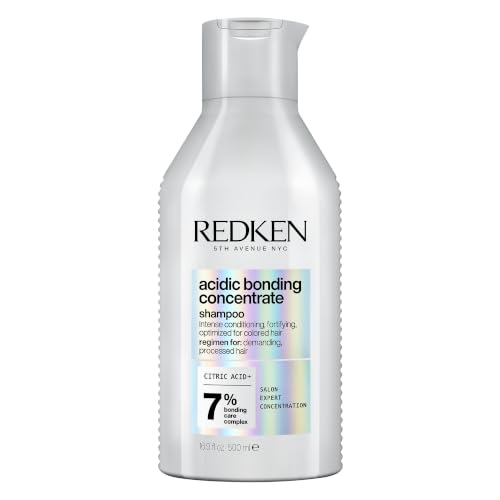
Bond-repair treatments applied immediately after coloring are the gold standard for damage prevention. Products like Olaplex, K18, and Redken work by repairing the broken protein bonds that dye creates. The chemistry: dyes break disulfide bonds in the hair cortex to deposit color molecules. Bond-repair products re-form those broken bonds, restoring hair strength. Apply these within 48 hours of coloring, then use weekly for the next 8-12 weeks. Pair repair treatments with intensive conditioning and regular trims every 6 weeks. When you catch damage early with the right products, you can prevent severe breakage and maintain length despite frequent coloring. The investment in repair treatments ($25-65 per treatment) pays off because it lets you keep coloring without sacrificing hair health. For more advanced recovery strategies, explore hair growth serums that support regrowth alongside repair treatments.
Second, space out color services strategically. Every 6-8 weeks is ideal; every 4 weeks is pushing it and compounds damage. Root-only touch-ups (not full-head coloring) minimize damage because you're not re-coating already-colored hair, which is weaker and more porous than virgin hair. Root touchups every 8 weeks = 6 services per year. Full-head coloring every 4 weeks = 13 services per year. The difference in cumulative damage is significant.
Third, use bond-repair treatments immediately after coloring. Olaplex, K18, and Redken Acidic are the gold standards. These repair broken protein bonds that coloring creates. They're expensive but essential if you color frequently. Calculate the math: one severe hair breakage event = $100+ in haircuts + months of regrowth. Prevention via $30 repair treatment is the better investment.
Fourth, condition heavily between services. Use sulfate-free shampoo (sulfates strip moisture), deep condition weekly with intensive masks, and consider leaving a conditioner in overnight 1-2 times per week. Hydrated hair is stronger hair and breaks less. Think of it like post-workout recovery for your hair—the coloring is the stress, conditioning is the recovery phase.
The Hair Loss Question: Is It Ever Permanent?
Coloring doesn't cause permanent hair loss. The follicles themselves aren't damaged. If you stop seeing breakage and start repairing damaged lengths, your hair will grow back healthy. However, if you keep coloring damaged hair without repair, you might need to cut off the damaged portions eventually.
Can you regrow hair damaged by bleaching or permanent dye?
Yes, damaged hair can regrow if you stop the coloring cycle and use repair treatments. Hair grows about 6 inches per year, so new healthy hair will eventually replace the damaged lengths. The key is preventing further damage during the regrowth phase—use lower-strength treatments, space out color services, and maintain consistent repair protocols. Many people see visible improvement within 3-4 months of switching to gentle coloring practices and intensive repair routines. Understanding the connection between stress and hair loss is also important because the emotional toll of coloring damage can trigger additional shedding.
The breakage-to-visible-hair-loss timeline: you'll start noticing increased breakage immediately after coloring (2-3 days later). If breakage is severe, you might lose the equivalent of 2-3 inches of hair over the next week. But that's hair you're breaking off, not hair you're losing permanently. Clip your ends every 6 weeks and use repair treatments, and you won't see a net loss of length.
What About Scalp Damage or Allergic Reactions?
Some people experience scalp irritation, burning, or allergic reactions to hair dye. This is separate from hair breakage and usually affects the scalp skin, not the hair itself. If you have a sensitive scalp, do a patch test 48 hours before coloring.
If the dye burns your scalp during processing, have your colorist rinse it immediately (don't wait the full processing time). Scalp damage can trigger telogen effluvium (stress-induced shedding) weeks later, so protection matters. Use a scalp protectant (coconut oil or petroleum jelly) on your hairline and ears before coloring.
The Bottom Line: Can You Dye Hair Without Damage?
No. Chemical coloring always causes some damage. But you can minimize it to the point where you see minimal breakage and can grow longer hair despite coloring. The key is: professional application, spacing out services, immediate repair treatments, and aggressive conditioning between services.
If you're serious about growing long healthy hair, consider coloring less frequently or switching to gentler options like glosses or root-only touch-ups. But if you love your color, just accept that you need to invest in repair treatments and maintenance. The breakage is manageable with the right products.