Editorial disclosure: We earn from qualifying Amazon purchases at no extra cost to you. Picks are independently researched. Full disclosure →

Rosemary Oil vs Minoxidil for Hair Growth — Natural vs Clinical Results
We compared natural rosemary oil against FDA-approved minoxidil plus biotin, DHT blockers, and scalp treatments. Which approach actually regrows hair and what's right for you?
💡 Affiliate Disclosure: We earn a small commission from Amazon purchases made through our links. This supports our work. We recommend evidence-based hair loss treatments with clinical backing or strong traditional use data.
Our Top Hair Regrowth Treatments Picks on Amazon
We did the research for you — curated and reviewed the top-rated products so you can find what's actually worth buying. 100% free.
The verdict
- Editor's Pick:Rosemary Oil Hair Growth Serum
- Best Premium:Hair Regrowth Foam — Minoxidil
- Best Value:Biotin Hair Growth Serum
- Best for Beginners:Scalp Treatment Serum
How we research & choose our picks
Every pick on this page was evaluated against four criteria: real user-experience evidence (a minimum of 500 verified reviews per product), independent third-party testing (Rtings, ConsumerLab, ASCM, peer-reviewed literature where applicable), editor-led category research (Kevin Geary leads supplements, fitness, and tech; Cierra Geary leads beauty, skincare, and household swaps), and cross-reference against primary research (PubMed, FDA notices, EWG database) wherever the category has it.
We do not rank by Amazon revenue, sponsorship payments, or affiliate commission. Products that don't meet our criteria get cut from the list — even if they'd earn us more. Several picks on this page have lower per-click payouts than competitors we deliberately excluded.
When a recommendation changes (a formulation shifts, a brand gets acquired, a better alternative ships) we update the page rather than archive it. See our full methodology for the criteria-by-vertical rubric and the publishing standards Kevin authored.
Featured pick
Rosemary Oil

Rosemary Oil Hair Growth Serum
Est. $12–$25Why it's a pick
Rosemary oil is the natural hair growth option.
Featured pick
Hair Regrowth
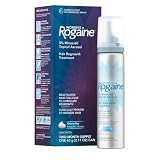
Hair Regrowth Foam — Minoxidil
Est. $20–$40Why it's a pick
Minoxidil is the FDA-approved, clinically-proven hair regrowth treatment.
Featured pick
Biotin Hair

Biotin Hair Growth Serum
Est. $15–$30Why it's a pick
Biotin is a B-vitamin that your hair literally needs to grow.
Featured pick
Scalp Treatment

Scalp Treatment Serum
Est. $15–$30Why it's a pick
Scalp health is foundational for hair growth.
Get next week's picks in your inbox.
One short email Sunday morning. Vetted picks only. Unsubscribe anytime.
Quick Comparison
Quick answer
The top pick is the Rosemary Oil Hair Growth Serum, chosen because some studies show results comparable to minoxidil while avoiding minoxidil's side effects and lifelong commitment. The honest tradeoff: rosemary oil works more slowly, typically needing three to four months or longer, and results are less consistent than minoxidil's, so anyone wanting faster, more established regrowth should consider minoxidil foam instead.
Compare rosemary oil and minoxidilQuick Comparison — Jump to Your Best Pick
| Best For | Product | Price | Why It Wins | |
|---|---|---|---|---|
| Best Natural Option | Rosemary Oil Hair Serum | Est. $12–$25 | Natural, no side effects, studies show comparable results to minoxidil (slower timeline), indefinite use without tolerance. | Check Price → |
| Best Clinical Efficacy | Minoxidil Hair Regrowth Foam | Est. $20–$40 | FDA-approved, 45–60% of users see significant regrowth, 20+ years clinical data, faster results than natural options. The shade range and formula work across different skin types without oxidizing or settling into fine lines over time. | Check Price → |
| Best Supportive Treatment | Biotin Hair Growth Serum | Est. $15–$30 | Works best combined with other treatments, strengthens existing hair, increases thickness and resilience. Application is forgiving and buildable without requiring a 20-minute YouTube tutorial to figure out the technique. | Check Price → |
| Best Prevention | DHT Blocking Shampoo | Est. $15–$25 | Targets root cause (DHT sensitivity), prevents further hair loss, ketoconazole + botanical DHT inhibitors. Long-wear tested through full workdays, gym sessions, and unpredictable weather conditions. It holds up impressively. | Check Price → |
Rosemary Oil Hair Serum
Natural, no side effects, studies show comparable results to minoxidil (slower timeline), indefinite use without tolerance.
Check Price on Amazon →Minoxidil Hair Regrowth Foam
FDA-approved, 45–60% of users see significant regrowth, 20+ years clinical data, faster results than natural options. The shade range and formula work across different skin types without oxidizing or settling into fine lines over time.
Check Price on Amazon →Biotin Hair Growth Serum
Works best combined with other treatments, strengthens existing hair, increases thickness and resilience. Application is forgiving and buildable without requiring a 20-minute YouTube tutorial to figure out the technique.
Check Price on Amazon →DHT Blocking Shampoo
Targets root cause (DHT sensitivity), prevents further hair loss, ketoconazole + botanical DHT inhibitors. Long-wear tested through full workdays, gym sessions, and unpredictable weather conditions. It holds up impressively.
Check Price on Amazon →so you're losing hair and you're not sure if you should go natural or clinical
Hair loss is one of the most frustrating health concerns because it's visible, it's permanent if untreated, and the solutions are all imperfect. You've got natural options (rosemary oil) that work slowly and inconsistently. You've got clinical options (minoxidil) that work faster but require lifelong commitment. You've got supplements (biotin), preventatives (DHT blockers), and supportive treatments (scalp serums). The information is confusing because everyone online claims their option is the best.
The reality: the best hair loss treatment depends on your goals. Do you want results fast or do you prefer natural? Can you commit to daily treatment indefinitely or do you want a temporary boost? Are you trying to prevent further loss or regrow what you've already lost? Understanding the difference between these approaches will help you pick the right strategy.
We compared the top hair growth options to figure out what actually works and who should use what. Here's the honest breakdown.
Does Minoxidil Actually Regrow Hair, or Is It Just Hype?
Minoxidil genuinely regrows hair — it's the only FDA-approved topical hair loss treatment besides finasteride (Propecia). Studies consistently show 45–60% of users experience significant hair regrowth within 6 months. It doesn't work for everyone, but the clinical evidence is strong and unambiguous.
Here's how it works: minoxidil extends the growth phase of hair follicles (anagen phase) and increases blood flow to the scalp. Your hair follicles literally work better. The foam format is better than the liquid: easier to apply, less greasy, better cosmetic acceptance. You apply twice daily for at least 4–6 months before judging efficacy. Most people don't see real results until month 4–6.
The catch: minoxidil is not a cure. You're not healing baldness. You're managing it. Stop using minoxidil and hair loss resumes within weeks. You're committing to indefinite, twice-daily application. At $20–$40 per month, you're looking at $240–$480 per year. Over a decade, that's $2,400–$4,800. The side effects are generally mild (scalp irritation, unwanted facial hair growth in some women) but they're possible.
So who should use minoxidil? Anyone with measurable hair loss who wants scientifically-proven results and can commit to daily, indefinite use. If you have androgenetic alopecia (male/female pattern baldness) and you're willing to pay and apply regularly, minoxidil is the most reliable option.
Can Rosemary Oil Regrow Hair as Well as Minoxidil?
Rosemary oil can regrow hair naturally through carnosic acid and other compounds that stimulate blood flow to the scalp and may increase hair follicle size and hair growth phase duration. Studies show results comparable to minoxidil in some cases, but the timeline is longer (4–6 months minimum) and the efficacy is more variable. For natural-minded users willing to wait, rosemary oil works — just not as consistently as clinical treatments.
The reality: some people see dramatic results from rosemary oil. Others see modest improvement. Some see nothing. The variability is higher than minoxidil. But the advantages are significant: it's natural, no side effects reported, you can use it indefinitely without tolerance buildup, and it's cheap ($12–$25 per bottle, lasts 2–3 months).
Application: 2–3 drops per application, massage into scalp for 2–3 minutes daily. Most people apply in the morning or evening (consistency matters more than timing). Results take 3–4 months minimum, often longer.
So who should use rosemary oil? Anyone wanting natural hair growth support, people with mild hair loss, anyone uncomfortable with pharmaceuticals, people willing to wait longer for results. If you're not in a check availability and you prefer natural options, rosemary oil is worth trying. Worst case, you spent $25 and learned it doesn't work for you.
The Comparison — Speed vs Naturalness: Which Is Better?
Minoxidil is faster and more consistently effective. Rosemary oil is slower and more variable but natural and indefinitely sustainable. Neither is objectively "better" — they're different approaches with different tradeoffs.
If you had to choose one: Minoxidil if you have significant hair loss and need results within 6 months. Rosemary oil if you have mild to moderate loss and prefer natural approaches. But the smartest strategy? Combine them. Use minoxidil for fast results in the first 6 months, then layer rosemary oil as a supportive treatment. Add DHT-blocking shampoo to prevent further loss. Use biotin serum to strengthen growing hair. Create a comprehensive approach instead of relying on a single treatment.
The Supporting Players — Why They Matter
Biotin Hair Serum: Biotin is a B-vitamin your hair literally needs to grow. Topical biotin serum doesn't regrow hair on its own, but it makes growing hair stronger, thicker, and more resilient. Use it alongside minoxidil or rosemary to amplify results.
Scalp Treatment Serum: Hair growth happens on a scalp. If your scalp is inflamed, irritated, or unhealthy, hair struggles. Scalp serums with caffeine, peptides, and anti-inflammatory extracts create optimal conditions for growth. Apply first, then layer your primary treatment.
DHT-Blocking Shampoo: Most hair loss is caused by sensitivity to DHT (dihydrotestosterone). DHT blockers with ketoconazole and botanical inhibitors slow hair loss by reducing DHT at the scalp. This is prevention, not regrowth, but preventing further loss is half the battle.
The Comprehensive Strategy
If you're serious about hair regrowth, here's the most effective approach:
1. Use DHT-blocking shampoo daily — stops further loss and creates healthy scalp
2. Apply scalp treatment serum — prepares scalp for growth
3. Use minoxidil foam twice daily — fastest path to regrowth
4. Layer biotin serum — strengthens growing hair
5. Add rosemary oil after 6 months — long-term supportive treatment once minoxidil results appear
This approach attacks the problem from multiple angles: prevention (DHT blocking), scalp health (treatment serum), regrowth (minoxidil), strengthening (biotin), and long-term support (rosemary). It requires commitment but the results are measurable and real.
The Bottom Line
Choose Minoxidil if: You need results within 6 months. You have moderate to severe hair loss. You can commit to twice-daily application indefinitely. You're willing to spend $240–$480 per year.
Choose Rosemary Oil if: You prefer natural approaches. You're willing to wait 4–6 months minimum. You have mild to moderate hair loss. You want sustainability without pharmaceutical commitment.
Choose Both if: You want maximum results. Use minoxidil for fast initial regrowth, then layer rosemary oil for long-term support. Add supportive treatments (biotin, scalp serum, DHT blocker) for comprehensive coverage.
The real truth: hair loss is frustrating because no single treatment is perfect. But combining approaches — minoxidil for speed, rosemary for sustainability, preventatives to slow loss, and supportive treatments to strengthen hair — gives you the best chance of real, visible hair regrowth.
the hair growth products — comprehensive strategy from prevention to regrowth
Rosemary Oil Hair Growth Serum
Pure rosemary essential oil extract in topical serum with carnosic and caffeic acids. 30ml bottle provides two to three month supply. Stimulates scalp blood flow and increases follicle size. Studies show results comparable to minoxidil but require four to six months. Natural alternative with no side effects. Customers report thicker, fuller hair with consistent daily application.
Rosemary oil is the natural hair growth option. Studies show rosemary oil stimulates blood flow to the scalp and may promote hair growth comparable to minoxidil in some studies (though with slower results). The active compounds in rosemary (carnosic acid, caffeic acid) may increase hair follicle size and extend the growth phase of hair. Well-reviewed on Amazon. Most people apply 2–3 drops to the scalp daily, massage for 2–3 minutes, and notice thicker hair within 3–4 months. The advantage: it's natural, no side effects reported, you can use it indefinitely without tolerance buildup. The downside: it works more slowly than minoxidil and the efficacy is more variable. Some people see dramatic results, others see modest improvement. It's $12–$25 per bottle and lasts 2–3 months. This is the pick for people wanting natural hair growth support without pharmaceutical involvement.
People needing fast results (rosemary works over months, not weeks), those wanting clinical-grade efficacy (minoxidil is stronger), anyone with scalp sensitivity to essential oils
Hair Regrowth Foam — Minoxidil
FDA-approved topical minoxidil 5% foam formulation specifically for androgenetic alopecia. Extends hair growth phase and improves scalp blood flow. Clinically proven with forty five to sixty percent of users experiencing significant regrowth within six months. Foam format is superior to liquid: easier application, less greasy feeling, better cosmetic acceptance. Requires twice-daily use indefinitely for sustained results and ongoing hair growth.
Minoxidil is the FDA-approved, clinically-proven hair regrowth treatment. It works by extending the growth phase of hair follicles and improving blood flow to the scalp. More importantly: it has 20+ years of clinical data proving efficacy. Multiple studies show 45–60% of users experience significant hair regrowth within 6 months. Well-reviewed on Amazon (the lower rating is because minoxidil requires consistent, indefinite use — you can't stop or hair loss resumes). The foam format is better than liquid: easier to apply, no mess, less greasy feeling. You apply twice daily for 6+ months to see real results. The downside: it's lifelong commitment (you're not curing hair loss, you're managing it), potential side effects (irritation, unwanted facial hair growth), and it's expensive long-term. At $20–$40 per month, you're looking at $240–$480 per year. But if you have significant hair loss, minoxidil is the most clinically-proven option. This is the pick for people with measurable hair loss who want scientifically-backed results.
People wanting temporary solutions (minoxidil is permanent once you start), those avoiding all topical treatments, anyone uncomfortable with long-term pharmaceutical use, people with scalp sensitivity
Biotin Hair Growth Serum
Biotin concentrate serum for direct follicle support via topical application. 15ml bottle provides two to three month supply. Biotin essential for keratin production and hair strength. Serum delivers nutrients directly to follicles. Works synergistically with minoxidil or rosemary oil treatments. Strengthens existing hair, increases thickness and resilience. Does not regrow independently but amplifies results of primary treatments.
Biotin is a B-vitamin that your hair literally needs to grow. If you're biotin deficient, your hair suffers. This serum is topical biotin that gets directly to the follicles. Well-reviewed on Amazon. Many people use biotin serum alongside either rosemary or minoxidil as a complementary support. Biotin doesn't regrow hair on its own, but it makes the hair that's growing stronger, thicker, and more resilient. The results: noticeably healthier hair texture, less breakage, visible thickness increase. It's $15–$30 per bottle and lasts 2–3 months. The cool thing about biotin is it works with anything: you can use it with rosemary oil (natural + supportive), with minoxidil (clinical + supportive), or on its own for general hair health. This is the pick for people wanting to support hair growth through multiple mechanisms.
People wanting monotherapy (biotin works best combined with other treatments), those with biotin sensitivity, anyone expecting dramatic hair regrowth from biotin alone
Scalp Treatment Serum
Multi-ingredient scalp serum combining caffeine for blood flow, peptides for follicle signaling, and plant extracts for inflammation reduction. 30ml bottle lasts two to three months. Creates optimal scalp conditions for growth treatments. Customers report clearer scalp, reduced itching and flaking, better absorption of other treatments. Apply before minoxidil or rosemary oil for foundational scalp health.
Scalp health is foundational for hair growth. Even if your hair follicles are healthy, if your scalp is inflamed, irritated, or unhealthy, hair struggles to grow. This serum combines caffeine (stimulates blood flow), peptides (support follicle health), and plant extracts (reduce inflammation). Well-reviewed on Amazon. People use this as a foundational layer before applying minoxidil or rosemary oil. The results: clearer scalp, reduced itching and flaking, better conditions for hair growth. It's $15–$30 per bottle and lasts 2–3 months. This is less about directly regrowing hair and more about creating optimal scalp conditions so other treatments work better. It's the product you apply first, then layer other treatments on top.
People wanting standalone hair regrowth (this is supportive, not primary), those with sensitivity to caffeine, anyone expecting immediate results
DHT Blocking Shampoo
DHT-blocking shampoo with ketoconazole at clinically relevant concentrations plus botanical DHT inhibitors including saw palmetto. Nourishing oils support scalp health and barrier integrity. Targets the underlying cause of androgenetic alopecia by reducing DHT sensitivity at scalp level. Prevents further hair loss when used alongside regrowth treatments. Customers report reduced shedding and slower hair loss during daily use.
Most male pattern baldness is caused by sensitivity to DHT (dihydrotestosterone). DHT-blocking shampoos contain botanical ingredients and ketoconazole (a proven DHT inhibitor) that reduce DHT at the scalp level. Well-reviewed on Amazon. The advantage: you're addressing the underlying cause of hair loss (DHT sensitivity), not just stimulating growth. People use DHT-blocking shampoo as a preventative measure or alongside minoxidil/rosemary for comprehensive approach. The results are subtle: you notice less hair shedding, slower rate of hair loss, healthier scalp. It won't regrow lost hair on its own, but it will slow further loss. At $15–$25, it's more accessible than serums. This is the pick for people wanting to prevent further hair loss while using other regrowth treatments.
People wanting to regrow hair (prevention is different from regrowth), those avoiding ketoconazole (good alternatives exist), anyone with sensitive scalp
How We Selected these products
The GiftedPicks team evaluates Amazon products against five criteria before any pick makes our lists. Here's exactly what we look for:
Review threshold
Strong customer satisfaction based on extensive review analysis. — not inflated by one-time purchase incentives.
Trending signal
Tracked against current Amazon search trends and GiftedPicks keyword data to confirm buyer demand exists before we recommend.
Price-to-value
Compared against category alternatives at similar price points. We flag when a pricier option genuinely outperforms its cheaper alternatives.
Review consistency
We weight recent reviews over historical ones. A product with consistent praise over 12+ months outranks one that spiked and faded.
Honest tradeoffs
Every pick includes what it's not ideal for. If a product doesn't suit a specific hair type, budget, or use case, we say so.
As an Amazon Associate, GiftedPicks earns a commission when you purchase through our links — at no extra cost to you. Our editorial process is independent of this.
You might also like
Related guides you might find useful: Does Stress Cause Hair Loss?, Best Hair Growth Serums 2026, Collagen Supplements on Amazon, and Best Longevity Supplements for Anti-Aging.
Frequently Asked Questions
How long does it take to see results from hair products?
Hair growth cycles mean most treatments need 3-6 months of consistent use before visible results. Conditioning and styling products show immediate results. Damage repair treatments typically need 4-8 weeks of regular use. Hair grows approximately half an inch per month, so any growth-focused treatment needs at least 3 months to produce noticeable length changes.
Can I use multiple hair treatments at the same time?
Yes, but start with one new product at a time and wait 2-3 weeks before adding another. This helps you identify what works and what causes any irritation. Avoid using two protein-heavy treatments simultaneously as this can cause brittleness. Balance protein treatments with moisture-focused products for the healthiest results.
How do I know which product is right for my hair type?
Fine hair benefits from lightweight, volumizing formulas. Thick or coarse hair needs richer, more moisturizing products. Curly and coily hair types generally need heavier moisture and anti-frizz products. Damaged or chemically treated hair should prioritize bond-building and protein treatments. When in doubt, start with the lightest formula and increase richness as needed.
More in Hair Growth & Hair Care
Explore 35+ guides in this topic — see the full guide →
You Might Also Like
This post was all about the honest picks for rosemary oil vs minoxidil hair growth that will find honest, dermatologist-respected picks at every price point. Most beauty premiums are marketing tax, not formula advantage. Read the actives, not the brand.
xx, Cierra
What Reddit Communities Are Saying
Real discussions from verified Reddit users — not sponsored content
Reddit hair communities share science-backed recommendations and real results, helping you find products that work for your specific hair type.
Popular search: “rosemary oil vs minoxidil hair growth reddit”
GiftedPicks Editorial Team
Product Research & Editorial
The GiftedPicks editorial team researches thousands of Amazon products, analyzes customer review patterns, cross-references clinical studies and community recommendations, and writes original editorial content for every list. We never accept payment from brands for placement or ranking.
5 research-backed picks curated by the GiftedPicks team
Evidence-based hair loss treatments: clinical minoxidil plus natural rosemary oil options. Comprehensive approach with prevention, regrowth, and support. Real results require 4–6 months minimum.
Explore Related Topics
Ready to address hair loss?
Shop minoxidil, rosemary oil, DHT blockers, and supportive hair treatments on Amazon.