


The Walking Pad Revolution (And Why Gyms Are Panicking)
Walking pads were literally engineered to solve the gym membership problem. Over the past 5 years, companies like Xiaomi's WalkingPad and competitors realized something: most people don't want to "go to the gym." They want to move. So they created compact, whisper-quiet treadmills designed for home use at a fraction of gym costs.
The unit economics are brutal for gyms: A gym membership costs $30-100/month depending on location and type. Over a year, that's $360-1200. A walking pad costs $300-400 and lasts 5-7 years with normal use. The financial breakeven is 8-16 months. After that first payment cycle, you own your fitness tool permanently for zero marginal cost. Gyms realized this and suddenly shifted their marketing to emphasize "community," "classes," and "equipment variety"—because the pure economics started failing them in the face of home fitness.
But here's the real insight that changes everything: the financial advantage doesn't matter if you don't use the walking pad consistently. Consistency is the actual variable that determines whether either option works. A walking pad in a closet is worthless. A gym membership unused is the same. The question isn't which is cheaper—it's which one you'll actually use. And that's where walking pads have a massive, almost unfair advantage over gyms.
The Consistency Advantage (Why Home Wins)
Research from the American Council on Exercise and Stanford Behavior Design Lab shows that home exercise equipment gets used 40-60% more consistently than gym memberships. The difference is friction—a behavioral economics term that describes the effort required to take an action. Friction kills consistency.
Gym membership friction: Get dressed in gym clothes (5 min). Drive to gym (10-30 min). Park (5 min). Wait for equipment or assess the crowdedness (10-20 min). Exercise (30-60 min). Shower (15 min). Drive home (10-30 min). Total time: 1.5-3 hours for 30 minutes of actual exercise. You need external motivation (accountability partner, class schedule, trainer) to justify that time investment. Even with good intentions, friction kills consistency.
Home walking pad friction: Step on device. Walk. Done. Zero commute. No changing clothes (walk in your pajamas if you want). No shower required (you're just walking, not drenched in sweat). No waiting. Walk while watching Netflix, listening to podcasts, or working (multitask simultaneously). This is the genius: walking pads eliminate friction to nearly zero. Motivation becomes irrelevant because the activation energy is so low.
The consistency data is brutal: The average gym membership is used 4-5 times per month (mostly due to friction reducing follow-through). Walking pads in homes are used 15-25+ times per month among consistent users. That's 3-5x more usage from friction reduction alone. Some users report walking on their pads 5-6 days per week, hitting 20,000+ daily steps without conscious effort because the friction is so low.
The Financial Breakdown (Let's Do The Math)
Gym membership scenario (moderate gym like Planet Fitness, 24 Hour Fitness, or local facility):
Cost: $50/month (realistic average, ranging $30-100 depending on location and tier). Annual: $600/year. 5 years: $3,000. Actual usage: Studies show 4-5 visits per month = 50-60 sessions annually. Cost per session: $10-15. That's paying $10-15 for every 30-minute workout you actually complete.
Walking pad scenario (mid-range quality pad like WalkingPad A1Pro or equivalent):
Upfront cost: $300-400 (one-time). Annual maintenance: $0-20 for occasional repairs or battery replacement. 5-year total: $300-400 (assuming one battery replacement ~$15). Actual usage: 15-25 sessions per month = 180-300 sessions annually (because friction is eliminated and it's always accessible). The per-session value improves dramatically over time as the upfront cost amortizes across hundreds of sessions.
The comparison at a glance: After the walking pad breaks even (8-12 months), you're paying roughly $0.25-a competitive per-serving value. With a gym membership, you're permanently paying $10-15 per use. That's a 25-60x cost advantage for the walking pad. Even if you use the gym twice as frequently as the average person (10 times per month), the walking pad is still 10-20x cheaper per session. And usage data shows the opposite happens—people use home pads more frequently because friction is lower.
But Can You Actually Use a Walking Pad as Serious Exercise?
Yes, with important caveats. Walking isn't high-intensity interval training or VO2-max cardio (you won't develop elite cardiovascular fitness), but it's scientifically legitimate daily movement that most sedentary people desperately need and rarely get. Research consistently shows that people hitting 8,000-10,000 steps daily have 20-30% lower mortality rates, better metabolic health, reduced cardiovascular disease risk, and improved mental health versus sedentary populations.
Here's the problem: most people don't hit 5,000 steps per day. The average American walks 3,000-4,000 steps daily. A walking pad sitting in your home (accessible, frictionless, always available) makes hitting 10,000+ steps realistic and achievable without "exercising." You can walk while working (if you have a standing desk), watching TV, listening to podcasts, or on calls. It doesn't feel like exercise—it's just movement integrated into your life. This is the secret: consistency comes from making movement so effortless that willpower isn't required.
The limitations are real: Walking pads won't build serious muscle (you need resistance training). They won't develop elite-level cardio fitness (you need high-intensity interval training for VO2 max improvements). They won't fix advanced strength imbalances or sport-specific performance. If you're training for a marathon, competing in sports, or targeting serious strength gains, walking pads are incomplete.
But for the 85-90% of people who aren't elite athletes and just want to be healthier, more energetic, live longer, and improve body composition: A walking pad solves the actual problem better than gym membership. It's not because walking is superior—it's because consistency beats optimization. A walking pad you use 200+ times per year beats a gym membership you use 50 times per year, even if the gym is theoretically more comprehensive.
The Setup Difference (Gym vs Home)
gym membership provides: variety of equipment, social environment, classes, personal trainers available, mirrors for form checking, other people's motivation.
walking pad provides: walking (legitimately the best daily movement), zero friction, always available, no commute, privacy, can multitask while exercising.
gym wins on: variety, social accountability, advanced strength training. walking pad wins on: consistency, accessibility, daily habit building.
The Desk Worker Hack (Walking Pad Wins Huge)
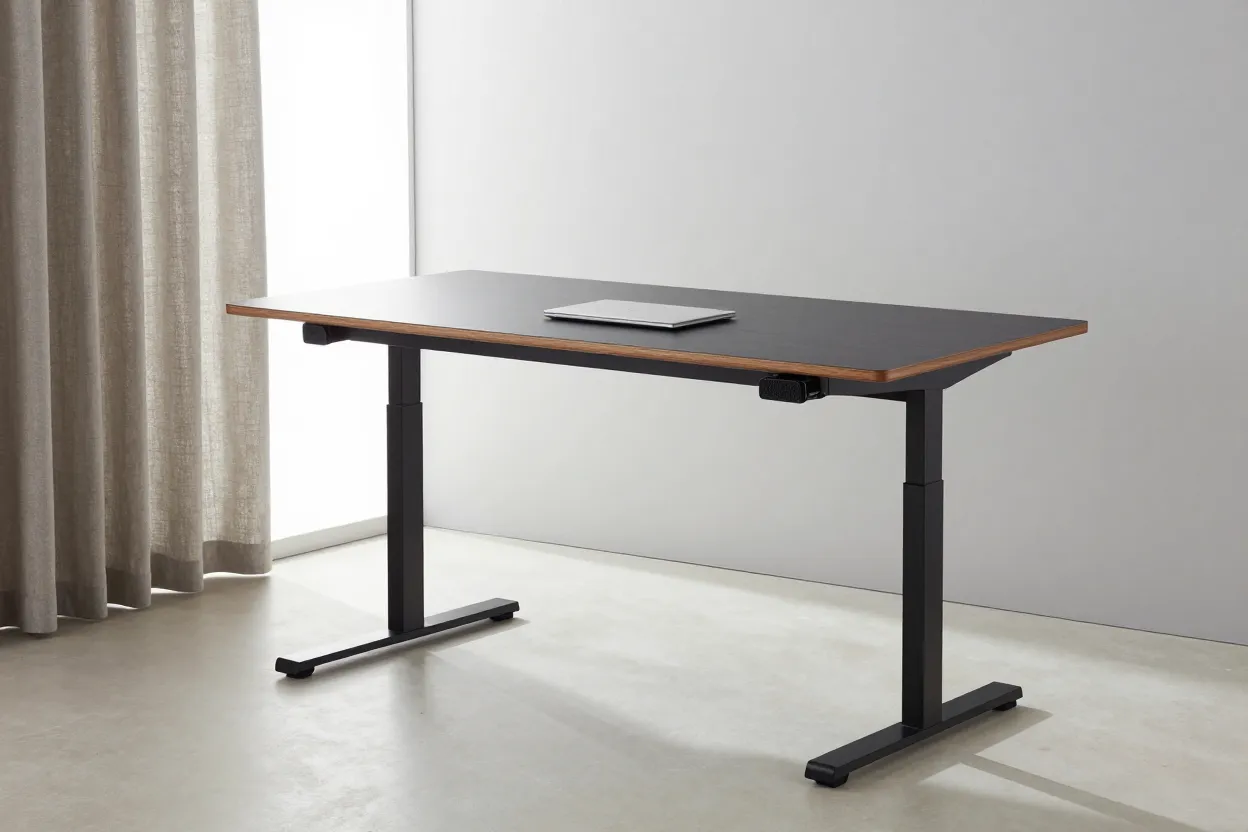
if you work at a desk (office or remote), a standing desk with an under-desk walking pad changes everything. you're not "working out," you're just walking while you work. you can do this 4-6 hours per day without trying.
at 3 mph walking speed, you're burning 250-300 calories per hour just by existing. 4 hours per day = 1000-1200 calories burned from walking. that's the equivalent of 1-2 hours at the gym without dedicated exercise time.
this advantage alone makes walking pad vs gym membership an absolute no-brainer for desk workers.
Quality of Life Advantage (Often Overlooked)
you can watch movies while using a walking pad. you can listen to podcasts. you can do calls. try doing that at a gym. the entertainment factor is massive for consistency — you're not exercising, you're just walking while enjoying something.
weather is irrelevant. it's raining? you're already home. snowing? irrelevant. 100 degrees? you're in AC. gyms have weather friction that home training doesn't.
social pressure disappears (if that's a problem). some people hate gyms because of appearance anxiety. home equipment removes that completely.
The Honest Limitations (Walking Pad Can't Do Everything)
walking pads aren't replacements for comprehensive fitness. if you want to build serious strength, develop muscles, or do intense cardio training, walking pads are incomplete.
the optimal solution: walking pad for daily movement baseline + occasional gym time or home strength equipment (dumbbells, pull-up bar) for comprehensive training. but if you had to choose one? walking pad wins on pure consistency and accessibility for most people.
The Space Reality (Are They Really That Compact?)
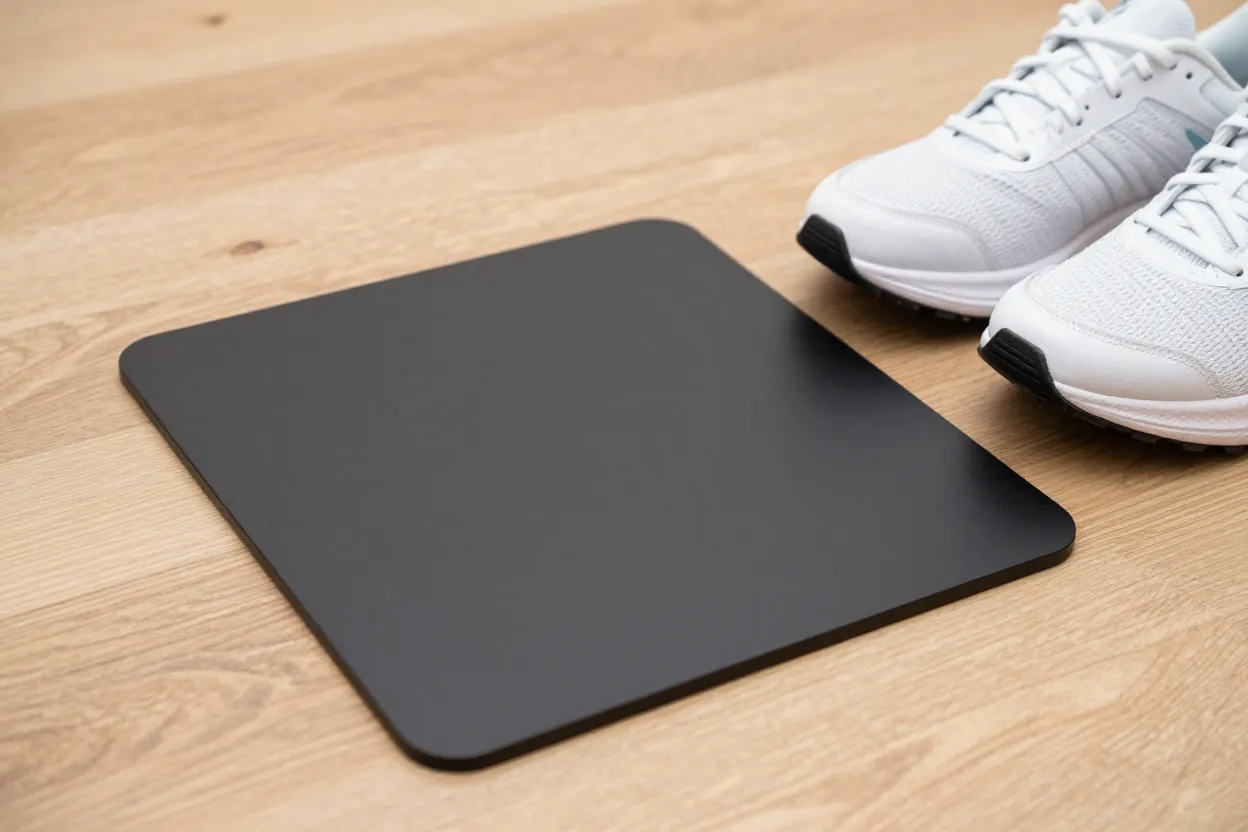
yes. modern walking pads fold completely flat — under 10 inches thick. they fit under beds, in closets, or behind doors. they're quieter than most appliances. the "I don't have space" excuse actually doesn't apply here.
compare that to gym requirements: driving distance, parking, time commitment. home space advantages are real.
The Verdict (When Walking Pad Wins, When Gym Wins)
choose walking pad if: you work at a desk, you struggle with consistency, you don't have easy gym access, you want to build a daily movement habit, you're on a budget, you have current.
choose gym if: you want serious strength training, you need social accountability, you like variety and classes, you want trainer guidance, you're already physically active and need advanced equipment.
for most people? walking pad + home dumbbells beats gym membership on consistency, cost, and results.