Why Yoga Props Are Actually Essential (Not Optional)
okay so yoga props have this weird reputation. beginners think they're for people who "can't" do yoga. advanced yogis know they're for people who can read and follow physics. props give you access to deeper versions of poses safely. your yoga teacher says "use a block if you need it" and most people don't, so they force their way into a pose and either don't get the benefit or tweak their back. using a prop is the sign of someone who actually understands how bodies work.
Blocks: The Foundation of Smart Yoga
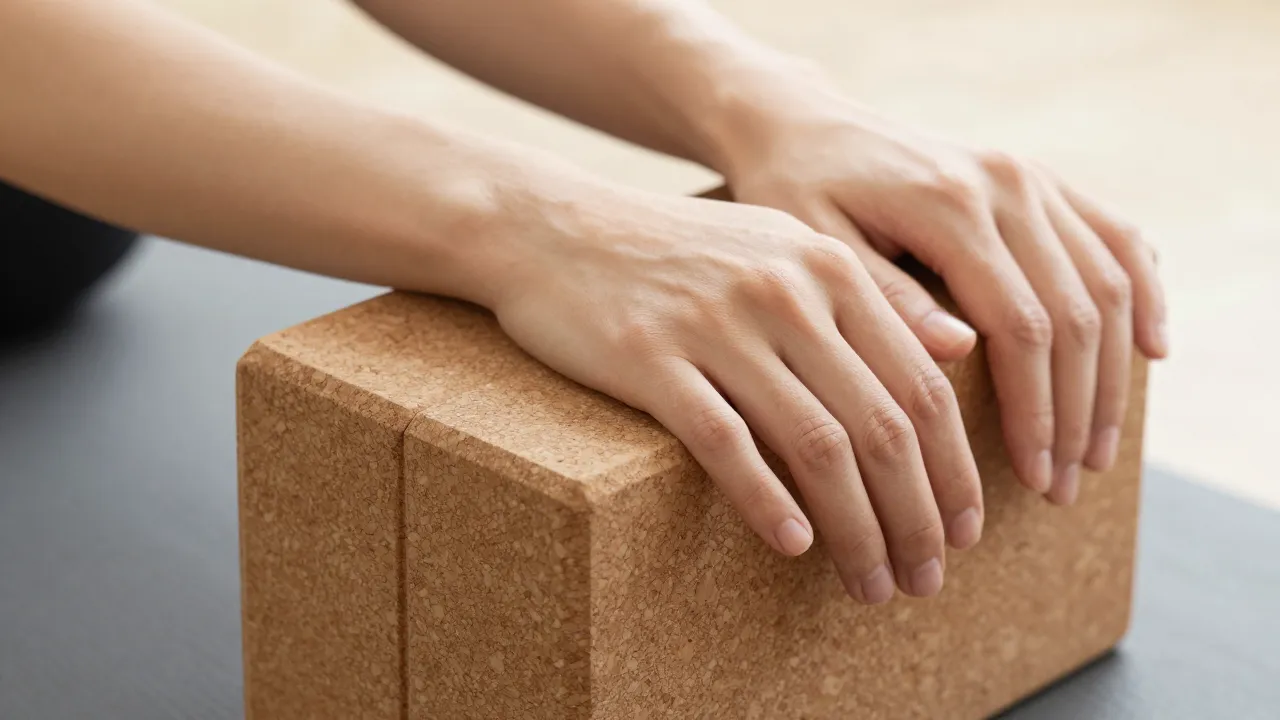
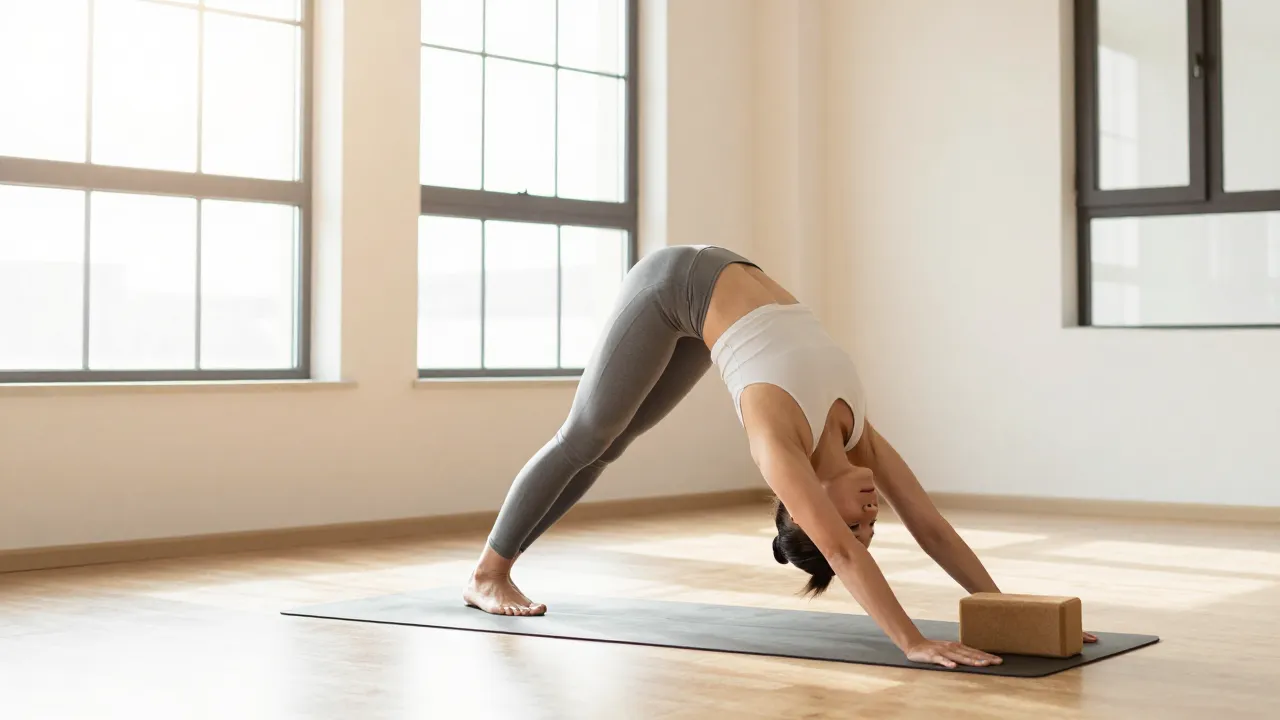
blocks exist to bring the ground to you instead of you forcing your hands to the ground. in triangle pose, if your hand doesn't naturally reach the ground, you have two options: force a shallow position with a rounded spine (bad alignment), or put a block under your hand and maintain a tall spine (good alignment). the block lets you go deeper while maintaining structure. same with half-splits — a block under your front thigh lets your hips stay level and you actually stretch the hamstring instead of just yanking on your connective tissue. if you can't do a pose with good alignment, use a prop. that's not weakness, that's wisdom.
Cork vs Foam: The Real Difference: Which Is Better?
foam blocks are cheap and work for beginners. cork blocks cost more but last 10+ years. foam degrades over time — after 2–3 years of regular use, they compress and lose support. cork stays stable forever. if you're doing yoga 2–3x per week, you'll notice the difference. foam is fine for testing. cork is the investment. most serious yogis switch to cork within 6 months of starting.
Straps: The Reach Extender
tight hamstrings? shoulder mobility issues? straps extend your reach without forcing. forward folds, binds, shoulder stretches — a strap bridges the gap while you build flexibility. most people avoid straps because they think it means they're "not there yet." truth is, using a strap is how you get there. you're building the flexibility safely instead of yanking on joints. bonus: straps are cheap and portable. throw one in your bag.
Bolsters: For Actual Recovery
bolsters are for restorative yoga — you're not doing work, you're being supported into poses. supported fish pose, reclined bound angle, legs-up-the-wall — these poses are about relaxation and gentle opening, not effort. a bolster cradles your spine and organs safely. if you only practice power yoga, you don't need one. if you want to balance hard training with actual recovery, bolsters are essential. Gaiam's is a solid choice.
Yoga Wheels: The Back Bend Game Changer
yoga wheels are specifically for back bends and chest opening. the curve supports your entire spine and lets you passively deepen into wheel pose or bridge. modern life (desk work, phones, driving) closes your chest and rounds your shoulders. wheels systematically reverse this. lay back into a 12-inch wheel and hold it for 2 minutes — you're working on thoracic extension and chest opening that dumbbells and strength training don't touch. if you want to improve posture and chest mobility, a wheel is genius. 6-inch wheels are portable and target specific spinal segments. 12-inch wheels are better for full back bends.
The Props Bundle Question
if you're starting yoga and want everything at once, a props bundle saves money ($35–50 off) and decision-making. individual pieces are cheaper per item if you customize, but bundles are convenient. if you're experienced and want specific props (premium cork blocks, specific bolster), buy separately. if you're new and unsure what you'll use, a bundle is realistic.
The Props You Actually Need
minimum: 2 cork blocks + 1 strap. that's $50–70 and covers the most common uses (block support, reach extension). add a bolster if you do restorative. add a wheel if back bends are your focus. don't buy props for poses you don't practice. a yoga wheel is pointless if you never do wheel pose. blocks and a strap are universally useful.
The Misconception That Props Are "Cheating"
they're not. using props is advanced yoga. beginners think you just force yourself into shapes. advanced practitioners understand that depth, alignment, and safety matter more than ego. you'll see experienced yogis using props in every class. it means they're prioritizing long-term practice over forcing depth today. props are how you build a sustainable practice.