Why Resistance Bands Are Low-Key the Best Fitness Investment
okay so resistance bands are weird. they cost less than a single month of most gym memberships, they take up basically zero space, and they're legitimately effective for strength training, conditioning, mobility work, and rehab. they're the kind of thing that seems too good to be true but actually isn't. the weird part is that most people buy garbage latex bands off Amazon, hate the experience, and never try them again.
Loop Bands vs Tube Bands: What's the Difference?
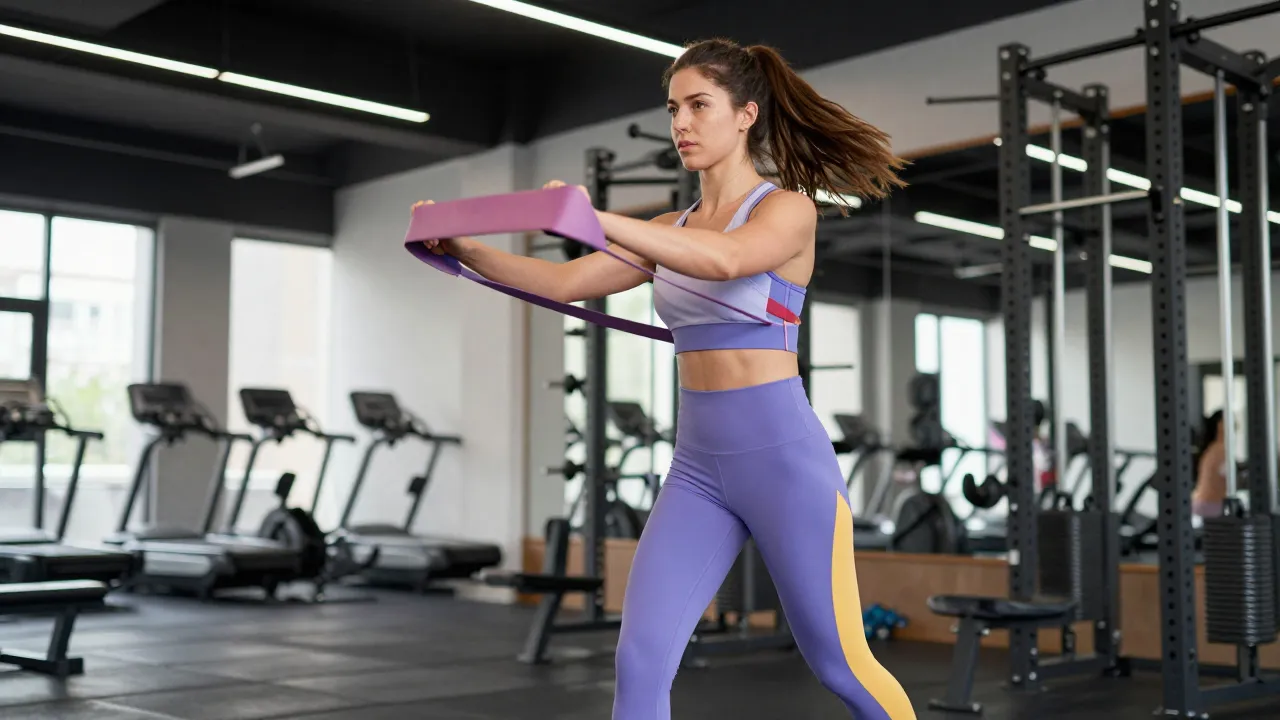
loop bands are the closed-circle format. they're versatile — you can do banded squats, chest presses (with a door anchor or by wrapping around a pole), leg lifts, glute work, and strength training. tube bands come with handles and are designed for pushing and pulling motions (chest press, rows, bicep curls, tricep extensions). you usually also get a door anchor so you can do vertical pulling exercises. if you could only get one type, loop bands are more versatile. but tube bands with handles feel more natural for pressing and pulling.
Fabric vs Latex: The Material Science: Which Is Better?
this matters more than the price difference suggests. latex bands (cheap) degrade over time — sun exposure, temperature changes, and humidity break down the rubber. they also roll during use (they twist and bunch), which is annoying. fabric bands are woven latex, which means they don't roll, they last way longer (5–10 years vs 1–2 years), and they grip your skin so they don't slip. the trade-off: fabric costs more upfront, usually a couple of times the price of a latex set. but if you're actually going to use bands regularly, fabric is the move. you'll use them for years and never deal with a band suddenly snapping or rolling up during a glute workout.
Resistance Levels and Color Coding
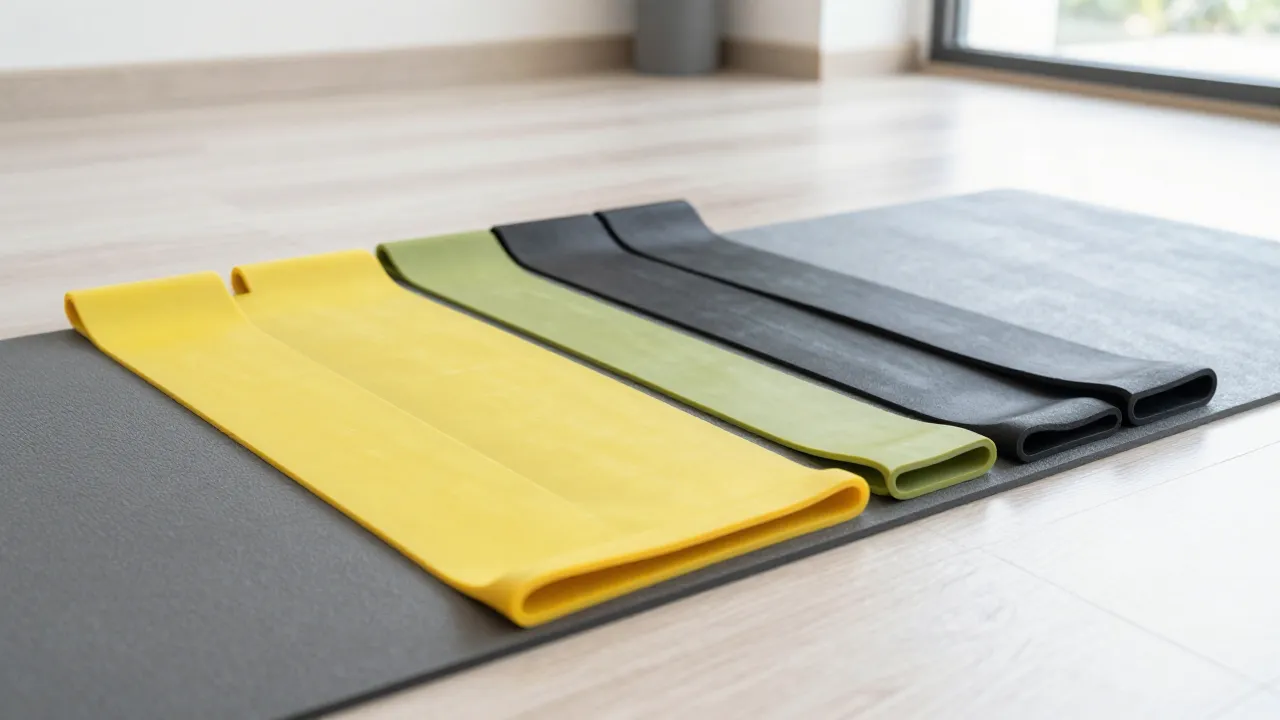
legit brands color-code their bands by resistance. light (yellow) is easiest, then red, green, blue, and black (hardest). some brands add extra colors for super-heavy resistance. the color system means you don't have to think about it — you just grab the color you need. if you're building a full set, get 4–5 resistance levels. that covers everything from rehab-light (light yellow) to challenging strength work (heavy blue or black). progressive overload is easy — when the light band feels easy, grab the next color up.
The Exercises Resistance Bands Actually Unlock
here's why bands are underrated compared to dumbbells: you can do things with bands that dumbbells can't. lateral walks with bands around your knees are incredible for glute activation. X-band walks (band around legs in an X pattern) are a game-changer for lower body stability. face pulls with a band tied to a door are phenomenal for shoulder health. and banded squats and deadlifts add accommodating resistance, which is a powerlifting technique that builds explosive strength. you literally cannot do these movements effectively with dumbbells. bands also work for rehab and mobility in ways dumbbells don't. they provide variable resistance — the tension increases as you stretch the band, which is actually better for building strength through a full range of motion.
The Budget Dilemma: How Much to Spend?
a five-pack of basic latex loops is the cheapest entry in the category; a full tube-and-accessory kit is several times that. here's the real answer: if you're testing the waters, start with the cheapest latex set and use it for four weeks. if you actually use it, upgrade to fabric. if it sits in your closet untouched, you're out very little. most people who say "I was going to get bands but never used them" bought them once, hated cheap latex bands (they roll and feel flimsy), and gave up. upgrade to fabric and the experience completely changes.
The Gym Replacement Reality
can bands fully replace a gym membership? kind of, but not completely. bands are incredible for strength training, conditioning, mobility, and rehab. they can build muscle. but if your main goal is heavy barbell work (squats, deadlifts, bench press with serious weight), you'll eventually want actual barbells. for 80% of fitness goals (general strength, conditioning, fat loss, mobility), bands and dumbbells cover everything. add a pull-up bar and a bench and you have a full home gym setup for less than most people spend on a year of gym access. so yeah, bands can handle the core of your training.
The Portable Fitness Edge
bands weigh nothing and pack flat. throw a set in your luggage and you have a full training setup anywhere. hotel room? workout. vacation? workout. your parents' house over the holidays? gym in your suitcase. this is why athletes and coaches use bands — the portability is unmatched. dumbbells are heavy and bulky. barbells are impossible to travel with. bands fit in a shoe.