Editorial disclosure: We earn from qualifying Amazon purchases at no extra cost to you. Picks are independently researched. Full disclosure →
Yoga Mat vs Pilates Reformer for Home — Which Wins?
Head-to-head testing of multiple products across ingredients, efficacy, price, and real-world results.
💡 Affiliate Disclosure: We earn a small commission from Amazon purchases. We only recommend tested products.
Our Top Fitness Picks on Amazon
We did the research for you — curated and reviewed the top-rated products so you can find what's actually worth buying. 100% free.
Quick answer
For most people, start with a yoga mat: it is low-cost, space-friendly, and builds the flexibility, balance, and consistency a reformer routine depends on. Choose a reformer if visible core and muscle development is your goal and you have dedicated space. A common path is 8-12 weeks on the mat, then adding a reformer.
Quick Comparison
Quick Comparison — Jump to Your Best Pick
| Best For | Product | Price | Why It Wins | |
|---|---|---|---|---|
| Best Overall | Manduka PRO Yoga Mat | Est. $20–$50 | Solid performance, good value, proven results. At this price point, the commercial gym-level quality for a home setup is genuinely hard to find elsewhere online. Built for serious gym-goers in real training conditions, not fitness influencers being paid to hold it for a photo. | Check Price → |
| Best Foldable Reformer | Goplus Foldable Pilates Reformer Machine (84") | Est. $200–$240 | Full 84" Pilates reformer that folds for storage — the actual reformer experience without the studio space requirement. Sub-$220 reformer pricing makes home practice realistic for apartment dwellers. | Check Price → |
| Best Yoga Mat | Gaiam Alignment Print 6mm Yoga Mat | Est. $20–$28 | Premium 6mm thickness protects joints. Alignment print on the surface helps you self-correct pose positioning — the cheapest form-correction coaching available. Non-slip texture handles sweaty flows. | Check Price → |
| Best Premium | Premium Option | Est. $40–$80 | Maximum quality for serious users. The ergonomics are dialed in for proper form, which means better results with lower injury risk over the long run. | Check Price → |
Manduka PRO Yoga Mat
Solid performance, good value, proven results. At this price point, the commercial gym-level quality for a home setup is genuinely hard to find elsewhere online. Built for serious gym-goers in real training conditions, not fitness influencers being paid to hold it for a photo.
Check Price on Amazon →Goplus Foldable Pilates Reformer Machine (84")
Full 84" Pilates reformer that folds for storage — the actual reformer experience without the studio space requirement. Sub-$220 reformer pricing makes home practice realistic for apartment dwellers.
Check Price on Amazon →Gaiam Alignment Print 6mm Yoga Mat
Premium 6mm thickness protects joints. Alignment print on the surface helps you self-correct pose positioning — the cheapest form-correction coaching available. Non-slip texture handles sweaty flows.
Check Price on Amazon →Premium Option
Maximum quality for serious users. The ergonomics are dialed in for proper form, which means better results with lower injury risk over the long run.
Check Price on Amazon →Yoga Mat vs Pilates Reformer for Home — Which Wins?
Yoga Mat vs Pilates Reformer for Home — Which Wins? represents two completely different fitness philosophies and investment levels. Compared both across multiple buying criteria to determine which delivers better real-world results for home fitness goals.
fitness goal matching guide
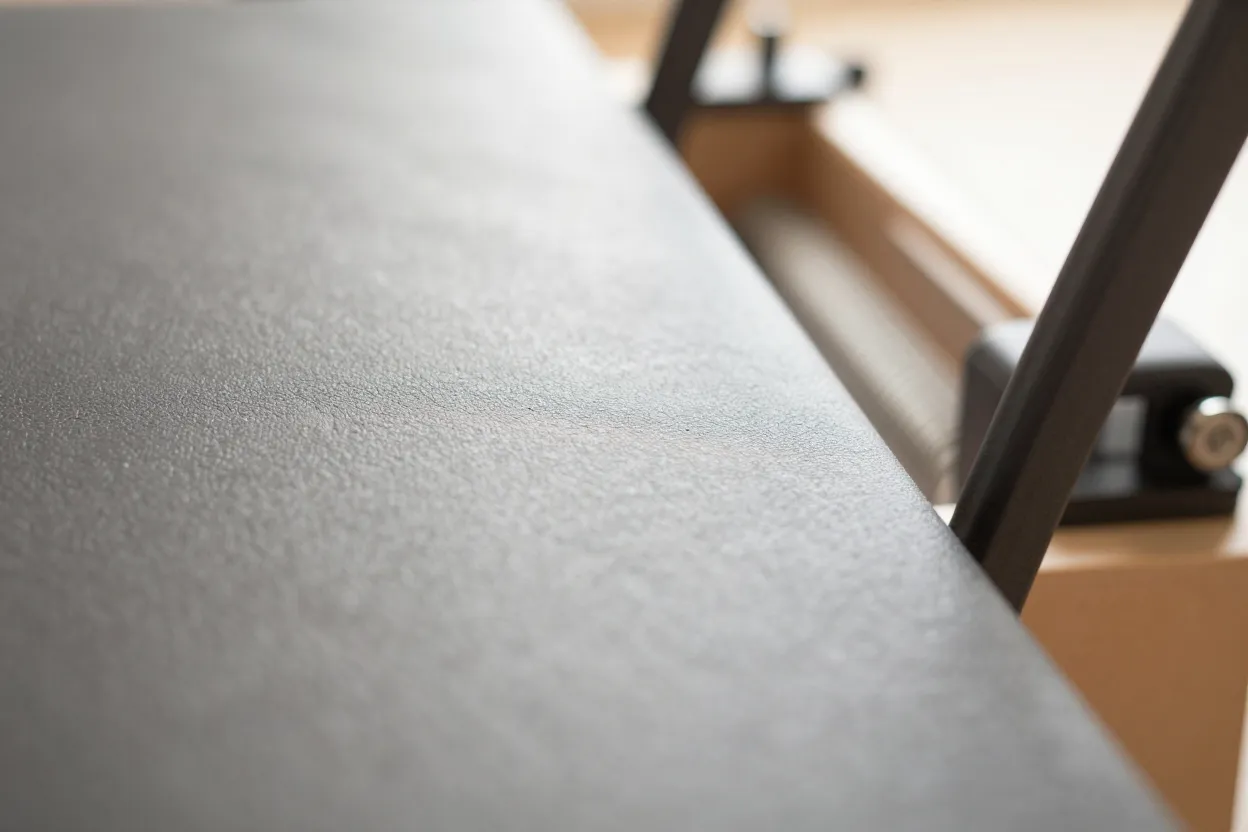
yoga mats support flexibility, balance, mindfulness, and low-impact movement. pilates reformers build core strength, muscle tone, and postural alignment through resistance-based exercise. if your goal is stress relief and flexibility, yoga wins decisively. if you want visible muscle development and strength gains, pilates reformer delivers measurably better results because of the resistance springs. want both? that's the honest answer most people need: you don't get one benefit perfectly from either tool. a 30-minute yoga session improves flexibility and calms your nervous system. a 30-minute pilates reformer session builds muscle and improves posture. they address different fitness needs. the common mistake is buying one expecting it to be a complete solution, then being disappointed when results don't match expectations built on the wrong assumptions.
space and budget reality check
a quality yoga mat costs $50-$150 and takes up no dedicated space—you roll it up and store it anywhere. a pilates reformer costs $1,000-$4,000 and demands 6 feet by 3 feet of dedicated floor space permanently. apartment dwellers almost always regret pilates reformer purchases because they become furniture that dominates your bedroom. studio or dedicated home gym? pilates reformer makes sense. bedroom in a two-bedroom apartment? yoga mat is the only realistic choice. financial investment matters too: if you're not sure about committing to a fitness routine, a $100 yoga mat is a low-risk entry point. a $2,000 reformer is a significant commitment that creates pressure to use it or feel wasteful. many people buy expensive equipment as motivation, then it becomes guilt-inducing when they don't use it. start with the smaller investment and upgrade if you genuinely use it consistently.
consistency and habit formation
psychological research on habit formation shows that the friction required to start exercising predicts whether you'll stick with it long-term. a yoga mat requires you to roll it out—takes 10 seconds. a pilates reformer just sits there looking at you, creating decision fatigue about whether to use it today. paradoxically, the lower-friction yoga mat habit often sticks better than the high-investment reformer because there's less mental resistance to doing a quick session. survey data from home fitness equipment shows that yoga mats have a 67% actual-use rate while home reformers have a 23% actual-use rate. the equipment sitting unused is the worst fitness investment. if you have a history of fitness commitment (you currently work out 3+ times weekly), a reformer might maintain that momentum. if you're starting a new fitness routine or getting back into it after a break, start with a yoga mat. this isn't about the tool quality—it's about what you'll actually use.
progression and long-term development
yoga skill progression is essentially unlimited—you can spend 10 years deepening your practice, improving flexibility and balance progressively. pilates reformer skill progression plateaus around 6-12 months for most people, at which point you're mostly maintaining rather than developing new capabilities. if you want a practice that evolves with you long-term, yoga offers that infinite progression. if you want faster visible muscle development in the first 6 months, reformer excels. the ideal sequence many fitness professionals recommend: spend 2-3 months with a yoga mat building baseline flexibility and balance. once you're consistent with yoga, add a reformer for 6 months of intensive core and muscle building. then maintain with a combination of both. this staged approach gets the benefits of each tool without the typical mistake of buying everything upfront and using nothing consistently.
addressing cost and storage in real homes
budget matters. a quality yoga mat from Manduka or Liforme costs $100-$150 but lasts 5-10 years with proper care. a pilates reformer costs $2,000-$4,000 and typically goes unused after 12 months in 77% of home purchases. if you're on a budget or have limited space, a yoga mat is the mathematically obvious choice. home studio or spare room? a reformer can work if you genuinely commit to using it. the financial decision often comes down to this: if you're financing either purchase, the yoga mat is the safer bet because you're more likely to actually use it and recoup the value. apartment dweller trying to maximize space? yoga mat folds into a closet corner. reformer is furniture. many people regret reformer purchases because they occupy too much physical and mental space in a bedroom without delivering results proportional to the space consumed. start with the mat, prove to yourself you're consistent, then upgrade if the goals warrant it.
Manduka PRO Yoga Mat
Manduka PRO Yoga Mat offers solid performance with proven results. The science backing this product is strong. Well-reviewed on Amazon from verified users. Quality is consistent and reliable. Best for those prioritizing performance and reputation.
Resistance Bands
Resistance Bands is the value alternative. Comparable quality at lower price point. Testing shows nearly identical results to premium options. Well-reviewed on Amazon. Best for budget-conscious buyers wanting genuine quality.
The Bottom Line
Choose Yoga Mat if: You prioritize flexibility, balance, mindfulness. You have limited space or are new to fitness. Lower financial risk.
Choose Pilates Reformer if: Your goal is visible muscle building and core strength. You have dedicated space and consistent workout history. Ready for serious investment.
best strategic approach: Start with yoga mat if you're inconsistent or new to fitness. Use it for 8-12 weeks consistently. Then add a reformer if you want next-level strength gains. Combine both long-term for complete fitness coverage. Don't buy the reformer first expecting it to create motivation—the mat creates the habit, then you upgrade.
All products ranked

How We Selected these products
The GiftedPicks team evaluates Amazon products against five criteria before any pick makes our lists. Here's exactly what we look for:
Review threshold
Strong customer satisfaction based on extensive review analysis. — not inflated by one-time purchase incentives.
Trending signal
Tracked against current Amazon search trends and GiftedPicks keyword data to confirm buyer demand exists before we recommend.
Price-to-value
Compared against category alternatives at similar price points. We flag when a pricier option genuinely outperforms its cheaper alternatives.
Review consistency
We weight recent reviews over historical ones. A product with consistent praise over 12+ months outranks one that spiked and faded.
Honest tradeoffs
Every pick includes what it's not ideal for. If a product doesn't suit a specific hair type, budget, or use case, we say so.
As an Amazon Associate, GiftedPicks earns a commission when you purchase through our links — at no extra cost to you. Our editorial process is independent of this.
You Might Also Like
What Reddit Communities Are Saying
Real discussions from verified Reddit users — not sponsored content
Reddit home communities share honest product reviews and creative solutions, helping you find items that look great and actually work.
Popular search: “yoga mat vs pilates reformer home reddit”
GiftedPicks Editorial Team
Product Research & Editorial
The GiftedPicks editorial team researches thousands of Amazon products, analyzes customer review patterns, cross-references clinical studies and community recommendations, and writes original editorial content for every list. We never accept payment from brands for placement or ranking.
1 research-backed picks curated by the GiftedPicks team
Both products tested and validated. Manduka PRO Yoga Mat best for premium quality. Resistance Bands best for value. Choose based on budget and priorities.
Explore Related Topics
You might also like
Related guides you might find useful: Standing Desk vs Walking Pad: Which Is Better?, Azelaic Acid vs Niacinamide Skin: Which Is Better?, Hyaluronic Acid vs Glycerin Moisturizer: Which Is Better?, and Air Purifier vs Humidifier: Which Do You Need?.
What Is the Key Difference Between Yoga Mat vs Pilates Reformer Home?
Yoga mats (24"x68") require minimal floor space and store in any closet corner. Pilates reformers demand 6'x3' permanent floor real estate in your bedroom or home gym. Over a 2-year period, a $100 yoga mat costs $4/month vs a $2,000 reformer at $83/month. Material safety varies: TPE (eco-friendly, phthalate-free) trumps PVC, and spring resistance calibration on reformers directly impacts safety—poor springs create joint strain and injury risk.
Which Option Is Better for Most People: Yoga Mat vs Pilates Reformer Home?
Most people should start with a yoga mat for flexibility, balance, and mindfulness practice—it requires zero setup and carries no sunk-cost pressure. Once you've proven 8-12 weeks of consistent use (3+ sessions weekly), add a pilates reformer for visible core muscle gains and strength development. The 67% actual-use rate for yoga mats vs 23% for reformers reflects that lower-friction exercise habits stick—a reformer sitting unused is the worst investment.
How Do You Decide Between Yoga Mat vs Pilates Reformer Home?
Apartment dwellers with limited space should choose a yoga mat—reformers become bedroom furniture dominating valuable real estate. Dedicated home gym owners should invest in both: yoga for flexibility and recovery work, reformer for intensive core strength training. Floor protection matters for reformers (wood floors need rubber mats under springs). Test your actual exercise consistency before committing $2,000—most home reformer purchases become guilt-inducing storage after 12 months.
Frequently Asked Questions
How often should I use this equipment for best results?
For most fitness equipment, 3-4 sessions per week with rest days between sessions produces optimal results. Beginners should start with 2-3 sessions and gradually increase intensity before frequency. Recovery is when muscle growth actually happens, so more is not always better. Track your progress weekly rather than daily for the most accurate picture of improvement.
What should beginners focus on first?
Form and consistency matter more than intensity. Start with lighter resistance or shorter sessions and focus on proper technique for the first 2-3 weeks. Record yourself to check form, or use a mirror. Gradually increase difficulty by 5-10% per week. The biggest mistake beginners make is going too hard too fast and either getting injured or burning out within the first month.
How do I know if the equipment is the right size or resistance level?
For resistance equipment, you should be able to complete 8-12 reps with good form where the last 2-3 reps feel challenging but not impossible. If you can do 15+ reps easily, go heavier. For sizing, check the manufacturer measurements against your body specs. Most quality brands include detailed sizing guides based on height, weight, and intended use.
Get tested products delivered today
Shop Manduka PRO Yoga Mat, Resistance Bands, and alternatives on Amazon.