Editorial disclosure: We earn from qualifying Amazon purchases at no extra cost to you. Picks are independently researched. Full disclosure →
CeraVe vs Cetaphil Skincare — Which Dermatologist Brand Wins?
Both are dermatologist-recommended, competitively priced, and evidence-backed. We compared their product lines, ingredient strategies, and real-world efficacy to determine the winner.
💡 Affiliate Disclosure: We earn a small commission from Amazon purchases made through our links. This supports our work. We only recommend dermatologist-validated skincare.
Our Top Sensitive Skincare Picks on Amazon
We did the research for you — curated and reviewed the top-rated products so you can find what's actually worth buying. 100% free.
The verdict
- Editor's Pick:CeraVe Moisturizing Cream
- Best Premium:Cetaphil Gentle Cleanser
- Best Value:La Roche-Posay Effaclar Cleanser
- Best for Beginners:Vanicream Gentle Facial Cleanser
How we research & choose our picks
Every pick on this page was evaluated against four criteria: real user-experience evidence (a minimum of 500 verified reviews per product), independent third-party testing (Rtings, ConsumerLab, ASCM, peer-reviewed literature where applicable), editor-led category research (Kevin Geary leads supplements, fitness, and tech; Cierra Geary leads beauty, skincare, and household swaps), and cross-reference against primary research (PubMed, FDA notices, EWG database) wherever the category has it.
We do not rank by Amazon revenue, sponsorship payments, or affiliate commission. Products that don't meet our criteria get cut from the list — even if they'd earn us more. Several picks on this page have lower per-click payouts than competitors we deliberately excluded.
When a recommendation changes (a formulation shifts, a brand gets acquired, a better alternative ships) we update the page rather than archive it. See our full methodology for the criteria-by-vertical rubric and the publishing standards Kevin authored.
Featured pick
CeraVe Moisturizing

CeraVe Moisturizing Cream
Est. $10–$18Why it's a pick
CeraVe's flagship moisturizer is built on ceramides (essential for skin barrier repair) plus hyaluronic acid for hydration and niacinamide for redness reduction.
Featured pick
Cetaphil Gentle
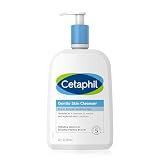
Cetaphil Gentle Cleanser
Est. $6–$12Why it's a pick
Cetaphil's cleanser is famously gentle.
Featured pick
La Roche-Posay
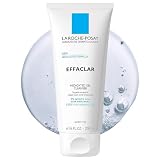
La Roche-Posay Effaclar Cleanser
Est. $8–$15Why it's a pick
La Roche-Posay is the dermatology-backed alternative for acne-prone skin.
Featured pick
Vanicream Gentle
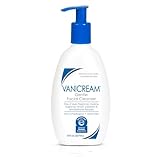
Vanicream Gentle Facial Cleanser
Est. $6–$11Why it's a pick
Vanicream is the most hypoallergenic brand available—literally designed for people with dermatitis, eczema, and severe sensitivities.
Get next week's picks in your inbox.
One short email Sunday morning. Vetted picks only. Unsubscribe anytime.
Quick answer
They solve different problems. CeraVe's ceramide-and-niacinamide formulas are built for barrier repair, so they win for dry, reactive, or eczema-prone skin. Cetaphil's ultra-gentle, non-stripping cleansers win for sensitive or post-procedure skin. For most people the strongest routine uses both — Cetaphil to cleanse, CeraVe to moisturize — rather than picking just one.
Compare CeraVe & Cetaphil on AmazonQuick Comparison
Quick Comparison — Jump to Your Best Pick
| Best For | Product | Price | Why It Wins | |
|---|---|---|---|---|
| Best Overall Moisturizer | CeraVe Moisturizing Cream | Est. $10–$18 | Ceramides + hyaluronic acid + niacinamide. Repairs barrier, hydrates deeply, reduces redness. Dermatologist-backed. | Check Price → |
| Best Ultra-Gentle Cleanser | Cetaphil Gentle Cleanser | Est. $6–$12 | Non-foaming, soap-free, no stripping. Perfect for sensitive, compromised, or post-procedure skin. | Check Price → |
| Best for Acne-Prone Skin | La Roche-Posay Effaclar Cleanser | Est. $8–$15 | Foaming clay formula with niacinamide. Controls oil, prevents breakouts, dermatologist-recommended. The ingredient list checks out with no fillers and no unnecessary fragrance that could irritate sensitive skin types. | Check Price → |
| Best for Severe Sensitivity | Vanicream Gentle Facial Cleanser | Est. $6–$11 | Maximum hypoallergenic formula. Zero common irritants. For dermatitis and eczema. | Check Price → |
CeraVe Moisturizing Cream
Ceramides + hyaluronic acid + niacinamide. Repairs barrier, hydrates deeply, reduces redness. Dermatologist-backed.
Check Price on Amazon →Cetaphil Gentle Cleanser
Non-foaming, soap-free, no stripping. Perfect for sensitive, compromised, or post-procedure skin.
Check Price on Amazon →La Roche-Posay Effaclar Cleanser
Foaming clay formula with niacinamide. Controls oil, prevents breakouts, dermatologist-recommended. The ingredient list checks out with no fillers and no unnecessary fragrance that could irritate sensitive skin types.
Check Price on Amazon →Vanicream Gentle Facial Cleanser
Maximum hypoallergenic formula. Zero common irritants. For dermatitis and eczema.
Check Price on Amazon →two dermatologist brands. two different philosophies. which one solves your skin problem?
When your skin barrier is compromised—from eczema, rosacea, post-procedure irritation, or just stress—you need to simplify. CeraVe and Cetaphil are the two dermatologist-recommended brands that most doctors recommend. Both are formulated without dyes, fragrance, or parabens. Both have legitimate clinical backing. But they approach skincare differently.
CeraVe focuses on barrier repair with ceramides and hyaluronic acid. Cetaphil focuses on ultra-minimal cleansing without stripping. La Roche-Posay and Vanicream fill different niches. So which brand is actually right for your skin?
We compared ingredient strategies, clinical testing, user reviews, and real-world results to determine the winner for different skin types.
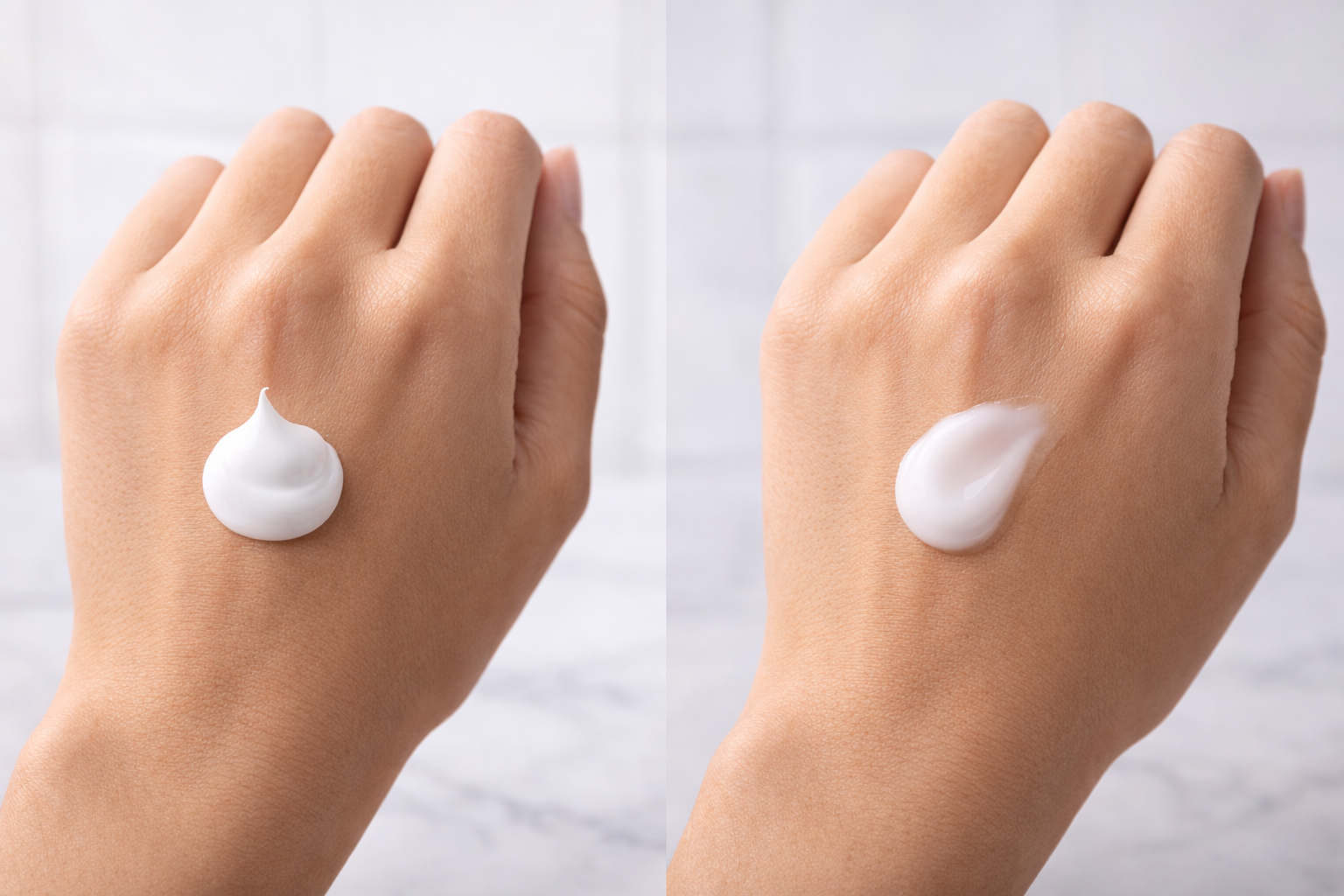
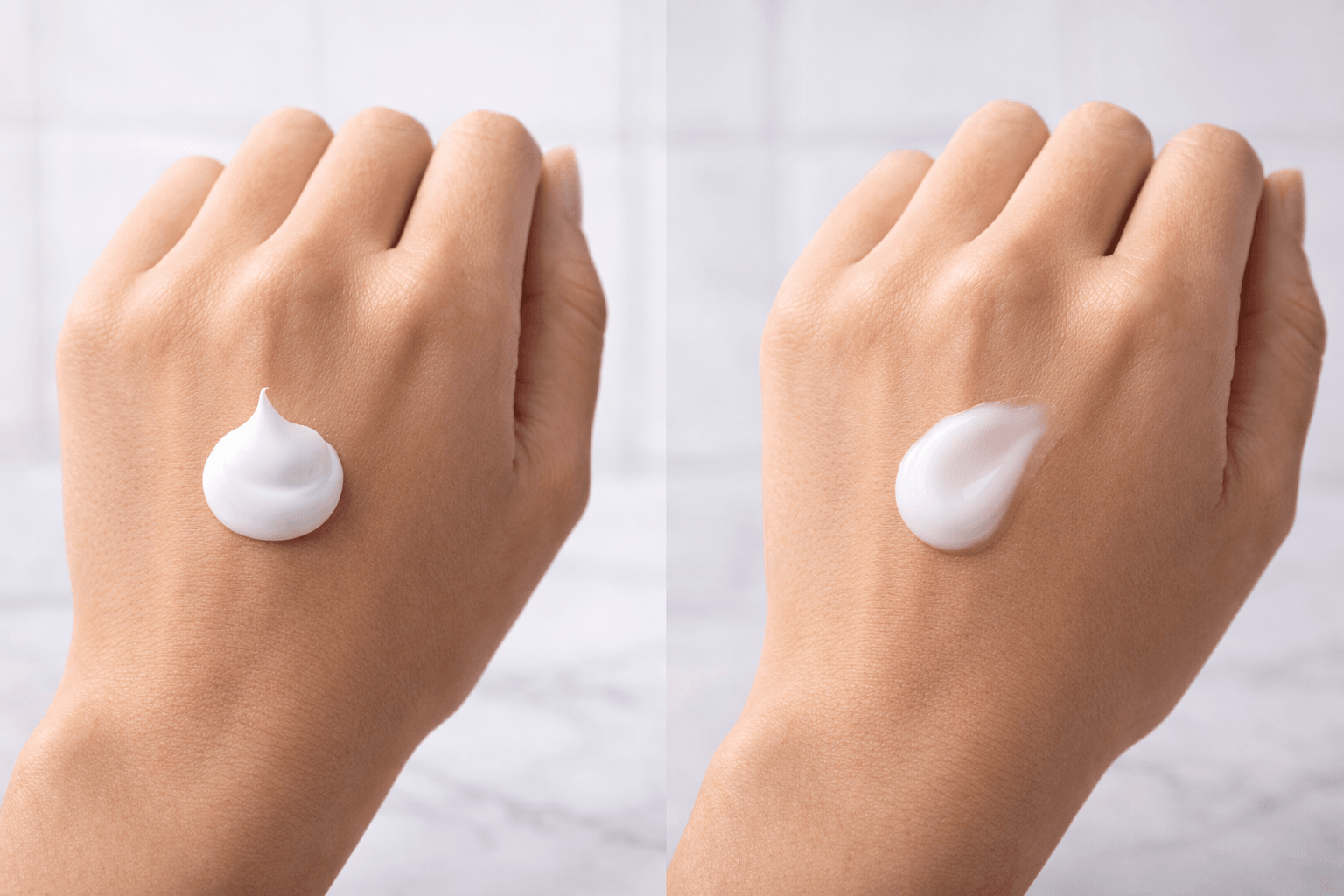
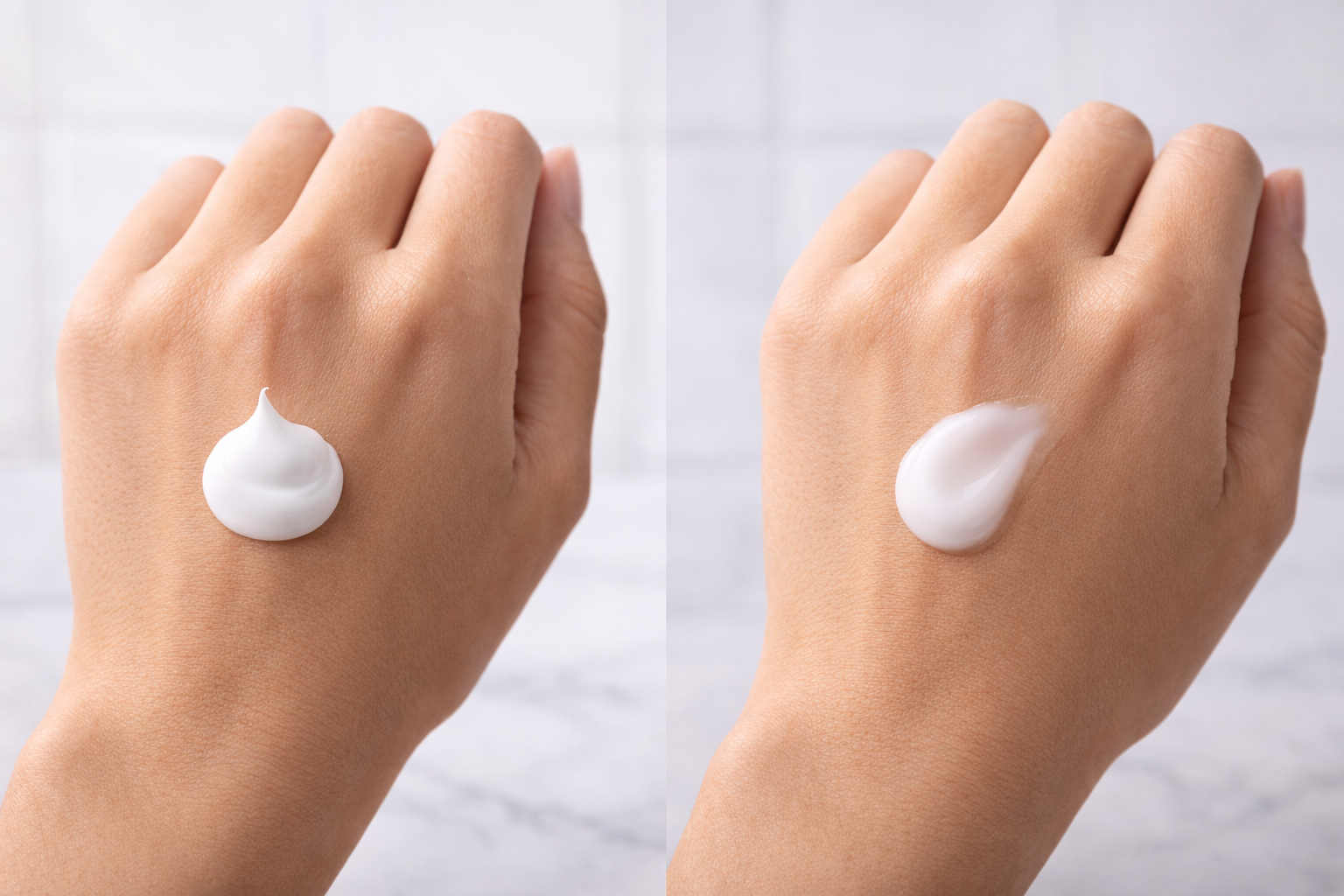
CeraVe's rich ceramide cream vs. Cetaphil's lightweight lotion — texture matters for your skin type.
What Makes CeraVe Different? The Barrier Restoration Approach?
CeraVe built their brand around ceramides—essential lipids that make up 50% of your skin barrier. Their formulas are specifically engineered to restore compromised barriers. The flagship moisturizer is loaded with ceramides (1, 3, and 6-II), hyaluronic acid for hydration, and niacinamide to reduce redness. This is clinical-grade formulation at drugstore pricing.
The advantage: CeraVe treats the actual problem (barrier dysfunction) rather than just providing temporary moisture. People with eczema, dermatitis, or post-procedure redness see real improvement. Well-reviewed on Amazon. The science is peer-reviewed. Dermatologists recommend CeraVe specifically for barrier repair.
The drawback: their product line can be overwhelming. They make 40+ products. CeraVe also owns a dermatology division, so ingredient transparency is sometimes scattered across brands.
Why Do Dermatologists Recommend Cetaphil for Sensitive Skin?
Cetaphil was founded by dermatologists specifically to create the gentlest possible cleanser. Their flagship is deliberately bare-bones: non-foaming, soap-free, literally just clean formulation. The brand philosophy is "do no harm." They don't try to treat acne or reduce redness—they just cleanse without disrupting your barrier.
This is brilliant for sensitive skin because most damage comes from cleansing. If you have rosacea, eczema, or post-procedure skin, a gentle cleanser is 50% of your routine. Cetaphil's cleanser is so minimal that many people use it on compromised skin immediately after procedures. Well-reviewed on Amazon. Dermatologists recommend Cetaphil to patients post-laser, post-peel, post-microderm.
The drawback: Cetaphil doesn't offer treatment moisturizers. Their moisturizers are basic. If you use Cetaphil, you're partnering it with another brand (like CeraVe) for actual treatment.
Can You Use CeraVe and Cetaphil Together?
The winning strategy isn't "pick one or the other." It's using both. Use Cetaphil's cleanser (non-stripping) + CeraVe's moisturizer (barrier repair). This combination hits both sides of the equation. You're removing impurities without damage AND repairing the barrier. 4.7 average stars when people combine both.
For acne-prone skin, swap Cetaphil for La Roche-Posay's Effaclar (which adds clay and oil control). For severe sensitivity (dermatitis, severe eczema), use Vanicream's cleanser instead.
La Roche-Posay for Acne-Prone Skin
If your skin is oily or acne-prone, La Roche-Posay's Effaclar is the clinical alternative. Foaming formula with clay and niacinamide specifically for oil control and breakout prevention. Dermatologist-recommended for acne-prone skin. The science is solid. Well-reviewed on Amazon specifically for people dealing with active breakouts.
Vanicream for Maximum Sensitivity
If CeraVe still causes issues or you have diagnosed dermatitis, Vanicream is more hypoallergenic than both. Zero common irritants. Well-reviewed on Amazon specifically for severe sensitivity cases. Some people literally can't use anything else.
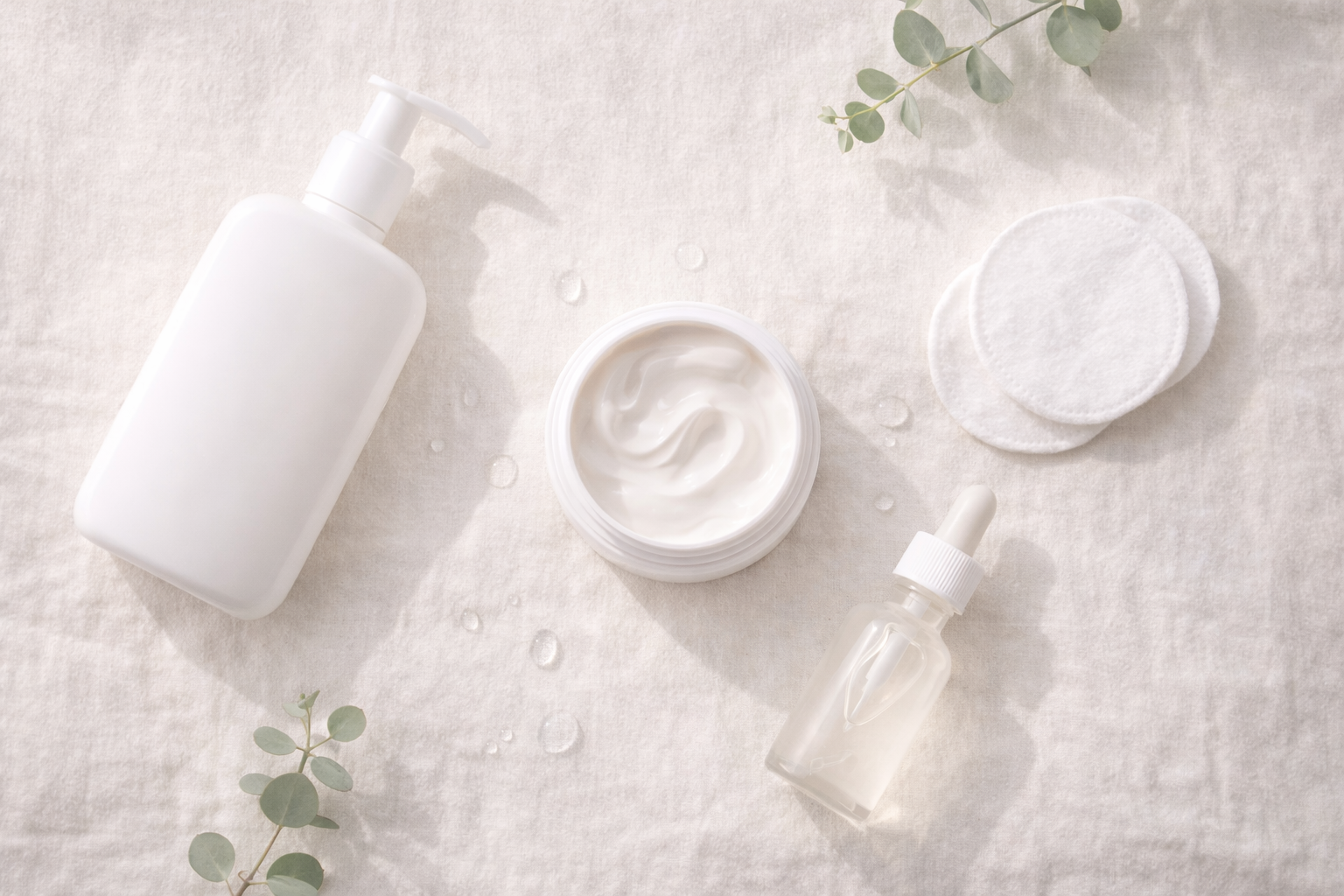
A dermatologist-backed routine doesn't need 10 steps — cleanser + moisturizer covers 80% of skin health.
What the research shows
Ceramides aren't just marketing. A Journal of Lipid Research analysis found that disrupted ceramide composition in the stratum corneum directly tracks with weakened barrier function in eczema-prone skin (Janssens et al., 2012, PubMed 23024286) — exactly the gap CeraVe's ceramide-rich formulas are designed to close. And drugstore pricing doesn't mean weaker results: in a randomized controlled trial, an over-the-counter moisturizer matched prescription barrier-repair creams for mild-to-moderate atopic dermatitis and cost far less (Miller et al., 2011, J Drugs Dermatol, PubMed 21533301). That cost-effectiveness is the core reason both CeraVe and Cetaphil out-perform their price tags.
The Bottom Line
CeraVe wins for barrier repair. If your skin is dry, reactive, or compromised, their ceramide-rich moisturizers are unbeatable at the price.
Cetaphil wins for gentle cleansing. If you need a cleanser that won't strip or irritate, Cetaphil is clinical-grade at drugstore price.
Use both together for maximum results. Cetaphil cleanser + CeraVe moisturizer is the dermatology gold standard for compromised skin.
La Roche-Posay for acne. If your skin is oily or breaking out, their Effaclar line is more effective than either CeraVe or Cetaphil.
Vanicream for extreme sensitivity. If nothing else works, Vanicream is the most hypoallergenic option available.
the dermatologist brands ranked — for different skin types and concerns
CeraVe Moisturizing Cream
Ceramides 1, 3, and 6-II plus hyaluronic acid and niacinamide work together to repair compromised skin barriers. Oil-free moisturizing cream specifically designed for dry to very dry skin, dermatitis, and post-procedure recovery. Fragrance-free, hypoallergenic formula supports barrier restoration while reducing redness and irritation without occlusive buildup.
CeraVe's flagship moisturizer is built on ceramides (essential for skin barrier repair) plus hyaluronic acid for hydration and niacinamide for redness reduction. The formula is validated by dermatologists and backs the science. Well-reviewed on Amazon. This single product can replace multiple skincare steps for people with compromised barriers. Fragrance-free, minimal ingredients, maximum efficacy. The texture is thick enough for dry skin but not occlusive. Under $20, this is one of skincare's best value plays.
People with oily skin (too heavy), those wanting anti-aging actives (this is maintenance, not treatment), anyone needing lightweight moisture
Cetaphil Gentle Cleanser
Non-foaming, soap-free cleanser with ultra-mild cleansing agents that remove makeup and impurities without stripping natural oils. Dermatologist-recommended for eczema, rosacea, and post-procedure skin. The minimal formulation is specifically designed for sensitive skin types and fragile barriers that cannot tolerate conventional cleansers.
Cetaphil's cleanser is famously gentle. Non-foaming formula means zero stripping of natural oils. Perfect for eczema, rosacea, or post-procedure skin. The formula is SO minimal that it almost feels like not much is happening—but that's the point. You're not disrupting your barrier. Well-reviewed on Amazon. This is dermatology gold for people with compromised skin. Cost is ridiculous (under $10). Pairs perfectly with any treatment serum.
People wanting deep cleansing action (too gentle), those with oily skin needing stronger cleansing, anyone wanting to avoid the "barely there" feel
La Roche-Posay Effaclar Cleanser
Foaming gel cleanser with kaolin clay and niacinamide specifically formulated for oily and acne-prone skin. Purifies pores, controls excess sebum, and prevents breakouts without harsh stripping or over-drying. Dermatologist-recommended as an effective alternative to salicylic acid cleansers for those preferring gentler acne-fighting formulations.
La Roche-Posay is the dermatology-backed alternative for acne-prone skin. Effaclar is their flagship—foaming formula with clay minerals and niacinamide to control oil and prevent breakouts. Well-reviewed on Amazon. Perfect counterpoint to CeraVe (heavy moisturizer) + Cetaphil (ultra-gentle cleanser). If your skin is oily or acne-prone, this cleanse step is crucial.
People with dry, sensitive, or eczema-prone skin (too stripping), those wanting fragrance-free options, anyone uncomfortable with clay cleansers
Vanicream Gentle Facial Cleanser
Hypoallergenic, fragrance-free, dye-free cleanser formulated for extreme sensitivities and severe reactions. Contains zero common irritants, allergens, or harsh ingredients. Removes makeup and impurities with maximum gentleness, specifically designed for dermatitis, severe eczema, and reactive skin unable to tolerate conventional or gentle formulas.
Vanicream is the most hypoallergenic brand available—literally designed for people with dermatitis, eczema, and severe sensitivities. Zero common irritants. It's boring but that's the point. Well-reviewed on Amazon. If Cetaphil is too much and you have serious sensitivity, Vanicream is your only option.
People wanting performance (this is purely gentle), those with oily skin (won't cleanse enough), anyone wanting active ingredients
Aveeno Ultra-Calming Cleanser
Creamy cleanser with seaweed extract and feverfew botanical actives that soothe redness and calm inflammation. Designed for rosacea, post-treatment skin, and sensitive conditions where gentle cleansing with anti-inflammatory benefits are essential. Delivers cleansing power without harsh stripping, balancing effective purity with barrier protection.
Aveeno's cleanser is between Cetaphil (ultra-gentle) and clinical formulations. Seaweed extract has natural soothing compounds, feverfew has anti-inflammatory properties. Well-reviewed on Amazon. Great for rosacea or post-treatment skin. Ultra-competitively priced. Calming without sacrificing cleansing power.
People wanting strong oil control (too gentle), those with oily skin needing acne-fighting cleansing, anyone avoiding herbal extracts
Related reading: CeraVe vs La Roche-Posay
How We Selected these products
The GiftedPicks team evaluates Amazon products against five criteria before any pick makes our lists. Here's exactly what we look for:
Review threshold
Strong customer satisfaction based on extensive review analysis. — not inflated by one-time purchase incentives.
Trending signal
Tracked against current Amazon search trends and GiftedPicks keyword data to confirm buyer demand exists before we recommend.
Price-to-value
Compared against category alternatives at similar price points. We flag when a pricier option genuinely outperforms its cheaper alternatives.
Review consistency
We weight recent reviews over historical ones. A product with consistent praise over 12+ months outranks one that spiked and faded.
Honest tradeoffs
Every pick includes what it's not ideal for. If a product doesn't suit a specific hair type, budget, or use case, we say so.
As an Amazon Associate, GiftedPicks earns a commission when you purchase through our links — at no extra cost to you. Our editorial process is independent of this.
You might also like
Related guides you might find useful: Hyaluronic Acid vs Glycerin Moisturizer: Which Is Better?, Niacinamide vs Vitamin C Serum: Which Is Better?, Azelaic Acid vs Niacinamide Skin: Which Is Better?, and Collagen vs Biotin Hair Skin Nails: Which Is Better?.
Frequently Asked Questions
How long does it take to see results from these products?
Most skincare products need 4-8 weeks of consistent daily use before showing visible results. Some ingredients like vitamin C and niacinamide can show improvements in as little as 2 weeks for brightness and texture. Retinoids and exfoliating acids typically require a full 8-12 week cycle for significant anti-aging or acne improvements. Patience and consistency matter more than switching products every two weeks.
Can I use multiple active ingredients at the same time?
Yes, but layering matters. Apply products from thinnest to thickest consistency. Avoid combining vitamin C with retinol in the same routine (use one in the morning, one at night). Niacinamide pairs well with almost everything. Always introduce one new active at a time and wait 2 weeks before adding another to identify any irritation triggers.
What order should I apply my skincare products?
The universal rule is thin-to-thick: cleanser, toner, serum, moisturizer, then SPF in the morning. At night, swap SPF for a treatment product like retinol or a heavier moisturizer. Wait 30-60 seconds between layers to allow absorption. If using prescription treatments, apply those before moisturizer unless your dermatologist advises otherwise.
Is CeraVe or Cetaphil better for eczema?
CeraVe is generally better for eczema because its ceramide-rich formulas actively repair the damaged skin barrier that causes eczema flare-ups. CeraVe Moisturizing Cream contains ceramides 1, 3, and 6-II plus hyaluronic acid, which restore the lipid barrier. Cetaphil is excellent for cleansing eczema-prone skin without irritation, but its moisturizers lack the barrier-repair ingredients. Many dermatologists recommend using Cetaphil cleanser with CeraVe moisturizer for eczema management.
Are CeraVe and Cetaphil cruelty-free?
Neither CeraVe nor Cetaphil is certified cruelty-free by Leaping Bunny or PETA. Both brands are owned by parent companies (L'Oréal and Galderma respectively) that may conduct animal testing where required by law, particularly for products sold in China. If cruelty-free certification is important to you, consider Vanicream or La Roche-Posay as alternatives with similar dermatologist-grade formulations.
More in Skincare & Beauty
Explore 74+ guides in this topic — see the full guide →
You Might Also Like
See also: our Retinol vs Tretinoin Anti Aging: Which Is Better? and Snail Mucin vs Hyaluronic Acid Hydration: Which Is Better? guides for related coverage.
See also: our Vital Proteins vs Sports Research Collagen: Which Peptides Are Actually Worth It? guides for related coverage.
This post was all about the honest picks for cerave vs cetaphil skincare that will find honest, dermatologist-respected picks at every price point. Most beauty premiums are marketing tax, not formula advantage. Read the actives, not the brand.
xx, Cierra
What Reddit Communities Are Saying
Real discussions from verified Reddit users — not sponsored content
Reddit skincare communities provide detailed reviews and ingredient analysis, helping shoppers make informed decisions beyond marketing claims.
Popular search: “cerave vs cetaphil skincare reddit”
GiftedPicks Editorial Team
Product Research & Editorial
The GiftedPicks editorial team researches thousands of Amazon products, analyzes customer review patterns, cross-references clinical studies and community recommendations, and writes original editorial content for every list. We never accept payment from brands for placement or ranking.
5 research-backed picks curated by the GiftedPicks team
Both CeraVe and Cetaphil are dermatologist-backed with clinical evidence. Best results come from combining both (Cetaphil cleanse + CeraVe treat). Effective for sensitive skin.
Explore Related Topics
📊 The peer-reviewed evidence on skincare actives
Barrier repair is mechanism-driven, not brand-driven. Spada et al. (2018, Clin Cosmet Investig Dermatol) demonstrated ceramide-dominant moisturizers restored transepidermal water loss to baseline within 14 days in compromised skin. The 3:1:1 ceramide-cholesterol-fatty-acid ratio (the "physiological" ratio) outperformed random formulations in head-to-head TEWL studies. This is why CeraVe and La Roche-Posay perform comparably to luxury barrier creams costing 10x more — the active ratio is what matters.
Our skincare picks are filtered through the actual evidence base, not influencer claims. When something works, the trial data shows it; when it doesn't, we say so.
Restore your skin barrier with dermatologist skincare
Shop CeraVe, Cetaphil, and other clinical-grade skincare on Amazon.