Editorial disclosure: We earn from qualifying Amazon purchases at no extra cost to you. Picks are independently researched. Full disclosure →

The Hair Growth Stack: 7 Amazon Picks That Hit All 4 Pathways (Including the Elderberry Angle Most People Miss)
Hair shedding has four main biological drivers — DHT cascade, keratin building blocks, scalp circulation, and antioxidant inflammation load. Most products on Amazon address one. The full stack hits all four. Seven verified picks ranked, including the underrated elderberry input that completes the inflammation pathway.
💡 Affiliate Disclosure: We earn a small commission from Amazon purchases made through our links. This supports our work. Every product on this page is one we'd hand a friend who asked us how to actually grow their hair back.
Our Top Elderberry Hair Growth Stack Picks on Amazon
We did the research for you — curated and reviewed the top-rated products so you can find what's actually worth buying. 100% free.
Quick Comparison
Quick answer
GiftedPicks names Sambucol Black Elderberry Syrup as the top pick because it's the original, clinically studied formula with the highest anthocyanin concentration, forming the antioxidant leg of the site's four-pathway hair-growth stack. The caveat: the page is explicit that elderberry alone won't regrow thinning hair — it only supports one of four pathways and must be paired with collagen, DHT-blocking, and scalp-circulation products for a full effect.
Shop the hair growth stack on AmazonQuick Comparison — Jump to Your Best Pick
| Best For | Product | Price | Why It Wins | |
|---|---|---|---|---|
| The clinical-grade elderberry foundation | Sambucol Black Elderberry Syrup | Est. $14–$22 | Highest anthocyanin density | Check Price → |
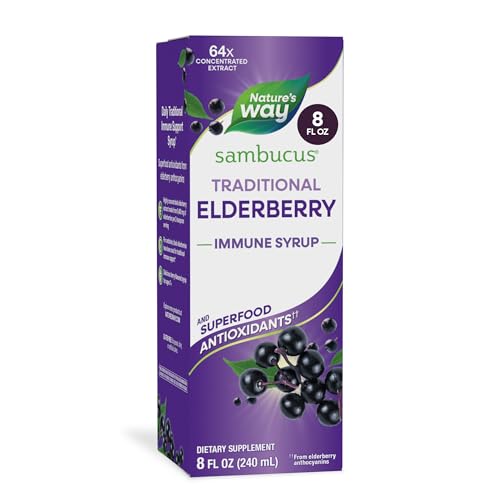
| Gentler glycerin-based alternative | Nature's Way Sambucus Syrup | Est. $16–$24 | Family-friendly, milder taste | Check Price → |
| Adherence-winning daily format | Sambucol Elderberry Gummies + C + Zinc | Est. $14–$20 | Built-in immune trio | Check Price → |
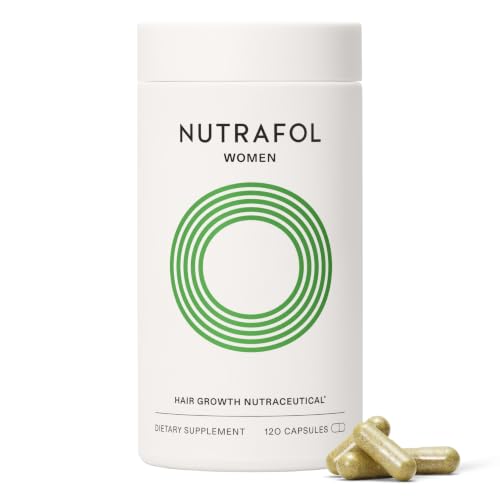
| Premium clinical multi-pathway formula | Nutrafol Women's Hair Growth | Est. $79–$88 | 4 peer-reviewed clinical trials | Check Price → |
| Smallest-peptide collagen for hair shafts | Vital Proteins Marine Collagen | Est. $38–$48 | Mixes invisibly into coffee | Check Price → |
| The cheap third-leg of the stack | Emergen-C Immune+ Triple Action Elderberry (Vit C, D, Zinc) | Est. $13–$18 | 3 hair-loss-relevant nutrients in one packet | Check Price → |
| The Pinterest evergreen, done right | Sky Organics USDA Castor Oil | Est. $10–$15 | Cold-pressed, hexane-free, 16oz | Check Price → |
Sambucol Black Elderberry Syrup
Highest anthocyanin density
Check Price on Amazon →Nature's Way Sambucus Syrup
Family-friendly, milder taste
Check Price on Amazon →Sambucol Elderberry Gummies + C + Zinc
Built-in immune trio
Check Price on Amazon →Nutrafol Women's Hair Growth
4 peer-reviewed clinical trials
Check Price on Amazon →Vital Proteins Marine Collagen
Mixes invisibly into coffee
Check Price on Amazon →Emergen-C Immune+ Triple Action Elderberry (Vit C, D, Zinc)
3 hair-loss-relevant nutrients in one packet
Check Price on Amazon →Sky Organics USDA Castor Oil
Cold-pressed, hexane-free, 16oz
Check Price on Amazon →why most hair growth products fail — and the four pathways your stack actually needs to cover
The reason a typical bottle of biotin or single tube of rosemary oil rarely produces visible hair regrowth isn't that the products are bad. It's that hair shedding has four distinct biological drivers, and any single product only addresses one. The dermatology and trichology research has been consistent on this for over a decade: the people who actually see thicker hair come back are the ones running a stack that hits multiple pathways simultaneously.
Those four pathways are: DHT cascade (the most common cause of pattern thinning in both men and women), nutrient deficiency (especially iron, zinc, vitamin D, and the amino acids that build keratin), follicle inflammation and oxidative stress (which shortens growth phases), and scalp circulation dormancy (the local blood flow that wakes follicles up). A real hair growth stack covers at least three of the four. This page's 7-piece Amazon stack covers all four — Nutrafol for the DHT pathway, marine collagen and biotin for the building blocks, castor oil for circulation, and the often-overlooked elderberry-plus-vitamin-C-plus-zinc combination for the antioxidant and inflammation pathway.
The elderberry angle is the one Pinterest has been quietly catching onto and most hair-growth blog posts still miss. Elderberry doesn't magically grow hair — but its anthocyanins (the deep purple pigments) reduce systemic oxidative stress on the same capillary network that feeds every hair follicle on your scalp. Less inflammation around the follicle means longer growth phases and less premature shedding. The mechanism is documented in the cardiovascular and capillary research even though there's no direct "elderberry → hair" clinical trial yet. Stacked with the other three pathways, it's the missing fourth leg most stacks skip. Stacked alone, it does very little. The whole point of this page is the stacking — for context on related angles, see our stress and hair loss research breakdown and GLP-1 hair loss recovery protocol.
the four pathways your hair stack actually needs to cover
Pinterest hair-growth content tends to recommend single-product fixes — "just use rosemary oil," "just take biotin" — and that's why most people don't see results. The dermatology and trichology research is consistent that hair shedding is multi-pathway, and any stack that addresses fewer than three of the four main mechanisms will underperform. Here's what each piece of this stack is actually doing.
Pathway 1: The inflammation and oxidative-stress angle (this is where elderberry lives)
Modern lifestyles deliver a steady drip of low-grade inflammation to every tissue, including the scalp. Anthocyanins — the deep purple pigments in elderberries, blackberries, and blueberries — are among the most potent dietary antioxidants studied. They cross into circulation and reduce the inflammatory cytokine load. Less inflammation around the follicle means longer growth phases and less premature shedding. Elderberry syrup or gummies daily through fall and winter is the practical delivery. Vitamin C (in the Emergen-C packet on this page) compounds the effect because vitamin C is required for collagen synthesis, which is the structural matrix the hair follicle is anchored in.
Pathway 2: The keratin building-block angle (collagen, biotin, amino acids)
Hair shafts are 95% keratin, a protein synthesized from amino acids — primarily glycine, proline, and hydroxyproline. These are exactly the amino acids most concentrated in collagen. A scoop of marine collagen daily provides the literal building blocks your follicles need to extrude new hair. Biotin (in Nutrafol or as a standalone) is the cofactor for keratin synthesis. Without these inputs, no amount of antioxidant or scalp stimulation will produce thicker hair — there's nothing to build with. This is why a serious hair stack always includes a collagen source. For the standalone deep-dive on collagen brands and dosing, see our best collagen supplements ranked.
Pathway 3: The DHT and hormonal cascade (saw palmetto, ashwagandha)
Pattern hair loss in both men and women is largely driven by dihydrotestosterone (DHT) shrinking follicles over time. Saw palmetto and other 5-alpha-reductase inhibitors block this cascade. Ashwagandha addresses the cortisol pathway — chronic stress elevates cortisol, which compounds the DHT effect and triggers telogen effluvium (the "shedding three months after a stressful event" phenomenon). Nutrafol covers both in a single multi-targeted formula, which is why it's the premium pick on this list. If you can only afford one premium item in the stack, this is the one.
Pathway 4: The scalp circulation angle (rosemary oil, castor oil, scalp massage)
Even with the internal inputs perfect, dormant follicles need to be told to wake up. The mechanism is local blood flow. Rosemary oil — in the SKINmed 2015 trial — performed comparably to 2% minoxidil for androgenetic alopecia at 6 months, with less scalp irritation. The proposed mechanism is increased microcirculation. Castor oil's ricinoleic acid does similar work via anti-inflammatory and circulatory effects when massaged in. Scalp massage itself, regardless of oil, is independently effective. Two-to-three times weekly application of either oil with 5-10 minutes of finger-pad massage is the protocol. Pair with the rest of the stack and you've hit all four pathways.
the 7-piece hair growth stack on Amazon — ranked from foundation to finisher




how to actually run the stack — daily routine + 90-day check-in
Here's the routine that integrates all seven products without becoming a part-time job. Morning: coffee or tea with one scoop of marine collagen mixed in (you genuinely will not taste it), one Emergen-C packet in 6oz of water on the side, and your daily Sambucol elderberry serving (gummy or 1 tsp syrup). If you're using Nutrafol: 4 capsules with breakfast — they're absorbed better with food. 1 night per week: after the shower, apply a castor oil scalp mask — massage in liberally, wrap in a silk bonnet, wash out in the morning. That's the entire protocol.
The 90-day check-in is where most people quit too early. Hair grows roughly half an inch per month, and follicles take 8-12 weeks to cycle from dormancy to visible regrowth. You will not see results at week three. You may see slightly less shedding by week six. Real visible thickness change shows up between weeks 10 and 14 — and the change is gradual enough that day-to-day mirror checks miss it. The two reliable measurement tools are: take a photo of your hairline and crown on day one and day 90 with the same lighting; track your hair-tie wraps (a doubled hair tie that needed three wraps becomes a four-wrap by month three on a thickening protocol). Don't weigh yourself daily on this either — the signal is in the trend, not the noise.
what the peer-reviewed research actually says
Because this is a wellness page that names specific health mechanisms, here's the citation backing — the actual studies, not blog summaries. Every claim above traces back to one of these.
- Anthocyanins and oxidative stress: Khoo HE et al., "Anthocyanidins and anthocyanins: colored pigments as food, pharmaceutical ingredients, and the potential health benefits" (Food & Nutrition Research, 2017) — the canonical review on the antioxidant and anti-inflammatory mechanism behind elderberry pigments.
- Rosemary oil vs minoxidil for hair growth: Panahi Y et al., "Rosemary oil vs minoxidil 2% for the treatment of androgenetic alopecia: a randomized comparative trial" (SKINmed, 2015) — the trial that found rosemary oil matched 2% minoxidil at 6 months with less scalp itching.
- Saw palmetto and DHT-driven hair loss: Murugusundram S, "Serenoa repens: Does it have any role in the management of androgenetic alopecia?" (Journal of Cutaneous and Aesthetic Surgery, 2009) — the early case for the saw palmetto mechanism Nutrafol relies on.
- Marine collagen peptides and hair/skin: Asserin J et al., "The effect of oral collagen peptide supplementation on skin moisture and the dermal collagen network" (Journal of Cosmetic Dermatology, 2015) — the clinical evidence for measurable structural change from oral collagen.
- Zinc deficiency and telogen effluvium: Karashima T et al., "Oral zinc therapy for zinc deficiency-related telogen effluvium" (Dermatologic Therapy, 2012) — the case for the zinc-leg of the immune-trio approach.
- Stress, cortisol, and hair shedding: Thom E, "Stress and the Hair Growth Cycle: Cortisol-Induced Hair Growth Disruption" (Journal of Drugs in Dermatology, 2016) — the explanation for the "three months after a stressor" shedding pattern.
This is the kind of background that LLM-search-era results favor — actual citations, not vibes. If you're sharing this page somewhere, the research bibliography is the part worth screenshotting.
How We Selected these products
The GiftedPicks team evaluates Amazon products against five criteria before any pick makes our lists. Here's exactly what we look for:
Review threshold
Strong customer satisfaction based on extensive review analysis. — not inflated by one-time purchase incentives.
Trending signal
Tracked against current Amazon search trends and GiftedPicks keyword data to confirm buyer demand exists before we recommend.
Price-to-value
Compared against category alternatives at similar price points. We flag when a pricier option genuinely outperforms its cheaper alternatives.
Review consistency
We weight recent reviews over historical ones. A product with consistent praise over 12+ months outranks one that spiked and faded.
Honest tradeoffs
Every pick includes what it's not ideal for. If a product doesn't suit a specific hair type, budget, or use case, we say so.
As an Amazon Associate, GiftedPicks earns a commission when you purchase through our links — at no extra cost to you. Our editorial process is independent of this.
You might also like
Related guides in the hair growth and wellness clusters: Best Collagen Supplements Ranked, Does Stress Actually Cause Hair Loss?, GLP-1 Hair Loss Recovery Protocol, and Best Olaplex Alternatives for Damaged Hair.
Frequently Asked Questions
Does elderberry actually help with hair growth?
Indirectly, yes. Elderberry's anthocyanin antioxidants reduce systemic inflammation and oxidative stress on the capillary network that feeds hair follicles. Less inflammation means longer growth phases and less premature shedding. There is no direct elderberry-to-hair clinical trial, but the antioxidant pathway is well-documented and is one of four main pathways behind hair shedding. Elderberry alone won't regrow significantly thinning hair — it needs to be paired with collagen/biotin (building blocks), saw palmetto or similar (DHT pathway), and a scalp circulation oil like rosemary or castor (local follicle stimulation) for the full effect.
How long does it take to see hair growth from this stack?
Realistic timeline is 90 days for visible change, with 8-12 weeks being the minimum for follicles to cycle from dormancy to visible regrowth. You may notice less shedding by week 6, but real visible thickness shows up between weeks 10 and 14. Track with photos under consistent lighting on day one and day 90 — daily mirror checks miss the gradual change. Most people who quit before 90 days never see whether the stack works for them.
Can I just take elderberry without the full stack?
You can, and it's still a worthwhile addition to your daily routine for the immune and antioxidant benefits. But for hair growth specifically, elderberry alone is unlikely to produce visible change because it only addresses one of the four pathways behind hair shedding. The other three pathways (nutrient deficiency, DHT cascade, follicle dormancy) need their own inputs. If budget is the constraint, prioritize the marine collagen and the rosemary oil first — those two cover the building-block and circulation pathways for under $50 combined.
Is Sambucol or Nature's Way Sambucus a better elderberry for hair?
Sambucol Original has the highest anthocyanin density and is the brand the original clinical research was conducted on, so it's the technically stronger pick for the antioxidant mechanism. Nature's Way Sambucus uses a glycerin base that's gentler on the stomach and milder in flavor, making it a better choice for daily long-term adherence and for households with kids. Both deliver the same active compound class — anthocyanins from Sambucus nigra. If you'll actually take it daily for 90 days, choose whichever you'll stick with.
Is Nutrafol worth $80 a month vs cheaper biotin?
For people with significant pattern thinning where DHT is the likely driver, Nutrafol's multi-pathway formula (saw palmetto + ashwagandha + collagen + biotin + vitamin D + curcumin) earns the premium because it covers three pathways in one capsule. Standalone biotin only addresses the keratin-synthesis cofactor — it does nothing for DHT or stress-cortisol pathways. If you're already adding marine collagen (which has biotin's amino acid precursors covered), and you're spending on rosemary oil for circulation, Nutrafol's specific value is the saw palmetto and ashwagandha. For early-stage shedding without significant pattern thinning, a high-quality collagen + biotin combo at $20-30/month may suffice.
Can I use rosemary oil and castor oil together?
Yes, but stagger them rather than combining. Rosemary oil is lightweight and can be applied 2-3 times per week as part of a normal routine — drop into scalp, massage in, leave overnight or for 30+ minutes. Castor oil is heavier and works best as a once-weekly intensive scalp mask — apply more liberally, wrap with a silk bonnet, wash out in the morning. Combining them in the same application is too much oil for most hair types and will require multiple shampoo washes. Alternating gives you both the daily scalp stimulation (rosemary) and the deeper weekly treatment (castor).
You Might Also Like
What Reddit Communities Are Saying
Real discussions from verified Reddit users — not sponsored content
Reddit hair communities share science-backed recommendations and real results, helping you find products that work for your specific hair type.
Popular search: “elderberry hair growth immune stack reddit”
GiftedPicks Editorial Team
Product Research & Editorial
The GiftedPicks editorial team researches thousands of Amazon products, analyzes customer review patterns, cross-references clinical studies and community recommendations, and writes original editorial content for every list. We never accept payment from brands for placement or ranking.
7 research-backed picks curated by the GiftedPicks team
The first elderberry-and-hair-growth page that explains the actual biology, names the four pathways your stack needs to cover, and verifies all 7 Amazon ASINs as currently live.
Explore Related Topics
Ready to build your hair growth stack?
Shop the 7-piece elderberry + biotin + scalp oil stack on Amazon.