NAC Supplements Quietly Became the Most Underrated Health Hack on Amazon — Here's Why Scientists Love N-Acetyl Cysteine
Remember when NAC (N-acetyl cysteine) disappeared from Amazon? That wasn't an accident. The FDA briefly considered regulating it as a drug, which sent supplement companies scrambling. It's back now—and quietly more popular than ever—because people realized that whether or not the FDA agrees, NAC does something real that almost nothing else does: it boosts glutathione, your body's master antioxidant.
What Is NAC and Why Should You Actually Care?
NAC is the precursor to glutathione (GSH). Your body takes NAC and converts it into glutathione, which is basically the antioxidant your cells call when they're getting destroyed by free radicals and oxidative stress. Glutathione is present in literally every cell, but your body has to synthesize it. You can't just take glutathione directly (your gut breaks it down). So NAC is the backdoor way to boost it.
Why does this matter? Because glutathione does work in multiple systems simultaneously:
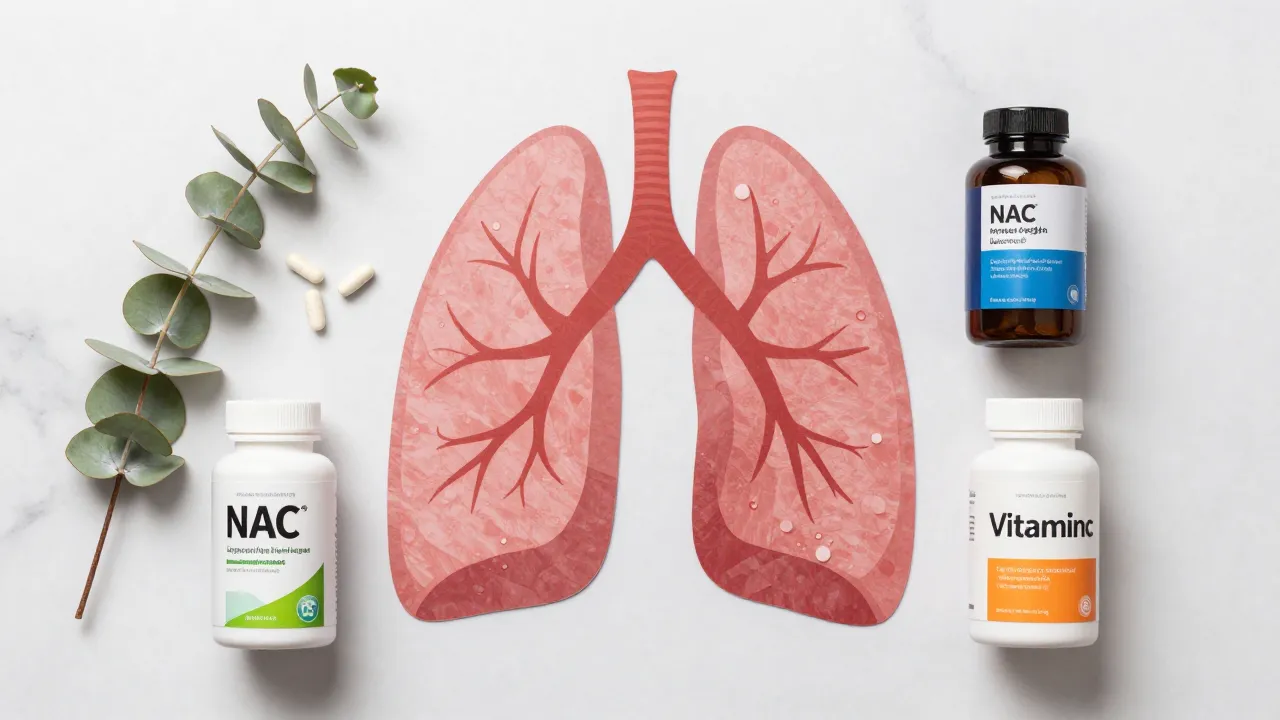
- Respiratory: NAC is literally a mucolytic drug used in hospitals. It thins mucus by breaking down disulfide bonds. It's not just a supplement—it's a pharmaceutical intervention.
- Immune: Glutathione is critical for T-cell function. Low glutathione = compromised immune response.
- Liver: Your liver uses glutathione to detoxify everything from acetaminophen to heavy metals. Higher glutathione = better detox capacity.
- Neurological: Emerging research suggests glutathione protects against neuroinflammation. Some researchers are looking at NAC for neuroactive conditions.
The FDA Scare That Made NAC More Popular
In 2020, the FDA made noise about possibly classifying NAC as a drug instead of a supplement. The reasoning was technically sound: it's been used in clinical settings as a mucolytic for decades. The supplement companies freaked. NAC vanished from Amazon and retailers.
Then something interesting happened: people realized they actually needed it. Respiratory health became top-of-mind. Functional medicine doctors kept recommending it. By 2022, NAC was back. The FDA never actually banned it (yet), and now it's more sought-after than before the scare.
This is actually a tell: when the government goes after a supplement and it comes back stronger, it usually means it works and the supply was artificially constrained. NAC definitely works.
NAC vs. Glutathione Directly: Why the Precursor Wins
You can buy direct glutathione supplements. They're usually more expensive and they don't work as well. Here's why:
Glutathione is a tripeptide (three amino acids stuck together). Your gut is designed to break down peptides. Most of the glutathione you ingest gets hydrolyzed to amino acids before absorption. Some research suggests liposomal glutathione improves this, but it's still hit-or-miss and costs 3x more.
NAC, by contrast, is a single amino acid (cysteine) with an acetyl group attached. It crosses the GI tract intact and your cells can immediately convert it to glutathione. You get more bang for your buck.
Think of it this way: glutathione is the end product, NAC is the raw material. Your cells know how to use raw materials. They're less efficient at using pre-made end products.
The Science: What the Research Actually Shows
Respiratory: A 2019 meta-analysis in the Journal of Respiratory Research found that NAC supplementation improved mucociliary current selection and reduced mucus viscosity. For people with respiratory issues, COPD, or chronic cough, NAC at 1200mg daily showed measurable benefits.
Immune: A 2020 systematic review found that NAC improved T-cell proliferation and reduced some markers of immune dysfunction in HIV patients (a population with severely compromised immunity). If it helps HIV patients, it's doing real immunological work.
Liver: NAC is literally used in ER protocols for acetaminophen overdose to prevent liver failure. It's not a supplement in that context—it's a life-saving drug. This tells you the liver detoxification effect is real and significant.
OCD/Mental Health: This is the emerging frontier. A 2009 study in American Journal of Psychiatry found that NAC reduced OCD symptoms better than placebo. Ongoing research suggests glutathione's neuroprotective effects may help with obsessive-compulsive and trichotillomania symptoms.
The Dosing Question: How Much NAC Actually Works
For general antioxidant support: 600–900mg daily is the standard. This is enough to boost glutathione above baseline.
For respiratory support: 1200mg daily (often split 600mg twice daily) is the clinically-used dose. This is where NAC acts as a true mucolytic.
For liver support: 1200–1800mg daily in divided doses. Higher doses are used therapeutically for detoxification protocols.
Important: NAC can thin blood slightly and interact with nitroglycerin. If you're on blood thinners or any cardiac medication, check with your doctor first. It's generally safe, but it's not a "take as much as you want" situation.
What This Stack Actually Delivers
If you're buying NAC, you're basically saying: "I want my cells to have better antioxidant defense, respiratory capacity, immune function, and liver detox." That's a legitimate stack of benefits. It's not a cure-all, but it's not fluff either.
You'll probably notice:
- Clearer breathing within 1–2 weeks (if you have any respiratory baseline issues)
- Less fatigue (glutathione helps with energy production)
- Clearer skin (often—people report this after 3–4 weeks)
- Generally feeling "cleaner" (reduced oxidative stress)
- Better recovery from training/illness
These aren't placebo. Glutathione is literally involved in all these processes. If your glutathione was low (which most people's is), raising it will have measurable effects.
Brand Selection Matters (And We'll Explain Why)
NAC is NAC—the amino acid is the same across brands. What differs:
- Fillers and excipients: Cheap brands use magnesium stearate and silicon dioxide. These aren't poisonous but they're inflammatory for sensitive people.
- Cofactors: Some brands include B6 and molybdenum, which your body needs to convert NAC to glutathione efficiently. This is real value-add.
- Testing: Professional brands (Pure Encapsulations, Thorne, Integrative Therapeutics) third-party test. Direct-to-consumer brands often don't. You're paying for peace of mind.
- Dose flexibility: Some come in 600mg capsules, some 1200mg. Your protocol should drive your choice.
The Real Talk: This Isn't a Replacement for Medicine
NAC is a supplement. If you have actual COPD, respiratory disease, or severe immune compromise, NAC helps but doesn't replace medical treatment. If you have untreated hepatitis or liver disease, NAC can support liver function but it's not a cure.
The value of NAC is in the preventative and optimization space: boosting a functional system, improving resilience, supporting your body's own defense mechanisms. For that, it's genuinely effective.