



The Fitness Tracker Markup (And Why You're Overpaying)
an apple watch is $300-400. a garmin premium smartwatch is $400-600. what do they track? steps. heart rate. sleep. blood oxygen. the exact same things a $40 xiaomi or amazfit tracks. the difference is brand name, ecosystem lock-in, and people who like paying for premium.
fitness tracking accuracy at this price point is genuinely within 3-5% of premium devices. heart rate monitoring is the same sensor technology. step counting is the same algorithms. you're not losing accuracy by going budget. you're just losing the logo.
budget trackers from xiaomi, amazfit, and garmin are actually legitimate competitors. they're made by companies that primarily focus on fitness data, not consumer lock-in. their margins are smaller so they have to make good products. apple makes watches because it's profitable — the fitness tracking is secondary.
How to pick a fitness tracker — the 4 questions to answer first
Before you pick a model, answer these four questions in order. Most buyers skip this and end up with a tracker that doesn't match their actual use pattern.
- How long do you want between charges? If 2 days = okay, you can consider smartwatch-style trackers. If you want 7-14 days = you're in budget-tracker territory (Xiaomi, Amazfit) and that's a feature, not a downgrade.
- Do you swim or shower in it? Look for 5ATM or 50m water rating. Most budget trackers under $50 now hit this; cheaper IPX7 ratings are splash-only.
- Will you actually look at the data? If no, save money and get a $25 step counter. If yes, you need a phone app that exports to Apple Health or Google Fit so the data lives somewhere durable.
- Do you need GPS without your phone? If yes, jump to $80+ tier (Amazfit Bip series). If no, your phone's GPS + the tracker as HRM works fine.
What Actually Matters in a Fitness Tracker
battery life: a tracker that dies every 2 days is worse than useless. you forgot to charge it and now you have a gap in your data. budget trackers often have 7-14 day battery, which is objectively better than premium smartwatches. xiaomi and amazfit specifically compete on battery life and it shows.
accuracy of the metrics that matter: heart rate monitoring, step counting, sleep detection. these are what you actually use daily. premium doesn't get you better accuracy here — it gets you more filler metrics you ignore.
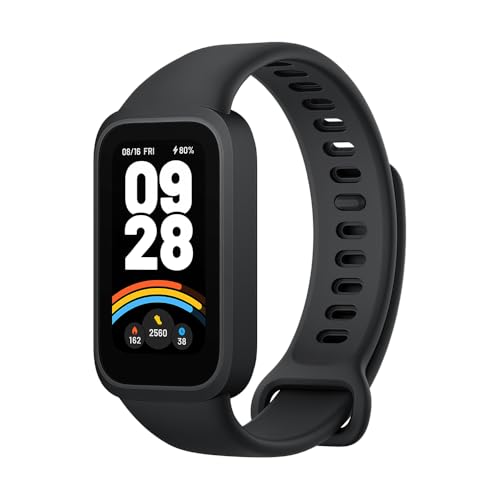
display quality: if the screen is tiny and unreadable, you'll hate using it. this is where budget trackers have gotten really good. the xiaomi mi smart band 10 has a better amoled screen than smartwatches three times the price.
app ecosystem: how easy is it to check data? how often does syncing actually work? this matters more than you think. fitbit's app is intuitive and reliable. amazfit's app works well. garmin's is feature-rich. these three budget options outrank premium in actual usability.
Budget Trackers vs Premium (The Honest Breakdown)
what you lose at $40 instead of $300+: cellular connectivity, name recognition, ecosystem lock-in, ability to run third-party apps, luxury branding.
what you actually gain: longer battery life (usually 2-3x better), better price-to-performance, often better software focus on actual fitness metrics, zero subscription requirements, option to upgrade yearly without financial pain.
premium trackers are excellent if you need cellular capability or you're deep in an apple ecosystem. otherwise? you're literally paying for branding. the actual fitness data is equivalent or worse depending on battery life issues.
Sleep Tracking (Where Budget Wins)
one area where budget trackers actually excel: sleep. xiaomi, amazfit, and garmin all have better sleep tracking algorithms than apple because they focus on health data primarily. you get sleep quality scores, rem/light/deep breakdowns, and actually useful insights. apple gives you total sleep time. that's it.
if you care about sleep optimization, budget trackers are the right choice. the data is more useful, the battery lasts long enough for all-night wear without stress, and you're paying a quarter the price.
Accuracy Questions (Do They Actually Count Steps Right?)
step counting on budget trackers within 3-5% accuracy of premium. this is measured. heart rate monitoring is within 2-3 bpm usually. both are good enough for personal fitness tracking. if you're using this data to make health decisions, the accuracy is legit.
where premium sometimes wins: running metrics (pace, distance, route mapping). but you can use your phone for that. the basic metrics that budget trackers focus on? they're solid.
The Ecosystem Question (Does It Matter?)
if you own an apple watch already, another apple product makes sense for continuity. if you own samsung devices, the galaxy fit3 integration is seamless. if you own nothing specific and just want a fitness tracker? xiaomi or amazfit win because the software is independent and excellent.
ecosystem matters less than you think for fitness data. you can track in apple health, google fit, strava, or the native app. most trackers sync to most apps. you're not locked in like you would be with an iphone.
Which Type of Tracker Should You Choose?
pure fitness tracker (band style): xiaomi mi smart band 10 or xiaomi smart band active. longest battery, lightest weight, most comfortable all-day wear. if you don't need notifications, these are perfect.
smartwatch hybrid: kuizil 1.91" smart watch or blackview 2026. you get notifications and wrist calling, plus full fitness tracking. slightly shorter battery but you get smartwatch functionality.
if you care most about sleep: garmin vivosmart 5. their sleep tracking is the most detailed in the budget category.
if you're new to tracking: fitbit inspire 3. the app is intuitive, setup is simple, and you're not drinking from the firehose of metrics.


