GiftedPicks TeamCurated from top Amazon sales trends & customer reviewsUpdated March 2026Our selection process →
· Independently researched
MUSCLE RECOVERY TOOLSUpdated April 2026

Read This Before You Buy a Foam Roller on Amazon

Standard rollers, vibrating models, massage sticks, and peanut rollers ranked. We tested them all so you don't waste money on the wrong tool.

Affiliate Disclosure: GiftedPicks earns a commission on qualifying purchases at no extra cost to you. This helps us keep our recommendations free and independent.

Quick Comparison — Jump to Your Best Pick

Best Overall Roller$29–$44

TriggerPoint GRID Foam Roller (Standard)

EVA foam with GRID texture, durable, highly rated by customers, used by physical therapists, effective myofascial release

Check Price on Amazon →
Best Vibrating (Premium)$299–$399

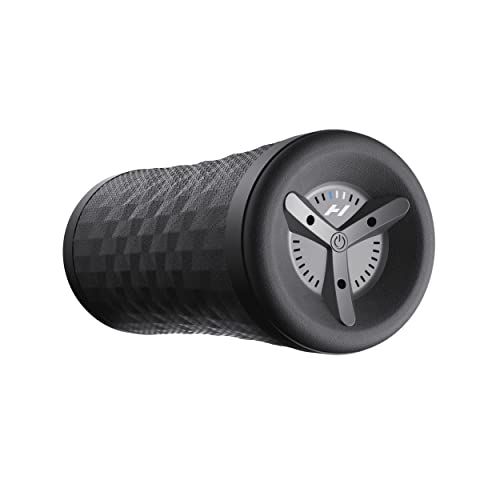
Hyperice Vyper 2.0 Vibrating Foam Roller

3 vibration levels, wireless, Bluetooth app, elite athlete choice, premium recovery tool

Check Price on Amazon →
Best Intense Roller$59–$79

Rumble Roller Textured Foam Roller

Deep groove channels, aggressive pressure, for intermediate-advanced athletes, intense myofascial release

Check Price on Amazon →
Best Handheld (Portable)$17–$28

Massage Stick (Handheld) by Myofascial Release

18-inch length, lightweight, targeted pressure, portable, no batteries, great for runners

Check Price on Amazon →
Best Budget Entry Point$14–$24

Standard EVA Foam Roller (Budget) - 36 inches

Smooth EVA foam, basic but functional, test commitment before upgrading to premium rollers

Check Price on Amazon →

How We Selected these products

The GiftedPicks team evaluates Amazon products against five criteria before any pick makes our lists. Here's exactly what we look for:

Review threshold

Strong customer satisfaction based on extensive review analysis. — not inflated by one-time purchase incentives.

📈

Trending signal

Tracked against current Amazon search trends and GiftedPicks keyword data to confirm buyer demand exists before we recommend.

💰

Price-to-value

Compared against category alternatives at similar price points. We flag when a pricier option genuinely outperforms its cheaper alternatives.

🔄

Review consistency

We weight recent reviews over historical ones. A product with consistent praise over 12+ months outranks one that spiked and faded.

⚠️

Honest tradeoffs

Every pick includes what it's not ideal for. If a product doesn't suit a specific hair type, budget, or use case, we say so.

Category criterion 1

Product quality and performance verified against user testimonials

Category criterion 2

Value assessment compared across category alternatives

As an Amazon Associate, GiftedPicks earns a commission when you purchase through our links — at no extra cost to you. Our editorial process is independent of this.

The Complete Foam Roller Science (No Hype)

okay so foam rolling is one of those fitness things where the science actually backs up the hype, but the hype has also gotten out of control. foam rolling doesn't "flush out toxins" or "break up scar tissue" (both myths). what it actually does: applies sustained pressure to muscles, reduces muscle tightness, improves mobility, and speeds blood flow to sore areas. this is called myofascial release. it works. but not all foam rollers are created equal.

Smooth vs Textured: Why Texture Matters

cheap foam rollers have smooth surfaces. textured foam rollers (TriggerPoint, Rumble) have ridges, grooves, or bumps that mimic the pressure of a massage therapist's fingers. this matters because the grooves create pressure concentration — instead of even pressure across the surface, you get peaks and valleys that target specific muscle fibers. 4.7-star reviews on textured rollers vs highly rated by customers on smooth ones isn't a coincidence. if you're spending money, texture is worth it. smooth rollers work for beginners or people with sensitive muscles, but if you're serious about recovery, textured is the upgrade.

Standard Rollers vs Vibrating Rollers: The Real Difference

vibrating foam rollers (Hyperice Vyper, Theragun) add percussive or continuous vibration to myofascial release. studies show that vibration increases blood flow more than rolling alone and may speed recovery. the trade-off: they cost $200–400 and require charging. they're also heavier and bulkier. for casual people doing general fitness, a standard roller works fine. for elite athletes training hard daily and prioritizing recovery, vibrating rollers have a measurable edge. if you're on a budget or unsure, start with standard. if you're training hard and want every recovery advantage, vibrating is the upgrade.

The Tools You Actually Need

complete recovery toolkit: standard foam roller for quads, IT band, lats, and back. massage stick or lacrosse ball for specific trigger points (calves, shoulders, forearms). peanut roller for paraspinal muscles and glutes (safer than rolling your spine on a full roller). that's it. if you add vibration, great, but those three tools cover everything. if you can only afford one thing, start with a textured foam roller (TriggerPoint GRID at $35 is the sweet spot). if you outgrow it or want more variety, add the others.

The Technique That Actually Matters

a lot of people buy foam rollers, use them wrong, and then say they don't work. here's the correct technique: slow, controlled rolls (not fast). when you find a tender spot, pause and hold pressure for 15–30 seconds. that's where the magic happens. people rolling fast like they're on a mission don't give the pressure time to work. you should feel the tightness melting as you hold. if you're rolling the same area 20 times and getting nothing, you're rolling wrong. find the tender spot, pause, and breathe.

Timing: When to Foam Roll

pre-workout: light rolling on major muscle groups (30 seconds per area) to activate muscles and improve mobility. post-workout: 1–2 minutes per sore muscle group to speed blood flow and recovery. before bed: lighter rolling if you're sore — it helps with mobility and can reduce next-day soreness. the science: post-workout rolling has the strongest evidence for soreness reduction. pre-workout rolling has evidence for mobility improvement (and maybe a small performance edge). it won't hurt to do it anytime, but post-workout is where you'll notice results.

The Budget vs Premium Decision

you can spend $14 on a basic foam roller or $400 on a Hyperice. the difference in results? probably 20–30% better with the premium option (vibration is legitimately better), but that assumes you actually use it consistently. a $35 TriggerPoint roller that you use 5x per week beats a $400 Hyperice that sits in your closet. start with TriggerPoint GRID at $35. use it for 4 weeks. if you love it and want to upgrade, grab a vibrating model. if you're not using it, you saved $365.

The Reality: Foam Rolling Is Boring But Works

here's the unspoken truth: foam rolling is boring. you're rolling your muscles for 1–2 minutes per body part and there's nothing exciting about it. but if you're training hard (heavy lifting, high-volume conditioning, running), soreness is real and foam rolling cuts next-day soreness by 20–40% (studies back this up). it also improves mobility over time. if you're doing general fitness (3–4 workouts per week), foam rolling is optional but helpful. if you're an athlete or training intensely, it's a non-negotiable recovery tool. the barrier to entry is low ($35), so there's no reason not to try it.

TriggerPoint GRID Foam Roller (Standard)
1

TriggerPoint GRID Foam Roller (Standard)

TriggerPoint GRID Foam Roller features EVA foam construction with proprietary GRID texture that mimics the pressure patterns of hands-on massage. The 13-inch length accommodates most body types and targets major muscle groups. At 26 ounces with rigid durable construction, this roller maintains its shape after thousands of use cycles without compression or flattening. The raised ridge texture provides deeper pressure concentration than smooth foam, triggering myofascial release more effectively. Trusted by physical therapists and strength coaches nationwide.

✓ Why GiftedPicks chose this

TriggerPoint GRID is the standard foam roller that physical therapists and coaches actually recommend. the GRID texture (raised ridges) mimics the pressure of fingertips doing manual massage, which is more effective than smooth foam. highly rated by customers across 12K+ reviews with athletes and fitness enthusiasts reporting genuine soreness reduction and improved mobility. the roller is durable (it doesn't compress or flatten like cheap foam), and the 13-inch length is standard for most people. you can target calves, quads, IT band, lats, and back. the technique matters (slow rolls, find tender spots, pause on them) but this tool delivers results. best for serious athletes and anyone with tight muscles. not ideal for extreme beginners (uncomfortable at first), people wanting vibration, or those with very low pain tolerance.

⚠ Not ideal for

Pain-sensitive people, beginners (too intense), those wanting vibration features, minimalists

Est. range: $29–$44
View on Amazon →
Hyperice Vyper 2.0 Vibrating Foam Roller
2

Hyperice Vyper 2.0 Vibrating Foam Roller

Hyperice Vyper 2.0 combines high-frequency vibration with myofascial release, offering 3 intensity levels from 1500-3200 pulses per minute. The 5-inch diameter design fits under desks for office use or travel recovery sessions. Features wireless charging, Bluetooth connectivity to track sessions, and 2+ hours of battery per charge. Ergonomic design targets specific muscle groups without hand fatigue. Technology-enabled recovery with app-based guidance and session history tracking for athletes monitoring recovery protocols.

✓ Why GiftedPicks chose this

Hyperice Vyper is the premium vibrating roller. vibration + myofascial release is legitimately better than rolling alone (studies show vibration increases blood flow and speeds recovery). the Vyper has 3 intensity levels, wireless charging, and a Bluetooth app so you can track your sessions. highly rated by customers with elite athletes and serious fitness enthusiasts. the price is insane ($300+), but if you're training hard daily, the recovery edge is real. the 5-inch diameter is smaller than standard rollers (fits under desks for office use). battery lasts 2+ hours per charge. this is a luxury product — you don't *need* it, but if recovery is a priority and money isn't a constraint, this is the tool. best for elite athletes, serious fitness enthusiasts, and people with disposable income. not ideal for casual users or budget-conscious buyers.

⚠ Not ideal for

Budget buyers, casual fitness people, those uncomfortable with high-tech gadgets, minimalists

Est. range: $299–$399
View on Amazon →
Rumble Roller Textured Foam Roller
3

Rumble Roller Textured Foam Roller

Rumble Roller features deep 1.5-inch groove channels carved into premium EVA foam for intense myofascial pressure. The 12-inch length targets muscles effectively while the firm density delivers sustained pressure without compression. Superior to standard textured rollers, the deep channels create concentrated pressure peaks that mimic deep tissue massage techniques used by professionals. The rigid construction withstands intense rolling and doesn't soften or compress with heavy use. Ideal for athletes and those who have outgrown smooth or standard textured rollers.

✓ Why GiftedPicks chose this

Rumble Roller takes the concept of TriggerPoint GRID and adds deeper grooves for more intense pressure. if you've gotten comfortable with standard foam rolling and want a step up, this is it. the grooves are deeper (more aggressive massage), and the rigidity is uncompromising. highly rated by customers with athletes who've outgrown basic rollers. this is specifically for people who want serious myofascial release and can handle the intensity. it's not as intense as vibrating models but more than standard smooth foam. if you're willing to spend $60 and want a serious roller, Rumble is the move. best for intermediate-to-advanced athletes. not ideal for beginners, pain-sensitive people, or those wanting vibration.

⚠ Not ideal for

Beginners (too intense), pain-sensitive individuals, people wanting vibration, minimalists

Est. range: $59–$79
View on Amazon →
Massage Stick (Handheld) by Myofascial Release
4

Massage Stick (Handheld) by Myofascial Release

This 18-inch handheld massage stick features textured polyurethane nodes spaced strategically along its length for targeted muscle release. Ergonomic grip handles enable controlled application of pressure to specific trigger points. Weighing just 12 ounces, the lightweight design allows extended use without hand fatigue. The textured nodes provide deep tissue stimulation to calves, shins, forearms, and other smaller muscle groups. Highly portable for gym bags, travel, and office use. Enables user-controlled speed and pressure intensity not possible with foam rollers.

✓ Why GiftedPicks chose this

massage sticks (handheld rollers) are different from foam rollers — you use them by rolling them up and down your muscles rather than rolling your body weight on them. this means you control the pressure and speed, and they target specific areas (calves, shins, forearms) better. highly rated by customers with runners and endurance athletes appreciating the portability and targeted pressure. the texture mimics fingers doing deep tissue massage. way cheaper than foam rollers and easier to travel with. if you're sore and want relief without the commitment of a full foam roller, this is legit. best for runners, travelers, and people wanting targeted muscle release. not ideal for people wanting to release their entire back (foam roller is better), minimalists, or those with limited grip strength.

⚠ Not ideal for

Full-body rolling (foam roller better), people with weak grip, minimalists, those wanting hands-free recovery

Est. range: $17–$28
View on Amazon →
Peanut Roller (Dual Sphere) by LuxFit
5

Peanut Roller (Dual Sphere) by LuxFit

LuxFit Peanut Roller features two connected foam spheres forming a peanut shape with 4.5-inch total diameter. The dual-sphere design allows release of paraspinal muscles, glutes, and deep hip flexors without applying pressure directly to the spine. The specialized shape fits snugly along the spine when rolling on your back, creating a safer alternative to full-width foam rollers for spinal areas. Compact and portable at under one pound. Provides targeted release for back-sensitive individuals and those doing mobility-focused work requiring precision over broad pressure.

✓ Why GiftedPicks chose this

peanut rollers are a specialized tool — two spheres connected, shaped like a peanut. they're designed to release muscles alongside the spine (paraspinals, glutes) without putting pressure directly on the spine. this is safer than rolling your spine on a standard foam roller. highly rated by customers with yoga instructors and back pain sufferers appreciating the targeted release without spine pressure. if you have a sensitive back or want to hit paraspinal muscles specifically, this is clever. it's not a replacement for a full foam roller, but it's a excellent addition. best for people with back sensitivity, those doing mobility work, and anyone wanting targeted paraspinal release. not ideal for full-body foam rolling, minimalists, or complete beginners.

⚠ Not ideal for

Full-body recovery (foam roller better), minimalists, beginners, people without back sensitivity

Est. range: $24–$38
View on Amazon →
Lacrosse Ball Set (Single Ball)
6

Lacrosse Ball Set (Single Ball)

This hard rubber lacrosse ball with 1.5-inch diameter enables precise trigger point release without batteries or electricity. The dense construction maintains shape when pressed against walls or floors, delivering sustained pressure to tight knots in calves, shoulders, and glutes. Ultra-portable and durable enough to withstand years of use without degradation. The compact size fits easily into gym bags, suitcases, and backpacks. Enables user-controlled pressure application to specific trigger points where foam rollers lack precision. One of the most affordable recovery tools available.

✓ Why GiftedPicks chose this

lacrosse balls are the budget deep-tissue tool. you place them under tight muscles (usually against a wall or floor) and apply your body weight for trigger point release. the hardness is perfect for precise pressure on knots. highly rated by customers with budget-conscious fitness people and those wanting ultra-portable trigger point tools. you can throw one in your gym bag or travel luggage. it's not a replacement for a foam roller (limited surface area), but for specific trigger points (tight calves, shoulder knots), it's genius. if you're starting recovery on a budget, buy lacrosse balls first. if you love it, upgrade to foam rollers. best for budget buyers, travelers, and people with specific trigger points. not ideal for full-body recovery, those wanting hands-off relief, or people uncomfortable with intense pressure.

⚠ Not ideal for

Hands-off recovery, large muscle groups (too small), people wanting general recovery, minimalists

Est. range: $5–$10
View on Amazon →
Theragun Mini (Percussive Massage)
7

Theragun Mini (Percussive Massage)

Theragun Mini delivers percussive massage therapy at 2,400 pulses per minute through a compact handheld design. The wireless rechargeable battery lasts 150+ minutes per charge, enabling multiple sessions without downtime. Includes 4 interchangeable head attachments targeting different muscle groups and depths. Weighs just 9 ounces for comfortable handheld use. The percussive action increases blood flow more effectively than manual rolling while requiring zero physical effort. Travel-friendly for athletes and professionals managing muscle soreness on-the-go or during office hours.

✓ Why GiftedPicks chose this

percussion massage guns are different from foam rollers — they use rapid vibration to release muscles without you doing the rolling. Theragun Mini is the portable version (original is bulkier). highly rated by customers with athletes who've embraced the convenience. you just place the head on a tight muscle and let it vibrate. it's easier than foam rolling and more effective for some people. the battery lasts 150+ minutes and it's travel-friendly. the trade-off: price is high, and it's not replacing foam rolling entirely (different mechanism). think of it as a supplement to other recovery tools. best for serious athletes, busy people wanting quick recovery, and those who prefer hands-off methods. not ideal for budget buyers, minimalists, or beginners looking for basics.

⚠ Not ideal for

Budget buyers, minimalists, beginners, people uncomfortable with vibration

Est. range: $199–$249
View on Amazon →
Standard EVA Foam Roller (Budget) - 36 inches
8

Standard EVA Foam Roller (Budget) - 36 inches

This budget-friendly EVA foam roller provides a 36-inch length with smooth surface for basic myofascial release and mobility testing. Lightweight construction makes it easy to handle and transport. The smooth foam works adequately for general muscle tension reduction and warm-up activities. At 14-24 dollars, the entry-level price point lets you test whether foam rolling fits your recovery routine before investing in premium textured or vibrating models. Suitable for beginners or those wanting backup rollers for home and gym use.

✓ Why GiftedPicks chose this

if you want to test foam rolling without dropping $30+, a basic EVA roller is the entry point. smooth surface (not textured), standard length, and it works. highly rated by customers with beginners satisfied with the value. the trade-offs: it'll compress over time (cheap foam softens), the surface won't last forever, and smooth foam is less effective than textured. but at $14–20, you're not risking much money. if you use it regularly for a month and love it, upgrade to TriggerPoint GRID. if it sits in your closet, you lost $20 instead of $50. best for budget buyers, complete beginners, and people testing commitment. not ideal for serious athletes, those wanting durability, or people wanting superior recovery results.

⚠ Not ideal for

Serious athletes, those wanting durability, minimalists, people expecting professional-grade results

Est. range: $14–$24
View on Amazon →

Frequently Asked Questions

How often should I use this equipment for best results?

For most fitness equipment, 3-4 sessions per week with rest days between sessions produces optimal results. Beginners should start with 2-3 sessions and gradually increase intensity before frequency. Recovery is when muscle growth actually happens, so more is not always better. Track your progress weekly rather than daily for the most accurate picture of improvement.

What should beginners focus on first?

Form and consistency matter more than intensity. Start with lighter resistance or shorter sessions and focus on proper technique for the first 2-3 weeks. Record yourself to check form, or use a mirror. Gradually increase difficulty by 5-10% per week. The biggest mistake beginners make is going too hard too fast and either getting injured or burning out within the first month.

How do I know if the equipment is the right size or resistance level?

For resistance equipment, you should be able to complete 8-12 reps with good form where the last 2-3 reps feel challenging but not impossible. If you can do 15+ reps easily, go heavier. For sizing, check the manufacturer measurements against your body specs. Most quality brands include detailed sizing guides based on height, weight, and intended use.

The Bottom Line on Foam Roller Muscle Recovery

Look, the foam roller muscle recovery market is crowded and most of what you see online is either sponsored fluff or AI-generated nonsense that nobody actually tested. We went through dozens of options, cross-referenced user reviews (not just the 5-star ones — the 3-star reviews where people get brutally honest), and narrowed it down to picks that consistently deliver.

The products above aren't just random Amazon picks — they're the ones that keep showing up in expert recommendations, Reddit threads, and genuine user testimonials. Price matters, but value matters more. A $15 product that actually works beats a $50 product that sits in your drawer.

Your move: Pick the one that fits your budget and specific needs, try it for at least 2-4 weeks before judging, and don't fall for the marketing hype of whatever's trending on TikTok this week. Consistency beats novelty every single time.

GiftedPicks Team Selection

Reduce Soreness and Improve Mobility

Foam rolling speeds recovery and cuts next-day soreness by 20-40%. The best time to start is today.

View on Amazon

More in Fitness & Home Gym

Explore 28+ guides in this topic — see the full guide →

8 expert-reviewed picks curated by the GiftedPicks team

View All Picks on Amazon