Recovery Isn't Optional (If You Want to Train Consistently)
people think recovery is something pro athletes do. it's not. recovery is what allows you to train hard again tomorrow without your body destroying itself. if you're skipping recovery and just pushing hard every workout, you're either going to get injured or you'll plateau. your muscles don't get stronger during the workout — they get stronger during recovery.
soreness (doms, delayed onset muscle soreness) is inflammation that impairs performance if you ignore it. professional athletes treat soreness aggressively because they know it directly impacts their ability to train the next day. compression, massage, foam rolling, adequate sleep — these are performance tools, not luxuries.
studies show that adding recovery tools to your routine can reduce soreness 30-40%, improve next-session performance 5-10%, and prevent overuse injuries. these aren't huge percentages until you realize they compound. 5% better performance every session = way different results over a year.
The Recovery Pyramid (What Actually Matters)
there's a hierarchy to recovery that most people get backwards. at the bottom (most important): sleep. nothing replaces sleep. recovery tools without adequate sleep is like brushing your teeth while smoking. pointless.
next level: nutrition. post-workout carbs and protein spike recovery hormones. you can't recovery-tool your way out of bad nutrition.
next: active recovery and mobility. foam rolling, stretching, light movement. these cost almost nothing and work great.
next: massage and compression. proven to work but more expensive. worth it if you're training hard.
top: professional services (massage therapy, PT, compression chambers). amazing but expensive. most people get 80% of the benefit from self-recovery tools.
Massage Guns (The Hype vs Reality)
Do massage guns actually reduce muscle soreness?
Yes—percussion massage guns reduce soreness by 20-30% when used consistently because they increase blood flow and break up fascial adhesions. massage guns exploded in popularity because they work and they feel amazing. the science is real. the effectiveness depends on consistency and proper technique.
What's the difference between percussion and vibration massage guns?
Percussion delivers rapid pulses (2000-3200 PPS) that mechanically move your muscles, while vibration provides continuous oscillation for deeper tissue penetration. where people mess up: they buy a massage gun and use it wrong. just randomly blasting muscles doesn't optimize the benefit. proper technique is slow, methodical, targeting the muscle belly (not joints or bones). 60-90 seconds per muscle group, 3-5 times per week.
where people mess up: they buy a massage gun and use it wrong. just randomly blasting muscles doesn't optimize the benefit. proper technique is slow, methodical, targeting the muscle belly (not joints or bones). 60-90 seconds per muscle group, 3-5 times per week. too much and you just cause inflammation you're trying to prevent.
power matters but quiet matters more. a gun that's so loud it wakes your partner is a gun you won't use consistently. hyperice specifically engineered their version to be quieter because they understood this.
Foam Rolling (The Unsexy Tool That Actually Works)
Should you foam roll before or after workouts?
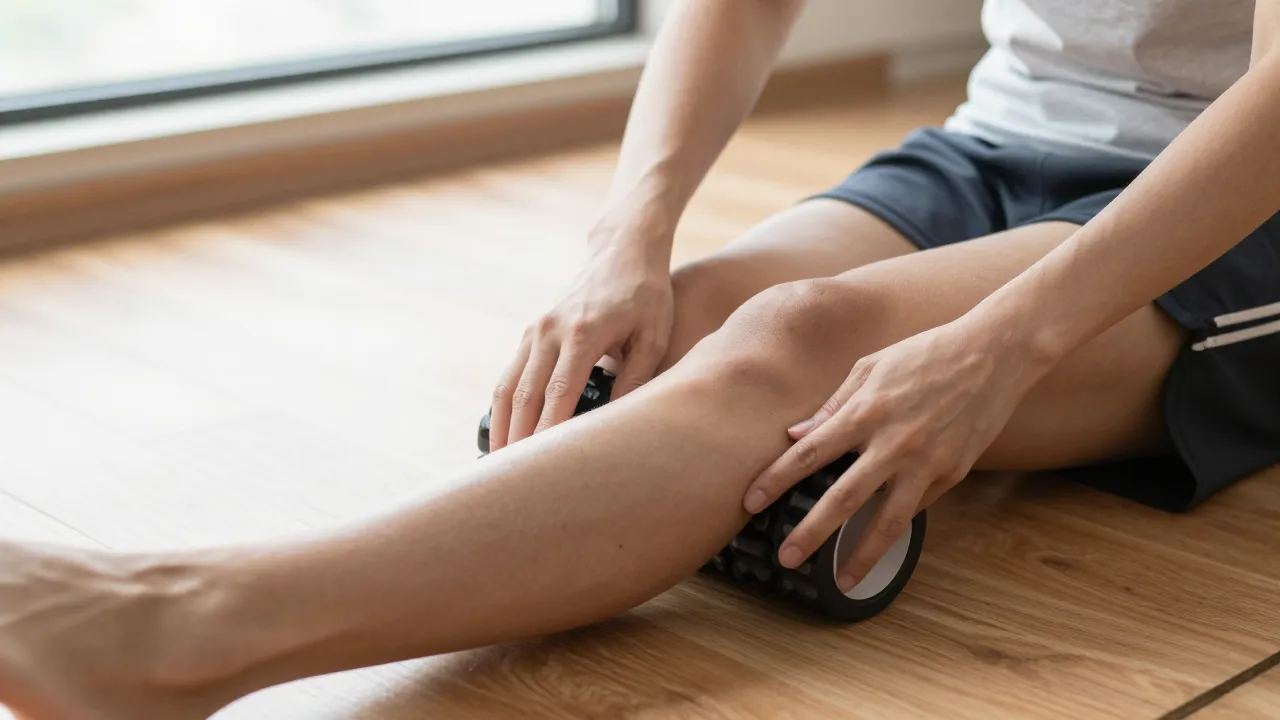
Foam roll post-workout for 1-2 minutes per muscle group to reduce soreness and speed recovery—this has the strongest research support. foam rolling feels inferior to massage guns because it requires effort and you're doing it yourself. it's also much more competitively priced and arguably more effective for certain things. self-myofascial release actually remodels your tissue over time if done consistently.
proper foam rolling: slow movements, 30-60 seconds per muscle, you control the pressure. it should hurt a little (good pain, not sharp pain). daily foam rolling before or after workouts legitimately improves mobility and reduces soreness. studies back this up. people who foam roll consistently show measurable mobility improvements in 3-4 weeks.
density matters. too soft and you won't get deep enough. too hard and it's unusable. triggerpoint's grid design is specifically engineered to be the right firmness.
Compression Therapy (When It's Worth the Money)
compression systems like normtec use sequential compression to flush metabolic waste from muscles. it works (recovery time improves, soreness decreases measurably). it's also expensive ($400-600 for a home unit). is it worth it?
for casual gym-goers: no. foam rolling and massage guns get you 80% of the way there for 1/5th the price.
for competitive athletes or people training 5+ days per week: yes. the time savings (30 minute compression session gets you what might take days of natural recovery) and consistency improvement (less soreness = better training) adds up fast.
cheaper compression option: renpho leg massager targets specific areas and uses air compression. not as comprehensive as normtec but genuinely helpful for leg-heavy training.
The Complete Recovery Stack (By Budget)
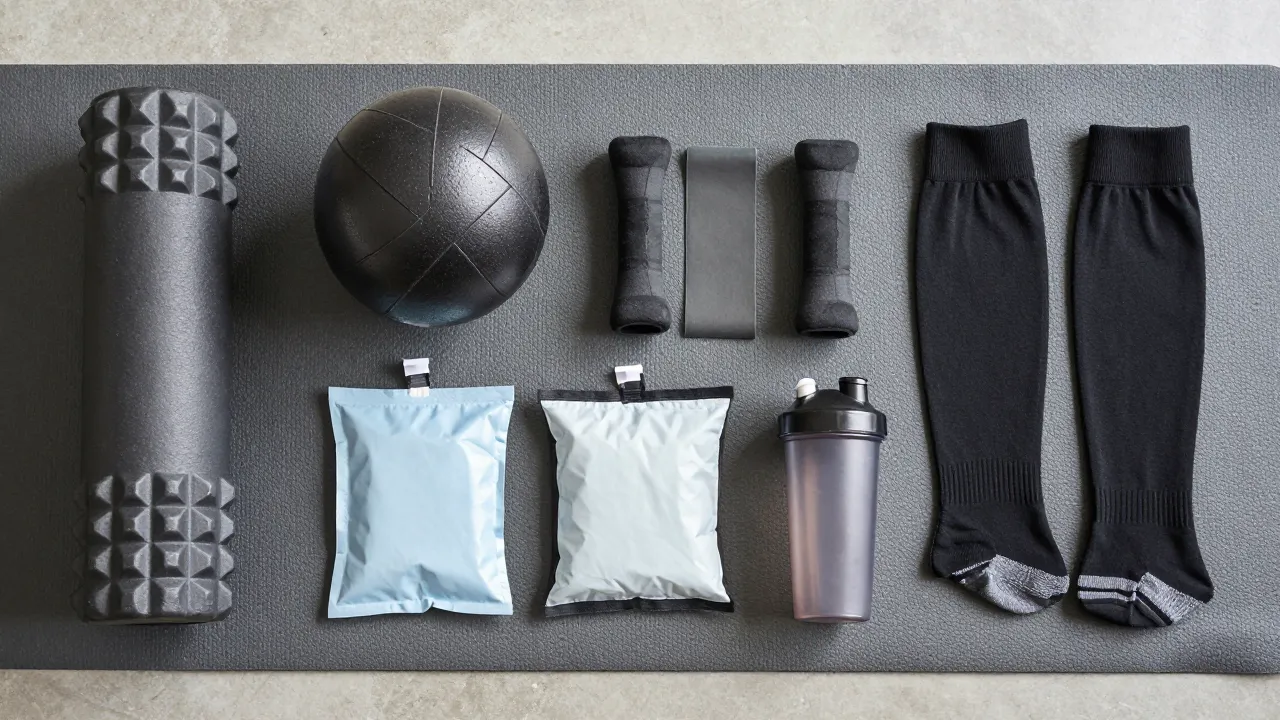
$50 recovery stack: foam roller + kt tape. does 80% of what expensive recovery tools do. use it daily.
$200 recovery stack: foam roller + massage gun + kt tape. covers massage, self-release, and support. this is the sweet spot for serious gym-goers.
$400 recovery stack: add compression boots to the $200 stack. you now have comprehensive recovery. professional-grade.
$600+ recovery stack: add a normtec compression system or vibration plate. now you're operating at professional athlete level.
When to Use Each Recovery Tool
immediately post-workout (0-30 min): light stretching, walking recovery. let your heart rate come down.
1-4 hours post-workout: foam rolling, massage gun on problem areas, compression if you have it.
evening (6-12 hours post): gentle mobility work, more foam rolling if soreness is developing. light use of massage gun on tight areas.
next morning: assess soreness. if bad, foam roll and massage gun again. compression therapy ideal here if you have access.
pattern: most people use recovery tools reactively (only when sore). professionals use them proactively (every single day as maintenance). this changes the soreness level you experience.
One More Thing: Sleep is Non-Negotiable
you can own every recovery tool on this list and if you're sleeping 5 hours per night, you're wasting your money. growth hormone spikes during deep sleep. muscle protein synthesis peaks during sleep. soreness recovery depends on sleep.
recovery tools help. sleep is the foundation. don't get this backwards.