

The complete Ozempic face routine guide
"Ozempic face" isn't a medical diagnosis — it's a colloquial term for the gauntness, hollow temples, and accentuated nasolabial folds that frequently appear during rapid GLP-1 weight loss (Ozempic, Wegovy, Mounjaro, Zepbound). The mechanism is real: rapid fat loss + reduced caloric intake + lower amino acid availability for collagen synthesis. The 4 picks above address each layer of the problem.
Why does Ozempic face happen?
Three converging factors. First, GLP-1 weight loss reduces subcutaneous fat throughout the body, including the face — and facial fat loss is more visually apparent than core/limb fat loss. Second, the dramatically reduced caloric intake (often 800-1,500 calories daily on GLP-1) means less amino acid substrate available for endogenous collagen synthesis at exactly the time when skin needs to remodel. Third, the rapid pace of weight loss (1-2 lbs/week consistently) outpaces the skin's natural retraction speed. The combination produces visible volume loss faster than skin can compensate.
Will eating more protein fix this?
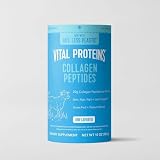
Partially yes, partially no. Increasing dietary protein to 1.0-1.6g/kg body weight provides amino acid substrate for collagen synthesis — that's table-stakes and works. But hydrolyzed collagen peptides are different from dietary protein because they're pre-broken-down into specific peptide signals (proline-hydroxyproline, glycine-proline-hydroxyproline) that survive digestion and signal fibroblasts to upregulate collagen synthesis. Proksch 2014 RCT specifically tested supplemental hydrolyzed collagen at 2.5-5g daily and showed effects beyond what dietary protein alone produces. The mechanism is signaling, not just substrate.
How quickly will I see results?
Honest expectations: 8-12 weeks for visible improvements with consistent daily use. Proksch 2014 measured statistically significant skin elasticity improvements at 8 weeks with daily collagen. Oe 2017 measured HA effects at 12 weeks. Topical retinol shows dermal remodeling effects at 12-24 weeks. The compounding stack (oral collagen + oral HA + topical retinol) produces additive benefits over 6-12 months. Anyone selling "dramatic visible results in 2 weeks" is selling false hope — the biology of skin remodeling is gradual.
What about dermal fillers?
For users with significant volume loss who want immediate restoration, hyaluronic acid dermal fillers (Restylane, Juvederm, Belotero) are the medical gold standard — they directly inject HA into the cheeks, temples, and nasolabial folds for instant volume. Cost: $600-1,200 per syringe, typically 2-4 syringes for full-face Ozempic-related restoration, lasting 9-18 months. The 4 supplements/topicals above are the supportive-care framework that complements (not replaces) filler treatment, and that addresses the root cause (reduced amino acid availability) rather than just symptom.
Should I take collagen if I'm vegan?
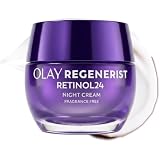
Vegan-source "collagen builders" (typically vitamin C + amino acids + silica) provide the substrate but lack the specific peptide signals that drive collagen synthesis upregulation. The honest answer: vegan collagen builders are inferior to bovine/marine hydrolyzed collagen for measurable skin elasticity improvements, but they're better than nothing. Pair vegan collagen builders with the Olay topical retinol (which works regardless of dietary source) and the Double Wood oral HA (vegetarian capsule format) for the strongest vegan-compatible stack.
Does timing matter (morning vs evening)?
Yes. Take collagen and HA in the morning with food (better absorption with meals, and the day's metabolic activity supports collagen synthesis). Apply retinol exclusively at night — retinol is photosensitive and increases UV vulnerability during the day. Always pair retinol use with SPF 30+ daily. The full daily routine: morning Vital Proteins in coffee/smoothie, morning Double Wood capsule with breakfast (if using), evening Olay retinol after cleansing. Sports Research multi-type can replace Vital Proteins or add to it depending on your stack preferences.
Are there side effects to watch for?
Collagen and HA supplements have very low side effect profiles — both are recognized as Generally Recognized as Safe (GRAS) by the FDA. Some users report mild digestive upset for the first 1-2 weeks; take with food to minimize. HA supplements may interact with blood-thinning medications (warfarin, aspirin, ibuprofen at high doses) — consult physician if applicable. Retinol commonly causes 2-4 weeks of irritation, dryness, and mild peeling as skin adjusts; use 2-3 times weekly initially, building to nightly tolerance. Discontinue immediately if you develop severe redness, burning, or any allergic reaction.