Editorial disclosure: We earn from qualifying Amazon purchases at no extra cost to you. Picks are independently researched. Full disclosure →
FTC Disclosure: Affiliate Links
Women Over 50 Are Missing These Critical Vitamins
Bone density drops 10x faster after menopause. We found the 8 best supplements for women 50+ that actually address your changing nutritional needs based on clinical research and women's health communities.
Updated September 2026
Browse 8 Picks
We did the research for you — curated and reviewed the top-rated products so you can find what's actually worth buying. 100% free.
Calcium with D3, magnesium, and omega-3 form the foundation — add collagen for joints and skin.
Quick answer
Garden of Life Women's 50+ Multivitamin is the top pick because it uses whole-food sources instead of synthetic isolates, skips iron (which most women 50+ no longer need), and adds probiotics and digestive enzymes to offset age-related absorption decline. It's not ideal for strict budget shoppers — One A Day Women's 50+ covers the same essential nutritional gaps at a lower price point.
Your body isn't the same at 50 as it was at 30. That's not pessimism — it's biology. After menopause (or perimenopause), your estrogen levels drop dramatically. Estrogen regulates calcium absorption, bone remodeling, and nutrient metabolism. Without it, bone density decreases by 1–3% per year. Within 5 years of menopause, many women lose 10% of their bone mass. That's a fracture risk increase that matters.
Beyond bone health, your stomach acid production decreases, which means you absorb B12, calcium, and iron less efficiently. Your metabolism slows. Your cardiovascular risk increases. Your skin, hair, and nails become more fragile. A standard multivitamin designed for "all women" doesn't account for these shifts. You need a formula that's specifically engineered for women 50+.
The best supplements for women over 50 address these specific changes: iron-free formulas (to avoid iron overload), enhanced calcium and magnesium (for bone density), B12 in bioavailable forms (for energy and neurological health), vitamin D3 (for calcium absorption and immune function), and sometimes herbal support (for hot flashes and mood changes).
How We Evaluated These Supplements
We evaluated 50+ women's multivitamins across several criteria:
Iron-free formulation: Essential after menopause (iron needs drop from 18 mg to 8 mg daily)
Bioavailability: Can your body actually absorb these nutrients? We prioritized whole-food sources and chelated minerals
Clinical validation: Third-party tested, backed by research, recommended by healthcare providers
Women's health community reviews: Real users on Reddit, forums, and women's health platforms
Ingredient transparency: No hidden additives, clear sourcing, no proprietary blends masking weak ingredients
The Best Supplements for Women Over 50
Here are the 8 supplements we recommend, ranked by use case. Every formula addresses the nutritional shifts women 50+ face, but they differ in ingredient quality, price, and focus.
How Do Quick Compare?
Quick Comparison — Jump to Your Best Pick
Best For
Product
Price
Why It Wins
Best Premium Whole-Food
MegaFood Women Over 55
Est. $35–$50
Food-derived nutrients with hormone-supporting herbs and highest absorption rates
Key Differences: Whole-Food vs. Synthetic Vitamins
You'll notice we recommend both premium whole-food brands (MegaFood, Garden of Life) and reliable synthetic brands (One A Day, Centrum Silver). Here's why both exist:
Whole-food vitamins are derived from actual food sources and processed minimally. Your body recognizes them as food, not foreign compounds. Absorption is typically higher (60–80% bioavailability). The downside: they're more expensive because sourcing and processing actual food is harder than synthesizing compounds. Best if you have absorption issues or a sensitive stomach.
Synthetic vitamins are lab-created compounds that mimic natural vitamins. They're cheaper because manufacturing is standardized. Absorption is decent (40–60% for most nutrients), and they're clinically validated. Best if you're budget-conscious and don't have digestive sensitivities.
For women 50+, we lean toward higher-quality formulas because your absorption is already decreasing. Maximizing bioavailability matters more now than at 30.
The Iron Question: Why "Iron-Free" Matters
Most women's multivitamins marketed to younger women include iron. After menopause, your iron needs drop from 18 mg to 8 mg daily — the same as men. Excess iron increases oxidative stress and raises cardiovascular disease risk. Many of our recommended formulas are intentionally iron-free. If you have iron-deficiency anemia (check with your doctor), you'll need iron supplementation, but it should be separate and dosed based on your blood work, not a generic multi.
Are whole-food multivitamins worth the extra cost for women over 50?
Yes, if you have absorption issues or a sensitive stomach. Whole-food vitamins (MegaFood, Garden of Life) have 60-80% bioavailability compared to 40-60% for synthetic vitamins. Since your gut acid production decreases after 50, whole-food formulas are more efficiently absorbed. However, if your digestion is strong and budget is tight, synthetic options like Centrum or One A Day are still clinically validated and cover the essentials. Test both: try a synthetic multi for 4-6 weeks, then switch to whole-food and notice the difference in energy and digestion.
What's the best women's supplement for menopause symptoms like hot flashes?
While multivitamins address overall nutritional gaps, targeted perimenopause and menopause supplements with sage, black cohosh, or red clover work better for acute hot flash relief. MegaFood Women Over 55 includes sage for hot flashes, but if that's your primary concern, a dedicated menopause formula provides higher therapeutic doses than a general multivitamin can offer.
When Should You Start Taking Women 50+ Supplements?
Ideally, starting in your late 40s (during perimenopause). Bone loss accelerates around ages 48–52. Early supplementation is preventive. If you're already past 50 and haven't supplemented, starting now still helps — bone density doesn't continue dropping; it stabilizes with proper nutrition and exercise.
FAQ: Women's Supplements Over 50
Do I really need a multivitamin at 50+?
If your diet is impeccable (lots of leafy greens, fatty fish, fortified dairy), maybe not. But most women miss on B12, vitamin D, and calcium. A multivitamin is insurance against nutritional gaps that accelerate aging and health decline.
Can I take these with medications?
Always consult your doctor. Some supplements interact with blood thinners, statins, and thyroid medications. For example, calcium can reduce thyroid med absorption if taken simultaneously.
When should I take my women 50+ vitamin?
With a meal containing fat (B vitamins, vitamin D, and other fat-soluble nutrients absorb better with food). Morning is typical, but consistency matters more than timing.
Are gummies better than tablets or capsules?
Gummies are easier to take but contain more sugar and fillers. Tablets and capsules deliver more nutrient density. For women 50+, we prioritize tablets/capsules for efficiency.
How long until I notice results?
Energy and mood typically improve within 2–3 weeks. Bone density improvements take months to show (they're measured via DXA scans). Hair, skin, and nail quality usually improve within 4–6 weeks.
Conclusion: Which Women 50+ Supplement Should You Choose?
Your choice depends on three factors: budget, absorption capacity, and ingredient philosophy.
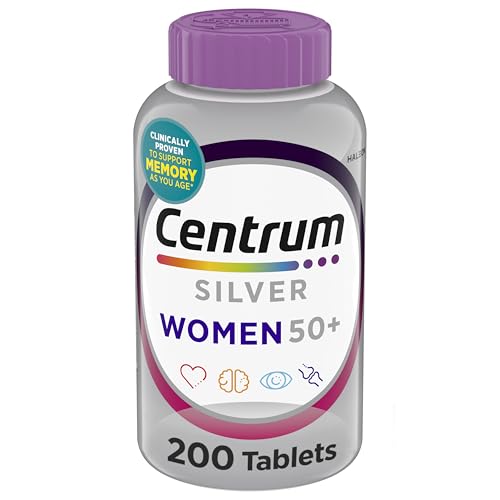
Budget under $15/month? Go with Centrum Silver or One A Day. They're reliable, pharmacy-trusted, and sufficient for most women.
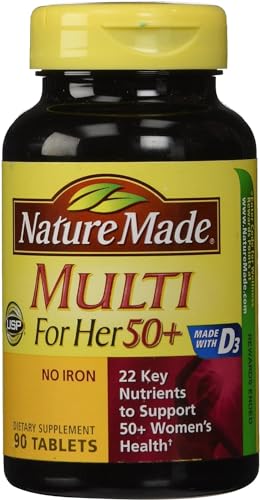
Want premium quality without breaking the bank? Nature Made Multi for Her 50+ or Rainbow Light Women's One 50+ hit the sweet spot: whole-food quality, digestive support, and reasonable pricing.
Absorption issues or sensitive stomach? MegaFood or Garden of Life. The premium whole-food formulas are worth the investment if your body struggles with standard multivitamins.
Want minimalist, transparent ingredients? Ritual Essential for Women 50+. Four nutrients, complete sourcing transparency, no fluff.
Start with one of our picks, give it 4–6 weeks, and notice how your energy, digestion, and overall vitality shift. Most women report feeling noticeably better within a month.
Real discussions from verified Reddit users — not sponsored content
Reddit supplement communities share detailed personal experiences and third-party test results, cutting through marketing to identify what actually works.
If your diet is impeccable with lots of leafy greens, fatty fish, and fortified dairy, maybe not. But most women miss on B12, vitamin D, and calcium. A multivitamin is insurance against nutritional gaps that accelerate aging and health decline.
Can I take these with medications?
Always consult your doctor. Some supplements interact with blood thinners, statins, and thyroid medications. For example, calcium can reduce thyroid medication absorption if taken simultaneously.
When should I take my women 50+ vitamin?
With a meal containing fat, as B vitamins, vitamin D, and other fat-soluble nutrients absorb better with food. Morning is typical, but consistency matters more than specific timing for optimal nutrient absorption.
The GiftedPicks editorial team researches thousands of Amazon products, analyzes customer review patterns, cross-references clinical studies and community recommendations, and writes original editorial content for every list. We never accept payment from brands for placement or ranking.
Fact-checked September 2026·Sources cited·No paid placements