why the magnesium form actually matters
Which magnesium type should you choose for sleep versus muscle recovery?
Magnesium glycinate is best for sleep and muscle relaxation because glycine itself promotes calm. Magnesium threonate crosses the blood-brain barrier for cognitive benefits. Magnesium citrate works fastest (laxative effect) for immediate muscle cramps. Choose glycinate for daily sleep support, threonate for brain health, citrate for acute relief.
See also: sleep supplements and rest optimization
Why do magnesium forms matter more than the dose?
Bioavailability varies dramatically by form. Magnesium oxide absorbs poorly (only 4-10%), while glycinate absorbs 25-40%. Threonate crosses the blood-brain barrier where oxide cannot. Citrate absorbs quickly and affects digestion. Two products with identical mg counts perform differently based on form. GiftedPicks always specifies the form because it determines whether you actually absorb the magnesium.
See also: Huberman supplement stack on budget
What dosage of magnesium actually improves sleep?
Clinical studies showing sleep benefits typically used 200-400mg of absorbable magnesium taken 30-60 minutes before bed. Magnesium glycinate 300mg is a practical starting dose. More is not better — excessive magnesium causes digestive issues. Start with 200mg, assess sleep quality after one week, then increase to 300-400mg if needed.
See also: supplement timing guide for sleep
Here is what most magnesium supplement articles get wrong: they talk about dosage first and forget the most important variable. The form of magnesium you take determines WHERE in your body it goes and HOW your body absorbs it. Taking 500mg of the wrong form will be less effective than 200mg of the right form. The mineral is the same, but the molecular structure it is bonded to changes everything about bioavailability, where it accumulates in tissue, and what effects you actually experience.
Most people reach for magnesium because they heard it is good for sleep or anxiety. But magnesium does not have one job - it is involved in over 300 enzymatic reactions in your body. The question is not just whether to supplement magnesium, it is which form will actually deliver the magnesium to the specific tissue that needs it. That is where this gets interesting.
magnesium glycinate - the sleep and calming form
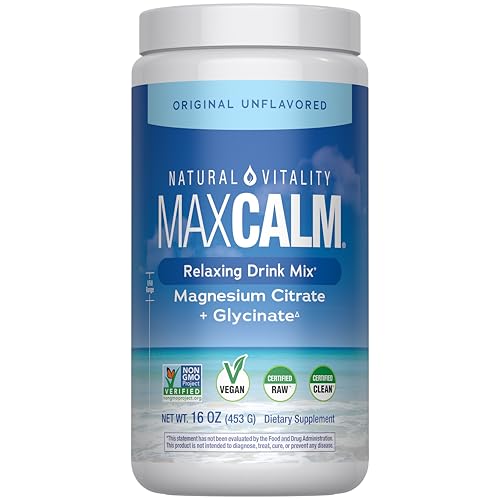
Magnesium glycinate is glycine (an amino acid) bound to magnesium. This is the form that wins for most people because it is highly absorbable (40% bioavailability), gentle on the digestive system, and the glycine molecule itself has calming properties. You get a double benefit: the magnesium relaxes your nervous system AND the glycine adds its own calming effects (it is the same amino acid used in sleep studies independently).
This form partially crosses the blood-brain barrier, which makes it effective for anxiety and sleep without being specifically targeted at cognition the way threonate is. People report better sleep quality, reduced muscle tension, and a general sense of calm when taking magnesium glycinate. It is absorbed well enough that you do not need massive doses - 200-300mg elemental magnesium is sufficient for most people. The main advantage: it does NOT cause loose stools like citrate can. If you have a sensitive stomach, glycinate is your answer.
Timing: Take glycinate in the evening, ideally 1-2 hours before bed. The calming effects are most noticeable at night. Some people take it mid-afternoon if dealing with daytime anxiety, but the sleep effect is strongest at night.
magnesium threonate - the brain health form
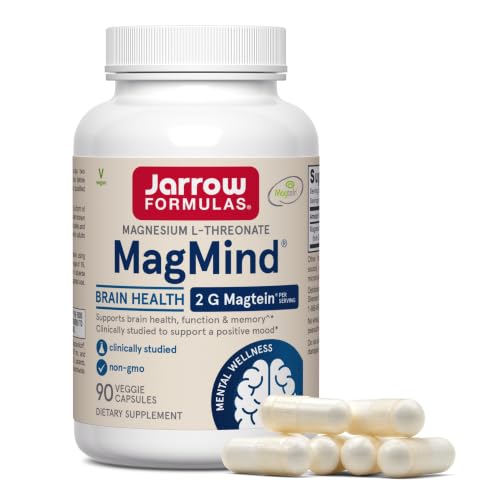
Magnesium threonate is special because it is the only magnesium form with clinical evidence showing it actually increases magnesium INSIDE brain cells. MIT researchers published studies showing that threonate uniquely crosses the blood-brain barrier and accumulates in neuronal tissue. This is not just theory - they measured intracellular magnesium levels and showed threonate was the only form that raised them meaningfully.
Why does this matter? Magnesium is critical for synaptic plasticity (your brain is ability to form new connections), NMDA receptor function (learning and memory), and long-term potentiation (how memories stick). When magnesium levels in your brain are low, your cognitive function suffers. Threonate specifically addresses this problem by getting magnesium where it actually needs to be. You are not just taking a supplement - you are targeting a specific neurological pathway.
Reviewers of threonate report improved mental clarity, better memory recall, sharper focus, and enhanced learning. The effects take 4-8 weeks to become noticeable because you are slowly raising tissue magnesium levels. This is not a caffeine-like acute effect - it is a gradual improvement in baseline cognitive function. If you are a student, knowledge worker, or concerned about cognitive decline as you age, threonate is the form to invest in.
Timing: Take threonate any time - morning or evening. The brain health benefits are not time-dependent like glycinate is sleep. Morning is fine, evening is fine. Consistency matters more than timing.
magnesium citrate - the highest bioavailability form
Magnesium citrate has the highest bioavailability of all forms at approximately 61% absorption rate. Citrate is a weak acid (citric acid) bound to magnesium, and this pairing makes magnesium absorption incredibly efficient in your gastrointestinal tract. If pure absorption is the goal and you want maximum elemental magnesium getting into your bloodstream, citrate wins every single time.
The trade-off: citrate has a mild laxative effect. This is actually intentional - citrate is often used in medical settings specifically for gentle bowel support. For some people this is a feature (especially if they deal with constipation). For others it is a significant downside. If your digestive system is sensitive, citrate can cause loose stools or cramping even at modest doses. Start with half a serving to assess tolerance.
Citrate is excellent for muscle cramp relief, general magnesium supplementation when digestive effects are not a concern, and high bioavailability seeking. It is also competitively priced form, which is why you see it in most grocery store magnesium supplements. It is not a bad choice - it just comes with the laxative effect most people do not expect.
Timing: Take citrate any time, but be aware of the laxative timing. If taken in the evening, you may experience loose stools the next morning. Some people use this to their advantage for digestive support. Others prefer morning dosing to avoid bedtime disruption.
magnesium oxide - the form to avoid
Magnesium oxide deserves a special mention because it is still sold everywhere despite being the worst form for supplementation. It has approximately 4% bioavailability - meaning 96% of the magnesium you take does not even get absorbed. It is used medically as a strong laxative, not as a nutrition supplement. If you see magnesium oxide on a label, skip it. You will spend money and money for effects you are not actually absorbing.
dosage guidance for magnesium
The recommended dietary allowance (RDA) for magnesium is 310-320mg for adult women and 400-420mg for adult men. Most people are deficient - studies suggest 50-60% of Americans do not meet the RDA. If you are supplementing beyond food sources, aim for 200-400mg elemental magnesium daily depending on your goals and current levels.
Check the label carefully: it will say "elemental magnesium" separately from the total compound weight. A supplement might say 500mg magnesium glycinate but only contain 75mg elemental magnesium. The elemental amount is what matters. For glycinate and threonate, 200mg elemental magnesium is sufficient. For citrate, 300-400mg elemental magnesium is typical. Never exceed 420mg daily from supplements (food does not count toward this limit).
which form should you actually buy
For sleep and anxiety: Choose glycinate. It is absorbable, gentle, and the glycine adds its own calming benefit. Dose 200-300mg elemental magnesium in the evening.
For brain health and cognition: Choose threonate. It is the only form with clinical evidence for raising brain magnesium levels. Expect to pay more. Dosing varies by product - follow the label. Results take 4-8 weeks.
For digestion and muscle support: Choose citrate if your stomach is not sensitive. It has the highest bioavailability and can help with muscle cramps and gentle bowel support. Be aware of the laxative effect. Dose 300-400mg elemental magnesium.
For most people: Magnesium glycinate is the best all-around choice. It covers 80% of magnesium supplementation needs - better sleep, calmer nervous system, better muscle relaxation - without the digestive issues of citrate or the premium cost of threonate. Start here unless you have a specific reason to optimize for brain health (threonate) or maximum absorption (citrate).
Bottom line: Glycinate is the best first choice. Threonate is for brain optimization. Citrate is for maximum bioavailability. Oxide is a waste of money. Pick based on your specific goal, not the dosage amount on the label.
Does the form of magnesium actually matter, or is that just supplement marketing? The clinical evidence shows it matters — but only for specific outcomes. Here's what the published research actually proves.
What Clinical Research Says About Magnesium Forms
The bioavailability and effects of different magnesium forms have been studied in human trials for over two decades. The four claims most often made about magnesium supplementation — better sleep, brain support, muscle recovery, digestive tolerance — each have a different evidence base. Here's what the published trials show, by form, with the specific outcomes you can reasonably expect.
Magnesium glycinate improves sleep architecture in deficient adults. A double-blind randomized placebo-controlled trial by Abbasi et al. published in the Journal of Research in Medical Sciences (2012) studied 46 elderly subjects with insomnia and found magnesium supplementation (500 mg/day for 8 weeks) significantly increased sleep time, improved sleep efficiency, reduced sleep onset latency, and increased serum melatonin compared to placebo. The mechanism: magnesium binds GABA-A receptors and regulates the HPA axis, both of which gate sleep onset. Glycinate's well-tolerated absorption profile (~40% bioavailability) is what makes it the practical sleep-supplement choice — citrate works pharmacologically but the laxative effect breaks adherence.
Magnesium L-threonate is the only form with human RCT evidence for raising brain magnesium. The original mechanism work by Slutsky et al. in Neuron (2010) showed in animal models that L-threonate uniquely crossed the blood-brain barrier and increased intracellular brain magnesium where other forms did not. The translational human study — Liu et al. in Journal of Alzheimer's Disease (2016) — was a randomized placebo-controlled trial of MMFS-01 (the threonate-bound form) in adults aged 50-70 with cognitive impairment. After 12 weeks, the threonate group showed significantly improved overall cognitive ability versus placebo, with effects on executive function, working memory, attention, and episodic memory. Effect size was meaningful (around 9 years of cognitive aging reversed by some measures). The premium price of threonate over glycinate is justified specifically by this mechanism — for general supplementation, glycinate is cheaper and equally effective.
Magnesium citrate has the highest bioavailability of common forms. A bioavailability study by Walker et al. in Magnesium Research (2003) directly compared the absorption of magnesium citrate, magnesium amino acid chelate, and magnesium oxide in healthy volunteers using urinary excretion as the absorption marker. Citrate showed significantly higher acute (24-hour) and chronic (60-day) absorption versus oxide, and modestly higher than amino acid chelate. The practical takeaway: if you tolerate citrate's mild laxative effect, you absorb more elemental magnesium per dollar than any other common form. The effect is dose-dependent — at typical 200 mg doses, GI tolerance is usually fine; above 400 mg per dose, loose stools become predictable.
Most adults are below the magnesium RDA — making form choice secondary to actually supplementing. The NIH Office of Dietary Supplements notes that approximately 48% of Americans of all ages consume less magnesium from food than the Estimated Average Requirement, and surveys of older adults show even lower intakes. This is the foundational point any honest magnesium recommendation should start with: the form debate matters at the margin, but most people will see meaningful improvement from supplementing with any well-absorbed form (glycinate, citrate, or threonate). Magnesium oxide is the exception — at ~4% bioavailability per Walker et al., it's not so much a magnesium supplement as a laxative with trace nutritional value.
Sources: Abbasi et al. on magnesium and insomnia, J. Research in Medical Sciences (2012) — PubMed | Liu et al. MMFS-01 cognitive trial, J. Alzheimer's Disease (2016) — PubMed | Slutsky et al. on threonate and brain magnesium, Neuron (2010) — PubMed | Walker et al. magnesium bioavailability comparison, Magnesium Research (2003) — PubMed | NIH ODS Magnesium Fact Sheet