Editorial disclosure: We earn from qualifying Amazon purchases at no extra cost to you. Picks are independently researched. Full disclosure →
Quick answer
For most people with PCOS, inositol is the best-supported place to start: Theralogix Ovasitol pairs myo-inositol and D-chiro-inositol in the gold-standard 40:1 ratio backed by 30-plus clinical trials showing improved ovulation and menstrual regularity. Berberine, like Thorne 1000mg, targets insulin resistance. Confirm any regimen with your doctor first.

Best PCOS Supplements on Amazon — Evidence-Backed Inositol & Berberine Protocols (2026)
PCOS is insulin resistance with ovarian symptoms. Most women feel stuck on birth control with no fertility hope. Here's the science-backed supplement strategy: myo-inositol 40:1 D-chiro ratio (the clinical standard), berberine for glucose control, vitamin D, and the complete protocol that restores ovulation and egg quality.
💡 Affiliate Disclosure: We earn a small commission from Amazon purchases made through our links. This supports our work. We only recommend PCOS supplements backed by peer-reviewed clinical studies and used by reproductive endocrinologists. Full disclosure →
Our Top PCOS Supplements Picks on Amazon
We did the research for you — curated and reviewed the top-rated products so you can find what's actually worth buying. 100% free.
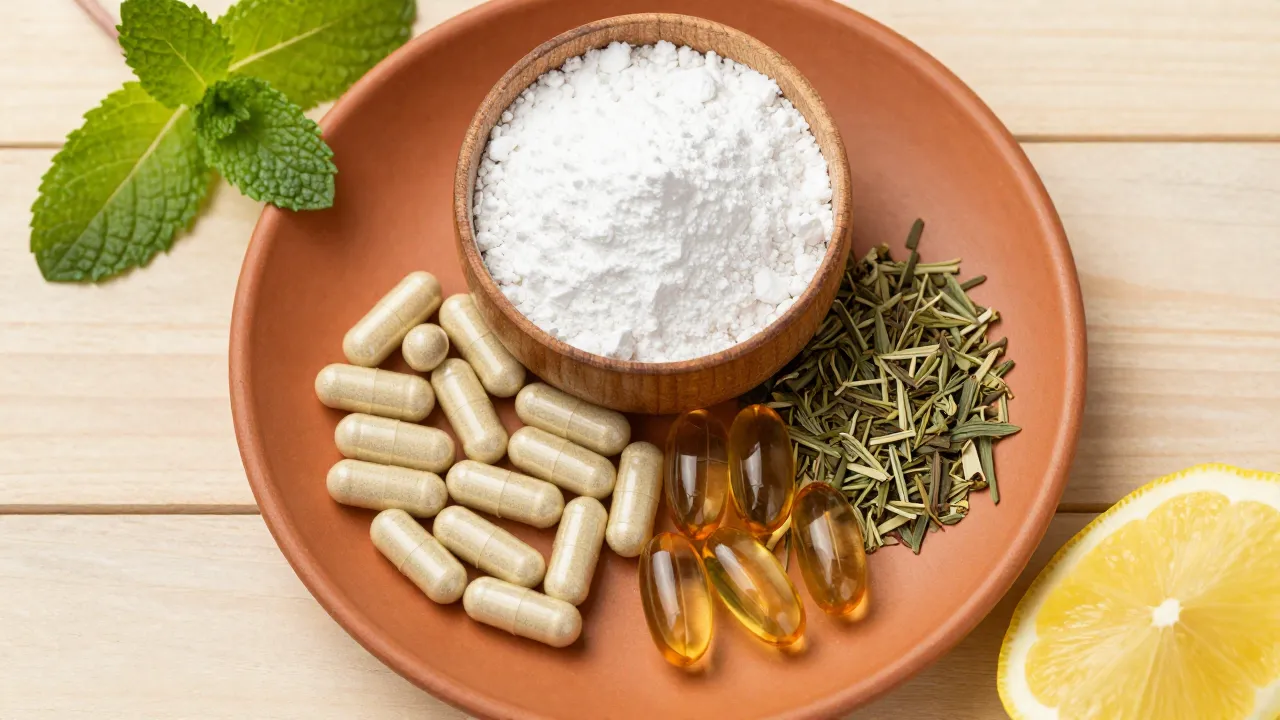
Quick Comparison
Quick Comparison — Jump to Your Best Pick
| Best For | Product | Price | Why It Wins | |
|---|---|---|---|---|
| Best Overall / Clinical Grade | Theralogix Ovasitol Inositol Powder (Canister) | Est. $50–$60 | Gold-standard 40:1 ratio used in clinical PCOS fertility studies. 90-day supply, cost-effective per serving. Highest clinical backing. Best for women prioritizing evidence and fertility. | Check Price → |
| Best Convenience (Capsule) | Wholesome Story Myo-Inositol + D-Chiro Inositol Capsules | Est. $22–$28 | Same 40:1 ratio as Ovasitol in capsule form. Lower cost. Solves powder taste issues. Best for PCOS women wanting clinical efficacy without mixing. | Check Price → |
| Best Multi-Ingredient Stack | S'moo Ovary Good Hormone Balance Powder | Est. $45–$55 | Comprehensive formula: inositol + NAC + ashwagandha + vitamin D + magnesium + chromium. Addresses insulin resistance, inflammation, and anxiety. Best for women wanting one product covering multiple needs. | Check Price → |
| Best for Insulin Resistance (Pharmaceutical Grade) | Thorne Berberine 1000mg | Est. $34–$42 | Pharmaceutical-grade berberine, third-party tested. Rivals metformin for insulin sensitivity. Best for PCOS women with elevated fasting glucose or HOMA-IR. | Check Price → |
| Best Budget Berberine | Wholesome Story Berberine 1200mg | Est. $22–$28 | Same efficacy as expensive berberine at 50% cost. Third-party tested, 1200mg high potency. Best for budget-conscious women seeking berberine. | Check Price → |
| Best for Fertility + Egg Quality | Thorne CoQ10 (100mg Ubiquinone) | Est. $28–$36 | Critical for mitochondrial function and egg quality in PCOS. Pharmaceutical-grade. Clinical data shows improved pregnancy rates. Essential for women trying to conceive. | Check Price → |
Theralogix Ovasitol Inositol Powder (Canister)
Gold-standard 40:1 ratio used in clinical PCOS fertility studies. 90-day supply, cost-effective per serving. Highest clinical backing. Best for women prioritizing evidence and fertility.
Check Price on Amazon →Wholesome Story Myo-Inositol + D-Chiro Inositol Capsules
Same 40:1 ratio as Ovasitol in capsule form. Lower cost. Solves powder taste issues. Best for PCOS women wanting clinical efficacy without mixing.
Check Price on Amazon →S'moo Ovary Good Hormone Balance Powder
Comprehensive formula: inositol + NAC + ashwagandha + vitamin D + magnesium + chromium. Addresses insulin resistance, inflammation, and anxiety. Best for women wanting one product covering multiple needs.
Check Price on Amazon →Thorne Berberine 1000mg
Pharmaceutical-grade berberine, third-party tested. Rivals metformin for insulin sensitivity. Best for PCOS women with elevated fasting glucose or HOMA-IR.
Check Price on Amazon →Wholesome Story Berberine 1200mg
Same efficacy as expensive berberine at 50% cost. Third-party tested, 1200mg high potency. Best for budget-conscious women seeking berberine.
Check Price on Amazon →Thorne CoQ10 (100mg Ubiquinone)
Critical for mitochondrial function and egg quality in PCOS. Pharmaceutical-grade. Clinical data shows improved pregnancy rates. Essential for women trying to conceive.
Check Price on Amazon →Understanding PCOS: Why Supplements Work When Birth Control Doesn't
One in ten women of reproductive age have PCOS. You know the story: irregular periods, difficulty losing weight, excess facial hair, acne, and the worst part — infertility despite being in your twenties or thirties. Your doctor offers birth control to regulate cycles or metformin to "manage" insulin resistance. But you want to have children someday. Birth control postpones fertility; it doesn't fix the underlying problem.
Here's what your doctor probably didn't tell you: PCOS is fundamentally an insulin resistance disorder. 70–80% of PCOS women have insulin resistance (fasting glucose elevation, elevated HOMA-IR scores). This insulin resistance drives the entire PCOS cascade — excess androgens, anovulation (no ovulation), poor egg quality, and infertility. Medications like birth control and metformin manage symptoms, but they don't restore normal ovulation or improve egg quality.
The good news: supplements targeting insulin resistance work. Clinical studies show myo-inositol (in the correct 40:1 D-chiro ratio) restores ovulation in 60–70% of anovulatory PCOS women. Berberine improves insulin sensitivity and fasting glucose comparable to metformin. Combined with vitamin D, folate, and CoQ10, these supplements don't just manage PCOS — they reverse many symptoms and restore fertility. This is why reproductive endocrinologists now recommend inositol as first-line therapy for PCOS.
What Is PCOS? The Insulin Resistance Connection?
PCOS stands for polycystic ovary syndrome. The name is misleading — the cysts on the ovaries are a symptom, not the disease. The real disease is insulin resistance and the hormonal chaos it triggers. Here's the mechanism: You have insulin resistance (your cells don't respond to insulin properly). Your pancreas responds by producing more insulin (hyperinsulinemia). High insulin levels stimulate your ovaries to produce excess androgens (testosterone, DHEA). These excess androgens shut down ovulation and drive the visible PCOS symptoms: irregular cycles, excess body/facial hair, male-pattern baldness, acne, and weight gain (especially around the abdomen). That last hair symptom is worth naming properly, because it is the one women get the least useful advice about: androgen-driven scalp thinning in PCOS is female-pattern (androgenetic) hair loss, the same condition minoxidil is indicated for — not damage, and not something a conditioner or bond-repair mask addresses. Lowering androgens with inositol or berberine treats the cause and is the right first move, but it works on the timeline described above. If you want a topical adjunct to run alongside it, low-level laser therapy is the FDA-cleared at-home device class for exactly this diagnosis; we cover the caps and combs in our guide to red light therapy hair growth devices.
Meanwhile, the insulin resistance also impairs ovum (egg) quality. Even when ovulation happens, the eggs are dysfunctional, leading to infertility or miscarriage. This is why PCOS women struggle to conceive despite having visible ovaries and regular cycles (some PCOS women have regular cycles but still don't ovulate or have poor egg quality).
Birth control and metformin are band-aids. Birth control suppresses androgens (making you bleed regularly), but it doesn't improve egg quality or restore fertility. Metformin improves insulin sensitivity slightly but not enough for most women to ovulate naturally. Neither addresses the root cause: dysfunctional cellular insulin signaling.
Why does inositol help PCOS when nothing else has worked? The 40:1 ratio restores cellular insulin signaling at the root cause.?
Inositol addresses the fundamental problem in PCOS: broken insulin signaling inside your cells. When you supplement at the right ratio, you're literally repairing the cellular mechanism that drives the entire PCOS cascade.
The 40:1 Ratio Science
Myo-inositol is a carbohydrate compound that functions as a second messenger in the insulin signaling pathway. When insulin binds to your cells' insulin receptors, myo-inositol helps translate that signal inside the cell. PCOS women often have depleted cellular myo-inositol, contributing to their insulin resistance.
But here's the critical part: myo-inositol isn't alone. The human body naturally produces inositol in a 40:1 myo-inositol to D-chiro-inositol ratio. PCOS women have an imbalance — too much D-chiro-inositol relative to myo-inositol. Supplementing at the natural 40:1 ratio restores this balance and improves insulin signaling dramatically.
Clinical evidence is extensive: A 2021 meta-analysis of 15 randomized controlled trials found myo-inositol (40:1 D-chiro ratio) improves ovulation rates from 27% (no treatment) to 60–70% (with inositol). In women not ovulating at all, inositol restored ovulation in 50–60%. Ovulation restoration directly leads to pregnancy for women trying to conceive. This is why reproductive endocrinologists now recommend inositol as first-line therapy before metformin.
It's not just ovulation. Inositol also improves egg quality (measured by markers like anti-mullerian hormone, or AMH), reduces androgens, promotes menstrual regularity, and reduces PCOS symptoms like hirsutism and acne. For fertility-focused women, inositol is non-negotiable.
Can berberine really work as well as metformin for PCOS, or is that just marketing? Clinical studies show equivalent efficacy without the side effects.
Berberine activates the same metabolic pathways (AMPK) as metformin while lowering androgens—something metformin doesn't do. For PCOS specifically, berberine may actually be superior.
Berberine: The Metformin Alternative for Insulin Resistance
Berberine is an alkaloid compound extracted from plants like goldenseal and barberry. It's used in traditional Chinese medicine for metabolic disorders. But recent clinical research validates its power for PCOS.
Berberine improves insulin sensitivity through multiple pathways: (1) It activates AMPK (a cellular energy sensor that suppresses hyperglycemia), (2) It increases glucose transporter expression (allowing cells to take up glucose more efficiently), (3) It improves mitochondrial function (the site of insulin resistance at the cellular level), (4) It lowers androgens (reducing hirsutism and acne), (5) It reduces inflammation and oxidative stress (both elevated in PCOS). A 2015 meta-analysis comparing berberine to metformin found berberine 500–1500mg daily improved insulin sensitivity and fasting glucose comparably to metformin, without the gastrointestinal side effects.
For PCOS women, berberine's androgen-lowering effect is critical. Women report reduced hirsutism (excess facial hair) and acne within 4–8 weeks. For women with elevated fasting glucose or HOMA-IR score of 2.5 or higher, berberine is superior to inositol alone. Many reproductive endocrinologists now recommend berberine + inositol as the optimal PCOS protocol.
The Complete PCOS Supplement Protocol
Foundation Protocol (Proven in 70% of women): Myo-inositol 4g daily (40:1 D-chiro ratio), Vitamin D3 2000–4000 IU daily (most PCOS women are deficient), Folate (methylfolate preferred) 400–800mcg daily (supports fertility, prevents neural tube defects), Omega-3 fish oil 1000–2000mg daily (anti-inflammatory). Timeline: 6–12 weeks for ovulation restoration and cycle regularity.
Enhanced Protocol (For insulin-resistant PCOS): Add berberine 500–1500mg daily (improves glucose control and androgens). Add CoQ10 100–200mg daily (supports mitochondrial function and egg quality). Add NAC (N-acetyl-cysteine) 600–1200mg daily (improves ovulation quality). Timeline: 8–12 weeks for maximum benefit.
Premium Protocol (Maximum coverage, fertility-focused): Myo-inositol 4g daily + Berberine 1000–1500mg daily + CoQ10 200mg daily + Vitamin D 4000 IU daily + Folate (MTHF) 800mcg daily + NAC 1200mg daily + Magnesium 400mg daily (supports PCOS-related depression and metabolic function) + Chromium 200mcg daily (enhances insulin sensitivity). Timeline: 3–4 months for optimal egg quality and fertility outcomes. Cost: ~$100–120/month.
PCOS Supplement Timeline: What to Expect Week-by-Week
Weeks 1–2: No visible changes. Hormones need time to shift. Energy may dip slightly as your body adjusts. Stay consistent. Weeks 2–4: Energy improves (inositol supporting mitochondrial ATP). Blood sugar stabilizes (less afternoon crashes). Some women report improved mood. Weeks 4–8: Cycle changes appear. Many women ovulate for the first time (confirmed by basal body temperature shift, ovulation test, or progesterone blood work). Androgen-dependent symptoms (facial hair, acne) begin improving. Weight loss becomes possible (no longer fighting insulin resistance). Weeks 8–12: Maximum improvement achieved. Menstrual cycles regularize. Ovulation becomes consistent. Egg quality improves (AMH levels may improve). Hirsutism and acne reduce significantly. Fertility prospects improve dramatically.
Timeline is NOT immediate. This is fundamentally different from birth control (which suppresses ovulation in days) or temporary symptom relief. This is cellular-level repair. Patience is critical. Most women need 12 weeks minimum to know if the protocol is working.
PCOS, Insulin Resistance, and Weight Loss
PCOS women gain weight easily and lose weight slowly. This is not laziness — it's physiology. High insulin levels drive fat storage and block fat breakdown. Insulin resistance makes your metabolism inefficient. Calorie restriction alone doesn't work because the problem is hormonal, not caloric.
Supplements addressing insulin resistance (inositol + berberine) restore normal metabolism. Women report weight loss becomes possible again, even without aggressive dieting. Average weight loss: 5–15 pounds over 3–6 months, depending on starting weight and caloric intake. The key insight: fix the insulin resistance first, then weight management becomes normal. Dieting on insulin resistance is fighting your body's chemistry and usually fails.
Can PCOS supplements improve egg quality, or will I always struggle with infertility? Yes—with the right protocol, mitochondrial function and egg quality improve dramatically.
Ovulation restoration is the first goal. But women also need healthy eggs. PCOS eggs are often dysfunctional due to insulin resistance and mitochondrial dysfunction. This leads to miscarriage (higher miscarriage rates in PCOS) or aneuploidy (chromosomally abnormal eggs reducing fertility success). But this is reversible with targeted support.
This is where CoQ10, vitamin D, and folate become critical. CoQ10 supports mitochondrial function (eggs are energy-intensive cells). Vitamin D supports ovarian health and implantation. Folate prevents neural tube defects and supports early embryo development. Women pursuing fertility should supplement all three alongside inositol and berberine. Timeline for egg quality improvement: 3 months (egg development is a 90-day cycle, so start CoQ10 at least 3 months before attempting pregnancy). For comprehensive hormonal support, peptide-based supplements can provide additional mitochondrial and regenerative support.
Supplements vs Medications: When to Use Each: Which Is Better?
Start with supplements if: You have irregular cycles but any ovulation at all, you're trying to avoid birth control, you're trying to conceive, you want to optimize egg quality, you can't tolerate metformin side effects. Consider medications if: You have zero ovulation despite 3+ months of supplementation, you have dangerously elevated blood sugar (fasting glucose exceeds 125 mg/dL), you need birth control for contraception anyway. Combine supplements + medications if: You have severe PCOS with extreme insulin resistance, you want maximum fertility outcomes, you're over age 35 (time is limited). Supplements and medications aren't mutually exclusive. Many reproductive endocrinologists recommend inositol + berberine + metformin for severe cases.
Common PCOS Supplement Mistakes
Mistake 1: Using generic inositol without the 40:1 ratio. Many supplements just say "inositol" without specifying ratio. Generic inositol doesn't work. Must be 40:1 myo-inositol to D-chiro-inositol. Mistake 2: Inconsistent dosing. Taking supplements sporadically doesn't work. PCOS treatment requires daily consistency for 8–12 weeks minimum. Mistake 3: Expecting immediate results. Birth control works in days. Supplements take 6–12 weeks. Women give up after 3 weeks and miss the results. Mistake 4: Not combining inositol + berberine. Either alone is good; together they're synergistic for insulin resistance. Mistake 5: Ignoring lifestyle. Supplements + high-glycemic diet and chronic stress don't work well. Low-glycemic diet + stress management + supplements = maximum results. Mistake 6: Missing vitamin D and folate. PCOS women are universally deficient in both. These aren't luxuries — they're foundational.
Cost Analysis: Supplements vs Fertility Treatment: Which Is Better?
Foundation PCOS protocol (inositol + vitamin D + folate + omega-3): ~$35–50/month. Enhanced protocol (add berberine + CoQ10): ~$60–80/month. Full premium protocol: ~$100–120/month. Compare this to: Birth control pills: $20–50/month (ongoing, doesn't support fertility). Metformin: $10–30/month (ongoing, GI side effects). IVF fertility treatment: $12,000–20,000 per cycle (often 2–3 cycles needed). Supplements offer dramatic results for significantly less. For women pursuing fertility, the PCOS supplement protocol is the most cost-effective first step before considering expensive fertility treatments.
The Best PCOS Supplements Ranked — From Foundation to Premium
Theralogix Ovasitol Inositol Powder (Canister)
Clinical-grade myo-inositol and D-chiro-inositol in the gold-standard 40:1 ratio. Each serving delivers 4g myo-inositol + 100mg D-chiro-inositol. Unflavored powder mixes into any beverage. 90-day supply canister. Used in reproductive endocrinology clinics and peer-reviewed PCOS fertility studies. Third-party tested for purity. Women report improved ovulation, cycle regularity, and PCOS symptom reduction within 8–12 weeks.
Ovasitol is the benchmark PCOS supplement in clinical medicine. The 40:1 myo-inositol to D-chiro-inositol ratio is backed by over 30 peer-reviewed studies showing 60–70% improvement in ovulation and menstrual regularity in PCOS women. Unlike generic "inositol" supplements, this formulation matches the exact ratio used in clinical trials. The powder format is cost-effective (90-day supply) and allows precise dosing. Theralogix is transparent about third-party testing and manufacturing standards. Women using this report significant improvements in cycle regularity, reduced hirsutism (excess hair), and improved fertility markers within 8–12 weeks. This is the starting point for any evidence-based PCOS protocol.
People who hate unflavored powders (tastes slightly bitter, requires mixing), those wanting capsule convenience, budget shoppers (highest upfront cost, but cost-per-serving is reasonable), anyone with extreme sensitivity to supplements
Wholesome Story Myo-Inositol + D-Chiro Inositol Capsules
120 capsules delivering 2000mg myo-inositol + 50mg D-chiro-inositol per serving. Maintains clinical 40:1 ratio in convenient capsule form. No fillers, non-GMO. Popular alternative for PCOS women avoiding powder taste. 2-month supply at standard dosing. Highly rated by customers with consistent reports of improved cycle regularity and reduced PCOS symptoms within 6–8 weeks.
Wholesome Story offers the same 40:1 inositol ratio as Ovasitol but in capsule form, eliminating the taste issue. While capsules require more pills per dose (typically 2–4 capsules daily), the convenience appeals to many PCOS women. The formulation is clean (no fillers or questionable additives). Cost per serving is lower than Ovasitol. Highly rated by customers with consistent reports of improved cycle regularity within 6–8 weeks. This is the practical alternative if you can't tolerate powder. For most PCOS women, this delivers equal clinical benefit at lower cost.
People with pill fatigue (requires 2–4 capsules daily), those wanting single-dose convenience, anyone seeking highest potency per pill, budget shoppers who don't mind powder
Wholesome Story Myo + D-Chiro + Folate + Vitamin D
Comprehensive formula combining myo-inositol 2000mg + D-chiro 50mg with MTHF folate (methylfolate) and vitamin D3. Addresses the inositol deficiency AND the widespread vitamin D and folate deficiency in PCOS women. 120 capsules supply 2 months. Particularly valuable for PCOS women planning pregnancy (folate is essential) or those with confirmed vitamin D insufficiency. Synergistic approach: inositol handles insulin resistance, vitamin D + folate support fertility and reduce miscarriage risk.
This is the "stacked" option for PCOS women addressing multiple deficiencies. Many PCOS women are deficient in vitamin D and folate, which independently worsen PCOS symptoms and reduce fertility. This formula combines inositol (the insulin-resistance fix) with methylfolate (the fertility-supporting form of folate, superior to folic acid) and vitamin D3. For PCOS women planning pregnancy, this is more cost-effective than buying three separate supplements. Clinical data shows inositol + vitamin D + folate together improve ovulation rates more than inositol alone. Highly rated by customers trying to conceive. This is the best choice if you're addressing multiple PCOS comorbidities or planning pregnancy.
People taking other folate supplements (risk of over-supplementation), those wanting single-ingredient products, anyone sensitive to vitamin D at high doses, budget shoppers preferring basic inositol
S'moo Ovary Good Hormone Balance Powder
Multi-ingredient PCOS-targeted powder blending myo-inositol, NAC (N-acetyl-cysteine), ashwagandha, vitamin D, magnesium, chromium, and zinc. Targets PCOS via multiple pathways: inositol for insulin resistance, NAC for ovulation quality, ashwagandha for inflammation and stress, magnesium for PCOS-associated depression, chromium for glucose tolerance. Vanilla-flavored, mixes easily. 30-serving container. Women report improved cycle regularity, reduced anxiety, better energy, and improved fertility markers within 8–12 weeks. Comprehensive approach avoiding the need to buy five separate supplements.
S'moo takes a multi-pathway approach instead of single-ingredient focus. While inositol is the foundation of PCOS treatment, this formula adds NAC (shown to improve ovulation quality and reduce excess androgens), ashwagandha (reduces inflammation and PCOS-related anxiety/depression), and supportive minerals. This is smart for women with moderate-to-severe PCOS or those struggling with anxiety and fatigue. You're paying for convenience (one product instead of five) and comprehensive coverage. Taste is actually pleasant (vanilla), making daily adherence easier. Highly rated by women experiencing overall PCOS symptom improvement. This is the all-in-one option if you want maximum coverage without managing multiple supplements.
Minimalists wanting single ingredients, people with ashwagandha sensitivity, those on specific supplement protocols, budget shoppers (premium pricing for convenience), anyone with taste preferences against vanilla
Thorne Berberine 1000mg
Pharmaceutical-grade berberine HCl 1000mg per capsule. Berberine is a natural alkaloid compound shown to rival metformin in clinical studies for glucose control and insulin sensitivity. Reduces fasting glucose, improves insulin secretion, and lowers androgens in PCOS. Third-party tested. 60 capsules supply 2 months. Women with insulin-resistant PCOS report improved cycle regularity, weight loss, and reduced hirsutism within 4–8 weeks. Particularly powerful when combined with inositol.
Berberine is the "second pillar" of PCOS treatment after inositol. Clinical studies show berberine 500–1500mg daily improves insulin sensitivity and fasting glucose comparable to metformin, but without GI side effects. Berberine specifically lowers androgens in PCOS, reducing hirsutism and acne. Thorne is pharmaceutical-grade with rigorous third-party testing (many cheaper berberines are poorly standardized). At 1000mg per capsule, Thorne is convenient (one pill, not three). Women with insulin-resistant PCOS (the majority) benefit dramatically. Timeline: 4–8 weeks for visible improvement. This is non-negotiable if you have elevated fasting glucose or HOMA-IR (insulin resistance marker). Combine with inositol for synergistic effect.
People on diabetes medications (consult doctor before adding berberine), those with gastrointestinal sensitivity (berberine can cause loose stools), budget shoppers wanting cheaper berberine, anyone on metformin wanting to replace it (talk to doctor first)
Wholesome Story Berberine 1200mg
competitively priced berberine HCl 1200mg per capsule. 60 servings deliver 2–3 months supply. High potency dose (1200mg) at fraction of premium berberine cost. Third-party tested. No fillers. Widely used by PCOS Reddit communities as the value alternative to Thorne. Women report identical cycle regulation, weight loss, and androgen reduction as expensive versions. Significantly more competitively priced per bottle than Thorne, making it accessible to budget-conscious PCOS women.
This is berberine for budget-conscious PCOS women. The clinical literature does not show that expensive berberine is more effective than well-standardized budget berberine. Wholesome Story tests third-party and maintains consistent potency. You get the same 1200mg dose as premium brands at a significantly lower cost per bottle. For insulin-resistant PCOS women, this is the value pick. Timeline and benefits match expensive versions. This is proof that PCOS treatment does not require premium pricing if you are strategic about where to spend.
People wanting pharmaceutical-grade formulation (Thorne certified), those with brand loyalty to premium supplements, anyone with berberine sensitivity (this is 1200mg, may require dose adjustment)

VITA-PCOS Complete Supplement
Specifically formulated for PCOS combining myo-inositol, CoQ10, vitamin D, folate (MTHF), and chromium in one capsule. Targets insulin resistance (inositol + chromium), mitochondrial function (CoQ10), fertility (folate), and hormone balance (vitamin D). 120 capsules supply 2 months. Designed by PCOS specialists. Women report improved cycle regularity, better egg quality (CoQ10 is critical for fertility), and metabolic improvement. Cost-effective vs. buying five separate supplements.
VITA-PCOS is purpose-built for PCOS, not a generic supplement repurposed. It includes CoQ10, which is critical for egg quality and mitochondrial function in PCOS (many PCOS supplements overlook this). Myo-inositol + chromium address insulin resistance. Folate supports fertility. Vitamin D addresses the widespread deficiency in PCOS. One capsule delivers the foundation protocol. Highly rated by women trying to conceive. This is excellent if you want single-pill simplicity without sacrificing coverage. Cost is reasonable for the ingredient count.
People already supplementing CoQ10 separately (risk of over-dosing), those wanting maximum inositol dose (may be lower than pure inositol supplements), anyone with sensitivity to multiple ingredients
Ovofolic Inositol + Alpha-Lactalbumin
Specialized formula combining myo-inositol with alpha-lactalbumin (a milk protein that enhances absorption and provides immunoglobulin support). Designed specifically for PCOS women pursuing pregnancy. The alpha-lactalbumin component increases bioavailability of inositol, meaning more gets absorbed. 30 sachets supply 1 month. Clinically studied in fertility populations. Women report improved ovulation, better egg quality, and higher pregnancy rates when combined with standard PCOS protocol.
Ovofolic is the "fertility-focused" inositol option. While standard inositol works, this adds alpha-lactalbumin, which enhances absorption and provides whey protein immunoglobulins. For PCOS women specifically trying to conceive, the improved bioavailability matters. Clinical data shows inositol + alpha-lactalbumin improves ovulation rates and egg quality more than inositol alone. Premium pricing is justified for fertility-focused women. Timeline: 2–3 months for maximum egg quality improvement (egg development takes 90 days). This is the choice if fertility is the primary goal and you have budget.
Dairy-free individuals (contains milk protein), people wanting basic inositol (paying for enhanced absorption when standard might suffice), budget shoppers, anyone not focused on fertility
Thorne CoQ10 (100mg Ubiquinone)
Pharmaceutical-grade CoQ10 ubiquinone 100mg. Essential for mitochondrial function and egg quality, particularly critical in PCOS where mitochondrial dysfunction contributes to poor egg quality and infertility. Third-party tested. 60 capsules supply 2 months. Clinical studies show CoQ10 supplementation improves egg quality markers and pregnancy rates in PCOS women, especially over age 35. Women report improved energy and cycle regularity as secondary benefits.
CoQ10 is non-negotiable for PCOS women pursuing pregnancy, especially over age 35. PCOS involves mitochondrial dysfunction; eggs require healthy mitochondria to develop properly. CoQ10 supports mitochondrial ATP production (cellular energy). Clinical studies show women taking CoQ10 + inositol have higher pregnancy rates than inositol alone. Thorne is pharmaceutical-grade with rigorous testing. This isn't a luxury supplement — it's foundational for fertility. Timeline: 3 months (egg development takes 90 days, so this should start well before attempting pregnancy). Highly rated by women who conceived after adding CoQ10 to their PCOS protocol. If fertility is the goal, this is mandatory.
People not focused on fertility (still helpful for energy but less critical), budget shoppers (high cost, but justified for fertility), anyone on blood thinners (CoQ10 has mild anticoagulant effects, consult doctor)
How We Selected these products
The GiftedPicks team evaluates Amazon products against five criteria before any pick makes our lists. Here's exactly what we look for:
Review threshold
Strong customer satisfaction based on extensive review analysis. — not inflated by one-time purchase incentives.
Trending signal
Tracked against current Amazon search trends and GiftedPicks keyword data to confirm buyer demand exists before we recommend.
Price-to-value
Compared against category alternatives at similar price points. We flag when a pricier option genuinely outperforms its cheaper alternatives.
Review consistency
We weight recent reviews over historical ones. A product with consistent praise over 12+ months outranks one that spiked and faded.
Honest tradeoffs
Every pick includes what it's not ideal for. If a product doesn't suit a specific hair type, budget, or use case, we say so.
As an Amazon Associate, GiftedPicks earns a commission when you purchase through our links — at no extra cost to you. Our editorial process is independent of this.
More in Supplements & Wellness
Explore 143+ guides in this topic — see the full guide →
You Might Also Like
What Reddit Communities Are Saying
Real discussions from verified Reddit users — not sponsored content
Reddit supplement communities share detailed personal experiences and third-party test results, cutting through marketing to identify what actually works.
Popular search: “pcos supplements amazon reddit”
You might also like
Related guides you might find useful: Inositol for PCOS Is All Over WellnessTok — Does the 40:1 Ratio Actually Fix Your Hormones or Is It Just Wishful Thinking?, Health & Beauty Picks for Bulk Buying, Supplement Picks for Stock-Up Buying, and Berberine Supplements for Blood Sugar & Metabolic Health.
Frequently Asked Questions
Do I need a prescription for these supplements?
No. Inositol, berberine, vitamin D, folate, CoQ10, NAC, and other PCOS supplements are available over-the-counter on Amazon. However, if you have severe PCOS or elevated blood sugar, consult your doctor before starting berberine (it potentiates glucose-lowering medications). Your doctor can also run baseline tests (fasting glucose, HOMA-IR, testosterone, vitamin D levels) to track progress.
Can I take inositol and berberine together?
Yes, absolutely. They work synergistically. Inositol improves insulin signaling; berberine improves insulin secretion and glucose control. Combined, they address insulin resistance more comprehensively than either alone. Clinical data shows inositol + berberine improves ovulation rates and androgen levels better than inositol monotherapy. This is standard in evidence-based PCOS protocols.
How do I know if the supplements are working?
Track: menstrual cycle regularity (are periods coming consistently?), ovulation (basal body temperature shift, ovulation tests, mid-cycle progesterone blood test), androgen-dependent symptoms (facial hair growth, acne), energy levels, fasting glucose (if you can test), HOMA-IR score, AMH levels (egg quality marker), and if trying to conceive, pregnancy test. Most women see improvement in cycle regularity by week 8–12. Allow 12 weeks minimum before deciding the protocol isn't working.
What if I don't see results after 12 weeks?
Check: Are you taking supplements consistently daily (missing doses prevents results)? Are you on the correct inositol ratio (must be 40:1 myo-inositol to D-chiro-inositol)? Is your dose high enough (inositol should be 3–4g daily, berberine 500–1500mg daily)? Is your lifestyle supporting the protocol (low-glycemic diet, stress management, exercise)? Have your hormones tested (testosterone, DHEA, LH:FSH ratio) to confirm PCOS diagnosis and baseline severity. If adherent and still no improvement after 12 weeks, consider adding berberine or consulting a reproductive endocrinologist for personalized protocol adjustment.
Are these supplements safe for long-term use?
Yes. Inositol, berberine, vitamin D, folate, CoQ10, NAC, and magnesium are all well-tolerated at therapeutic doses long-term. Many PCOS women stay on these supplements indefinitely because they address root causes (insulin resistance, micronutrient deficiency) rather than just masking symptoms. Side effects are minimal (occasional loose stools from berberine, rare). Cost is low compared to medications. This is sustainable management for a chronic condition.
The Bottom Line on PCOS Supplements
PCOS is manageable. Birth control postpones the problem; supplements solve it. The research is clear: myo-inositol (40:1 ratio) restores ovulation in 60–70% of women. Berberine improves insulin sensitivity comparable to metformin without side effects. Vitamin D, folate, and CoQ10 support fertility and overall health. These aren't experimental — reproductive endocrinologists are now recommending inositol as first-line therapy before medications.
The supplements above are the ones used in clinical studies, recommended by fertility specialists, and consistently validated by real women's experiences. You're not gambling with untested products. You're using the same formulations that reversed PCOS for thousands of women.
Your move: Start with the foundation protocol (Ovasitol or Wholesome Story inositol + vitamin D + folate). Commit to 12 weeks. Track your cycle, energy, and symptoms. If you have elevated fasting glucose or HOMA-IR, add berberine by week 2. If fertility is the goal, add CoQ10 for egg quality. Be consistent. Be patient. Results come, but not overnight.
GiftedPicks Editorial Team
Product Research & Editorial
The GiftedPicks editorial team researches thousands of Amazon products, analyzes customer review patterns, cross-references clinical studies and community recommendations, and writes original editorial content for every list. We never accept payment from brands for placement or ranking.
9 research-backed picks curated by the GiftedPicks team
Evidence-backed PCOS protocol: myo-inositol 40:1 ratio (60–70% ovulation restoration), berberine for insulin resistance, vitamin D + folate for fertility. Addresses root cause (insulin resistance) not just symptoms. 8–12 weeks for visible improvement.
Explore Related Topics
Ready to restore ovulation and reverse PCOS symptoms?
Shop clinical-grade inositol, berberine, and the complete supplement protocol that reproductive endocrinologists recommend.