GiftedPicks TeamCurated from top Amazon sales trends & customer reviewsUpdated March 2026Our selection process →
Skincare · Updated April 2026

Perioral Dermatitis? 8 Safe Products on Amazon

Perioral dermatitis is one of the most frustrating skin conditions because it's often misdiagnosed and made worse by standard skincare. The GiftedPicks team researched 8 Amazon products that form a complete PD-safe routine: fragrance-free cleanser, mineral sunscreen, azelaic acid treatment, and SLS-free toothpaste — everything dermatologists recommend, all available on Amazon.

Affiliate Disclosure

GiftedPicks earns a commission on qualifying purchases. Full disclosure →

· Independently researched
Updated April 2026

Our Top Perioral Dermatitis Picks on Amazon

We did the research for you — curated and reviewed the top-rated products so you can find what's actually worth buying. 100% free.

View on Amazon →

Quick Comparison

Quick Comparison — Jump to Your Best Pick

Best Cleanser$8–$12

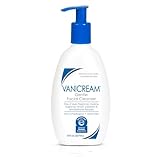
Vanicream Gentle Facial Cleanser

7 ingredients. No fragrance, no SLS, no dyes. The safest cleanser for PD — dermatologist #1 recommendation.

Check Price on Amazon →
Best Treatment$10–$14

The Ordinary Azelaic Acid 10%

OTC gold standard for PD. Anti-inflammatory + antimicrobial + keratolytic triple action at a fraction of prescription cost.

Check Price on Amazon →
Best Sunscreen$30–$39

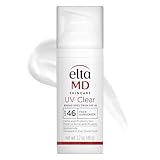
EltaMD UV Clear SPF 46

Mineral zinc oxide + niacinamide. The most-prescribed sunscreen by dermatologists for inflammatory skin conditions.

Check Price on Amazon →
Essential Toothpaste$8–$11

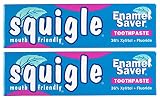
Squigle Enamel Saver

SLS-free. Eliminates the #1 toothpaste-related PD trigger that most people overlook.

Check Price on Amazon →

What Is Perioral Dermatitis (And Why Is It So Hard to Treat?)

Perioral dermatitis (PD) is a red, bumpy, sometimes scaly rash that typically develops around the mouth, but can also appear around the nose or eyes. It affects about 1% of the population, disproportionately affecting women in their 20s–40s. The condition is frustrating because it's frequently misdiagnosed as acne, eczema, or a simple allergic reaction — leading to treatment approaches that actually make it worse.

The classic PD presentation is a cluster of small red papules (bumps) in the perioral zone that might feel itchy, tight, or burned. Some people develop scaling or pustules. Many sufferers describe it as feeling like their skin is "raw" or "irritated" — because it is. The skin barrier is genuinely compromised.

The Core PD Triggers (And Why They're Hard to Avoid)

PD isn't a random skin condition — it has identifiable triggers that cause flares. The most common:

  • Sodium Lauryl Sulfate (SLS) in toothpaste: This is the #1 overlooked trigger. SLS is a foaming agent in 90% of conventional toothpastes (Colgate, Crest, Sensodyne). During brushing, SLS foam drips down the chin and directly contacts the perioral zone, triggering inflammation. Most people never make this connection.
  • Topical steroids (the rebound trap): Doctors often prescribe hydrocortisone or other topical steroids for PD rashes. The steroid temporarily suppresses inflammation, giving the appearance of improvement. But when you stop using the steroid, PD rebounds — often worse than before. This creates a dependency cycle where people feel forced to keep using steroids despite knowing they're harmful long-term.
  • Fragrance and "masking fragrance": Even products labeled "unscented" or "fragrance-free" can contain fragrance chemicals hidden as "masking fragrance" to cover the smell of other actives. Real fragrance and fragrance-adjacent chemicals are documented PD triggers.
  • Heavy moisturizers and occlusive ingredients: Ironically, trying to "heal" PD with rich moisturizers often worsens it. Thick creams with lanolin, silicones, or heavy oils create an environment where bacteria thrive and inflammation spreads.
  • Essential oils in "natural" products: Tea tree oil, lavender, eucalyptus, and peppermint are common in natural skincare marketed for "irritated skin," but they're documented PD triggers. They're too potent for a compromised barrier.
  • Chemical sunscreens: Avobenzone, octinoxate, and oxybenzone (common UV filters in chemical sunscreens) are associated with PD flares. The skin barrier is too compromised to tolerate chemical filters.

The brutal part of PD: most people with the condition are unwittingly using products that trigger it. They buy "gentle" or "natural" products, thinking they're helping — but those products contain fragrance, essential oils, or other irritants that perpetuate the flare cycle.

Why Standard Skincare Makes PD Worse

Standard skincare routines assume a healthy skin barrier. Toners, serums, active ingredients, exfoliants — all designed to optimize healthy skin. PD requires the opposite philosophy: minimization and barrier repair.

Most products marketed as "gentle" or "for sensitive skin" still contain 10-20 ingredients, including emulsifiers, preservatives, and fragrance compounds. For someone with an actively inflamed perioral zone, every additional ingredient is a potential trigger. A truly PD-safe product is ruthlessly minimal: 5-7 key ingredients, maximum.

The solution isn't expensive. It's not complicated. It's the opposite: strip your routine to absolute bare minimum, eliminate every known trigger, and use one or two evidence-backed actives (azelaic acid being the gold standard). Then wait 4-8 weeks for your barrier to heal.

The PD-Safe Routine: What Actually Works

Morning routine:

  • Vanicream or CeraVe Hydrating Cleanser (fragrance-free, SLS-free, minimal ingredients)
  • La Roche-Posay Toleriane Double Repair Moisturizer (lightweight, ceramides, niacinamide)
  • EltaMD UV Clear SPF 46 (mineral-based zinc oxide, no chemical sunscreen filters)

Evening routine:

  • Vanicream or CeraVe Hydrating Cleanser
  • The Ordinary Azelaic Acid 10% (wait 15-20 minutes for absorption)
  • Vanicream Moisturizing Cream or Aquaphor (heavy occlusive for barrier sealing)

Daily non-negotiable:

  • Squigle Enamel Saver Toothpaste (SLS-free, the single easiest PD trigger to eliminate)

Timeline expectations: 4-8 weeks to see visible improvement in redness and bumps. 3-6 months for complete resolution. The key variable: trigger elimination. If you're still using SLS toothpaste, fragranced products, or topical steroids, nothing else will work.

The 5 Hidden PD Triggers In Your Bathroom (And How to Eliminate Them)

Most people with perioral dermatitis unknowingly own products that trigger it. Here's how to identify and replace each trigger:

Trigger #1: SLS in Toothpaste

The mechanism: Sodium Lauryl Sulfate is a foaming agent that strips oils from your teeth and gums. During brushing, SLS foam runs down your chin and directly contacts the perioral zone, stripping the already-compromised skin barrier and triggering PD inflammation.

How to check: Look at your toothpaste ingredients. If you see "sodium lauryl sulfate" or "SLS" in the first 5 ingredients, switch immediately. Most major brands contain it: Colgate, Crest, Sensodyne, Aquafresh, Tom's of Maine.

What to switch to: Squigle Enamel Saver is the best option specifically designed for PD prevention. Other SLS-free options include Hello, Jason, Sensodyne SLS-free versions, or Toms SLS-free formulations.

Trigger #2: Fragrance in "Gentle" Products

The mechanism: Even "fragrance-free" products can contain fragrance chemicals. Manufacturers hide fragrance under the term "masking fragrance" — fragrance chemicals added to cover the smell of actives. The distinction between "fragrance-free" and "unscented" is crucial: fragrance-free means zero fragrance molecules; unscented may still contain masking fragrance.

How to check: Read the ingredient list. Look for: "fragrance," "parfum," "essential oils," "plant extracts" (which are often fragrant), and "masking fragrance." If these appear anywhere, it's not PD-safe.

What to switch to: Products that explicitly state "fragrance-free" with minimal ingredient lists. Vanicream, CeraVe Hydrating (not Moisturizing), EltaMD, and Aquaphor are all reliably fragrance-free.

Trigger #3: Topical Steroids (The Rebound Trap)

The mechanism: Hydrocortisone and other topical steroids suppress inflammation temporarily. For PD specifically, steroids work great for 1-2 weeks, then the inflammation roars back even stronger when you stop. This creates a rebound cycle where your skin feels "addicted" to the steroid.

How to check: Look at any prescription creams or over-the-counter hydrocortisone you've been using. If you've been using topical steroids for more than 2 weeks for your PD, you're likely in a rebound cycle.

What to switch to: Azelaic acid (The Ordinary 10% or prescription Finacea 15-20%). It treats PD without rebound. Metronidazole cream or oral doxycycline are also dermatologist options that don't cause rebound.

Trigger #4: Chemical Sunscreens

The mechanism: Chemical sunscreens (avobenzone, octinoxate, oxybenzone) work by absorbing UV light and converting it to heat. These molecules are known to trigger PD flares in susceptible individuals. The compromised PD skin barrier is too permeable to tolerate chemical filters.

How to check: Look for "avobenzone," "octinoxate," "oxybenzone," or "octocrylene" in your sunscreen ingredient list. If present, you need to switch.

What to switch to: Mineral sunscreens using zinc oxide and/or titanium dioxide as the only active filters. EltaMD UV Clear is specifically formulated for PD/rosacea skin. Vanicream, Blue Lizard, and CeraVe Mineral SPF are also safe options.

Trigger #5: Essential Oils in "Natural" Products

The mechanism: Essential oils like tea tree, lavender, eucalyptus, and peppermint are highly potent plant compounds. They're marketed as "natural remedies" for irritated skin, but for someone with a compromised PD barrier, they're too strong and trigger severe flares.

How to check: Scan ingredient lists for: tea tree oil, lavender oil, eucalyptus oil, peppermint oil, lemon oil, rose oil, chamomile oil, or any "essential oil blend."

What to switch to: Simple, minimal formulations with no essential oils. The products on this list are all essential-oil-free by design.

The practical action: Spend 30 minutes tonight going through your skincare cabinet and toothpaste. For each product, check the ingredient list against these 5 triggers. Anything with SLS, fragrance, steroids, chemical sunscreens, or essential oils gets replaced. This single action will likely solve 60-70% of your PD flares.

The 8 Best Perioral Dermatitis Products on Amazon

Vanicream Gentle Facial Cleanser
1

Vanicream Gentle Facial Cleanser

Best Cleanser

Fragrance-free, SLS-free, soap-free, non-foaming facial cleanser with only 7 ingredients. Dermatologist-recommended for perioral dermatitis, eczema, and rosacea. No dyes, no lanolin, no parabens, no formaldehyde releasers. The non-foaming formula is critical — foaming agents strip the skin barrier that PD has already compromised. Gentle enough for twice-daily use even during active flares.

✓ Why GiftedPicks chose this

Vanicream is the #1 dermatologist recommendation for perioral dermatitis for a reason: the ingredient list is ruthlessly minimal. Most cleansers marketed as "gentle" still contain 15-20 ingredients including hidden fragrance, preservatives, or surfactants that trigger PD flares. Vanicream strips all of that out. The non-foaming formula preserves the skin barrier instead of stripping it. If you have PD and are still using a foaming cleanser, switching to Vanicream is the single highest-impact change you can make.

⚠ Not ideal for

Those who prefer a foaming or lathering cleanser experience. Oily skin types who feel they need a stronger cleanse — Vanicream is gentle by design. Those who want anti-aging actives in their cleanser.

Est. range: $8–$12
View on Amazon →
CeraVe Hydrating Facial Cleanser
2

CeraVe Hydrating Facial Cleanser

Best Alternative Cleanser

Fragrance-free, non-foaming cream cleanser with 3 essential ceramides (1, 3, 6-II) and hyaluronic acid. 16 fl oz pump bottle. The ceramide complex actively repairs the skin barrier while cleansing — addressing both surface dirt removal and barrier restoration simultaneously. MVE hydration technology provides sustained moisture release over 24 hours. Non-comedogenic and dermatologist-developed.

✓ Why GiftedPicks chose this

CeraVe adds barrier repair benefits that Vanicream does not. The three ceramides match those naturally found in skin, replenishing what PD inflammation has depleted. For PD sufferers whose skin feels chronically dry and tight, the hyaluronic acid provides hydration during the cleansing step rather than just after. The 16oz pump bottle is also more hygienic than tub containers — important when your skin barrier is compromised.

⚠ Not ideal for

Those with PD triggered by fatty alcohols (CeraVe contains cetearyl alcohol — most people tolerate it, but a small subset reacts). Those who prefer a truly minimal ingredient list — Vanicream is simpler.

Est. range: $12–$18
View on Amazon →
EltaMD UV Clear Broad-Spectrum SPF 46
3

EltaMD UV Clear Broad-Spectrum SPF 46

Best Sunscreen

Mineral-based (9% zinc oxide) facial sunscreen with niacinamide, hyaluronic acid, and vitamin E. Oil-free, fragrance-free, non-comedogenic. Lightweight, sheer formula that absorbs without white cast. Specifically formulated for sensitive, acne-prone, and rosacea-prone skin. The niacinamide actively calms inflammation while providing UV protection — dual-action for PD sufferers.

✓ Why GiftedPicks chose this

Mineral sunscreen is non-negotiable for perioral dermatitis — chemical sunscreens (avobenzone, octinoxate, oxybenzone) are documented PD triggers in dermatological literature. EltaMD UV Clear uses zinc oxide as the sole active UV filter, which is anti-inflammatory by nature. The added niacinamide at 5% concentration reduces redness and strengthens the skin barrier. This is the most-prescribed sunscreen by dermatologists for inflammatory skin conditions, and for good reason.

⚠ Not ideal for

Budget shoppers — EltaMD is premium priced. Those wanting a tinted sunscreen for color correction (the untinted version is sheer but not color-correcting). Those with zinc oxide sensitivity (rare but possible).

Est. range: $30–$39
View on Amazon →
Vanicream Moisturizing Skin Cream
4

Vanicream Moisturizing Skin Cream

Best Moisturizer

Ultra-minimal moisturizer with only 5 key ingredients: white petrolatum, sorbitol, cetearyl alcohol, propylene glycol, and purified water. 16 oz tub. Free of dyes, fragrance, masking fragrance, lanolin, parabens, and formaldehyde releasers. Thick occlusive formula that seals moisture in and protects the compromised barrier. The petrolatum base creates a physical barrier that prevents transepidermal water loss during active PD flares.

✓ Why GiftedPicks chose this

When your skin barrier is actively broken down by perioral dermatitis, you need a moisturizer that does one thing exceptionally well: seal and protect. Vanicream Moisturizing Cream is the gold standard because it provides maximum occlusion with minimum risk of irritation. The petrolatum base is the most evidence-backed occlusive in dermatology. During active flares, this is the safest moisturizer you can apply.

⚠ Not ideal for

Those who dislike heavy, greasy textures (this is a thick cream). Oily or acne-prone skin types who need a lighter moisturizer. Daytime use under makeup — the texture is too heavy for most.

Est. range: $10–$15
View on Amazon →
The Ordinary Azelaic Acid Suspension 10%
5

The Ordinary Azelaic Acid Suspension 10%

Best Treatment

10% azelaic acid in a lightweight cream suspension. 30ml tube. Azelaic acid is clinically proven to treat perioral dermatitis, rosacea, and acne simultaneously. It works through three mechanisms: anti-inflammatory (reduces PD redness), antimicrobial (targets the bacteria implicated in PD), and keratolytic (gently unclogs pores without irritation). Unlike topical steroids — which cause PD rebound — azelaic acid treats the condition without worsening it.

✓ Why GiftedPicks chose this

Azelaic acid is the OTC gold standard for perioral dermatitis treatment. Dermatologists routinely prescribe 15-20% azelaic acid (Finacea) for PD. The Ordinary offers 10% at a fraction of the prescription cost, which is strong enough for most mild-to-moderate PD while being gentle enough for daily use. The three-mechanism action (anti-inflammatory + antimicrobial + keratolytic) addresses PD from multiple angles simultaneously. No other OTC active ingredient has this triple action for PD.

⚠ Not ideal for

Severe PD that requires prescription-strength treatment (15-20% azelaic acid or oral antibiotics). Those with very sensitive skin who need to start at a lower percentage. Those who dislike the slightly gritty texture of azelaic acid suspensions.

Est. range: $10–$14
View on Amazon →
La Roche-Posay Toleriane Double Repair Moisturizer
6

La Roche-Posay Toleriane Double Repair Moisturizer

Best Daytime Moisturizer

Lightweight, fragrance-free facial moisturizer with ceramide-3, niacinamide, and La Roche-Posay prebiotic thermal water. 2.5 fl oz tube. SPF 30 version also available. The ceramide-3 repairs the damaged skin barrier, niacinamide at 4% calms inflammation and reduces redness, and the prebiotic thermal water supports the skin microbiome. Oil-free formula absorbs quickly without residue.

✓ Why GiftedPicks chose this

La Roche-Posay Toleriane is the daytime moisturizer complement to Vanicream at night. Where Vanicream is heavy and occlusive (ideal for nighttime barrier sealing), Toleriane is lightweight and absorbs quickly — making it suitable under sunscreen and makeup. The niacinamide actively reduces PD redness over time. The prebiotic thermal water is unique: PD involves microbiome disruption on facial skin, and prebiotics help restore healthy bacterial balance.

⚠ Not ideal for

Those who need maximum occlusion during severe flares (Vanicream is better for that). Budget shoppers — it costs more per ounce than Vanicream. Those who prefer a completely minimal ingredient list.

Est. range: $18–$24
View on Amazon →
Squigle Enamel Saver Toothpaste
7

Squigle Enamel Saver Toothpaste

Essential Toothpaste

SLS-free (sodium lauryl sulfate-free) toothpaste specifically formulated to prevent perioral dermatitis, canker sores, and chapped lips. Contains 36% xylitol for cavity prevention without SLS irritation. Fluoride-free. No artificial flavors, no harsh mint. The SLS-free formulation eliminates the #1 toothpaste-related PD trigger — SLS foam running down the chin during brushing directly contacts and inflames the perioral area.

✓ Why GiftedPicks chose this

SLS in standard toothpaste (Colgate, Crest, Sensodyne) is one of the most common and overlooked perioral dermatitis triggers. SLS foam drips onto the chin and around the mouth during brushing, directly contacting the perioral zone. Squigle eliminates SLS entirely while maintaining cavity protection through xylitol. Multiple dermatologists specifically recommend Squigle for PD patients. If you have perioral dermatitis and have not switched to SLS-free toothpaste, this is one of the easiest potential fixes.

⚠ Not ideal for

Those who want strong mint flavor (Squigle has mild mint). Those who prefer fluoride toothpaste (Squigle has fluoride-containing versions available separately). Those who want whitening agents in their toothpaste.

Est. range: $8–$11
View on Amazon →
Aquaphor Healing Ointment
8

Aquaphor Healing Ointment

Barrier Repair

41% petrolatum-based healing ointment with panthenol (pro-vitamin B5), glycerin, and bisabolol. 14 oz jar. Fragrance-free, preservative-free, dye-free. Creates an occlusive seal over damaged skin that prevents moisture loss and protects against environmental irritants. Dermatologist-recommended for post-procedure healing, cracked skin, and barrier repair. Can be used as a thin layer over azelaic acid at night.

✓ Why GiftedPicks chose this

Aquaphor serves a specific role in the PD routine: nighttime barrier sealing over active treatment. Apply azelaic acid, wait 15-20 minutes for absorption, then apply a thin layer of Aquaphor over the perioral zone. The petrolatum seal locks in the treatment and prevents transepidermal water loss overnight. During severe flares, Aquaphor alone (without actives) provides protective relief. The panthenol and bisabolol add anti-inflammatory and soothing benefits beyond plain petrolatum.

⚠ Not ideal for

Daytime use (too greasy under makeup/sunscreen). Those who dislike petroleum-based products. Oily skin types — the occlusive nature can feel heavy. Those with lanolin sensitivity (Aquaphor contains lanolin alcohol).

Est. range: $10–$15
View on Amazon →

When to See a Dermatologist (And What to Ask For)

The PD-safe routine on this page works for most mild-to-moderate cases. But some people need prescription-strength treatment. Here's when to escalate to a dermatologist:

  • After 8 weeks of consistent routine, you haven't seen improvement: You may need prescription-strength azelaic acid (Finacea 15-20%), metronidazole cream, or oral antibiotics.
  • Your PD is severe with pustules and deep inflammation: Oral doxycycline or minocycline at sub-antimicrobial doses (low-dose doxycycline) is standard treatment.
  • You're in a topical steroid rebound cycle: You need a dermatologist's guidance to taper off steroids safely while introducing azelaic acid or metronidazole.

What to tell your dermatologist:

  • Bring a list of your current products — they can identify specific triggers you might have missed.
  • Tell them explicitly: "I have perioral dermatitis" — not "rash around my mouth." This ensures you get PD-specific treatment, not generic eczema or acne treatment.
  • Ask about PD specifically, not broader "sensitive skin" solutions.
  • If they prescribe topical steroids, ask for an alternative. Request azelaic acid, metronidazole, or oral doxycycline instead.

Prescription options your dermatologist might recommend:

  • Metronidazole 0.75% cream: Antimicrobial and anti-inflammatory. Works specifically for PD. Often prescribed as first-line treatment.
  • Azelaic acid 15-20% (Finacea): Stronger than OTC 10%. Highly effective for PD.
  • Oral doxycycline at low dose: 50-100mg daily (below the antimicrobial threshold). Works for rosacea and PD without creating antibiotic resistance. Takes 4-8 weeks to show results.

Important note: This page provides information about perioral dermatitis and Amazon products. It does not constitute medical advice. If you suspect you have PD, especially severe PD, consult a board-certified dermatologist for diagnosis and treatment planning.

How We Selected these products

The GiftedPicks team evaluates Amazon products against five criteria before any pick makes our lists. Here's exactly what we look for:

Review threshold

Strong customer satisfaction based on extensive review analysis. — not inflated by one-time purchase incentives.

📈

Trending signal

Tracked against current Amazon search trends and GiftedPicks keyword data to confirm buyer demand exists before we recommend.

💰

Price-to-value

Compared against category alternatives at similar price points. We flag when a pricier option genuinely outperforms its cheaper alternatives.

🔄

Review consistency

We weight recent reviews over historical ones. A product with consistent praise over 12+ months outranks one that spiked and faded.

⚠️

Honest tradeoffs

Every pick includes what it's not ideal for. If a product doesn't suit a specific hair type, budget, or use case, we say so.

As an Amazon Associate, GiftedPicks earns a commission when you purchase through our links — at no extra cost to you. Our editorial process is independent of this.

You Might Also Like

What Reddit Communities Are Saying

Real discussions from verified Reddit users — not sponsored content

Reddit communities provide authentic peer reviews and recommendations, helping shoppers discover products that genuinely deliver on their promises.

Popular search: “perioral dermatitis safe products amazon reddit

GP

GiftedPicks Editorial Team

Product Research & Editorial

The GiftedPicks editorial team researches thousands of Amazon products, analyzes customer review patterns, cross-references clinical studies and community recommendations, and writes original editorial content for every list. We never accept payment from brands for placement or ranking.

Fact-checked April 2026Sources citedNo paid placements

8 expert-reviewed picks curated by the GiftedPicks team

View All Picks on Amazon
8.5
/10

GiftedPicks Score

Explore Related Topics

Share:

The Bottom Line: Your Complete PD-Safe Routine

Perioral dermatitis is frustrating because it's often self-perpetuated: people use products they think are safe, but those products trigger flares. The cycle continues until the underlying triggers are identified and eliminated.

The routine on this page breaks that cycle. It's not complicated. It's not expensive. It's specifically designed around what dermatological research has shown actually works for PD:

  • Fragrance-free, minimal-ingredient cleanser: Vanicream or CeraVe Hydrating
  • Azelaic acid as the active treatment: The Ordinary 10% (OTC gold standard)
  • Mineral sunscreen only: EltaMD UV Clear to prevent UV damage without triggering flares
  • SLS-free toothpaste: Squigle eliminates the #1 overlooked trigger
  • Heavy occlusive moisturizer for nighttime barrier repair: Vanicream or Aquaphor

The realistic timeline: 4-8 weeks to see visible improvement. 3-6 months to full resolution. The most important variable is trigger elimination. If you're still using SLS toothpaste or fragranced skincare, your routine can't work. Commit to switching everything on this list, then give it 6-8 weeks.

If after 8 weeks nothing has improved: See a dermatologist. You may need prescription-strength azelaic acid, metronidazole, or oral doxycycline. PD is treatable — you just need to eliminate triggers and use evidence-backed actives.

Frequently Asked Questions

What is perioral dermatitis and why is it so hard to treat?

Perioral dermatitis is a red, bumpy, sometimes scaly rash around the mouth, nose, or eyes. It's often misdiagnosed as acne or eczema. The core triggers are fragrance, SLS in toothpaste, topical steroids (ironically, what doctors prescribe), and heavy moisturizers. The steroid trap is real: steroids temporarily suppress PD, but when discontinued, PD rebounds worse. The solution is stripping your routine to bare minimum, eliminating all triggers, and using azelaic acid as the treatment.

How long does perioral dermatitis take to heal?

With a consistent PD-safe routine, most people see improvement within 4-8 weeks. Complete resolution can take 3-6 months. The key variable is trigger elimination — if you're still using SLS toothpaste, fragranced products, or topical steroids, the timeline resets. Azelaic acid at 10% typically shows visible redness reduction within 2-4 weeks of consistent use.

Can I wear makeup with perioral dermatitis?

Yes, but only mineral-based, fragrance-free makeup. Look for products containing zinc oxide or titanium dioxide as the base. Avoid liquid foundations with dimethicone or silicone bases during active flares. bareMinerals Original Foundation and Physician's Formula Mineral Wear are commonly tolerated by PD sufferers. Always remove makeup with a PD-safe cleanser.

Does perioral dermatitis go away on its own?

It can, but it often takes months or even years without intervention. Eliminating triggers (especially SLS toothpaste and topical steroids) significantly speeds recovery. Most dermatologists recommend active treatment with azelaic acid or prescription topicals rather than waiting for spontaneous resolution.

Why did my doctor prescribe hydrocortisone for perioral dermatitis?

This is a common mistake. Topical steroids (including hydrocortisone) temporarily suppress PD inflammation, creating the illusion of improvement. However, when discontinued, PD rebounds — often worse than before. This creates a dependency cycle. If your doctor prescribed topical steroids for PD, discuss alternative treatments like azelaic acid, metronidazole, or oral antibiotics.

GiftedPicks Team Selection

Ready to start your PD-safe routine?

All 8 products available on Amazon with fast shipping.

View on Amazon