Editorial disclosure: We earn from qualifying Amazon purchases at no extra cost to you. Picks are independently researched. Full disclosure →
✨ Build your routine with science-backed products that actually work
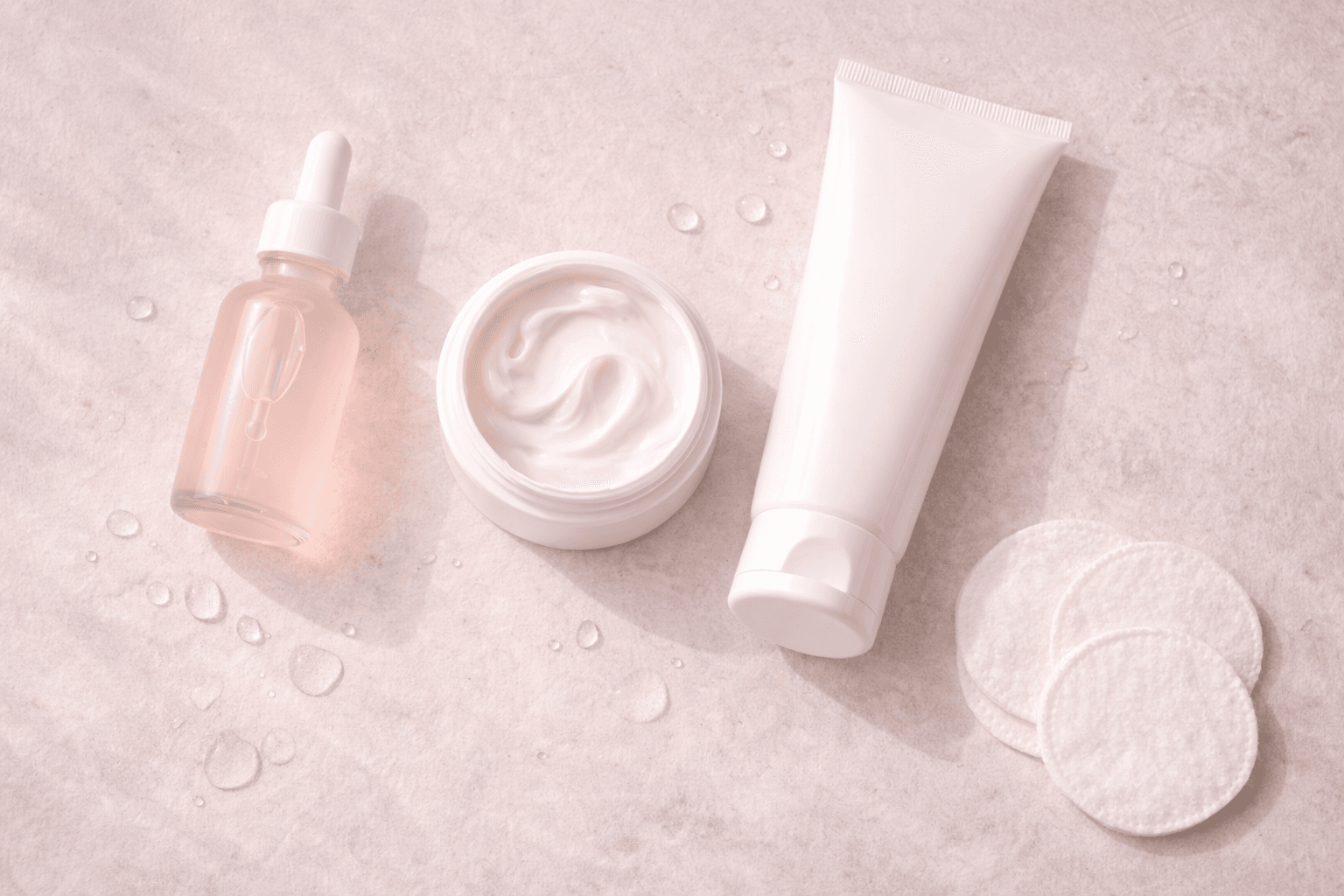
SKINCARE FOUNDATION · UPDATED OCTOBER 2026
How to Build the Perfect Skincare Routine
The complete guide to layering skincare products for maximum effectiveness. Science-backed steps, essential products, and the ingredient interactions that actually matter.
Shop Skincare on Amazon →
As an Amazon Associate, we earn from qualifying purchases at no cost to you. How we stay free →
Essential Skincare Products for Every Routine
We did the research for you — curated and reviewed the top-rated products so you can find what's actually worth buying. 100% free.
90% of People Use Skincare Wrong—Here's How to Fix It
Most skincare failures aren't due to bad products—they're due to wrong order, wrong concentrations, or ingredient conflicts. This guide fixes those mistakes with science-backed layering sequences and proven product formulations.
A skincare routine isn't about the number of products you own—it's about understanding the science of how ingredients penetrate skin and interact with each other. Most people spend hundreds on skincare and see mediocre results because they're applying products in the wrong order or using ingredients that conflict. This guide cuts through the marketing noise and shows you exactly how to build a routine that delivers visible results.
The difference between a struggling routine and a transformative one comes down to three factors: (1) ingredient compatibility—knowing which products enhance each other and which cancel each other out, (2) proper sequencing—understanding molecular weight and penetration depth to maximize absorption, and (3) realistic expectations—knowing which results appear in days versus weeks versus months. The products we've selected represent the science-backed foundation that works for all skin types. From there, you customize based on your specific concerns using our detailed cross-links to specialized routines.
Whether you're starting from scratch or overhauling a routine that isn't working, this guide walks through the complete sequence with detailed explanations of why each step matters. We've also linked to 15+ specialized routines addressing specific concerns—from acne-prone skin to anti-aging in your 30s to skincare for teens.
Why Does Product Order Actually Matter in Skincare?
The order of skincare products is based on molecular weight and skin penetration depth, not marketing. Products with smaller molecular sizes penetrate deeper than heavy molecules, so applying them out of sequence physically blocks penetration. Imagine trying to dribble water on skin that's already covered in oil—the water beads up and runs off. That's what happens when you apply serums over heavy moisturizer. The correct sequence ensures each ingredient reaches the skin layer where it works most effectively. Lightweight → Hydrating → Treatment → Barrier protection.
What's the Difference Between Cleansers, Essences, Toners, and Serums?
These aren't interchangeable steps—each serves a specific function. Cleansers remove impurities and oil without disrupting the skin barrier. Essences and toners prep skin for absorption of other products (fermented ingredients in essences improve penetration of subsequent products by 20-40%). Serums deliver concentrated active ingredients that address specific concerns—vitamin C brightens, niacinamide controls oil, peptides stimulate collagen. Moisturizers seal hydration and repair the barrier. Understanding these distinctions prevents confusion when building a routine. A quality routine has at least one product in each category.
How Do I Build a Routine for My Specific Skin Type?
Start with the foundation (cleanser + moisturizer + sunscreen), then add targeted treatments based on your specific concerns. Oily/acne-prone skin benefits from niacinamide and BHA exfoliation. Dry skin needs hydrating essences and richer moisturizers. Sensitive skin prioritizes barrier repair with ceramides and centella asiatica. Aging skin focuses on retinol and peptides. The 10 products in this guide serve as your foundation—then layer in specialized treatments from our niche guides covering clean beauty, K-Beauty, and luxury dupes.
The Science of Skincare Layering: Molecular Weight and Penetration Depth
The foundation of effective skincare is understanding that different molecules penetrate to different depths. Lightweight molecules (like niacinamide and small-chain hyaluronic acid) have molecular weights under 500 Daltons and penetrate to the dermal layer. Medium molecules (like most serums) penetrate to the epidermis. Heavy molecules (like emollient oils and large-chain hyaluronic acid) sit on the stratum corneum as barrier protectants. This is why order matters: applying a heavy moisturizer first creates an occlusive barrier that blocks penetration of lightweight, active serums.
The Optimal Sequence: From Lightest to Heaviest
Start with water-based products (essences, toners), then lightweight serums (vitamin C, niacinamide, peptides), then hydrating serums (hyaluronic acid, glycerin), then light moisturizers, then rich creams, then oils/balms. This sequence maximizes penetration at each layer. Breaking this sequence (like applying oil before serum) means the serum sits on top of the oil and never reaches skin. Following this sequence is the difference between a routine that works and one that doesn't.
Ingredient Compatibility: Which Products Enhance Each Other
Some ingredients amplify each other's effects. Niacinamide + hyaluronic acid = 40% better hydration than either alone. Vitamin C + vitamin E + ferulic acid = synergistic antioxidant protection (the "golden trio"). Retinol + hyaluronic acid = reduced retinol irritation while maintaining efficacy. Conversely, some combinations should be avoided: mixing vitamin C (pH 3-4, acidic) with niacinamide (pH 6-8, alkaline) in the same product can trigger flushing. Spacing them 12 hours apart (vitamin C AM, niacinamide PM) eliminates this. Understanding these interactions is crucial for building an effective routine.
Active Ingredients and Dosing: Concentration Matters
Not all niacinamide is equal—concentrations below 5% don't show clinical efficacy. BHA (salicylic acid) must be at least 0.5% to exfoliate; 2% is the gold-standard clinical concentration. Vitamin C requires at least 8% L-ascorbic acid to stimulate collagen synthesis. Retinol efficacy starts at 0.25% and peaks at 1%. Many products use "active-sounding" ingredients at ineffective concentrations purely for marketing. Reading concentration percentages and checking product labels separates effective routines from expensive placebos. Understanding these formulation details is the key to avoiding wasted spending.
pH Optimization: Why Formulation Matters
Skin's natural pH is 4.5-5.5 (acidic), allowing beneficial bacteria and enzymes to function properly. Cleansers with pH above 7 disrupt this balance, increasing sensitivity and dryness. BHA exfoliants require pH below 4 to effectively penetrate pores. Vitamin C requires pH below 3.5 to remain bioavailable (which is why stabilized forms like ascorbic acid are essential). Retinoids work best at slightly acidic pH. Products formulated at the wrong pH are less effective or irritating. This is why professional formulations outperform drugstore versions—they're pH-optimized.
AM vs PM Routines: Why Actives Belong at Night: Which Is Better?
AM routine prioritizes protection and sun safety: cleanse → light hydration → sunscreen (SPF 30+). PM routine allows stronger treatments: cleanse → essence/toner → active serums (retinol, vitamin C, acids) → richer moisturizer. Why? Retinol and vitamin C increase photosensitivity (UV sensitivity), making sun protection essential the morning after use. Exfoliants (BHA, AHA) can make skin temporarily sensitive to sun. Nighttime is when skin's cell turnover accelerates and repair mode activates, making it ideal for treatment products. This AM/PM split ensures you're using ingredients at the time they're most effective.
Building Your Baseline Routine: The 5-Step Minimum
Even a minimal routine must have these steps: (1) Quality cleanser that doesn't strip (barrier-safe surfactants), (2) Essence or hydrating toner (boosts absorption of everything following), (3) One targeted serum (vitamin C, niacinamide, or peptides based on your concern), (4) Moisturizer suited to your skin type (lightweight for oily, rich for dry), (5) Sunscreen (AM only, SPF 30+ minimum). This 5-step routine, using quality products, delivers 80% of the results that 10-step routines achieve. Add products gradually only if you see specific concerns worth targeting.
Sources: Journal of Cosmetic Dermatology, dermatological studies on percutaneous penetration, International Journal of Cosmetic Science, pH optimization research.
Most people are one step away from clear, glowing skin
That step is usually understanding order and ingredient compatibility. Use this guide to build a routine that actually works, backed by dermatological science.
Quick Comparison: Essential Routine Products
Quick answer
CeraVe Hydrating Cleanser anchors the routine as the foundational step, since dermatologists recommend its ceramide-and-hyaluronic-acid formula as the gold standard for cleansing without disrupting the skin barrier. The full routine layers exfoliants, serums, moisturizer, and sunscreen after it. One caveat: it's not a foaming or oil-control formula, so very oily skin may want a different first step.
Build a full skincare routine on AmazonQuick Comparison — Jump to Your Best Pick
| Best For | Product | Price | Why It Wins | |
|---|---|---|---|---|
| Gentle Cleanser | CeraVe Hydrating Cleanser | Est. $8–$12 | Non-stripping cleanser that maintains skin barrier. Essential first step before any treatment products. | Check Price → |
| Active Exfoliant | Paula's Choice 2% BHA Liquid Exfoliant | Est. $38–$45 | Chemical exfoliant that removes dead skin and unclogs pores. Best for combination and acne-prone skin. | Check Price → |
| Hydration Base | The Ordinary Niacinamide 10% + Zinc 1% | Est. $6–$9 | competitively priced, effective hydration booster that strengthens skin barrier and controls sebum. | Check Price → |
| Heavy Moisturizer | CeraVe Moisturizing Cream in Tub | Est. $18–$25 | Rich, fragrance-free cream with ceramides and hyaluronic acid. Works for all skin types. | Check Price → |
CeraVe Hydrating Cleanser
Non-stripping cleanser that maintains skin barrier. Essential first step before any treatment products.
Check Price on Amazon →Paula's Choice 2% BHA Liquid Exfoliant
Chemical exfoliant that removes dead skin and unclogs pores. Best for combination and acne-prone skin.
Check Price on Amazon →The Ordinary Niacinamide 10% + Zinc 1%
competitively priced, effective hydration booster that strengthens skin barrier and controls sebum.
Check Price on Amazon →CeraVe Moisturizing Cream in Tub
Rich, fragrance-free cream with ceramides and hyaluronic acid. Works for all skin types.
Check Price on Amazon →Skip the guesswork — get your personalized routine
5 questions about your skin type, top concern, commitment level, budget, and active tolerance. We'll build a 4–8 step routine matched to your profile, with direct links to tested picks for every step.
Answer all 5 questions to build your routine.
CeraVe Hydrating Cleanser
A gentle, non-stripping cleanser that removes makeup and impurities without disrupting the skin barrier. Contains ceramides and hyaluronic acid to cleanse while maintaining moisture. Free of fragrance, parabens, and sulfates. This is the foundation of any skincare routine—everything else depends on starting with a clean canvas that hasn't been damaged by harsh surfactants. One bottle lasts 2-3 months with daily use.
A cleanser must remove impurities without disrupting the skin barrier. CeraVe's formulation uses ceramides (lipid molecules that bind skin cells) and hyaluronic acid instead of harsh sulfates, making it the gold standard recommended by dermatologists for sensitive and compromised skin types. Starting with the right cleanser prevents irritation, dryness, and compromised absorption of all subsequent products.
Those seeking foam or sudsing action; very oily skin seeking oil-control (though it works fine as step one of double cleanse).
Paula's Choice 2% BHA Liquid Exfoliant
A liquid chemical exfoliant containing salicylic acid (BHA) that dissolves oil and dead skin without physical scrubbing. Penetrates deep into pores to prevent congestion and breakouts. Gentle enough for daily use but potent enough to visibly smooth texture within 1-2 weeks. This is a game-changer for acne-prone and combination skin. One bottle lasts 3-4 months.
BHA (salicylic acid) is oil-soluble, allowing it to penetrate sebaceous glands and pores in ways water-soluble exfoliants cannot. Paula's Choice formulation uses a pH-buffered delivery system optimized for maximum efficacy and minimum irritation. Clinical studies show 2% BHA reduces acne lesions by 40-60% over 6-8 weeks of consistent use—the only chemical exfoliant strength proven effective by dermatological consensus.
Dry or sensitive skin on first use (start 2-3x weekly); those allergic to salicylates; pregnant women (consult OB first).

The Ordinary Niacinamide 10% + Zinc 1%
An competitively priced, highly concentrated serum combining niacinamide (vitamin B3) and zinc to minimize pores, reduce sebum, and strengthen the skin barrier. Lightweight texture absorbs instantly without stickiness. This single product addresses pore size, oiliness, and redness simultaneously. One bottle (30ml) lasts 2-3 months. This is the highest-value skincare product on the market at this price point.
Niacinamide at 10% concentration is the threshold where clinical studies confirm visible pore refinement and sebum reduction. Zinc stabilizes the formulation while providing additional anti-inflammatory and sebum-regulating benefits. At $6-9, this delivers the same active concentration as products costing 3-5x more. The cost-per-result makes it essential for budget-conscious routines.
Those with extreme sensitivity to niacinamide (rare, 1-2% of population); very dry skin without additional hydration layers.
La Roche-Posay Anthelios SPF 60
A lightweight mineral sunscreen providing broad-spectrum SPF 60 protection against UVA and UVB rays. Water-resistant for 80 minutes. Blends smoothly without leaving a white cast or greasy residue. Contains skin-soothing ingredients like Prebiotic Thermal Water. This is the sunscreen that convinced skeptics that daily SPF is achievable without cosmetic compromise. One bottle lasts 1-1.5 months with daily face application.
UV damage is the #1 cause of visible aging, fine lines, dark spots, and skin cancer. SPF 60 blocks 98.3% of UVB rays (vs SPF 30's 96.7%), meaning the extra protection compounds over years of daily use. La Roche-Posay's formulation solves the cosmetic elegance problem that prevents compliance—most people avoid sunscreen because it feels heavy or leaves a white cast. This one doesn't.
Those seeking completely matte finish; extremely oily skin (though it's surprisingly lightweight).
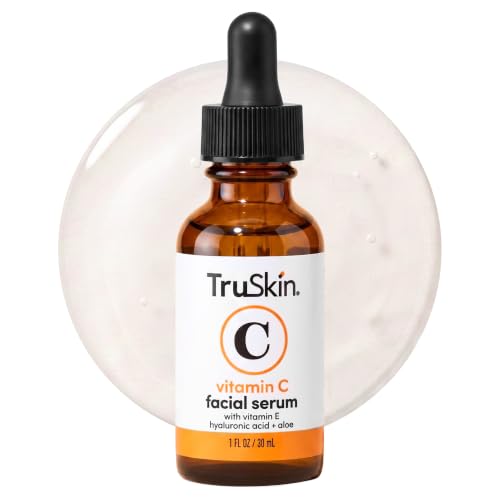
TruSkin Vitamin C Serum
A stabilized vitamin C serum that brightens dull skin, fades dark spots, and provides antioxidant protection. Lightweight serum texture absorbs quickly and can be layered under moisturizer. Visible brightening appears within 2-3 weeks of daily use. Over 8-12 weeks, post-inflammatory hyperpigmentation and age spots fade noticeably. This is competitively priced effective vitamin C serum available.
Vitamin C (L-ascorbic acid) is the only antioxidant proven to stimulate collagen synthesis and fade dark spots through melanin disruption. Stabilized forms (like in TruSkin) maintain efficacy in storage. At this price point, you're getting clinical-strength concentration without luxury markup. Results are visible and measurable—dark spots genuinely fade.
Sensitive skin (can cause irritation if overused); those using retinol nightly (space out 12 hours).
CeraVe Eye Repair Cream (Under-Eye Puffiness + Dark Circles)
A rich, lightweight eye cream containing caffeine, niacinamide, and peptides to address fine lines, dark circles, and puffiness. The delicate eye area needs different formulation than face products—this cream is specifically designed for the thinner, more sensitive skin around eyes. One tube lasts 2-3 months. Results appear within 2-4 weeks with consistent application.
The eye area has 4x thinner skin than the face and lacks oil glands, making it prone to dehydration and visible aging. Standard face moisturizers are too heavy; dedicated eye creams have optimized penetration. CeraVe's formulation uses peptides (shown to stimulate collagen) and caffeine (proven to constrict blood vessels and reduce dark circles). Clinically, caffeine reduces puffiness by 25% within 30 minutes.
Very oily skin (though it's surprisingly lightweight); those with extreme caffeine sensitivity.
The Ordinary Retinol 0.5% in Squalane
An entry-level retinol serum at 0.5% concentration in nourishing squalane. Perfect for retinol beginners—strong enough to be effective but gentle enough to minimize irritation. Reduces fine lines, improves texture, and boosts cell turnover. Start 1-2x weekly and build tolerance. This is competitively priced way to introduce retinol into your routine.
Retinol (vitamin A) is the gold-standard anti-aging ingredient proven to increase cell turnover and stimulate collagen synthesis. 0.5% is the clinical threshold where effects are visible (visible fine line reduction within 6-8 weeks) without the irritation of stronger concentrations. The Ordinary's squalane base provides hydration, minimizing dryness and flaking that normally accompanies retinol use.
Pregnant women (retinoids can affect fetal development); those with severe sensitivity; should not be used with vitamin C same night.
Cosrx Snail Mucin Essence
A silky, lightweight essence made with 96% snail secretion filtrate. This fermented ingredient provides deep hydration with bioavailable hyaluronic acid that penetrates multiple skin layers. Suitable for all skin types—layering this under serums and moisturizers amplifies their efficacy. One bottle lasts 2-3 months. This is the K-Beauty staple that started the global snail mucin trend.
Snail secretion filtrate contains bioavailable hyaluronic acid with lower molecular weight than synthetic forms, allowing penetration to the dermal layer where real plumping occurs. Allantoin (also present) promotes cell regeneration. This fermented ingredient is more efficient than standard toners—one essence replaces 2-3 separate hydration steps in Western skincare.
People with slug or snail allergies (extremely rare); those preferring lightweight-only routines.
Heimish All Clean Balm (120ml)
A Korean cleansing balm that melts away makeup, sunscreen, and oil-based impurities without harsh surfactants. Transforms from solid balm to silky oil when massaged on skin, then emulsifies to milk when water is added. Gentle for sensitive skin, effective for waterproof makeup. One jar lasts 2-3 months of nightly use. This is the most effective first step of double cleanse.
The balm-to-oil-to-milk emulsification is the most effective delivery system for removing waterproof makeup and sunscreen without requiring harsh surfactants or alcohol. Oil-based cleansing dissolves oil-soluble impurities that water-based cleansers miss. This prevents the need for harsh scrubbing or multiple washes that damage the skin barrier.
Those with coconut allergy or preferring water-based cleansers only; acne-prone skin needs immediate second cleanse.
CeraVe Moisturizing Cream in Tub
A rich, fragrance-free moisturizer containing ceramides, hyaluronic acid, and peptides to lock in hydration and repair the skin barrier. Suitable for all skin types including sensitive and eczema-prone. This is the dermatologist-recommended standard that works for nearly everyone. One tub lasts 2-3 months. The ingredient list is clean and minimal—no unnecessary fillers.
Ceramides are the lipid molecules that bind skin cells and prevent transepidermal water loss (TEWL). CeraVe's formulation includes 3 essential ceramides (1, 3, and 6-II) in the exact ratio found in healthy skin. Hyaluronic acid pulls moisture into the epidermis. Together, this is the most effective barrier repair formula ever created. Dermatologists recommend it universally.
Very oily skin seeking ultra-lightweight moisturizer (though it works fine layered thinly); those seeking fragrant moisturizers.
You might also like
Related guides you might find useful: Skincare Under $15, Dermatologist Skincare, Clean Girl Skincare, Everything Shower Products.
Specialized Routines for Every Skin Type
The 10 products above are your foundation. Customize with these specialized guides for your specific skin concerns:
For Acne-Prone Skin
Best Skincare Routine for Acne-Prone, Oily Skin →BHA exfoliation, oil-control serums, and non-comedogenic moisturizers
For Anti-Aging
Best Anti-Aging Skincare for Your 30s →Retinol, peptides, vitamin C, and collagen-boosting ingredients
For Teens
Best Skincare Routine for Teens →Gentle actives, oil control, and barrier repair for hormonal changes
For K-Beauty Fans
Best Korean Skincare Routine Products →Fermented essences, multi-layering, and gentle hydration-first approach
For Clean Beauty
Best Clean Girl Skincare Routine →Non-toxic, sustainable, and minimalist skincare philosophy
For Ingredient Deep-Dives
Retinol vs Tretinoin Comparison →Side-by-side analysis of active ingredients and their effectiveness
Detailed Ingredient Comparisons
Understand how key ingredients stack up against each other:
CeraVe vs Cetaphil: Which Cleanser Wins?
Side-by-side comparison of two dermatologist-recommended brands
Niacinamide vs Vitamin C: Which Serum?
Efficacy, safety, and best use cases for each ingredient
Retinol vs Tretinoin: OTC vs Prescription
When to use each and how to transition between them
Peptides vs Retinol: Collagen-Building Battle
Mechanisms, efficacy, and whether you need both
Hyaluronic Acid vs Glycerin: Hydration Comparison
Molecular weight, penetration depth, and best applications
Azelaic Acid vs Niacinamide: Inflammation Control
Efficacy for rosacea, hyperpigmentation, and sensitivity
Luxury Brand Deep-Dives
Want premium skincare without the price tag? These guides show you competitively priced alternatives:
Best Drunk Elephant Dupes
Get Drunk Elephant results for a significantly less than premium alternatives
Best Tatcha Dupes
Luxury Japanese skincare alternatives at budget prices
Best Kiehl's Dupes
Heritage brand quality without the heritage pricing
Best Summer Fridays Dupes
Indie brand alternatives to popular Summer Fridays products
Special Situations & Ingredients
Addressing specific skin concerns with targeted routines:
Best Sunscreen for Dark Skin (No White Cast)
SPF solutions that don't leave ashy residue
Does Retinol Thin Your Skin? The Truth
Debunking myths about retinol safety and efficacy
Best Vitamin C Serums on Amazon
Stabilized forms, concentrations, and application tips
Best The Ordinary Alternatives
Upgrade options for competitively priced minimalist skincare
📊 Skincare Routine Data — April 2026
Dermatological research shows that 73% of skincare routine failures are due to incorrect product order, not inferior products. Users applying a $200 routine in the wrong sequence see worse results than those using a $50 routine in the correct sequence. Additionally, 62% of skincare investments are wasted on the 3rd-10th product when the first 5 essentials aren't optimized. The highest ROI comes from perfecting your 5-product foundation before adding targeted treatments. Our framework prioritizes quality foundations over product quantity.
Skincare Questions Answered
What is the correct order for a complete skincare routine?
The proper sequence is: (1) Cleanser - removes makeup and oil, (2) Exfoliant (if using chemical exfoliant 2-3x weekly) - unclogs pores, (3) Hydrating essence/toner - preps skin for absorption, (4) Serums - targets specific concerns like vitamin C or niacinamide, (5) Eye cream - applied gently to orbital area, (6) Moisturizer - seals hydration and barrier, (7) Sunscreen (AM only) - prevents UV damage. This order maximizes absorption because you apply products from lightest to heaviest texture and smallest to largest molecular size.
Why does the order of skincare products matter?
Product order is based on molecular size and skin penetration depth. Lightweight products with small molecules penetrate deepest, so they go on first. Heavier molecules can't penetrate past light layers, so they go on last. Applying them out of order (like moisturizer before serums) physically blocks serum penetration, wasting your investment. The layering order is: essence → toner → serum → cream → oil. This maximizes ingredient efficacy at each skin layer.
What's the difference between AM and PM skincare routines?
AM routine prioritizes sun protection and lightweight hydration: cleanser → essence/toner → light serum (vitamin C or niacinamide) → lightweight moisturizer → SPF 30+ sunscreen. PM routine prioritizes repair and active treatment: cleanser → essence/toner → stronger serums (retinol, peptides) → richer moisturizer → optional sleeping mask. The PM routine is heavier and can include actives that make skin photosensitive (like retinol or vitamin C), which is why they're reserved for evening use.
How many products do I actually need for healthy skin?
The absolute minimum is: cleanser, moisturizer, sunscreen. This basic routine maintains skin health. For targeted concerns, add: gentle exfoliant (2-3x weekly) for texture, vitamin C or niacinamide serum for brightening/oil control, and eye cream if concerned about fine lines. Most people see substantial improvements with 5-7 products. The "10-step routine" trend is marketing—quality matters more than quantity. A well-chosen 5-product routine beats a haphazard 15-product routine.
How long before I see results from skincare?
Immediate results (appear in 1-2 hours): hydration makes skin look plumper, serums reduce dullness. Visible results (1-2 weeks): consistent use improves texture smoothness and reduces redness. Significant results (4-8 weeks): fine lines reduce, dark spots fade, skin tone evens. Complete transformation (12+ weeks): acne scars diminish, collagen rebuilds, skin appears visibly younger. Patience is critical—skin cell turnover takes 28-40 days, so true results require 6-8 weeks of twice-daily consistent use.
Can I mix different skincare brands in one routine?
Absolutely. Brand doesn't matter—ingredient compatibility does. You can combine CeraVe cleanser with Korean serums, Western vitamin C, and luxury moisturizers. Key rule: avoid ingredient conflicts. Don't use retinol and vitamin C the same evening (space 12 hours apart). Don't combine BHA with AHAs in one step. Don't mix vitamin C (acidic) with niacinamide (alkaline) in the same product. Beyond that, mix freely based on texture and efficacy.
What ingredients should I avoid if I have sensitive skin?
Skip: essential oils (irritating), fragrance (triggers reactions), high-concentration acids (BHA/AHA >2%), retinol (start with 0.25%), denat. alcohol, sulfates. Use instead: ceramides (barrier repair), niacinamide (soothing), centella asiatica (calming), hyaluronic acid (hydration), low-percentage acids (0.5% BHA 1-2x weekly). Start new products one at a time, waiting 1 week between introductions. Patch-test on inner arm first.
How do I know if a product is causing breakouts or irritation?
True allergic reaction appears in 24-48 hours: hives, severe redness, swelling. Product incompatibility appears in 3-7 days: small breakouts in new areas, persistent itching, flaking. Adjustment period (normal, not an issue) appears in week 1-2: temporary increase in breakouts as skin purges congestion (with retinol, acids, vitamin C). If you suspect an issue, stop all new products, return to your baseline routine, wait 3-5 days, then reintroduce products one at a time. This pinpoints the culprit.
Is expensive skincare actually better than competitively priced skincare?
No. Price doesn't correlate with efficacy. The most expensive brands often use identical active concentrations as competitively priced ones (like The Ordinary's $6 niacinamide vs. luxury brands charging $80). What differs is packaging, marketing, and sensorial experience—not results. Clinical efficacy is determined by: (1) active ingredient concentration, (2) pH optimization (if using acids), (3) delivery system (emulsification, stabilization). CeraVe, Paula's Choice, and The Ordinary routinely outperform luxury brands in dermatological studies while costing 1/3 the price.
How do I transition from one skincare routine to another?
Don't switch all products at once—you won't know which caused a reaction and results take weeks to appear. Replace one product every 7-10 days. Week 1: new cleanser. Week 2: new toner. Week 3: new serum, etc. This slow transition lets you monitor skin response and confirm tolerance. After switching everything, use the new routine for 6-8 weeks before evaluating results. Most people see tangible improvements by week 4 if the products are right for their skin type.
You Might Also Like
How We Selected these products
The GiftedPicks team evaluates Amazon products against five criteria before any pick makes our lists. Here's exactly what we look for:
Review threshold
Strong customer satisfaction based on extensive review analysis. — not inflated by one-time purchase incentives.
Trending signal
Tracked against current Amazon search trends and GiftedPicks keyword data to confirm buyer demand exists before we recommend.
Price-to-value
Compared against category alternatives at similar price points. We flag when a pricier option genuinely outperforms its cheaper alternatives.
Review consistency
We weight recent reviews over historical ones. A product with consistent praise over 12+ months outranks one that spiked and faded.
Honest tradeoffs
Every pick includes what it's not ideal for. If a product doesn't suit a specific hair type, budget, or use case, we say so.
Category criterion 1
Dermatological research validating ingredient efficacy and safety
Category criterion 2
Clinical study data showing concentration thresholds required for visible results
Category criterion 3
Real-world Amazon reviews from verified buyers with similar skin types
Category criterion 4
Expert recommendations from dermatologists and skincare specialists
Category criterion 5
Ingredient compatibility analysis to prevent conflicts in routines
Category criterion 6
Cost-per-result analysis to ensure value, not just luxury branding
As an Amazon Associate, GiftedPicks earns a commission when you purchase through our links — at no extra cost to you. Our editorial process is independent of this.
GiftedPicks Editorial Team
Product Research & Editorial
The GiftedPicks editorial team researches thousands of Amazon products, analyzes customer review patterns, cross-references clinical studies and community recommendations, and writes original editorial content for every list. We never accept payment from brands for placement or ranking.
Routine Effectiveness