


The complete foam roller buying guide
Foam rolling is one of those fitness tools where the science backs the practice — but the marketing has gotten ahead of what the research actually supports. This guide explains what foam rolling does (and doesn't do), how to pick the right tool for your recovery situation, and which technique mistakes will neutralize the benefit even with the best roller.
Should I buy a textured or smooth foam roller?
Textured foam rollers (TriggerPoint, RumbleRoller) outperform smooth ones for serious recovery because the texture creates pressure concentration on specific muscle fibers — the Pearcey 2015 trial used a textured roller, and most subsequent positive RCTs have followed suit. Smooth rollers work for beginners or pain-sensitive individuals, but if you're spending money to get the demonstrated DOMS-reduction effect, texture is worth it.
Standard rollers vs vibrating rollers — which is better?
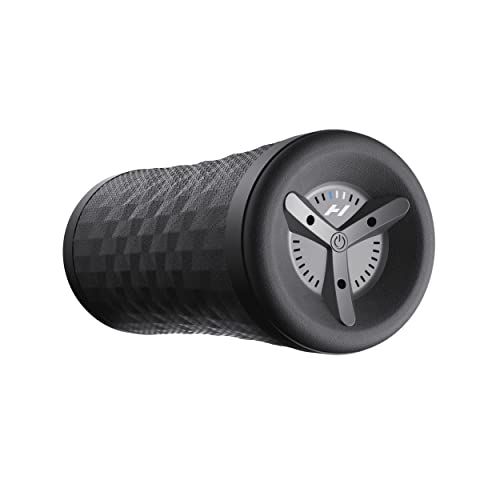
Vibrating foam rollers (Hyperice Vyper 3) add percussive vibration to myofascial release. Romero-Moraleda et al. (2019) demonstrated that vibration-augmented rolling produces measurably greater improvement in pressure-pain threshold than standard rolling alone. The trade-off: they cost $200-400 and require charging. For casual general fitness, a standard roller works fine. For elite athletes training hard daily and prioritizing every recovery edge, vibrating rollers have a measurable advantage.
When does the deep-channel roller make sense?
If you've used a standard textured roller for 6+ months and still feel tightness in your IT band, calves, or piriformis, the RumbleRoller's deep bump pattern reaches tissue zones standard textures can't. It's uncomfortable on first use, but for advanced users with chronic tightness it's the next step up before going to manual deep-tissue work.
When is the massage stick better than a foam roller?
For calves, shins, neck, forearms — anywhere a full foam roller is awkward or impossible to use solo. Runners especially benefit because calf rolling with a foam roller requires awkward stacking, but a massage stick lets you control pressure precisely with both hands. Tiger Tail is the original and still the best 18-inch stick on the market.
Proper foam rolling technique for maximum benefit
Use slow, controlled rolls and pause on tender spots for 15-30 seconds — this is where the actual myofascial release happens. People rolling fast like they're on a mission don't give the pressure time to work. You should feel the tightness reducing as you hold. If you're rolling the same area 20 times and getting nothing, you're rolling wrong. Find the tender spot, pause, breathe.
Timing — when to foam roll
Pre-workout: light rolling on major muscle groups (30 seconds per area) to activate muscles and improve mobility. Post-workout: 1-2 minutes per sore muscle group to speed blood flow and recovery. Before bed: lighter rolling if you're sore — it helps mobility and can reduce next-day soreness. Post-workout has the strongest evidence for soreness reduction; pre-workout has evidence for mobility improvement and a small performance edge.