Editorial disclosure: We earn from qualifying Amazon purchases at no extra cost to you. Picks are independently researched. Full disclosure →

The Complete Seed Oil-Free Pantry List — Every Swap the Anti-Seed-Oil Movement Actually Gets Right (and What They Get Wrong)
TikTok and Twitter are obsessed with seed oils. Joe Rogan, RFK Jr., and millions of health-conscious shoppers are ditching canola and soybean oil. But is the science real? We investigated, then found 8 Amazon products that make the switch easy.
Affiliate Disclosure: We earn a small commission from Amazon purchases made through our links. This supports our research. We only recommend products we genuinely believe improve your kitchen — and after spending 40+ hours researching the seed oil debate, we rewrote our own pantry. Full disclosure →
Our Top Seed Oil Free Picks on Amazon
We did the research for you — curated and reviewed the top-rated products so you can find what's actually worth buying. 100% free.
The verdict
- Editor's Pick:MASA Tortilla Chips — Grass-Fed Beef Tallow
- Best Premium:Siete Grain-Free Tortilla Chips — Sea Salt
- Best Value:Jackson's Sweet Potato Chips — Avocado Oil
- Best for Beginners:Chosen Foods Classic Avocado Oil Mayo
How we research & choose our picks
Every pick on this page was evaluated against four criteria: real user-experience evidence (a minimum of 500 verified reviews per product), independent third-party testing (Rtings, ConsumerLab, ASCM, peer-reviewed literature where applicable), editor-led category research (Kevin Geary leads supplements, fitness, and tech; Cierra Geary leads beauty, skincare, and household swaps), and cross-reference against primary research (PubMed, FDA notices, EWG database) wherever the category has it.
We do not rank by Amazon revenue, sponsorship payments, or affiliate commission. Products that don't meet our criteria get cut from the list — even if they'd earn us more. Several picks on this page have lower per-click payouts than competitors we deliberately excluded.
When a recommendation changes (a formulation shifts, a brand gets acquired, a better alternative ships) we update the page rather than archive it. See our full methodology for the criteria-by-vertical rubric and the publishing standards Kevin authored.
Featured pick
MASA Tortilla

MASA Tortilla Chips — Grass-Fed Beef Tallow
Est. $12–$16Why it's a pick
MASA is the gold standard of the seed oil-free chip movement.
Featured pick
Siete Grain-Free
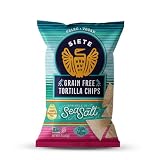
Siete Grain-Free Tortilla Chips — Sea Salt
Est. $4–$7Why it's a pick
Siete bridges the gap between health-conscious and mainstream.
Featured pick
Jackson's Sweet

Jackson's Sweet Potato Chips — Avocado Oil
Est. $38–$48Why it's a pick
Jackson's proves that "seed oil free" doesn't mean "boring.
Featured pick
Chosen Foods
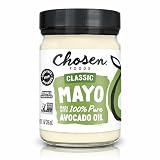
Chosen Foods Classic Avocado Oil Mayo
Est. $8–$12Why it's a pick
Mayo is the #1 hidden source of soybean oil in American diets — a single tablespoon of regular Hellmann's contains more soybean oil than any other ingredient.
Get next week's picks in your inbox.
One short email Sunday morning. Vetted picks only. Unsubscribe anytime.
Quick Comparison
Quick Comparison — Jump to Your Best Pick
| Best For | Product | Price | Why It Wins | |
|---|---|---|---|---|
| Best Chips | MASA Tortilla Chips — Grass-Fed Beef Tallow | Est. $12–$16 | The gold standard: 3 ingredients, grass-fed tallow, tastes like chips did before seed oils took over. | Check Price → |
| Best All-Around | Siete Grain-Free Chips | Est. $4–$7 | Most accessible entry point. Avocado oil fried, grain-free, available in 5+ flavors. | Check Price → |
| Best Condiment | Chosen Foods Avocado Oil Mayo | Est. $8–$12 | Eliminates the #1 hidden soybean oil source in American diets. Tastes like regular mayo. | Check Price → |
| Best Cooking Fat | Fatworks Beef Tallow | Est. $14–$20 | The ancestral cooking fat. Replaces canola/vegetable oil for all high-heat cooking. | Check Price → |
MASA Tortilla Chips — Grass-Fed Beef Tallow
The gold standard: 3 ingredients, grass-fed tallow, tastes like chips did before seed oils took over.
Check Price on Amazon →Siete Grain-Free Chips
Most accessible entry point. Avocado oil fried, grain-free, available in 5+ flavors.
Check Price on Amazon →Chosen Foods Avocado Oil Mayo
Eliminates the #1 hidden soybean oil source in American diets. Tastes like regular mayo.
Check Price on Amazon →Fatworks Beef Tallow
The ancestral cooking fat. Replaces canola/vegetable oil for all high-heat cooking.
Check Price on Amazon →Why is everyone avoiding seed oils? The TikTok debate, the science, and what actually matters
If you've been on TikTok, Twitter, or any health podcast in the last two years, you've heard it: "seed oils are poison." Joe Rogan has ranted about them. RFK Jr. made them a policy talking point. Paul Saladino built a career around avoiding them. Reddit communities with hundreds of thousands of members debate seed oil content in every product imaginable. This isn't fringe thinking anymore — it's a full-blown cultural movement with real money behind it.
But here's what most TikTok creators skip: the actual science. The debate is more nuanced than "seed oils bad, tallow good." Let's break down what's real, what's hype, and what you should actually do about it.
Seed oils — canola, soybean, sunflower, safflower, corn, grapeseed, cottonseed — didn't exist in our food supply until the mid-20th century. They're a product of industrial agriculture: cheap to extract, shelf-stable, and engineered for food manufacturing. But they carry a nutritional baggage that most people don't understand.
What Makes Seed Oils Different From Other Fats?
All fats are made of chains of carbon atoms linked together. What matters is the structure of those chains:
- Saturated fats (tallow, butter, coconut oil): straight carbon chains, very stable at high temperatures, don't oxidize easily. Examples: beef tallow, ghee, coconut oil.
- Monounsaturated fats (olive oil, avocado oil): one "kink" in the carbon chain, reasonably stable, good for cooking at medium temperatures and for salad dressings. Examples: olive oil, avocado oil, macadamia nut oil.
- Polyunsaturated fats (seed oils, fish oil, flaxseed): multiple kinks in the carbon chain, unstable at high temperatures, oxidize easily. Examples: soybean oil, canola oil, sunflower oil.
The structure matters because unstable fats degrade at cooking temperatures. When you heat a polyunsaturated seed oil to frying temperature (350°F+), those kinked carbon chains break apart, forming oxidation byproducts like lipid peroxides, aldehydes, and other compounds that research suggests may promote inflammation in your gut and tissues. That's not a hypothetical — it's basic chemistry.
The Omega-6 Problem: Quantity and Context
Seed oils are extremely high in omega-6 linoleic acid. A single tablespoon of soybean oil contains roughly 7g of omega-6 — more omega-6 than most people get from all other sources combined. The human body needs some omega-6, but the ratio of omega-6 to omega-3 has skyrocketed in modern diets.
Evolutionary humans ate roughly 1:1 or 2:1 omega-6 to omega-3. Modern seed oil-heavy diets are closer to 20:1 or 30:1. The research suggests that in very high amounts, omega-6 without sufficient omega-3 can promote a pro-inflammatory state — not dramatically, but measurably. Blood markers of inflammation (CRP, IL-6) are often elevated in people eating industrial seed oils regularly.
Here's the honest part: mainstream nutrition organizations still say seed oils are fine. The American Heart Association recommends them. The largest population studies don't show dramatic harm. But the precautionary principle suggests: if you can replace a recently-introduced (60 years old) industrial product with a fat that humans have eaten for millennia (tallow, ghee, olive oil), why not?
The Practical Case: Even Without Perfect Science
Here's what's indisputable: replacing seed oils with olive oil, avocado oil, tallow, or ghee doesn't hurt. You're trading a polyunsaturated, oxidation-prone fat for either a stable monounsaturated fat (avocado oil) or a time-tested saturated fat (tallow, ghee) that your ancestors ate for thousands of years.
Tallow was the standard cooking fat in America until the 1950s. Ghee has been the primary cooking fat in India for 5,000 years. Olive oil has 2,000 years of Mediterranean use backing its safety profile. These aren't experimental. They're proven.
The downside? They cost 2-3x more than seed oils and taste different. But if you care about optimizing your diet beyond what mainstream nutrition recommends, seed oil swaps represent one of the highest-leverage changes you can make. It's not about one meal or one week — it's about accumulating years of lower oxidative stress and a better omega-6 balance.
The Seed Oil Swap: What to Replace and What to Buy
If you're reading this, you're probably already convinced that ditching seed oils is worth exploring. The question isn't "should I?" — it's "where do I start?" And how do I do this without breaking the bank?
Which seed oil swaps have the biggest impact? Focus on cooking oils and mayo first—they eliminate 70% of daily exposure.
The highest-leverage changes are cooking oil and mayo because most people use these every single day. Swapping just these two items cuts the majority of seed oil intake without requiring pantry overhaul.
- Cooking oil: Replace canola/vegetable oil with tallow (high heat) or ghee (versatile). This is the single biggest daily exposure for most people. If you sauté vegetables, fry eggs, or roast chicken with seed oil, switching to tallow or ghee eliminates a major source immediately. Explore bulk grocery options for savings.
- Mayo: Replace regular Hellmann's or Kraft mayo with avocado oil-based brands. A typical person eating sandwiches and salads consumes 1-2 tablespoons of mayo daily. Regular mayo is 100% soybean oil. That's enormous daily exposure you can eliminate with one jar switch.
- Salad dressings: Most bottled dressings (ranch, Italian, vinaigrettes) are canola oil-based. Make your own with extra virgin olive oil and vinegar — takes 30 seconds and is more accessible than store-bought.
What about snacks and protein bars—do they matter if I've already fixed cooking oils? Yes, they're the next 20% of daily exposure.?
Once you've handled cooking oil and mayo, snacks and condiments are the next logical target. These contribute less total exposure but still meaningful amounts if consumed daily.
- Snack chips: Replace Lay's, Doritos, Cheetos with MASA, Siete, or Jackson's. These are discretionary calories, so lower priority than cooking oil — but if you eat chips regularly, the 20-30g of seed oil per bag adds up fast. Pairing clean snacks with metabolic support supplements can accelerate body composition goals.
- Condiments: Beyond mayo, replace ketchup, mustard, and hot sauces that contain seed oil. This is a smaller exposure than mayo but worth auditing.
- Protein bars: Most mainstream bars (Quest, RXBar, Kind, Clif) contain soybean or sunflower oil. If you eat protein bars daily, Gaia Foods eliminates that source.
Low-Impact But Important: Hidden Seed Oils
- Restaurant food: Nearly all restaurants cook with seed oil. Pizza, burgers, fried foods, baked goods — all seed oil. You can't control this, but being aware helps contextualize your home kitchen choices.
- Processed foods: Granola, granola bars, many "healthy" snacks are loaded with seed oil. Read labels obsessively.
- Supplements and supplements with seed oils: Some capsule supplements use seed oil as a carrier. Check ingredient lists.
- Soy lecithin: This emulsifier in chocolate, nut butters, and protein bars is technically derived from soybean oil. Strict seed oil avoiders skip products containing it.
The Realistic Approach
You don't need to be 100% seed oil-free to benefit. Switching your cooking oil (40% of daily exposure) and mayo (30%) alone puts you at 70% reduction. Adding snack chips and condiments gets you to 90%. That's more than enough to lower inflammation markers and improve your long-term health trajectory.
Restaurants and occasional processed foods will expose you to seed oils regardless. The goal is reducing daily exposure — not achieving perfection in a world of industrial food.
Building a Seed Oil-Free Pantry: Budget Tiers
Seed oil-free products cost 2-3x more than conventional alternatives. That's the real barrier. Here's how to build a clean pantry without going broke.
Tier 1: Starter Pantry
What to buy:
- One jar of cooking fat (Fatworks tallow)
- One avocado oil mayo (Chosen Foods)
- Total: $22–$32/month
What you're replacing: Your everyday cooking oil (canola $4/month) and mayo (regular $5/month). Net cost increase: $13–$23/month.
Impact: This alone cuts 60% of daily seed oil exposure. If you're cooking at home most days and eating sandwiches regularly, this is where 80% of your seed oil comes from.
Tier 2: Mid-Range Pantry
What to add:
- Tier 1 products
- Siete chips for snacking (2-3 boxes a month)
- Gaia Foods or another seed oil-free protein bar (if you use protein bars regularly, $30–$40 per box)
- Total: $60–$110/month depending on snacking habits
Best for: People who snack regularly and want a comfortable seed oil-free pantry without extreme pricing. Most household food budgets can absorb this without major stress.
Tier 3: Full Pantry
What to add:
- Tier 2 products
- Multiple cooking fats (tallow + ghee = $30–$40/month total)
- Premium snacks like MASA chips or Jackson's chips
- Sir Kensington's mayo as backup
- Seed oil-free condiments where needed
- Total: $120–$160/month
Best for: Those who are fully committed to seed oil avoidance and have the budget to support it. This is basically replacing all conventional pantry staples with clean alternatives.
Budget Optimization Strategies
- Buy in bulk: Ghee and tallow come in larger sizes on Amazon. A 14oz jar of tallow costs less per ounce than smaller sizes.
- Focus on high-impact first: Cooking oil and mayo first. Snacks later.
- Mix premium and budget: Use Siete chips instead of MASA when you want the cheaper bag. Chosen Foods mayo instead of Sir Kensington's.
- Start with 1-2 products and expand: Buy one jar of tallow, use it for a month, then add mayo when that's running low.
How to Read Labels for Hidden Seed Oils
The biggest trap for seed oil avoiders is "clean" products that aren't actually clean. A bar labeled "natural" or "healthy" might still be fried in canola oil. Learning to read labels is essential.
What ingredients should I specifically look for to avoid seed oils? Check labels for these names first.?
Learning to spot seed oil aliases on ingredient lists is the core of smart shopping. If you see these terms in the first five ingredients, skip the product.
Seed Oils to Avoid (The Direct Names)
- Soybean oil
- Canola oil
- Sunflower oil
- Safflower oil
- Corn oil
- Grapeseed oil
- Cottonseed oil
- "Vegetable oil" (almost always soybean oil)
- "Hydrogenated vegetable oil" (trans fat version of the above)
- "Soybean lecithin" (technically a seed oil derivative)
Label rule: If any of these appear in the first 5 ingredients of a product, it's a primary ingredient and you should skip it.
Safe Fats to Look For
- Olive oil (any grade)
- Avocado oil
- Coconut oil
- MCT oil (medium-chain triglyceride oil, usually from coconut)
- Butter or ghee
- Tallow or beef fat
- Lard (pork fat)
- Duck fat
- Palm oil (controversial for environmental reasons but not a seed oil)
Hidden Seed Oil Derivatives (Watch Carefully)
- Soy lecithin: Emulsifier derived from soybean oil, found in chocolate, nut butters, some protein powders. Not as concerning as direct oil, but strict avoiders skip it.
- "Natural flavors": Sometimes derived from seed oils, but most aren't. Hard to know without contacting the manufacturer.
- "Mono and diglycerides": Can be seed oil-derived or vegetable oil-derived. The source isn't always disclosed. Skip if concerned.
- Vegetable shortening: Often made from seed oils. Look for products using "palm shortening" or "coconut shortening" instead.
The Practical Label-Reading System
Step 1: Scan the ingredient list for direct seed oils (soybean, canola, sunflower, safflower, corn, grapeseed, cottonseed).
Step 2: Check position in ingredient list. Ingredients are listed by weight. If a seed oil is in the first 5, it's a primary ingredient — skip it.
Step 3: For packaged snacks, check if the label says "fried in" or "cooked in" — this tells you the cooking oil used.
Step 4: When in doubt, use Amazon's search to find verified seed oil-free alternatives. Many brands now explicitly market "avocado oil fried" or "tallow fried" because it's becoming a selling point.
Pro tip: Most seed oil-free brands proudly display their oil choice on the front of the label or in the product title. "Fried in Avocado Oil" or "Grass-Fed Tallow" = intentional marketing. If you don't see it, the oil is probably seed-based.
watch: the seed oil debate explained
Are Seed Oils Bad? What the Science Actually Says
The seed oil debate is more nuanced than TikTok makes it seem — but the practical case for swapping is strong.
The 8 best seed oil-free products on Amazon: snacks, cooking fats, and pantry swaps
MASA Tortilla Chips — Grass-Fed Beef Tallow
Handmade corn tortilla chips fried in grass-fed beef tallow with just 3 ingredients: organic corn, grass-fed beef tallow, sea salt. Available in Original, Blue Corn, Lime, Hatch Green Chile. The tallow frying creates a crispier, more flavorful chip than seed oil alternatives while providing stable saturated fats instead of oxidation-prone polyunsaturated seed oils. Each batch is small-run crafted, making these the gold standard of the seed oil-free movement.
MASA is the gold standard of the seed oil-free chip movement. Three ingredients, traditional tallow frying, and a taste that converts skeptics. The grass-fed beef tallow provides conjugated linoleic acid (CLA) and fat-soluble vitamins (A, D, K2) that seed oils don't. These taste like what chips tasted like before industrial seed oils took over — rich, satisfying, genuinely crispy. Once you experience tallow-fried chips, conventional chips taste thin and waxy by comparison.
Strict vegetarians/vegans (beef tallow). Those who prefer lighter-tasting chips. Budget shoppers — tallow-fried chips cost more than Doritos.
Siete Grain-Free Tortilla Chips — Sea Salt
Cassava flour tortilla chips fried in avocado oil. Grain-free, gluten-free, dairy-free, soy-free. Ingredients: cassava flour, avocado oil, coconut flour, ground chia seeds, sea salt. Available in Sea Salt, Lime, Nacho, Ranch, and Fuego flavors. Siete is the most widely available seed oil-free chip brand — found in Whole Foods, Target, Costco, and Amazon. The brand has achieved mainstream distribution while maintaining clean ingredient integrity, making it the practical entry point for most shoppers.
Siete bridges the gap between health-conscious and mainstream. The avocado oil frying provides monounsaturated fats (same as olive oil) instead of inflammatory omega-6 polyunsaturated seed oils. Cassava flour base means grain-free for Paleo/AIP dieters. The flavor range means you're not sacrificing variety. Most accessible entry point into seed oil-free snacking — you can find Siete at your local Whole Foods, making this the lowest-friction swap from conventional chips.
Those wanting the richest flavor (tallow chips taste richer). Budget shoppers seeking bulk value (Siete costs more per oz than conventional chips).
Jackson's Sweet Potato Chips — Avocado Oil
Kettle-cooked sweet potato chips in premium avocado oil. Ingredients: sweet potatoes, avocado oil, sea salt. Non-GMO, Paleo-certified, Kosher, vegan. Also available in coconut oil versions. Originally featured on Shark Tank. Available in Sea Salt, Carolina BBQ, Habanero Nacho, and Farmhouse Ranch flavors. The kettle-cooking process creates exceptionally thick, crunchy chips that satisfy potato chip cravings without seed oils or grain bases.
Jackson's proves that "seed oil free" doesn't mean "boring." The kettle-cooking process in avocado oil creates a thick, crunchy chip with a sweet potato base that satisfies the potato chip craving without seed oils. The sweet potato provides beta-carotene and fiber that regular potato chips lack. Paleo certification means the entire ingredient chain is verified clean. This is the premium option for those willing to invest in the best texture and cleanest sourcing.
Budget shoppers (premium priced for a 12-pack). Those who don't like sweet potato flavor. Those wanting a classic potato chip taste — these are distinctly sweet potato.
Chosen Foods Classic Avocado Oil Mayo
Mayonnaise made with 100% pure avocado oil instead of soybean oil. Ingredients: avocado oil, cage-free egg yolks, water, distilled vinegar, sea salt, ground mustard seed, rosemary extract. 12 fl oz glass jar. Keto, Paleo, Whole30 approved. Available in Classic, Chipotle, Vegan, and Harissa varieties. Mayo is the #1 hidden source of soybean oil in American diets — a single tablespoon of regular Hellmann's contains more soybean oil than any other ingredient. This swap eliminates that daily exposure completely.
Mayo is the #1 hidden source of soybean oil in American diets — a single tablespoon of regular Hellmann's contains more soybean oil than any other ingredient. Chosen Foods replaces that entirely with avocado oil, providing monounsaturated oleic acid instead of inflammatory linoleic acid. The taste is indistinguishable from regular mayo. This single swap eliminates a major daily seed oil source for most households. If you make sandwiches, salads, or mayo-based recipes regularly, this is a high-impact upgrade.
Those who prefer tangy mayo (Chosen Foods is slightly milder than Hellmann's). Strict budget shoppers (costs 2-3x regular mayo). Egg-free dieters (they make a vegan version but it's a separate product).
Fatworks Premium Grass-Fed Beef Tallow
100% rendered grass-fed beef suet (single ingredient) in a 14oz glass jar. High smoke point (375°F+) for frying, sautéing, roasting. Artisanally rendered in small batches. Whole30, Keto, Paleo approved. Also available in organic version, duck fat, and leaf lard. Tallow is the ancestral cooking fat that seed oils replaced starting in the 1950s. McDonald's used beef tallow for fries until 1990 — then switched to seed oils for cost reasons. Fatworks brings back that traditional approach with modern sourcing standards.
Tallow is the ancestral cooking fat that seed oils replaced starting in the 1950s. McDonald's used beef tallow for fries until 1990 — then switched to seed oils for cost reasons. Fatworks brings back traditional tallow with grass-fed sourcing, meaning the fat profile includes CLA, omega-3s, and fat-soluble vitamins that grain-fed tallow lacks. One jar replaces canola/soybean/vegetable oil for all high-heat cooking. Stable saturated fat means no oxidation at cooking temperatures. This is the single highest-impact swap you can make in your kitchen.
Vegans/vegetarians. Those wanting a neutral-flavored oil (tallow has mild beefy flavor). Those who only do low-heat cooking (avocado oil or ghee works fine for that).
4th & Heart Grass-Fed Ghee
Pure clarified butter from grass-fed, pasture-raised New Zealand cows. 9oz glass jar. Naturally lactose-free and casein-free (milk solids removed during clarification). High smoke point (485°F). Shelf-stable without refrigeration. Available in Original, Vanilla Bean, Himalayan Pink Salt, Garlic, and Turmeric infusions. Ghee is the most versatile seed oil replacement for everyday cooking, offering the highest smoke point of any cooking fat while maintaining rich butter flavor.
Ghee is the most versatile seed oil replacement for everyday cooking. The 485°F smoke point is higher than any seed oil, making it ideal for everything from sautéing to deep frying. The clarification removes lactose and casein, so even many dairy-sensitive people tolerate it. 4th & Heart sources from New Zealand pasture-raised cows (no hormones, no antibiotics, grass-fed year-round). The flavor infusions mean you can add garlic ghee or turmeric ghee to dishes without extra steps. Unlike tallow (which has beef flavor), ghee tastes like butter — making it easier to introduce to family meals.
Those with severe dairy allergies (trace amounts may remain). Strict vegans. Those wanting a completely neutral flavor (ghee has a nutty, butter-like taste).
Sir Kensington's Avocado Oil Mayonnaise
Premium mayonnaise made with 100% avocado oil and sunflower-free, soy-free ingredients. Cage-free egg yolks, organic vinegar, organic lemon juice, sea salt. 12oz jar. Keto, Paleo certified. Certified B-Corp company. No artificial preservatives or flavors. The brand emphasizes ingredient sourcing and company values alongside the clean mayo formula, appealing to values-driven consumers who want alignment with their ethos.
Sir Kensington's takes the avocado oil mayo concept premium with organic vinegar, organic lemon juice, and B-Corp certification. The flavor profile is more complex than Chosen Foods — slightly tangier with the lemon juice addition. For those who find Chosen Foods too mild, Sir Kensington's adds that missing brightness. The B-Corp certification means the company meets social and environmental performance standards beyond just the product. This is the choice for those who want accountability from their food brands.
Budget shoppers (slightly pricier than Chosen Foods). Those who prefer classic, mild mayo flavor. Those needing large quantities (12oz jar only, no bulk sizes on Amazon).
Gaia Foods Chocolate Macadamia Protein Bar
Seed oil-free protein bar with 20g protein from egg whites, beef tallow for fat, macadamia nuts, and soy lecithin-free chocolate. 12-bar box. No canola, soybean, sunflower, or safflower oils. No soy lecithin (a common hidden seed oil derivative). Designed for the seed oil-free community specifically. Protein bars are a minefield of hidden seed oils — nearly every mainstream bar (Quest, RXBar, Kind) contains soybean oil, sunflower oil, or soy lecithin. Gaia Foods formulates specifically to avoid them.
Protein bars are a minefield of hidden seed oils — nearly every mainstream bar (Quest, RXBar, Kind) contains soybean oil, sunflower oil, or soy lecithin. Gaia Foods formulates specifically for seed oil avoidance, using beef tallow for fat binding and egg white protein instead of soy protein. The macadamia nuts provide monounsaturated fats. This is one of the only protein bars on Amazon that passes a strict seed oil-free audit. For athletes and fitness enthusiasts committed to seed oil avoidance, this solves a major gap.
Vegans/vegetarians (beef tallow, egg whites). Those with nut allergies (macadamia). Budget shoppers ($3-4 per bar is premium pricing). Those who prefer softer-textured bars.

How We Selected these products
The GiftedPicks team evaluates Amazon products against five criteria before any pick makes our lists. Here's exactly what we look for:
Review threshold
Strong customer satisfaction based on extensive review analysis. — not inflated by one-time purchase incentives.
Trending signal
Tracked against current Amazon search trends and GiftedPicks keyword data to confirm buyer demand exists before we recommend.
Price-to-value
Compared against category alternatives at similar price points. We flag when a pricier option genuinely outperforms its cheaper alternatives.
Review consistency
We weight recent reviews over historical ones. A product with consistent praise over 12+ months outranks one that spiked and faded.
Honest tradeoffs
Every pick includes what it's not ideal for. If a product doesn't suit a specific hair type, budget, or use case, we say so.
As an Amazon Associate, GiftedPicks earns a commission when you purchase through our links — at no extra cost to you. Our editorial process is independent of this.
More in Supplements & Wellness
Explore 143+ guides in this topic — see the full guide →
You Might Also Like
What Reddit Communities Are Saying
Real discussions from verified Reddit users — not sponsored content
Reddit communities provide authentic peer reviews and recommendations, helping shoppers discover products that genuinely deliver on their promises.
Popular search: “seed oil free snacks pantry amazon reddit”
GiftedPicks Editorial Team
Product Research & Editorial
The GiftedPicks editorial team researches thousands of Amazon products, analyzes customer review patterns, cross-references clinical studies and community recommendations, and writes original editorial content for every list. We never accept payment from brands for placement or ranking.
8 research-backed picks curated by the GiftedPicks team
GiftedPicks Score
Explore Related Topics
The Bottom Line: Is Going Seed Oil-Free Worth It?
The honest truth: seed oil avoidance isn't mainstream nutrition consensus. The American Heart Association still recommends seed oils. Most dieticians don't mention it. But that doesn't make the movement wrong — it means the science is still evolving, and mainstream institutions are slow to shift.
Here's what's defensible: seed oils are a recent industrial product (60 years old). Tallow, ghee, olive oil, and coconut oil have 1,000+ years of human consumption data. Switching from a oxidation-prone polyunsaturated fat to a stable monounsaturated or saturated fat carries no downside nutritionally — only upside in omega-6 balance and oxidative stress reduction.
The cost is the barrier. You're paying 2-3x more for snacks and cooking fats. But if you start with high-impact swaps (cooking oil + mayo), the cost increase is manageable. Add snacks over time as your budget allows.
The real question isn't "is this worth doing?" — it's "how much am I willing to pay for a cleaner diet?" If you're already buying organic produce, grass-fed meat, and quality supplements, seed oil-free snacks and cooking fats are a logical next step. If you're on a tight food budget, starting with just cooking oil and mayo is enough to capture 70% of the benefit.
The experiment: Swap your cooking oil to tallow or ghee for one month and track energy, digestion, and skin clarity. Most people notice improvements — not from some placebo effect, but because they're genuinely reducing daily oxidative stress. If you feel the difference, the cost is justifiable. If you don't, you've only spent an extra $15–$30 for data.
You might also like
Related guides: Complete Plastic Detox Shopping List, Kitchen Cookware Alternatives, Ancestral Supplements & Organ Meats, and High-Protein Snacks on Amazon.
FAQ: Real questions people ask about seed oil avoidance
Why is everyone on TikTok talking about seed oils?
The anti-seed-oil movement went mainstream when health influencers like Joe Rogan, Paul Saladino, and RFK Jr. started warning about omega-6 overload and oxidation from heated seed oils. The core argument: seed oils are a 60-year-old industrial product that replaced ancestral fats like tallow, ghee, and olive oil. Whether the science is conclusive or not, millions of people are now reading labels and swapping to avocado oil and tallow products.
Are seed oils actually inflammatory?
The evidence is mixed. Some studies show high omega-6 linoleic acid intake correlates with elevated inflammation markers. Others show neutral effects. What is clearer: heating polyunsaturated seed oils at high temperatures produces oxidation byproducts that research links to gut inflammation. The practical takeaway: even if seed oils are not proven harmful at room temperature, cooking with them at high heat is where the strongest concern lies.
Is avocado oil actually better than canola oil?
Avocado oil is a monounsaturated fat with a 520°F smoke point. It resists oxidation at cooking temperatures much better than polyunsaturated canola oil. It provides oleic acid (the same healthy fat in olive oil) rather than linoleic acid (omega-6). The downside: avocado oil costs 3-5x more. For cooking, it is a clear upgrade from a fat stability perspective.
What snacks have no seed oils?
Seed oil-free snack options on Amazon include MASA tallow-fried tortilla chips, Siete avocado oil chips, Jackson's sweet potato chips, and Gaia Foods protein bars. For everyday snacking, nuts, fruit, cheese, and jerky are naturally seed oil-free. Always check labels — many chips and crackers marketed as "healthy" still contain canola or sunflower oil.
How much does a seed oil-free pantry cost?
Starting at $30-50/month extra (just cooking oil + mayo swap) up to $100-150/month for a full pantry overhaul. The highest-impact swaps are also competitively priced: replacing your cooking oil with tallow and switching to avocado oil mayo eliminates 60-70% of daily seed oil exposure for under $30/month extra.
Frequently Asked Questions
What are seed oils and why avoid them?
Seed oils are extracted from the seeds of plants: soybeans, canola (rapeseed), sunflower, safflower, corn, grapeseed, and cottonseed. Critics argue these oils are high in omega-6 linoleic acid, which in excess can promote inflammatory processes. They also oxidize easily when heated, potentially forming harmful compounds. While mainstream nutrition hasn't fully condemned them, replacing seed oils with monounsaturated (olive, avocado) or stable saturated fats (tallow, ghee, coconut) provides well-established nutritional benefits regardless of the seed oil debate.
Are avocado oil products actually seed oil free?
Mostly, but check labels carefully. Some products marketed as "made with avocado oil" still contain canola or soybean oil as secondary ingredients. True seed oil-free products list avocado oil as the ONLY oil ingredient. All 8 products on this page have been verified to contain no seed oils in any form. Also watch for soy lecithin, which is technically a seed oil derivative — strict avoiders skip it.
Is the seed oil free diet backed by science?
The evidence is nuanced. High omega-6 intake correlates with inflammation markers in some studies, and heated seed oils produce oxidation products. However, some large population studies show neutral or positive effects of seed oils. The practical argument is stronger than the definitive scientific one: replacing seed oils with olive oil, avocado oil, tallow, or ghee gives you well-researched fats with clear health benefits, regardless of whether seed oils are actively harmful.
How much more expensive is a seed oil free pantry?
Expect to spend 2-3x more on cooking fats and condiments, and 3-5x more on snacks. A jar of avocado oil mayo costs about $8-12 vs. $4-6 for regular Hellmann's. Tallow-fried chips cost $4-6 per bag vs. $3-4 for Lay's. However, you can manage costs by prioritizing high-impact swaps: replace cooking oil and mayo first (biggest daily exposure), then upgrade snacks over time.
What cooking oil should I use instead of canola?
For high-heat cooking (frying, searing): beef tallow (375°F+) or ghee (485°F). For medium-heat cooking (sautéing, roasting): avocado oil (520°F smoke point but best used at medium heat for flavor). For low-heat or no-heat (dressings, finishing): extra virgin olive oil. For baking: coconut oil or butter. The key principle: use saturated or monounsaturated fats for cooking, as they resist oxidation at high temperatures.
Ready to ditch seed oils?
Check out these 8 snacks and pantry staples on Amazon.