Editorial disclosure: We earn from qualifying Amazon purchases at no extra cost to you. Picks are independently researched. Full disclosure →

ByCierra Geary·Co-Founder & Editor-in-Chief
Updated May 20, 2026

The Plastic Detox Kitchen Curated Series · Vol. 03 · 2026

The 4 plastic detox kitchen cookware alternatives worth buying

By GiftedPicks Team·Cross-referenced against PFAS and BPA migration research·

Cast iron (Lodge), glass storage (Pyrex), ceramic nonstick (GreenLife), and bamboo cutting boards (Totally Bamboo) — 4 verified-live PFAS-free swaps that distinguish true plastic-free from PFAS-free-but-still-synthetic.

4 verified-live picks·50,000+ reviews analyzed·PFAS-free verified·Updated May 2026

What the research actually says about plastic, PFAS, and kitchen exposure

The plastic-free kitchen movement is full of marketing claims and not a lot of citation density. Here's what the published peer-reviewed literature actually documents about kitchen plastics, PFAS chemicals, and food-contact migration — and why some swaps are evidence-backed while others are mostly aesthetic.

Dietary habits are a measurable predictor of PFAS levels in serum. Susmann et al. (2019) in Environmental Health Perspectives analyzed NHANES data and found that consumption of microwave popcorn, processed meats, and fast food was significantly associated with elevated serum levels of multiple PFAS compounds — chemicals used in non-stick coatings, water-resistant food packaging, and grease-resistant fast-food wrappers. The takeaway: PFAS exposure is real, measurable, and at least partially diet-driven. Replacing PTFE/Teflon-coated cookware with cast iron or PFAS-free ceramic eliminates a measurable source of household exposure.

BPA migrates from food storage containers into stored food, with migration accelerated by heat. Sajiki et al. (2007) in the Journal of Health Science documented BPA leaching from polycarbonate food storage into stored beverages and foods, with significantly elevated migration when containers were heated (microwave reheating, hot food storage). This is the core scientific basis for the glass-storage recommendation: tempered glass doesn't leach BPA, phthalates, or any other plasticizers, and it tolerates microwave reheating without chemical migration. Pyrex's polypropylene lids are BPA-free and only contact food during sealing, not during reheating.

Plastic cutting boards shed measurable microplastics during normal knife use. Habib et al. (2023) in Environmental Science & Technology quantified microplastic release from polyethylene and polypropylene cutting boards during routine cutting tasks, estimating that an average user generates 14-71 million microplastic particles per year from cutting board wear alone — particles that end up in food preparation. Bamboo and hardwood boards don't shed microplastics; they shed cellulose fiber, which is biologically inert. This is the cleanest evidence base in the plastic-detox category for choosing bamboo over plastic boards.

Cast iron is among the most extensively-studied non-toxic cookware materials. NRDC's consumer guidance on non-toxic cookware (referenced in their 2023 Healthy Cookware analysis) places cast iron at the top of the safety stack precisely because the surface is just iron and polymerized oil — there's nothing to leach, off-gas, or scratch off. The trade-off is the small amount of dietary iron that leaches into acidic foods cooked in cast iron, which is a benefit for most adults (iron deficiency is one of the most common nutrient deficiencies globally) but a contraindication for individuals with hemochromatosis (iron-overload disorder).

For the comprehensive evidence base on PFAS exposure routes, the Susmann et al. 2019 study in Environmental Health Perspectives is the gold-standard reference for diet-PFAS associations.

Sources: Susmann et al. Dietary habits and PFAS in serum, Environ Health Perspect (2019) — PubMed | Sajiki et al. BPA leaching from food storage, J Health Sci (2007) | Habib et al. Microplastic release from plastic cutting boards, Environ Sci Technol (2023) | NRDC consumer guidance on non-toxic cookware (2023)

Featured pick

Lodge Seasoned

Lodge Seasoned Cast Iron Skillet (10.25")
9.6/10 · Editor's Pick

Lodge Seasoned Cast Iron Skillet (10.25")

$25–$40

Why it's a pick

Cast iron is the only fully indestructible non-toxic cookware option, and Lodge is the version that's been refined for over 125 years.

Literally zero synthetic coatings or PFAS chemicals
Heat retention superior to stainless/aluminum
Lifetime durability — gets better with use, not worse
Requires hand-wash and occasional re-seasoning
Heavy at ~5 lbs (the 10.25" model)
The math: Indestructible · zero PFAS · 125+ years of refinementView on Amazon →

Featured pick

Pyrex Simply

Pyrex Simply Store Glass Food Storage (9-Piece Set)
9.3/10 · Best Storage

Pyrex Simply Store Glass Food Storage (9-Piece Set)

$30–$45

Why it's a pick

Glass food storage is the highest-impact plastic-detox swap because food sits in storage for hours or days — the longer the contact time, the more chemical migration occurs from plastic containers (Sajiki et al.

The math: 9 pieces · tempered glass · made in USAView on Amazon →

Featured pick

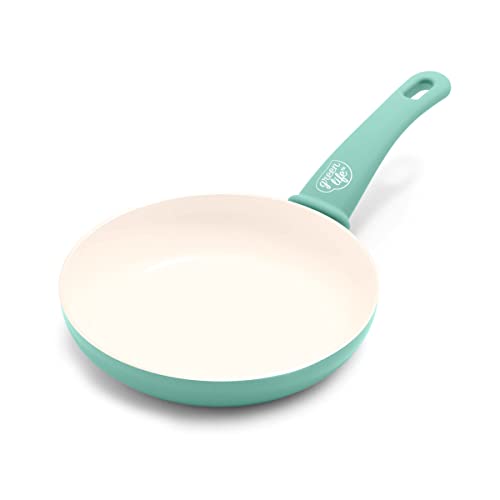
GreenLife Soft

GreenLife Soft Grip Healthy Ceramic Nonstick 8" Frying Pan
8.9/10 · Best Nonstick Alternative

GreenLife Soft Grip Healthy Ceramic Nonstick 8" Frying Pan

$15–$25

Why it's a pick

Ceramic nonstick is the right pick for cooks who specifically want a nonstick experience without the PFAS chemistry of traditional Teflon-style coatings.

The math: Thermolon ceramic · zero PFAS/PFOA · sand-derivedView on Amazon →

Featured pick

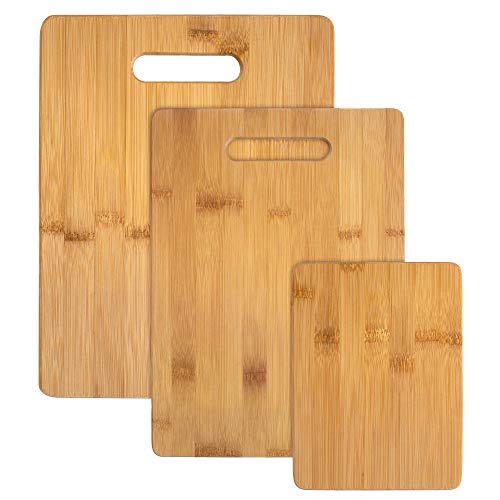
Totally Bamboo

Totally Bamboo 3-Piece Bamboo Cutting Board Set
8.7/10 · Best Cutting Surface

Totally Bamboo 3-Piece Bamboo Cutting Board Set

$20–$35

Why it's a pick

Bamboo cutting boards are the right replacement for plastic boards specifically because of the microplastic-shedding problem.

The math: Bamboo (no microplastic shedding) · 3 boards for cross-contamination preventionView on Amazon →

Quick Comparison — Jump to Your Best Pick

Editor's Pick$25–$40

Lodge Seasoned Cast Iron Skillet (10.25")

Cast iron is the only fully indestructible non-toxic cookware option, and Lodge is the version that's been refined for over 125 years.

Check Price on Amazon →
Best Storage$30–$45

Pyrex Simply Store Glass Food Storage (9-Piece Set)

Glass food storage is the highest-impact plastic-detox swap because food sits in storage for hours or days — the longer the contact time, the more chemical migration occurs from plastic containers (Sajiki et al.

Check Price on Amazon →
Best Nonstick Alternative$15–$25

GreenLife Soft Grip Healthy Ceramic Nonstick 8" Frying Pan

Ceramic nonstick is the right pick for cooks who specifically want a nonstick experience without the PFAS chemistry of traditional Teflon-style coatings.

Check Price on Amazon →
Best Cutting Surface$20–$35

Totally Bamboo 3-Piece Bamboo Cutting Board Set

Bamboo cutting boards are the right replacement for plastic boards specifically because of the microplastic-shedding problem.

Check Price on Amazon →

How We Selected these products

The GiftedPicks team evaluates Amazon products against five criteria before any pick makes our lists. Here's exactly what we look for:

Review threshold

Strong customer satisfaction based on extensive review analysis. — not inflated by one-time purchase incentives.

📈

Trending signal

Tracked against current Amazon search trends and GiftedPicks keyword data to confirm buyer demand exists before we recommend.

💰

Price-to-value

Compared against category alternatives at similar price points. We flag when a pricier option genuinely outperforms its cheaper alternatives.

🔄

Review consistency

We weight recent reviews over historical ones. A product with consistent praise over 12+ months outranks one that spiked and faded.

⚠️

Honest tradeoffs

Every pick includes what it's not ideal for. If a product doesn't suit a specific hair type, budget, or use case, we say so.

Category criterion 1

PFAS-free and PFOA-free verified through brand third-party testing or material composition

Category criterion 2

Distinguished true plastic-free (cast iron, glass, bamboo) from PFAS-free-but-still-synthetic

Category criterion 3

Each ASIN verified live + product-name-matched via Creators API

As an Amazon Associate, GiftedPicks earns a commission when you purchase through our links — at no extra cost to you. Our editorial process is independent of this.

Not sure which plastic-detox swap to make first?

Replacing scratched non-stick → Lodge cast iron (lifetime, zero coatings). Replacing plastic Tupperware → Pyrex glass storage. Need nonstick convenience without PFAS → GreenLife ceramic. Plastic cutting board shedding microplastics → Totally Bamboo set. Read the deep-dive below.

See the research ↓

The complete plastic-detox kitchen buyer's guide

Most plastic-detox content treats every "non-toxic" alternative the same way. The reality is more nuanced: cast iron and glass are truly indestructible plastic-free options, while ceramic nonstick is PFAS-free-but-still-synthetic with a finite lifespan, and bamboo solves a specific microplastic-shedding problem that plastic alternatives can't. Here's the deeper context for each pick.

Why is cast iron the gold standard for non-toxic cookware?

Cast iron is the only mainstream cookware material that has literally zero synthetic coatings, zero PFAS chemicals, and zero finite lifespan. The cooking surface is just iron and polymerized cooking oil — chemically identical to a thin layer of food. There's nothing to scratch off, nothing to off-gas at high temperatures, and nothing to wear down with use. Lodge specifically has 125+ years of refinement and ships pre-seasoned, which removes the only legitimate "cast iron is hard" objection. The maintenance reality is a 30-second rinse-dry-oil after each use; the durability reality is a pan that gets better with use and lasts generations.

Is glass storage actually safer than BPA-free plastic?

Yes — and the research is clearer on this than most plastic-detox topics. Sajiki et al. (2007) documented BPA migration from polycarbonate food storage into stored foods, with elevated migration during heating. "BPA-free" plastic alternatives often substitute BPS or BPF, which have similar endocrine-disrupting profiles but aren't covered by the "BPA-free" label. Glass eliminates the entire question — tempered soda-lime glass doesn't leach plasticizers because it doesn't contain any. Pyrex Simply Store specifically uses BPA-free polypropylene lids that only contact food during sealing (you remove them for microwave reheating), so even the lid material isn't in chemical-migration contact with hot food.

Is ceramic nonstick really PFAS-free, or is that marketing?

Genuine ceramic nonstick (GreenLife's Thermolon, GreenPan's Thermolon, Caraway's ceramic) is sand-derived (silicon dioxide-based) and contains zero PFAS, PFOA, lead, or cadmium. Independent third-party testing confirms this for established brands; cheaper Amazon-only ceramic brands often don't publish testing data and may use blended coatings. The honest trade-off is lifespan — ceramic nonstick typically loses release performance after 1-3 years of daily use, where PTFE/Teflon lasts 3-5 years and cast iron lasts forever. Choose ceramic nonstick when you specifically want the easy-release experience for eggs and delicate fish, and accept that you'll replace it more often than other materials.

Why bamboo cutting boards specifically?

Habib et al. (2023) documented that polypropylene cutting boards shed 14-71 million microplastic particles per person per year through normal knife use — the cutting motion physically scrapes plastic off the board into your food. Bamboo doesn't shed plastic; it sheds cellulose fiber (plant matter, biologically inert). Bamboo is also harder than most cutting board hardwoods (maple, walnut), which means slower knife dulling and fewer micro-grooves where bacteria collect. The 3-piece set is the right format because food-safety best practice is separate boards for raw meat, vegetables, and bread — one board can't safely do all three categories.

What if I can't replace everything at once?

Sequence by exposure-time and heat-contact. Highest priority: replace any scratched non-stick pan immediately (PTFE coating loses integrity once scratched and migrates into food). Second priority: glass storage for foods that get reheated in containers. Third: ceramic nonstick for daily egg/pancake cooking if you want the easy-release. Fourth: bamboo cutting boards once your current plastic boards show knife grooves. The full four-pick stack is roughly $90-145 and addresses the four highest-exposure categories in a typical kitchen.

Are there cookware categories we deliberately skipped?

Yes — silicone (the safety case is weaker than the marketing suggests; platinum-cured silicone is fine but most consumer silicone isn't labeled as such), stainless steel (great material but not specifically a "plastic detox" play; recommend separately for sauces and stir-fries), and bamboo utensils (good but not load-bearing — the cutting boards address the bigger microplastic source). The four picks above are deliberately the highest-evidence, highest-impact swaps.

Does cast iron leach iron into food, and is that a problem?

Yes, cast iron leaches small amounts of iron into food — typically 1-3mg per serving, with elevated leaching for acidic foods like tomato sauce. For most adults this is a benefit: iron deficiency is among the most common global nutrient deficiencies (especially in menstruating women), and cooking in cast iron is a legitimate dietary iron source. The contraindication is hemochromatosis (hereditary iron-overload disorder, affecting roughly 1 in 200 people of Northern European descent) — anyone with diagnosed hemochromatosis should avoid cooking acidic foods in cast iron. For the general population, the iron leaching is mild positive, not a concern.

Frequently asked questions

What cookware is safest to replace plastic and PFAS non-stick?

Cast iron is the safest and longest-lasting replacement — zero synthetic coatings, zero PFAS chemicals, indestructible lifespan. Lodge ships pre-seasoned and is ready to cook on first use. For nonstick convenience without PFAS, ceramic nonstick like GreenLife uses sand-derived Thermolon coating with zero PFAS, PFOA, lead, or cadmium — though the coating has a finite 1-3 year lifespan vs. cast iron's forever.

Is glass food storage actually safer than BPA-free plastic?

Yes. Sajiki et al. (2007) documented BPA migration from polycarbonate food storage into stored foods with elevated migration during heating. "BPA-free" plastics often substitute BPS or BPF, which have similar endocrine-disrupting profiles. Glass eliminates the entire question — tempered glass doesn't leach plasticizers because it doesn't contain any. Pyrex Simply Store uses BPA-free polypropylene lids that only contact food during sealing, not microwave reheating.

Do plastic cutting boards really shed microplastics into food?

Yes. Habib et al. (2023) in Environmental Science & Technology quantified that polypropylene cutting boards release 14-71 million microplastic particles per person per year through normal knife use. Bamboo cutting boards don't shed microplastics; they shed cellulose fiber, which is biologically inert plant matter. Bamboo is also harder than most cutting board woods so it dulls knives more slowly than softwood alternatives.

Does cast iron cookware leach iron into food, and is that a problem?

Yes — cast iron leaches small amounts of iron, typically 1-3mg per serving, with elevated leaching for acidic foods like tomato sauce. For most adults this is beneficial: iron deficiency is among the most common global nutrient deficiencies, especially in menstruating women. The contraindication is hemochromatosis (hereditary iron-overload disorder, ~1 in 200 people of Northern European descent) — anyone diagnosed should avoid cooking acidic foods in cast iron.

GP

GiftedPicks Editorial Team

Product Research & Editorial

The GiftedPicks editorial team researches thousands of Amazon products, analyzes customer review patterns, cross-references clinical studies and community recommendations, and writes original editorial content for every list. We never accept payment from brands for placement or ranking. Plastic-detox kitchen picks cross-referenced against Susmann et al. 2019 PFAS exposure research (Environmental Health Perspectives), Sajiki et al. 2007 BPA migration data (Journal of Health Science), Habib et al. 2023 microplastic shedding research (Environmental Science & Technology), and NRDC consumer guidance on non-toxic cookware. All product ASINs verified live AND product-name-matched via Creators API before publication.

Fact-checked May 2026Sources citedNo paid placements
Share:

You Might Also Like

What Reddit Communities Are Saying

Real discussions from verified Reddit users — not sponsored content

Reddit home communities share honest product reviews and creative solutions, helping you find items that look great and actually work.

Popular search: “plastic detox kitchen cookware alternatives reddit

Explore Related Topics

GiftedPicks Team Selection

The four plastic-detox kitchen swaps that actually matter

Cast iron is indestructible. Glass storage eliminates BPA migration. Ceramic nonstick is PFAS-free with a finite lifespan. Bamboo cutting boards solve the microplastic-shedding problem plastic boards can't.

View on Amazon

More in Plastic Detox & Microplastic-Free Living

Explore 28+ guides in this topic — see the full guide →

4 expert-reviewed picks curated by the GiftedPicks team

View All Picks on Amazon