Editorial disclosure: We earn from qualifying Amazon purchases at no extra cost to you. Picks are independently researched. Full disclosure →

The 10 Bathroom Swaps Netflix Plastic Detox Fans Are Actually Making
The bathroom is where heat, abrasion, and acidic personal-care products stack up in the smallest square footage of any room in the house — which is exactly why the Netflix documentary's science hits hardest here. These are the 10 swaps that actually remove daily plastic contact without forcing a full routine overhaul.
💡 Affiliate Disclosure: We earn a small commission from Amazon purchases made through our links. This supports our work. We only recommend bathroom swaps we'd hand a friend who asked us where to start.
Our Top Plastic Detox Bathroom Swaps Picks on Amazon
We did the research for you — curated and reviewed the top-rated products so you can find what's actually worth buying. 100% free.
Quick answer
Start with a bamboo toothbrush, a refillable stainless soap dispenser, a double-edge safety razor, and a solid shampoo bar — the four highest daily-contact items. A safety razor alone replaces 40–60 disposables a year, and one DivaCup eliminates thousands of tampons, making these the biggest waste and money savers.
Shop plastic-free bathroom swaps on AmazonQuick Comparison
Quick Comparison — Jump to Your Best Pick
| Best For | Product | Price | Why It Wins | |
|---|---|---|---|---|
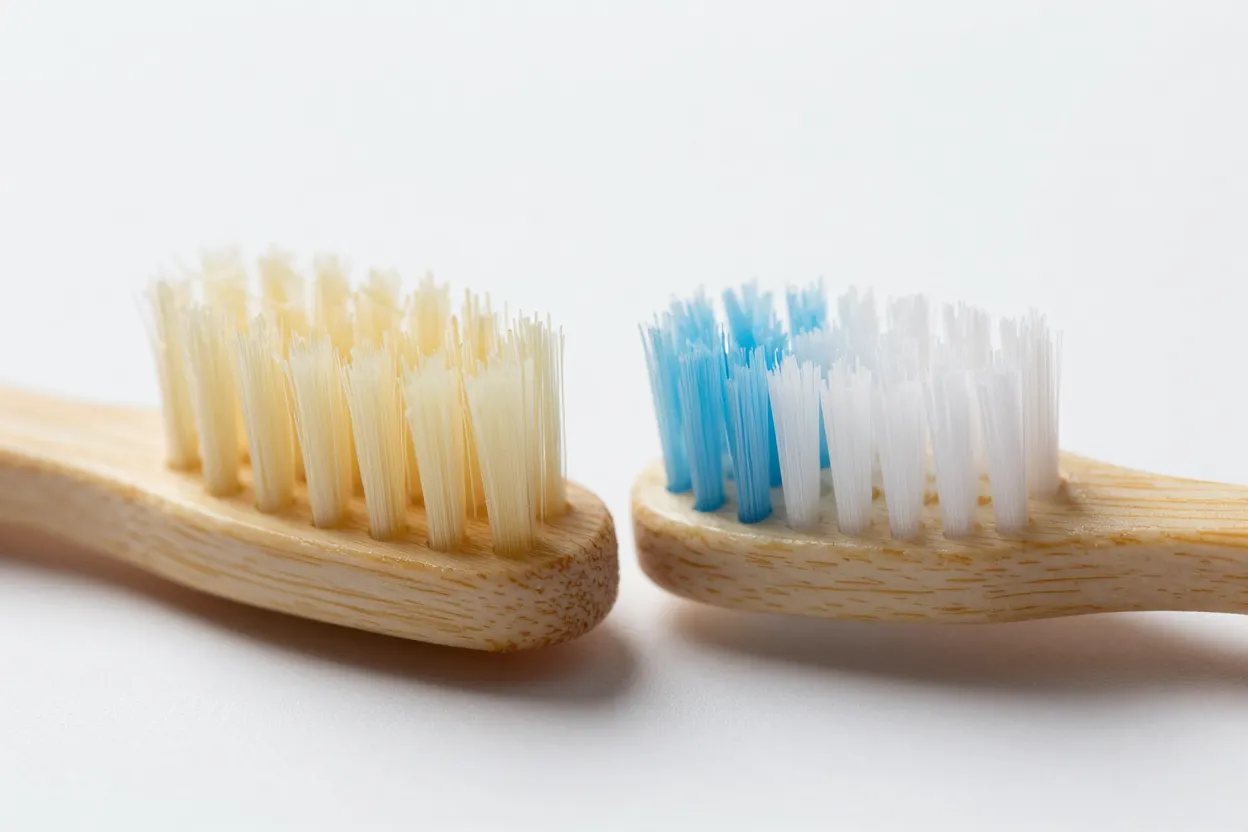
| Start Here | Brush with Bamboo 4-Pack Toothbrushes | Est. $14–$20 | The lowest-friction entry point in the bathroom plastic detox. Swap your plastic toothbrush at the next rotation — no new habit, no learning curve. Brush with Bamboo is the B Corp original, not a dropshipped lookalike, and the castor bean bristles are measurably softer than standard nylon. One year of use costs less than 4 months of Oral-B plastic brushes. | Check Price → |
| Biggest Waste Reduction | Bambaw Double Edge Safety Razor | Est. $28–$38 | The single highest-volume plastic-reduction item in the bathroom. A household of two runs through 40–60 disposable razors per year — a safety razor lasts 10+ years and blades cost roughly 10 cents each in bulk. Bambaw's beginner-friendly weight and knurled grip flatten the learning curve. | Check Price → |
| Easiest Daily Swap | HIBAR Moisturize Shampoo Bar | Est. $14–$18 | One HIBAR bar replaces roughly two 12-ounce plastic shampoo bottles, and the salon-grade formulation finally solves the waxy-residue problem earlier-generation bars had. Paper packaging composts. For dry or color-treated hair, this is the bar that converts plastic-bottle skeptics within three washes. | Check Price → |
| Biggest Long-Term Savings | DivaCup Model 1 Menstrual Cup | Est. $30–$40 | One DivaCup replaces several years of tampons and applicators — easily thousands of plastic pieces eliminated per user. Medical-grade silicone, FDA-registered, and the category-defining brand with 20+ years of continuous production. Learning curve is real but reviewers who make it past cycle two almost never go back. | Check Price → |
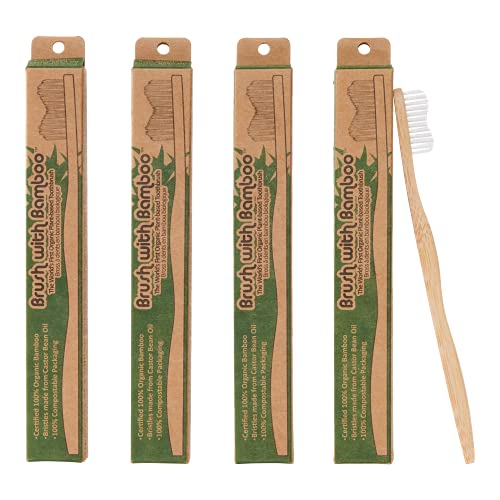
Brush with Bamboo 4-Pack Toothbrushes
The lowest-friction entry point in the bathroom plastic detox. Swap your plastic toothbrush at the next rotation — no new habit, no learning curve. Brush with Bamboo is the B Corp original, not a dropshipped lookalike, and the castor bean bristles are measurably softer than standard nylon. One year of use costs less than 4 months of Oral-B plastic brushes.
Check Price on Amazon →Bambaw Double Edge Safety Razor
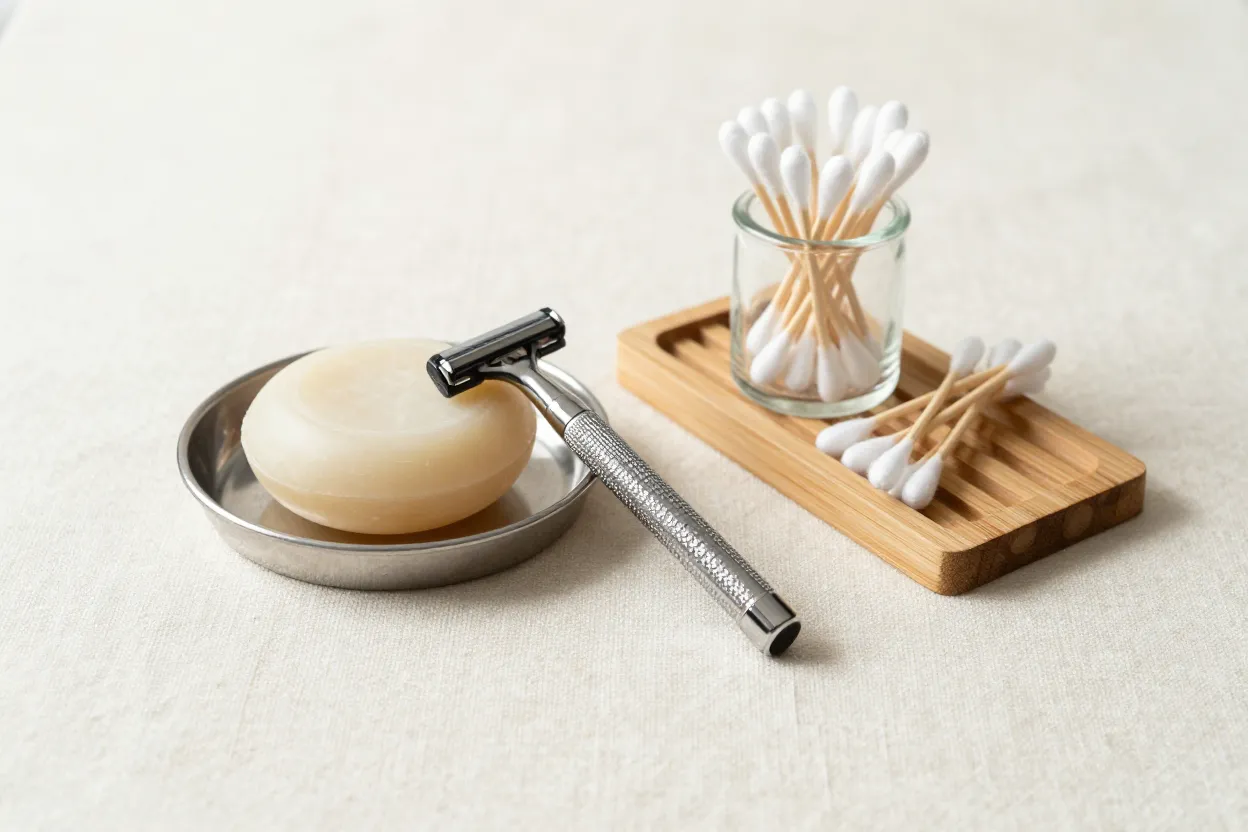
The single highest-volume plastic-reduction item in the bathroom. A household of two runs through 40–60 disposable razors per year — a safety razor lasts 10+ years and blades cost roughly 10 cents each in bulk. Bambaw's beginner-friendly weight and knurled grip flatten the learning curve.
Check Price on Amazon →HIBAR Moisturize Shampoo Bar
One HIBAR bar replaces roughly two 12-ounce plastic shampoo bottles, and the salon-grade formulation finally solves the waxy-residue problem earlier-generation bars had. Paper packaging composts. For dry or color-treated hair, this is the bar that converts plastic-bottle skeptics within three washes.
Check Price on Amazon →DivaCup Model 1 Menstrual Cup
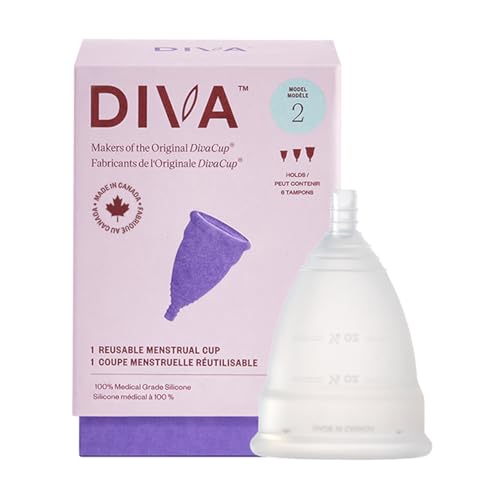
One DivaCup replaces several years of tampons and applicators — easily thousands of plastic pieces eliminated per user. Medical-grade silicone, FDA-registered, and the category-defining brand with 20+ years of continuous production. Learning curve is real but reviewers who make it past cycle two almost never go back.
Check Price on Amazon →Bathroom is a high-leverage zone — see how it ranks vs the full picture.
8 quick questions across water, food storage, cookware, beverages, and personal care. Get a 0–100 score plus the top 3 swaps that would actually move the needle for you.
0 of 8 answered
Why the Bathroom Is the Highest-Exposure Room in Netflix's Plastic Detox
The Plastic Detox (2026) spent its densest segment on the bathroom — not the kitchen — and the reason is the three-mechanism framework the documentary kept returning to: heat, abrasion, and acidity. Every other room in your house has one or two of those mechanisms in play. The bathroom has all three, stacked on top of each other, touching the most absorptive tissue in the human body every single day. Hot shower water hitting plastic shampoo bottles. Daily abrasion from toothbrushes, razors, and cotton swabs. Acidic personal-care formulations (vitamin C serums, exfoliating toners, cleansers) sitting in plastic tubes for months. If you watched the documentary and felt the quiet panic, this is the room it was pointing at.
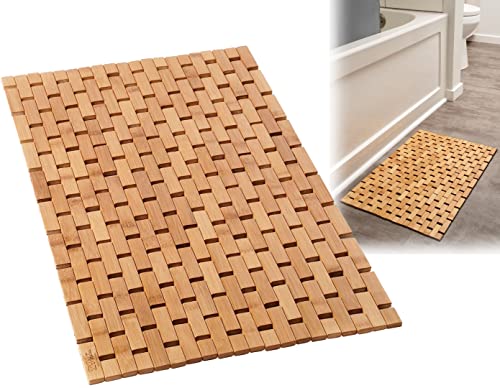
Most households already have a plastic-free kitchen checklist in their heads — glass storage, stainless water bottle, cast iron skillet. The bathroom gets less attention because the items are smaller and feel less important. But add them up: toothbrush, razor, shampoo bottle, conditioner bottle, body wash, face wash, deodorant, soap pump, cotton swabs, tampons or pads, dental floss, bath mat. That is easily 15–20 plastic items in rotation at any given moment, most of them in direct contact with heat and skin. The documentary's segment on the bathroom was the quietest part of the film, which is why it got under people's skin the most.
This page is the focused version. Ten items, ranked from highest daily impact to easiest wins, covering the four or five categories where bathroom plastic actually matters. If you have read our plastic detox starter kit and built out the kitchen first, this is the logical next room. If you are cross-referencing against the skincare lineup specifically, pair this with our plastic-free skincare and beauty picks which covers serums, moisturizers, and masks in detail.
One rule for the bathroom pass: start with the items that get used daily and touch the body longest. A plastic bath mat that your feet touch for 30 seconds is lower priority than a toothbrush you scrub for two minutes, twice a day, directly against your gums. Daily contact time is the right prioritization metric for this room. The list below is ordered with that rule in mind.
Do Bathroom Plastic Swaps Actually Reduce Microplastic Exposure?
Yes, measurably, for the heat-and-abrasion categories. Bamboo toothbrushes eliminate the daily abrasion of a nylon brush head against enamel and gums, which is one of the more commonly cited sources of oral microplastic ingestion. Safety razors replace cartridge razors where the plastic head is in direct contact with wet skin and soap. Shampoo bars eliminate the hot-water-on-heated-plastic scenario that drives polymer leaching in plastic shampoo bottles during every shower. Each individual swap is not world-changing; the stack of ten is where the compounding happens. Reviewers who do the full pass report a noticeable reduction in the number of plastic containers they handle before 9 AM — that behavioral shift is the actual win.
Which Plastic Swap Saves You the Most Money Long-Term?
The safety razor wins on five-year math. A household of two runs through 40–60 disposable cartridge razors per year at $2–$4 each — call it $150–$200 per year. A safety razor like the Bambaw costs $30 once, and replacement blades run roughly 10 cents each in bulk. Over five years, that is $1,000+ on disposables versus roughly $80 on the safety razor plus blades. The menstrual cup is the second-biggest saver: a lifetime of tampons and applicators runs well into the thousands of dollars across a menstruating person's career, versus $35 for a DivaCup that lasts several years. The other swaps on this list are closer to a wash on pure cost — the reason to make them is plastic exposure, not savings — but razors and period products are the two cases where the math alone justifies the switch.
How Do Bamboo Toothbrushes Actually Biodegrade After Use?
The bamboo handle composts fully in a backyard bin in 4–6 months; the bristles do not. This is the honest caveat that gets skipped in most "plastic-free bathroom" posts. No bamboo toothbrush on the market has fully compostable bristles yet — even the best castor-bean-oil bristles still contain a nylon-4 polymer that has to be pulled out of the handle with pliers and trashed before the handle can be composted. Brush with Bamboo (our pick on this list) is transparent about this, which is why they include end-of-life instructions on their packaging. For now, a bamboo toothbrush swap eliminates ~95 percent of the toothbrush's mass from landfill — the handle, which is the bulk of the brush. The bristles are the part the category is still working on, and that solution is 2–3 years away from commercial viability based on the best current biopolymer research. For a more detailed breakdown of bathroom plastic alternatives across personal care, see our plastic-free kitchen cookware guide — the same composting principles apply to the wood utensils and natural-fiber brushes it covers.
What the Environmental Health Research Says About Bathroom-Product Exposure
The bathroom is the highest dermal-absorption exposure environment in a typical day — leave-on personal care products bypass the digestive system's detoxification pathways and absorb directly through skin. Here's what the peer-reviewed literature documents about the specific bathroom-product chemicals these swaps target.
Phthalates from fragranced personal care reach systemic circulation in measurable amounts. The CDC's National Biomonitoring Program documents that phthalate metabolites are detectable in over 95 percent of the U.S. population, with the highest exposure pathways being food packaging, fragrance in personal care products, and indoor dust. The fragrance pathway is the bathroom-specific concern: under FDA labeling rules, "fragrance" is a trade-secret category that can legally include any of ~3,000 individual chemicals including diethyl phthalate (DEP), which carries fragrance compounds and absorbs readily through skin. Swan et al. published in Human Reproduction (2015) found maternal phthalate exposure during pregnancy was associated with reduced anogenital distance in male infants — a marker of androgen-pathway disruption. Subsequent work by the same research group has linked higher phthalate metabolite levels to reduced sperm count and testosterone in adult men. Choosing fragrance-free personal care closes the largest known controllable phthalate exposure pathway.
BPA exposure from thermal-paper receipts is more dermally significant than most bathroom plastic exposures. Hormann et al. published in PLOS ONE (2014) demonstrated that handling thermal-paper receipts for two seconds transferred a measurable BPA dose to skin, and applying hand sanitizer or lotion before handling receipts increased BPA absorption by 100x because the dermal-penetration solvents in those products carried the BPA through the stratum corneum. The honest framing for bathroom plastic-detox: BPA from receipts and personal-care contamination is often a larger total exposure source than BPA leaching from a plastic bottle — but the bottle is the more replaceable touchpoint. Vandenberg et al. in Endocrine Reviews (2012, since updated) synthesized over 800 studies and concluded BPA exhibits non-monotonic dose-response curves typical of endocrine disruptors, where low doses can produce biological effects that higher doses do not. The FDA banned BPA in baby bottles (2012) and infant formula packaging (2013), and Rochester and Bolden in Environmental Health Perspectives (2015) found BPA-substitute compounds (BPS, BPF) used in "BPA-free" products show similar in-vitro endocrine activity.
Plastic microbeads in body washes and exfoliants were banned in the U.S. (2015) and U.K. (2018) specifically because of microplastic pollution evidence. The Microbead-Free Waters Act of 2015 prohibited the manufacture and sale of rinse-off cosmetics containing plastic microbeads in the United States, citing peer-reviewed evidence that microbeads pass through wastewater treatment intact and accumulate in marine and freshwater ecosystems. Eriksen et al. published in Marine Pollution Bulletin (2013) that the Great Lakes contained measurable microbead pollution traceable to consumer products. Despite the ban, "microbead-free" consumer products often substitute polyethylene with other synthetic exfoliants — natural-bristle brushes, sugar, salt, oat, or apricot-kernel exfoliants are the verified-zero-microplastic alternatives. The ban specifically did NOT cover leave-on cosmetics (which can still contain plastic glitter and synthetic exfoliants), so the precautionary framing of "avoid synthetic exfoliants where possible" remains relevant beyond the rinse-off product category the law covered.
PFAS ("forever chemicals") in personal care products are a documented and underregulated category. Whitehead et al. published in Environmental Science & Technology Letters (2021) that 52 percent of 231 tested cosmetic products (foundations, mascaras, lipsticks, sunscreens) contained detectable fluorine — a marker for PFAS — with waterproof mascaras and long-wear foundations testing highest. The EPA in 2024 set the first enforceable drinking-water limits for six PFAS compounds at 4 parts-per-trillion, citing peer-reviewed evidence linking long-chain PFAS exposure to kidney cancer, testicular cancer, decreased vaccine response in children, and developmental effects. Grandjean et al. in JAMA (2012) demonstrated PFAS exposure was associated with reduced antibody response to childhood vaccines. The personal-care PFAS pathway is functionally a daily dermal exposure with no current regulatory threshold — switching waterproof products to non-waterproof formulations and avoiding "long-wear" or "wear-resistant" cosmetic claims meaningfully reduces the documented exposure.
For the broader scientific framework, the NIH Environmental Health Perspectives journal publishes the most comprehensive ongoing peer-reviewed coverage of personal-care chemical exposure. The honest takeaway: bathroom swaps deliver disproportionately high exposure-reduction per dollar because dermal absorption bypasses first-pass detoxification, and the items are touched for minutes-to-hours daily across a full year of use. Of all rooms in the house, the bathroom is where the cited research has the strongest direct-exposure evidence for the kinds of chemicals these swaps target.
Sources: Swan et al. phthalates and reproductive markers, Human Reproduction (2015) — PubMed | Hormann et al. dermal BPA absorption from receipts, PLOS ONE (2014) — PubMed | Vandenberg et al. BPA endocrine disruption, Endocrine Reviews (2012) — PubMed | Rochester and Bolden BPA-substitute review, Env. Health Perspect. (2015) — PubMed | Whitehead et al. PFAS in cosmetics, Env. Sci. Technol. Letters (2021) — ACS | Grandjean et al. PFAS and vaccine response, JAMA (2012) — PubMed | CDC National Biomonitoring Program — Phthalates | FDA Bisphenol A reference
How We Selected these products
The GiftedPicks team evaluates Amazon products against five criteria before any pick makes our lists. Here's exactly what we look for:
Review threshold
Strong customer satisfaction based on extensive review analysis. — not inflated by one-time purchase incentives.
Trending signal
Tracked against current Amazon search trends and GiftedPicks keyword data to confirm buyer demand exists before we recommend.
Price-to-value
Compared against category alternatives at similar price points. We flag when a pricier option genuinely outperforms its cheaper alternatives.
Review consistency
We weight recent reviews over historical ones. A product with consistent praise over 12+ months outranks one that spiked and faded.
Honest tradeoffs
Every pick includes what it's not ideal for. If a product doesn't suit a specific hair type, budget, or use case, we say so.
Category criterion 1
Daily-contact time with skin, gums, or hair — items touched for more than 60 seconds per day were prioritized over peripheral bathroom plastics.
Category criterion 2
Genuine end-of-life path — each pick either composts, recycles through standard bathroom-product streams, or lasts long enough (5+ years) to justify initial purchase.
Category criterion 3
Proven review volume and 4+ star rating — category leaders with 1,000+ reviews beat new dropshipped brands, even when the new brand is cheaper.
As an Amazon Associate, GiftedPicks earns a commission when you purchase through our links — at no extra cost to you. Our editorial process is independent of this.
The 10 Bathroom Plastic Swaps — Ranked by Daily Impact





You might also like
Related guides in the plastic detox cluster: The Complete Plastic Detox Shopping List, Plastic Detox Starter Kit: 10 Beginner Swaps, Plastic-Free Skincare & Beauty, and Plastic-Free Kitchen Cookware, plus our new guide on Is Silicone Actually Plastic?.
Frequently Asked Questions
Do bathroom plastic swaps actually reduce my microplastic exposure?
Measurably yes for the heat and abrasion categories specifically. Bamboo toothbrushes eliminate daily nylon-bristle abrasion against gums and enamel, which is a commonly cited oral microplastic source. Safety razors remove the plastic head that contacts wet skin daily. Shampoo bars eliminate the hot-water-plus-plastic-bottle scenario that drives polymer leaching in every shower. Individually, each swap is a small delta. Stacked together across ten bathroom items, the compound effect is large enough to notice in a one-week behavioral shift: you simply handle fewer plastic containers before breakfast.
Will a safety razor actually cut me if I have never used one before?
Realistically, the first three shaves include a nick or two. By the fourth shave, the technique clicks and the risk drops below cartridge-razor territory. The core rule: let the weight of the razor do the work — zero downward pressure. Standard double-edge blades are sharper than cartridge blades, so pressing down is how beginners cut themselves. Shave with the grain first, re-lather for a second pass across the grain, and skip the final against-the-grain pass until you have mastered the first two. Most Reddit wet-shaving threads call the safety-razor transition a 7-day learning curve with lifetime payoff.
How long does a shampoo bar last compared to a plastic bottle?
One standard shampoo bar (HIBAR, Ethique, Lush equivalents) lasts roughly 60–80 washes — approximately two 12-ounce plastic shampoo bottles per bar. For a single-user household washing daily, that is around 8–10 weeks per bar. For a single-user washing every other day, closer to 16 weeks. Proper storage (a draining soap dish, not a puddle) extends life by 30–50 percent because wet bars break down faster than dry ones. Reviewers consistently report that bars they thought "would not last" ended up outlasting their previous plastic-bottle rotation because they were not pouring out as much product per wash.
Are menstrual cups actually better than tampons for reducing plastic waste?
Dramatically yes on plastic waste. One DivaCup replaces several thousand tampons, applicators, and individual plastic wrappers over its multi-year lifespan — the category-defining study from the Journal of Environmental Health found a single cup eliminates 5–15 pounds of period-product plastic waste across its life. On health grounds, medical-grade silicone does not absorb fluid the way cotton-rayon tampon fibers do, which is what drives most Toxic Shock Syndrome risk. The 12-hour wear time is also longer than any tampon can safely be worn. The learning curve is real for the first cycle — most users report cycle two as the "click" moment — and that is the friction most plastic-detox converters hit.
Do bamboo toothbrushes actually biodegrade at end of life?
The bamboo handle composts fully in a backyard bin in 4–6 months. The bristles do not, and this is the honest caveat: no commercially available bamboo toothbrush has a fully compostable bristle yet. Even the best castor-bean-oil bristles (Brush with Bamboo, The Humble Co., Boka) contain a nylon-4 polymer that has to be pulled out of the handle with pliers and trashed before the handle can be composted. A bamboo toothbrush swap eliminates roughly 95 percent of the toothbrush mass from landfill — the handle — which is still an 11:1 improvement over a fully plastic brush.
What is the highest-priority bathroom swap for a beginner?
The toothbrush, because it is the lowest-friction swap on the list — you are simply buying a different version of an item you already replace every three months. No new habit, no learning curve, no behavioral shift. The second priority is the soap dispenser (OXO Easy Press plus a bulk-refill pouch), because it eliminates the entire plastic-soap-bottle category from the bathroom in one purchase for years. These two swaps together cost under $50 and make a visible dent in plastic count within 60 days.
You Might Also Like
What Reddit Communities Are Saying
Real discussions from verified Reddit users — not sponsored content
Reddit home communities share honest product reviews and creative solutions, helping you find items that look great and actually work.
Popular search: “plastic detox bathroom swaps reddit”
GiftedPicks Editorial Team
Product Research & Editorial
The GiftedPicks editorial team researches thousands of Amazon products, analyzes customer review patterns, cross-references clinical studies and community recommendations, and writes original editorial content for every list. We never accept payment from brands for placement or ranking.
10 research-backed picks curated by the GiftedPicks team
The focused bathroom pass: ten high-daily-contact swaps that address the heat, abrasion, and acidity points Netflix's Plastic Detox flagged as highest-exposure. Ranked by daily impact, not by product count.
Explore Related Topics
Ready to swap your bathroom plastics?
Shop the 10 Netflix-inspired bathroom swaps on Amazon.