





The complete plastic detox category breakdown
The 12 swaps above cover the highest-impact items across three priority phases. For users wanting to go deeper into specific categories, we've built dedicated guides for each area:
- Plastic Detox Starter Kit (Beginners, Under $200) — the 10 swaps to do first
- Kitchen Cookware & Alternatives — every pot, pan, and utensil
- Pantry & Food Storage — dry-goods jars, silicone bags, vacuum-sealed glass
- Fertility-Safe Products — personal care without endocrine disruptors
- Gym & Activewear Alternatives — athletic clothing without microfibers
- Skincare & Beauty Products — clean beauty without EDCs
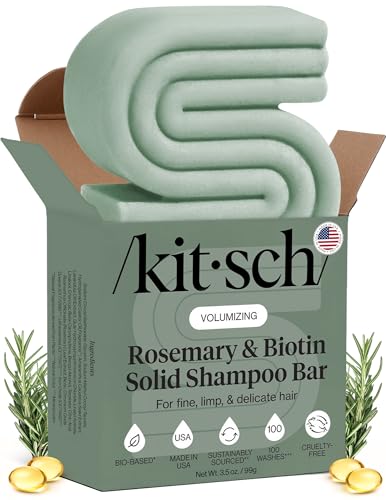
- Bathroom Swaps — safety razors, shampoo bars, bamboo brushes, menstrual cups
- Bedroom & Sleep — GOTS organic bedding, natural latex, silk pillowcases
- Laundry & Cleaning — detergent sheets, wool dryer balls
- Baby Nursery Essentials — products for the most vulnerable population
- Plastic-Free Baby Registry — complete non-toxic registry for new parents
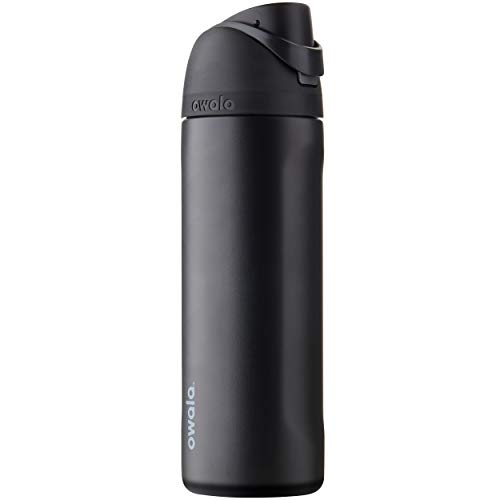
- Water Bottles & Drinkware — every way to hydrate without plastic
- Cleaning Products Alternatives — non-toxic household cleaners
- Kids Toys Alternatives — plastic-free toys for children
- Plastic-Free Camping Gear — eco-friendly outdoor adventure equipment
- Plastic-Free Pet Supplies — safe, sustainable products for your pets
What is the plastic detox list of products, in plain English?
The plastic detox list of products is the working inventory of household items that the Netflix documentary's research panel flagged as the highest-leakage microplastic and bisphenol exposure points — and the non-plastic alternatives that replace them. It is not a single SKU list, because exposure pathways differ across households (cookware vs. cosmetics vs. baby gear vs. activewear). What stays consistent is the underlying logic: any item that (1) heats food, (2) holds food, (3) touches your skin or your child's skin daily, (4) sheds microfibers in the wash, or (5) off-gases in a closed indoor environment goes onto the list. In practice, that maps to roughly 30-40 line items in an average household, most of which fall into the 12 highest-impact swaps above and the 16 category guides linked below. The shortest honest version of the list: replace plastic cutting boards with wood or rubber, plastic food containers with glass, non-stick cookware with cast iron or carbon steel, plastic water bottles with stainless steel, plastic kitchen utensils with wood or stainless, polyester activewear with merino or organic cotton, conventional skincare with EDC-free formulations, plastic toothbrushes with bamboo, plastic razors with safety razors, and plastic baby bottles and pacifiers with glass and silicone. Everything else is a deeper specialization of one of those nine categories. If you want the canonical printable version with ASIN-verified picks, the starter kit guide is the under-$200 ten-item subset, and the category links above expand each pillar.
Why prioritize bathroom swaps first?
Daily-use items multiply across 365 uses per year. A deodorant swap, shampoo swap, toothbrush swap, and razor swap together touch your body multiple times per day — every day for the rest of your life. By comparison, a kitchen swap (e.g., glass food storage) gets used roughly 1-3 times per day. Bathroom swaps deliver the highest exposure-reduction per dollar because every single use either does or doesn't involve a plastic touchpoint. They're also typically the cheapest swaps to make ($10-35 per item), so the bathroom phase has the lowest financial barrier to start.
Why is kitchen Phase 2 not Phase 1?
Counter to intuition, the research evidence for food-contact plastic exposure is actually stronger than personal-care exposure (Marfella 2024 NEJM cardiovascular evidence + Vandenberg 2012 BPA review specifically focus on ingestion-pathway exposure). So why isn't kitchen Phase 1? Cost. The kitchen swaps (glass storage set, cast iron skillet, glass baby bottles) are typically $25-45 each — meaningful initial investment. Bathroom swaps at $10-35 are easier wins to build momentum. Behavioral economics matters as much as research priority: starting with the cheapest swaps you can sustain produces better long-term adherence than starting with the most expensive ones.
What about "BPA-free" plastic? Is that safe?
No. "BPA-free" plastic typically substitutes BPS (bisphenol S) or BPF (bisphenol F) for BPA, and Rochester & Bolden 2015 in Environmental Health Perspectives documented that these substitute bisphenols show similar in-vitro endocrine activity to BPA itself. The FDA banned BPA in baby bottles in 2012 specifically because of developmental concerns, but the substitute bisphenols haven't been independently re-evaluated against the same criteria. The honest takeaway: "BPA-free" is a marketing term, not a chemical safety claim. Glass and stainless steel are the only materials that completely eliminate the bisphenol exposure category.
What about items I genuinely can't swap?
Some plastic exposure is unavoidable — receipts (thermal paper coated with BPA, the highest single-source BPA exposure for many people; minimize handling and decline when possible), store packaging (transfer to glass at home), car interiors (off-gassing decreases over time), and indoor dust (HEPA-filter vacuums help). The Phase 1/2/3 framework focuses on what you can control: what you cook in, what touches your food, what goes on your body, what your kids play with. That covers ~80% of your exposure. Don't let the remaining 20% prevent you from making the controllable swaps.
How long until you see health changes?
The Netflix documentary tracked detectable BPA and phthalate metabolite levels in participants over 90 days. Several couples saw bisphenol levels drop from detectable to undetectable in that window. Subjective health markers (energy, skin clarity, digestion) often shift on a 2-4 month timeline. The longer-term cardiovascular and reproductive markers documented in the research literature take longer to measure but the exposure-reduction begins immediately when you make swaps. The honest framing: this isn't a fast-result wellness intervention. It's a multi-decade exposure-reduction strategy that meaningfully changes your lifetime cumulative dose.