


The complete beef organ supplement buyer's guide
Quick answer
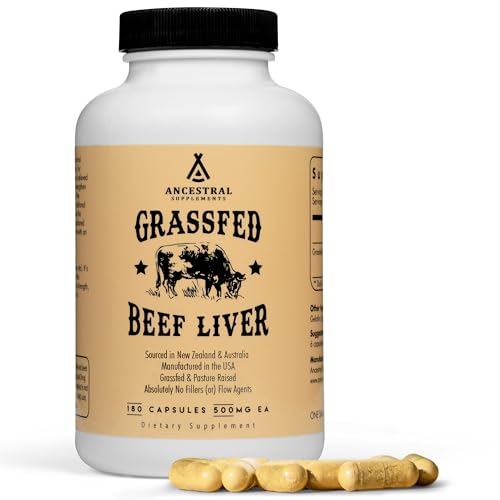
Beef organ supplements are freeze-dried capsules of liver, heart, kidney, spleen, or pancreas — bypassing the strong taste while retaining the high-density vitamin A, B12, copper, iron, and CoQ10 of organ meats. Brands worth buying: Ancestral and Heart & Soil source from grass-fed pasture cattle. Most generic 'organ blends' on Amazon include too little of each organ to matter.
The beef organ supplement category went from non-existent in 2016 to mainstream in 2024 because the underlying nutrition claim is real — beef liver delivers a micronutrient density per gram that no plant food matches. But not every brand executes the sourcing, processing, and formulation equally. The four picks above cover the meaningful price/quality tiers without the brand-flooded confusion of the broader Amazon category.
Should I take multi-organ or single-organ liver?
Single-organ liver gives you the highest concentration of the most-studied benefits (B12, heme iron, retinol vitamin A) in the smallest capsule count. Multi-organ formulations dilute liver content but add heart (CoQ10, taurine), kidney (selenium), spleen (immune-support peptides), and pancreas (digestive enzymes). The decision: if you have documented B12 or iron deficiency and want to fix THAT specifically, single-organ liver is more concentrated. If you're using organ supplements for general nose-to-tail nutrition coverage and want broader micronutrient support, multi-organ is the better pick. Many users do both — single-organ liver for the iron/B12 targeting, multi-organ as their general-wellness daily supplement.
Why is grass-fed sourcing meaningful here?
Daley et al. (2010) Nutrition Journal review documented that grass-fed beef contains 2-3x higher omega-3 fatty acids and CLA than grain-fed equivalents, with elevated vitamin E and beta-carotene precursors as well. These advantages extend to the organs because organs concentrate fat-soluble vitamins from the animal's diet — a grass-fed liver has higher vitamin A, higher omega-3 content, and lower omega-6:omega-3 ratio than a grain-fed liver. Ancestral Supplements sources from grass-fed New Zealand cattle. Heart & Soil sources from regenerative-farmed grass-fed cattle. Trace Minerals also uses grass-fed sourcing. The grass-fed differential is real and measurable, not pure marketing — though the magnitude varies by specific farm management practices.
Ancestral Supplements vs Heart & Soil: which premium brand wins?
Ancestral Supplements is the category-founder with the longest track record (launched 2017), the broadest multi-organ formulation lineup, and somewhat lower per-capsule pricing. Heart & Soil is the premium-positioned newer entrant (founded by Paul Saladino MD around 2019-2020) with regenerative-farming sourcing transparency, glass packaging, and a more clinical-credentialed brand position. Functionally, both deliver effective multi-organ supplementation. Ancestral wins on price-per-capsule and brand longevity. Heart & Soil wins on sourcing transparency (they publish the specific farms) and packaging (glass vs. plastic). For most users, Ancestral is the practical pick; for users who specifically prioritize regenerative-agriculture sourcing or want the MD-credentialed brand association, Heart & Soil justifies the price premium.
Are there real risks to long-term beef organ supplementation?
Three legitimate concerns to know: (1) Hemochromatosis / iron overload — users with the genetic predisposition to over-absorb iron should NOT take liver-heavy organ supplements without bloodwork monitoring (the heme iron load is significant). (2) Vitamin A toxicity in pregnancy — beef liver concentrates retinol-form vitamin A at levels that can exceed safe pregnancy thresholds at multi-capsule daily doses. Pregnant women should consult OB before supplementation. (3) Copper accumulation — long-term high-dose liver supplementation can elevate copper levels, which is a concern for users with Wilson's disease or copper-handling genetic variants. For the general healthy adult population, organ supplementation at recommended dosing is safe; for the specific risk groups above, bloodwork monitoring or alternative supplementation strategies apply.
Who shouldn't take beef organ supplements?
Vegetarians and vegans (obviously — these are animal-source supplements). Users with hemochromatosis or documented iron overload. Pregnant women without OB approval (vitamin A concerns). Users with Wilson's disease or copper-handling genetic variants (long-term copper accumulation risk). Users with documented liver disease (consult hepatologist before starting). For the general healthy adult population — especially those with documented low B12, low ferritin, post-partum nutrient demands, athletic high-B12 turnover, low-carb/carnivore diets, or who simply want broader micronutrient coverage than a multivitamin provides — beef organ supplementation is one of the better-evidenced supplement categories on the market.
How long until I notice results?
Users with documented B12 deficiency typically report energy and mood improvements within 1-2 weeks (B12 has a fast clinical response when deficiency was the cause of symptoms). Users with low ferritin / iron deficiency typically take 4-8 weeks for ferritin levels to recover meaningfully on bloodwork (heme iron absorbs well but takes time to refill stores). Users without specific deficiencies generally don't notice acute changes — the value is in maintaining micronutrient sufficiency over time rather than fixing acute deficits. The mistake users make is expecting dramatic energy changes within days; the literature supports steady micronutrient maintenance, not stimulant-like effects.
Capsules vs eating fresh liver: what's the trade?
A 100g serving of fresh beef liver delivers vastly more total nutrients than a typical 6-capsule supplement dose — capsules concentrate but don't match the per-serving load of fresh organ meat. The honest accounting: if you're someone who will reliably cook and eat fresh liver 1-2x weekly, that's nutritionally superior to capsule supplementation. If you're someone who finds organ-meat flavor unpalatable and won't actually cook it, the supplement you'll take daily beats the fresh liver you'll never cook. The supplement category exists because the consistency-of-use gap between "should eat fresh organs" and "actually eats fresh organs" is enormous for most modern Western consumers.